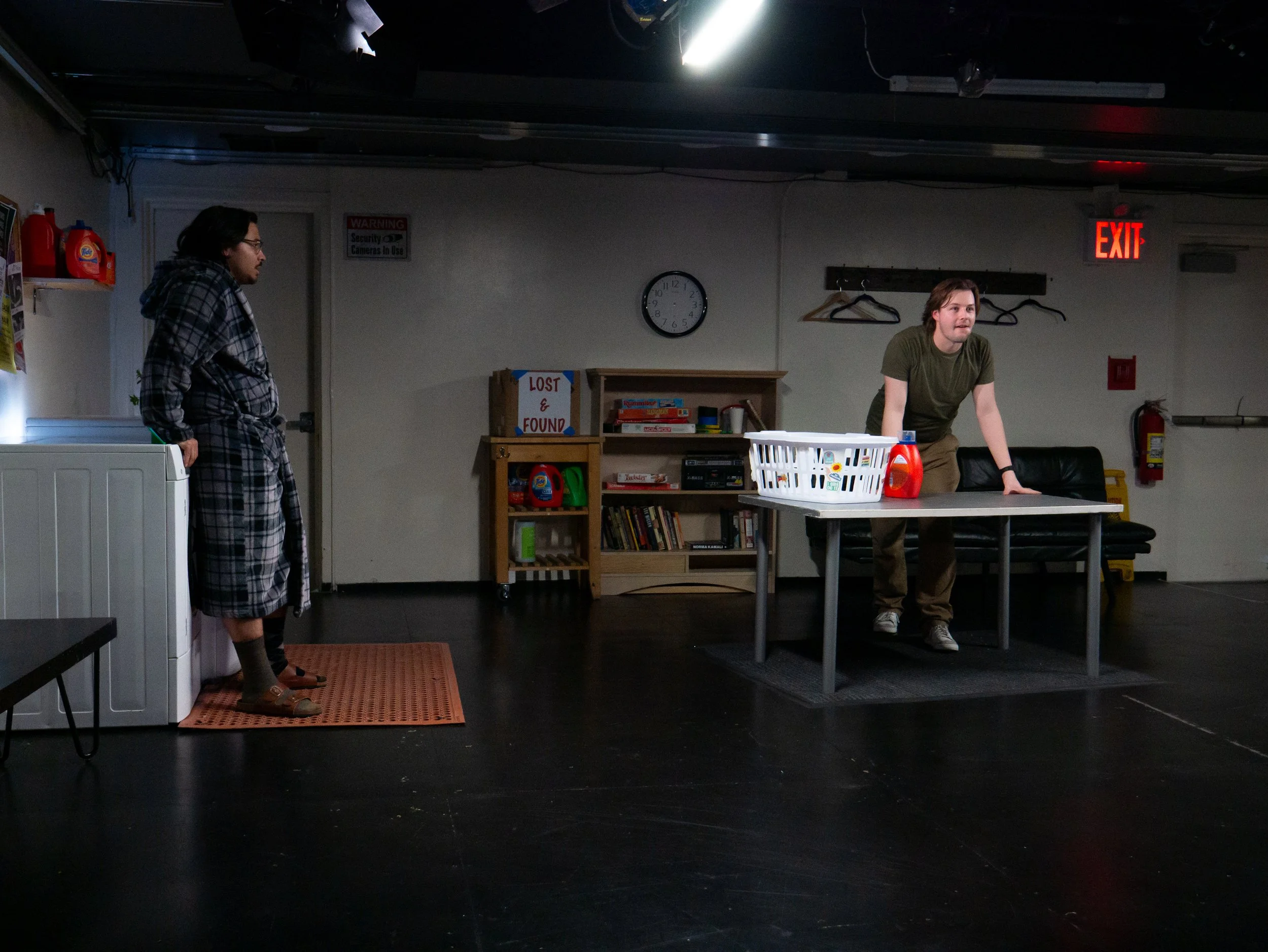
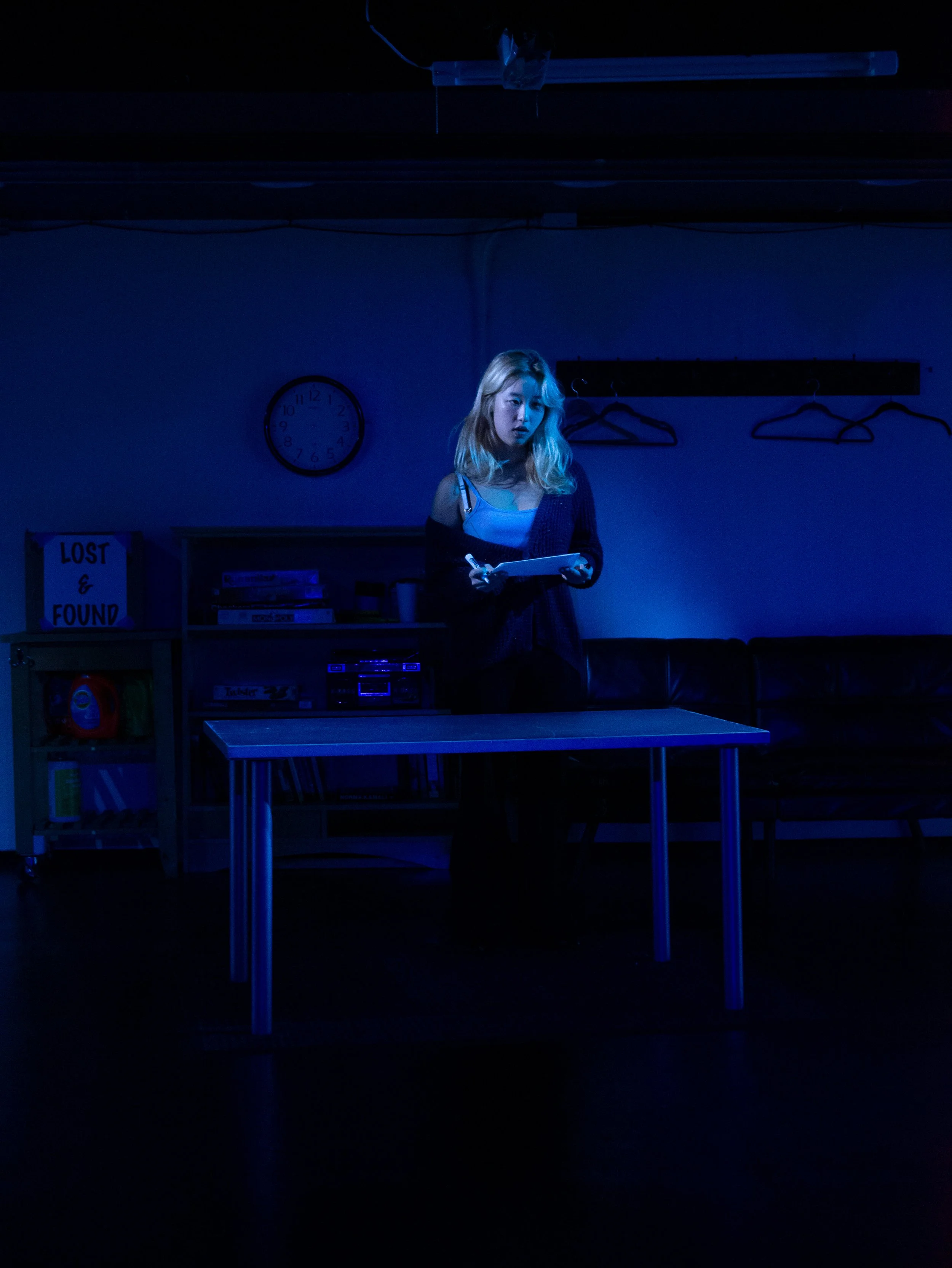
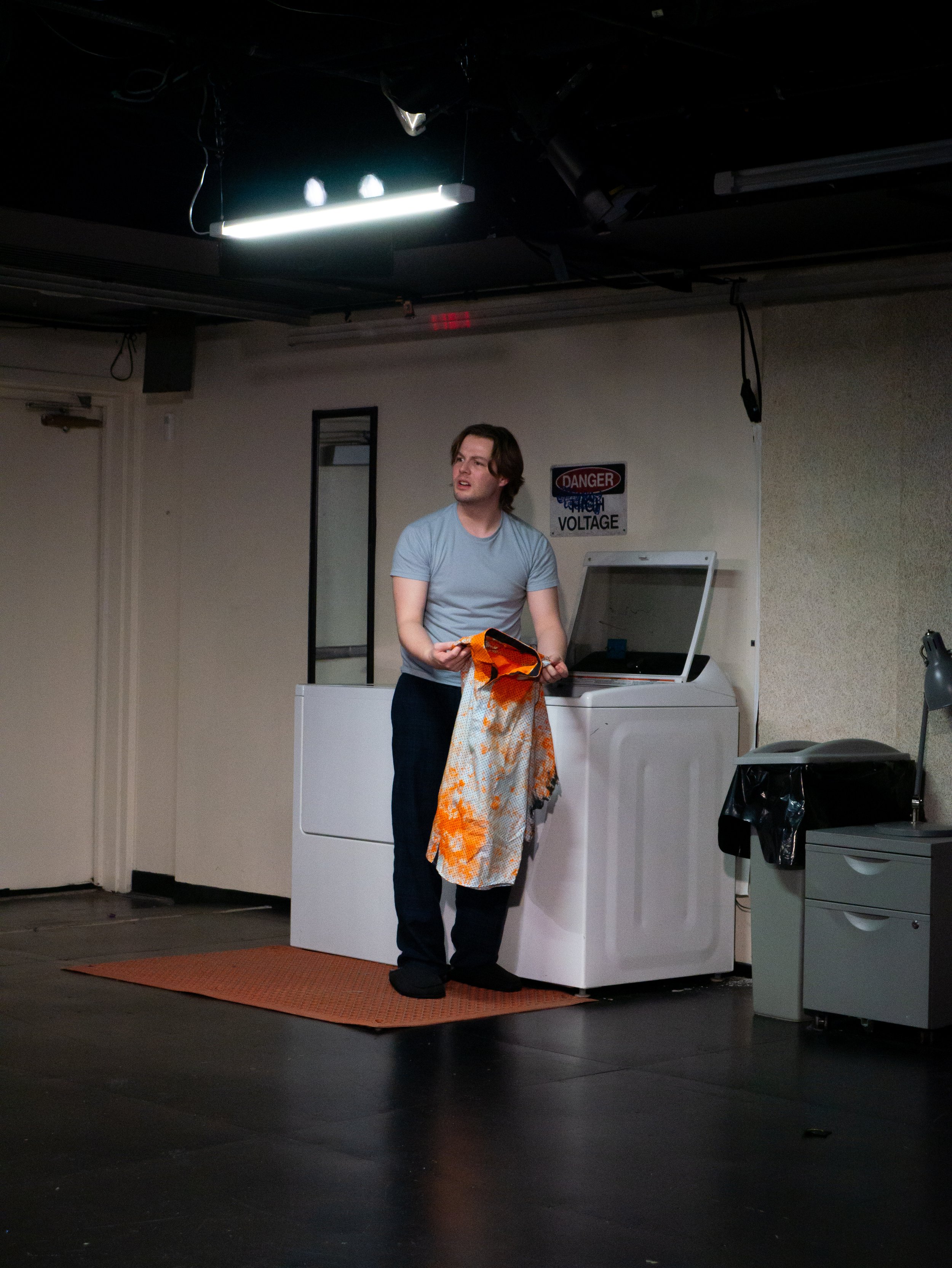
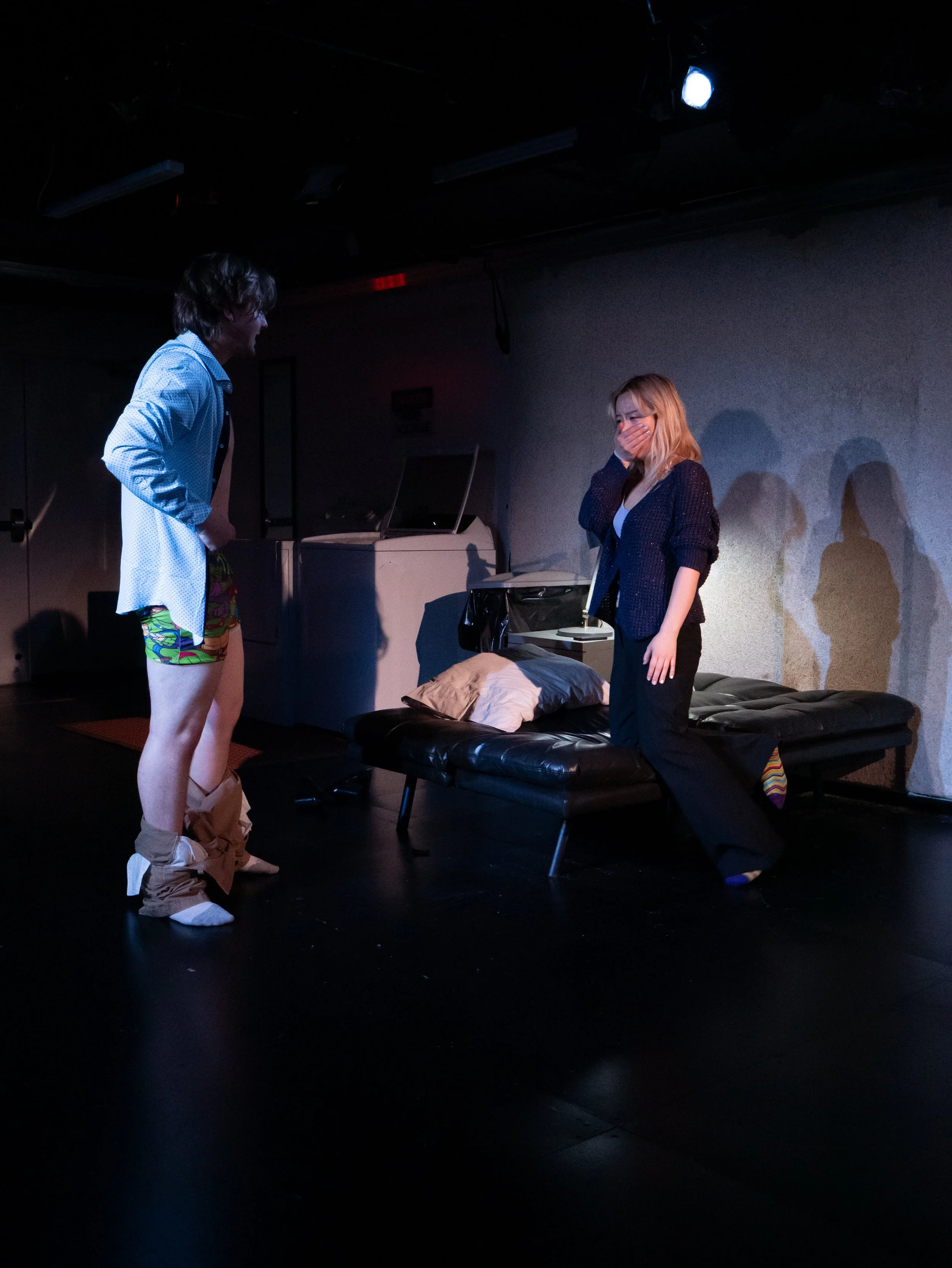
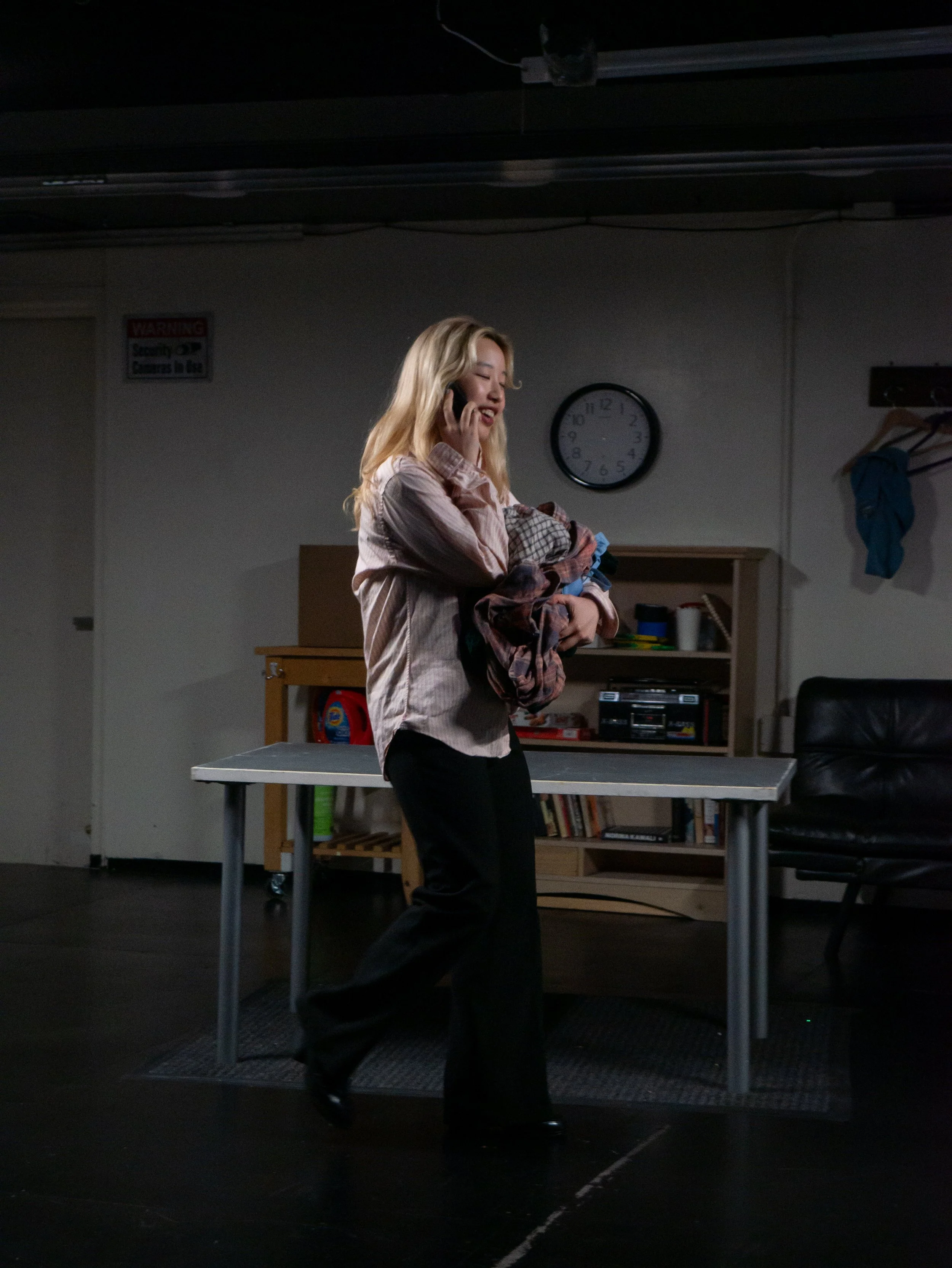
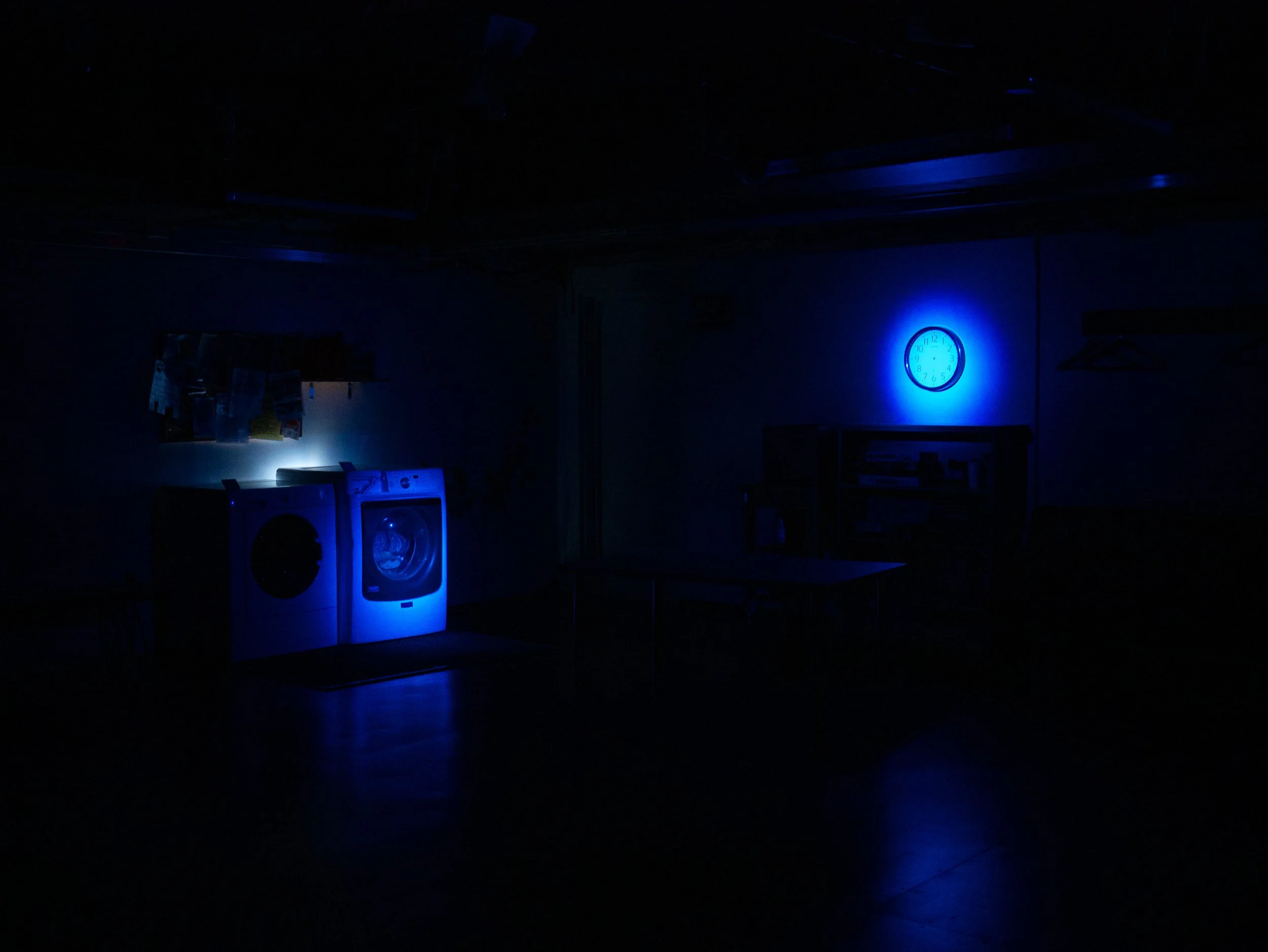
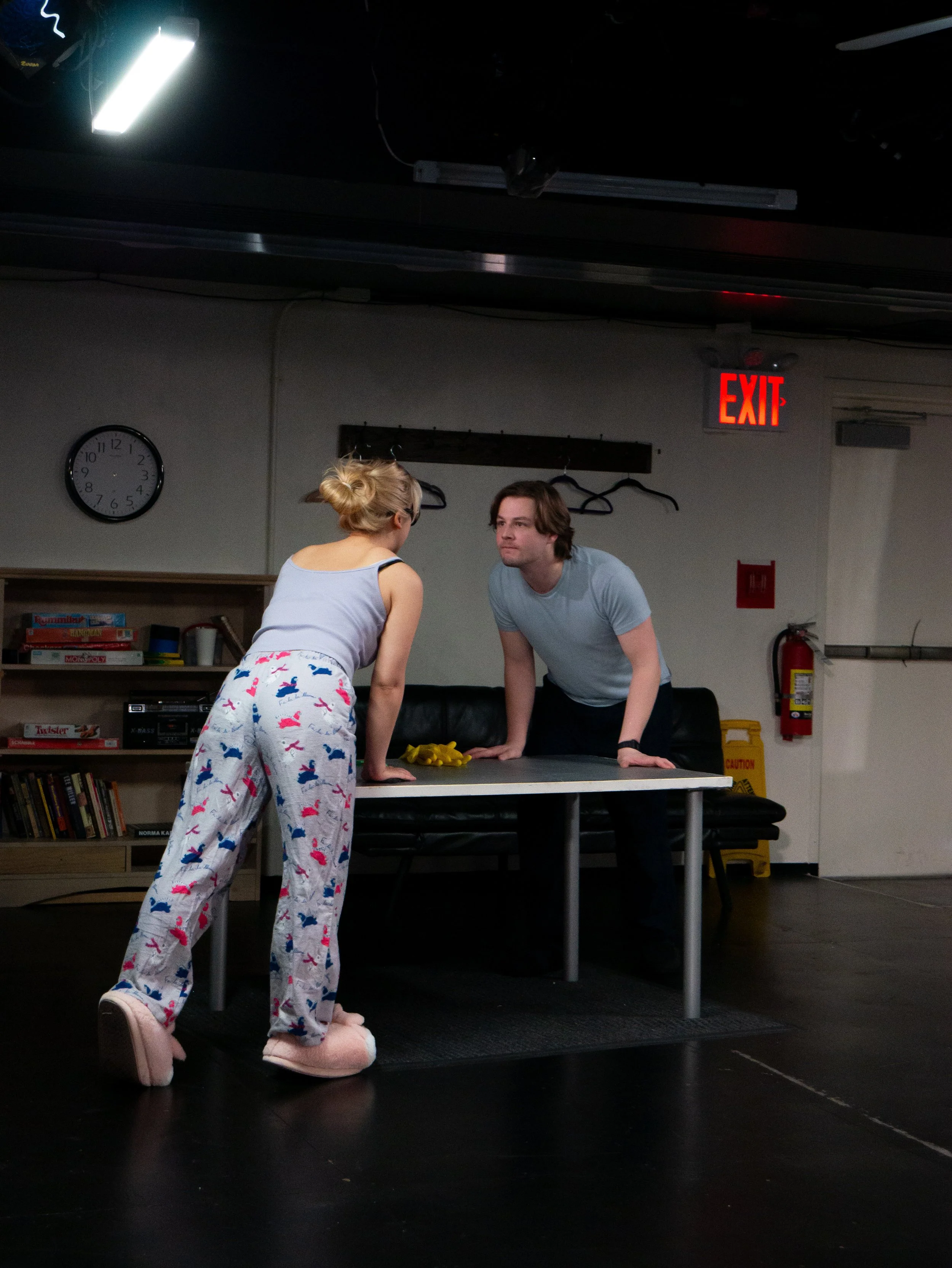
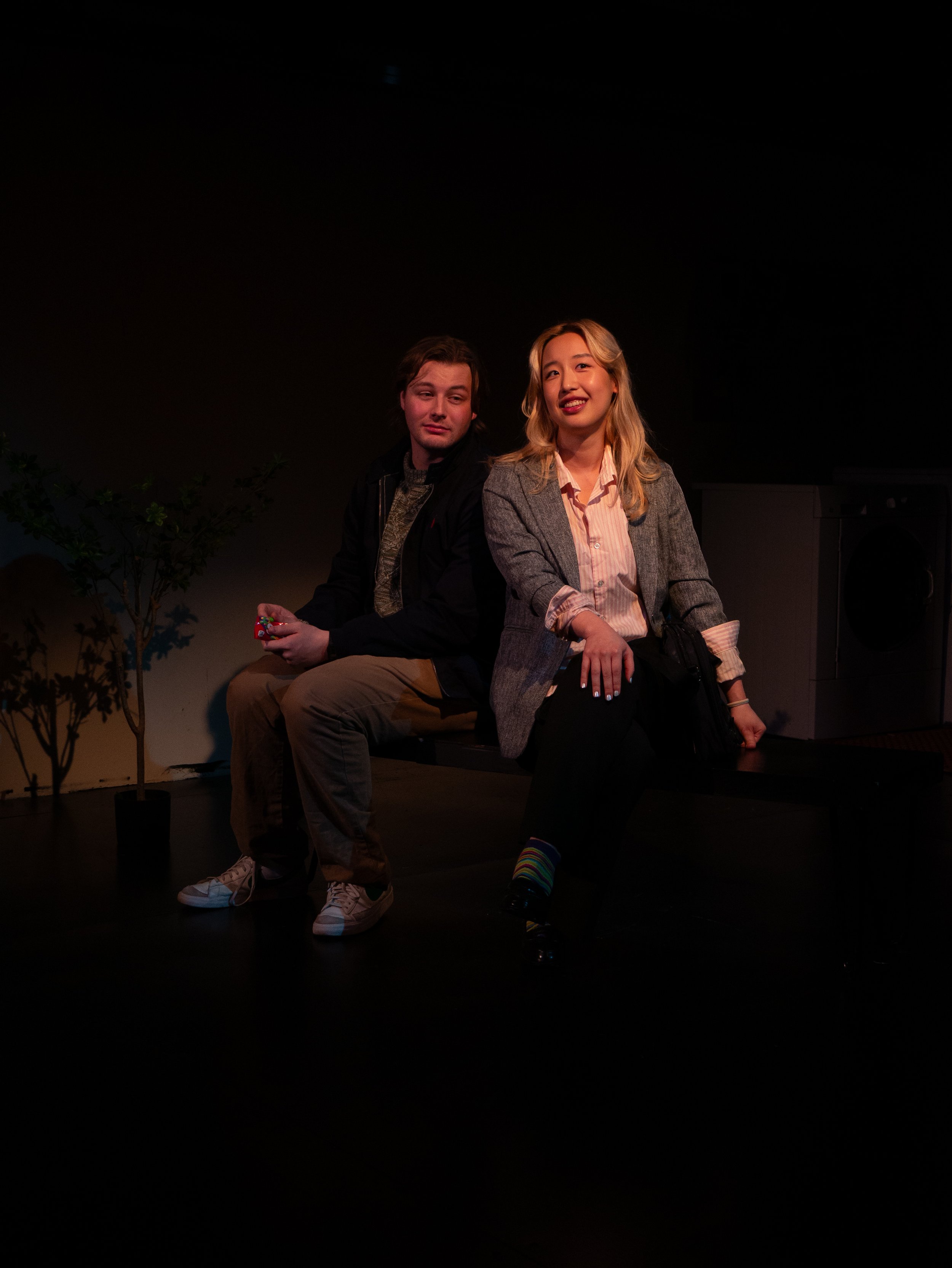
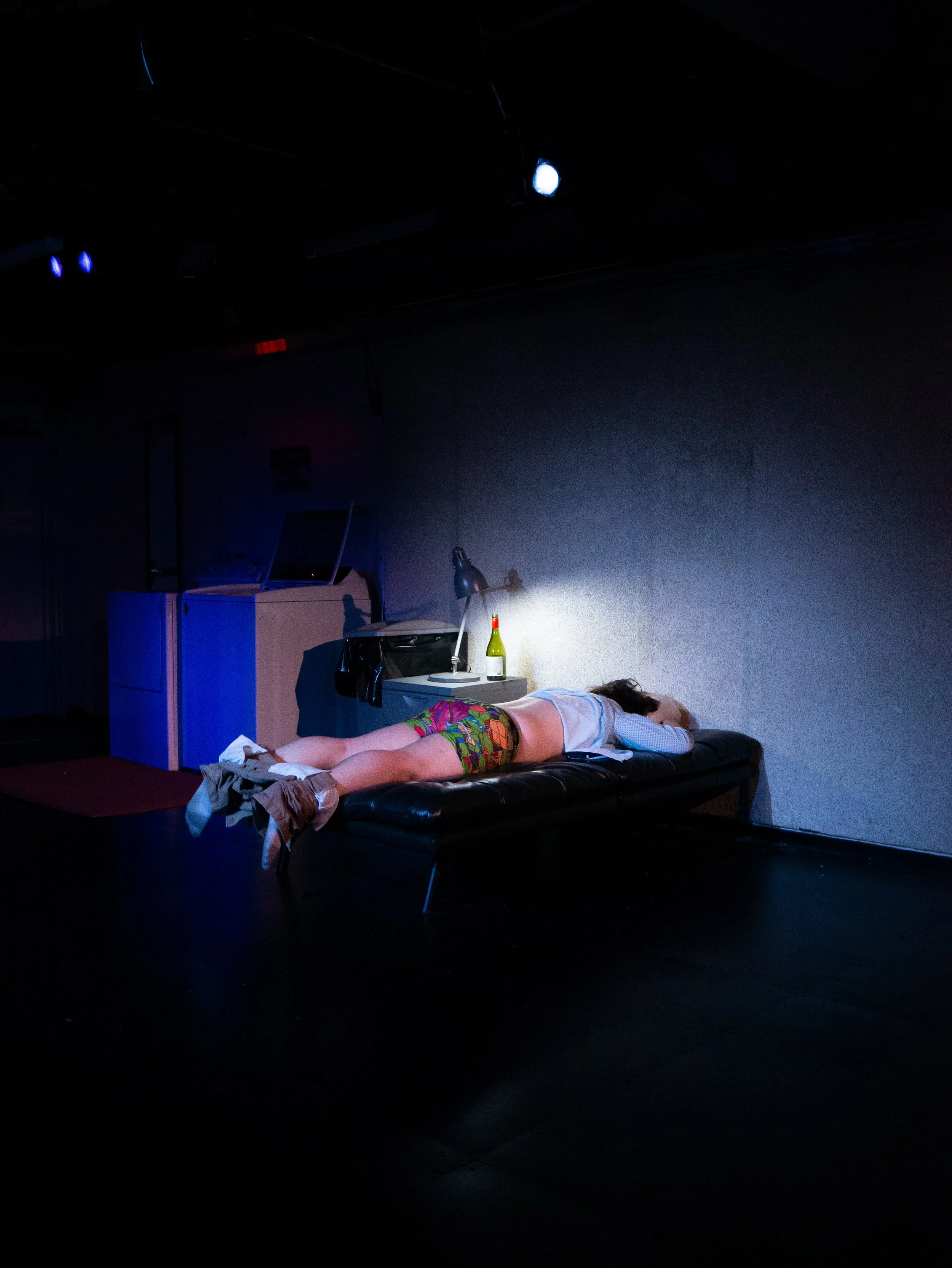
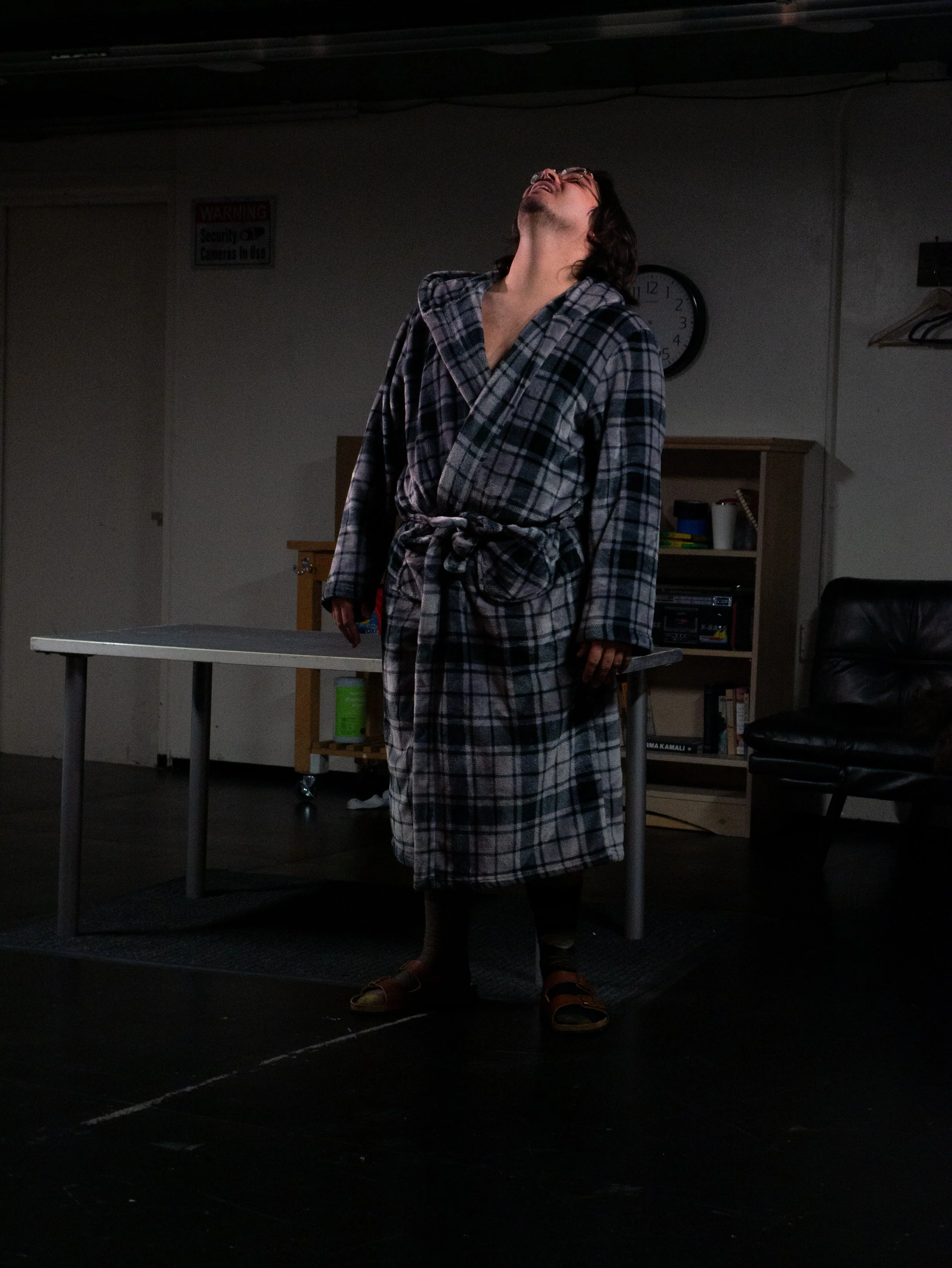
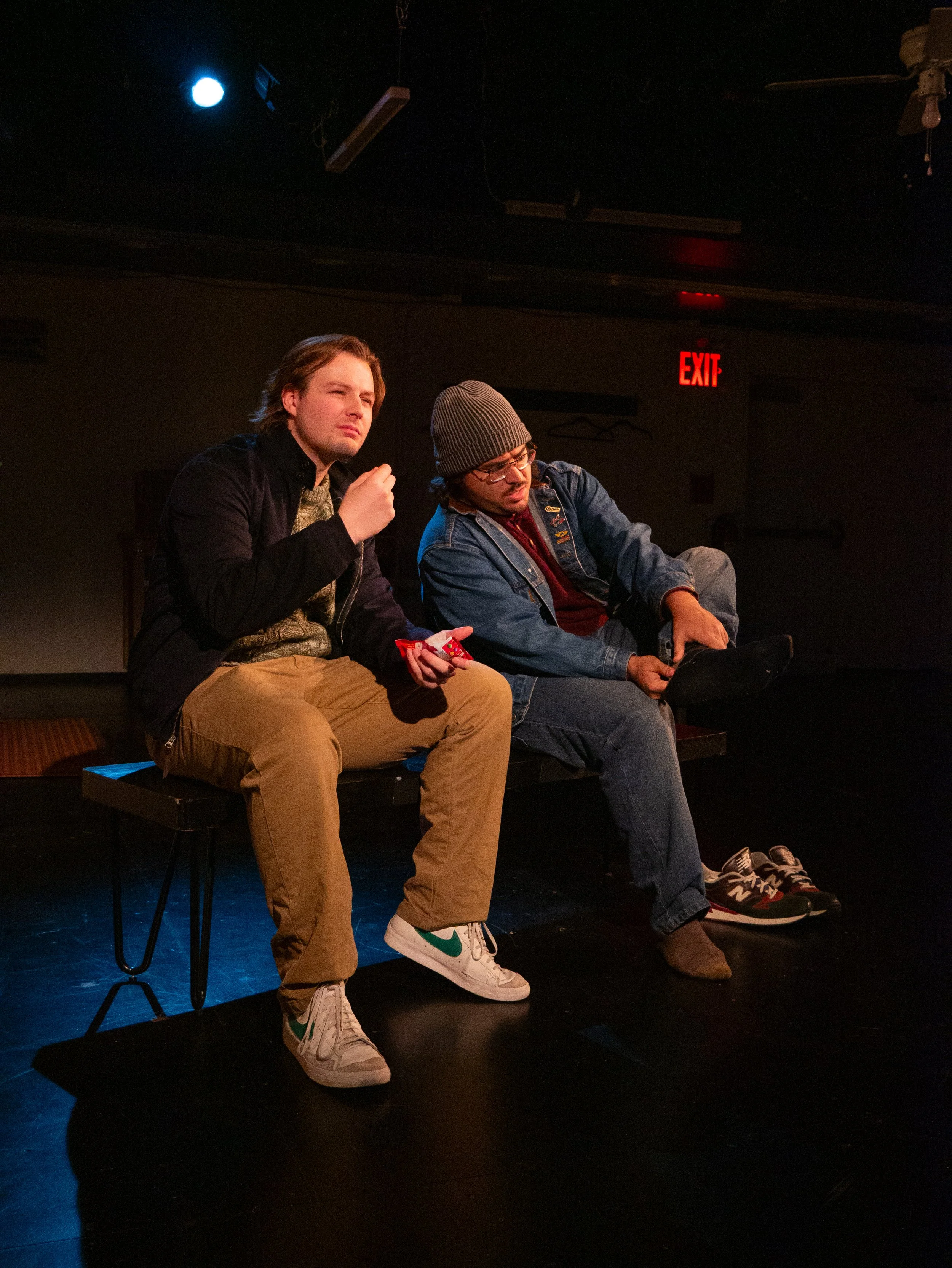
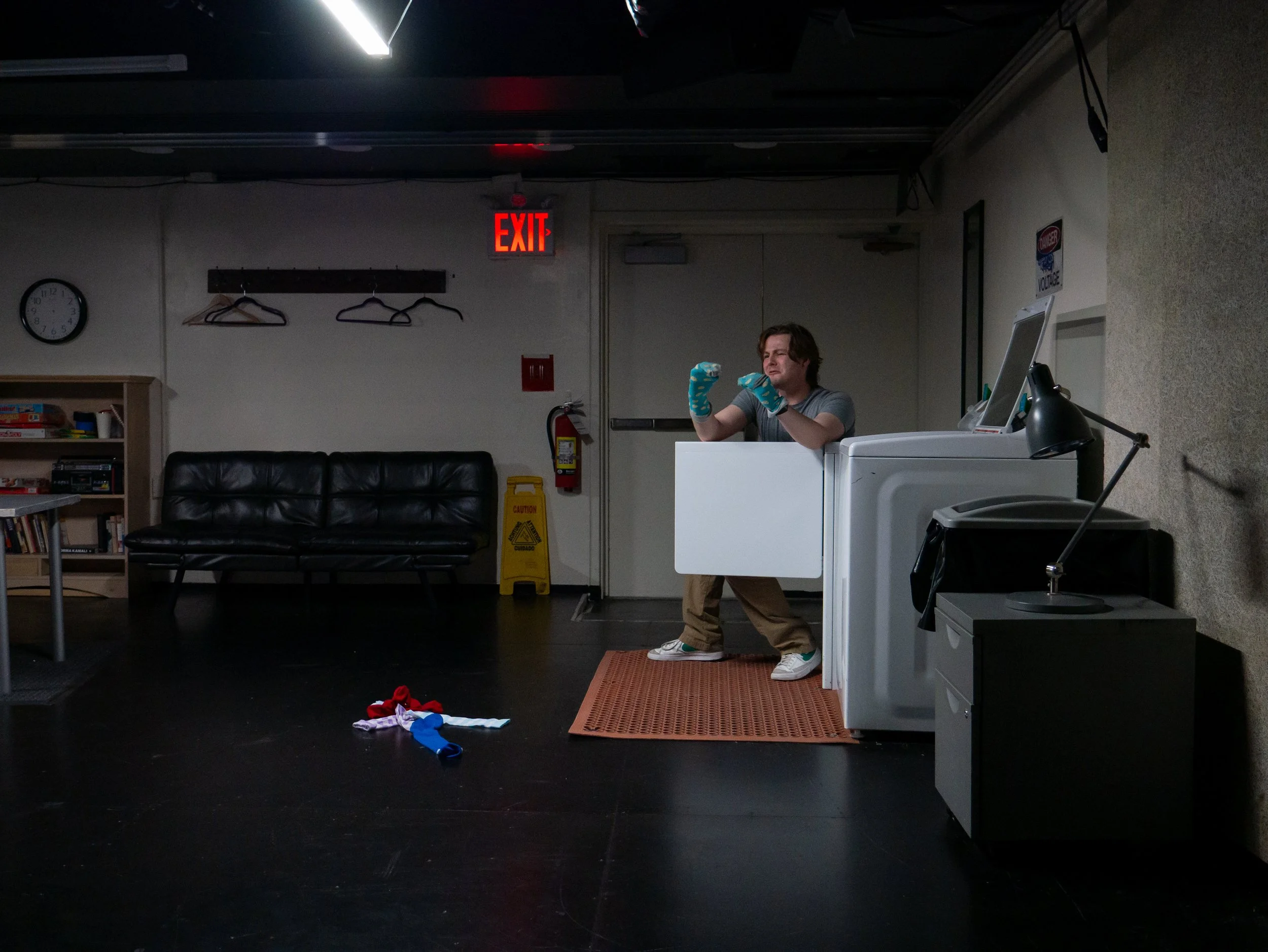
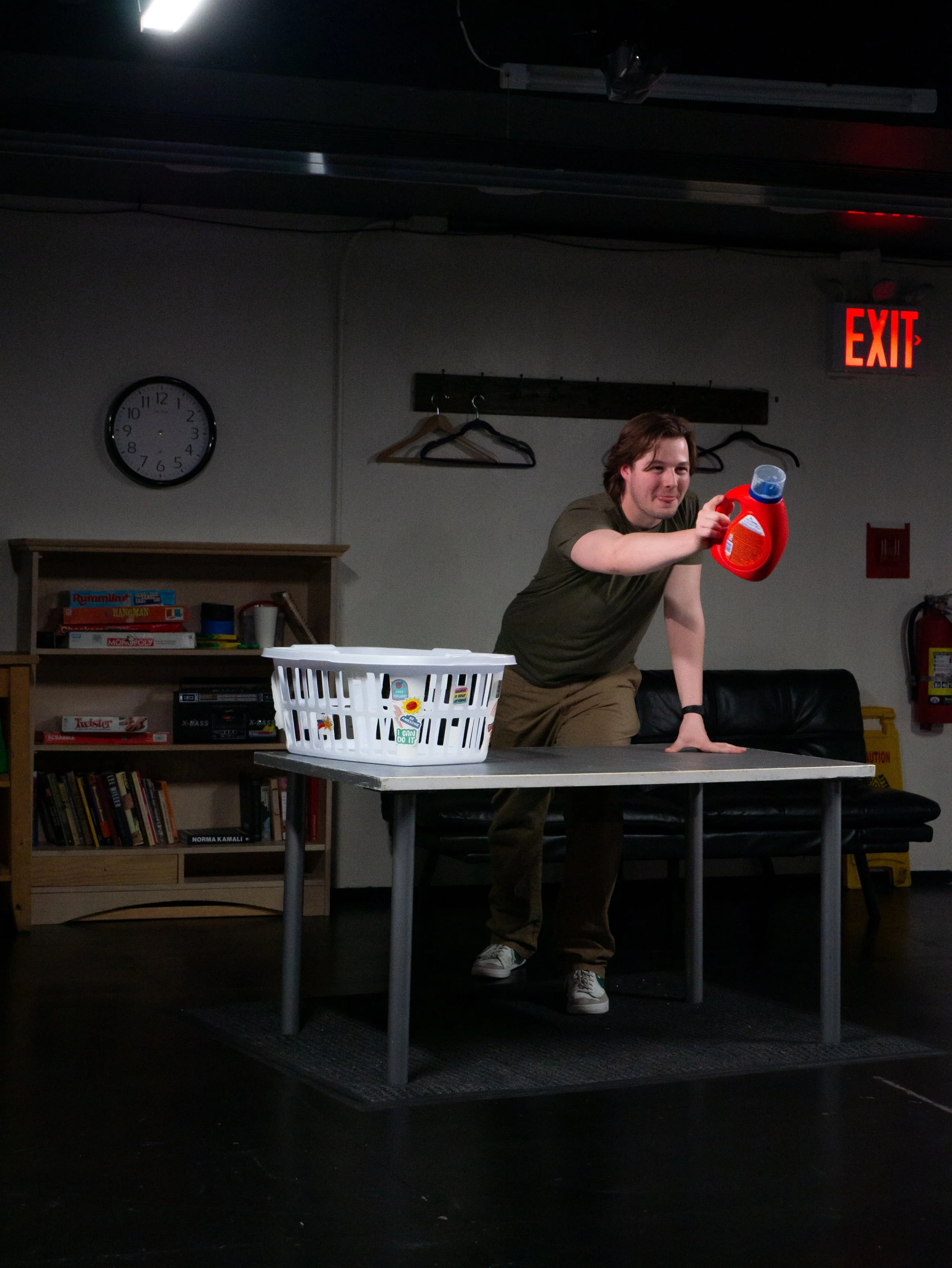
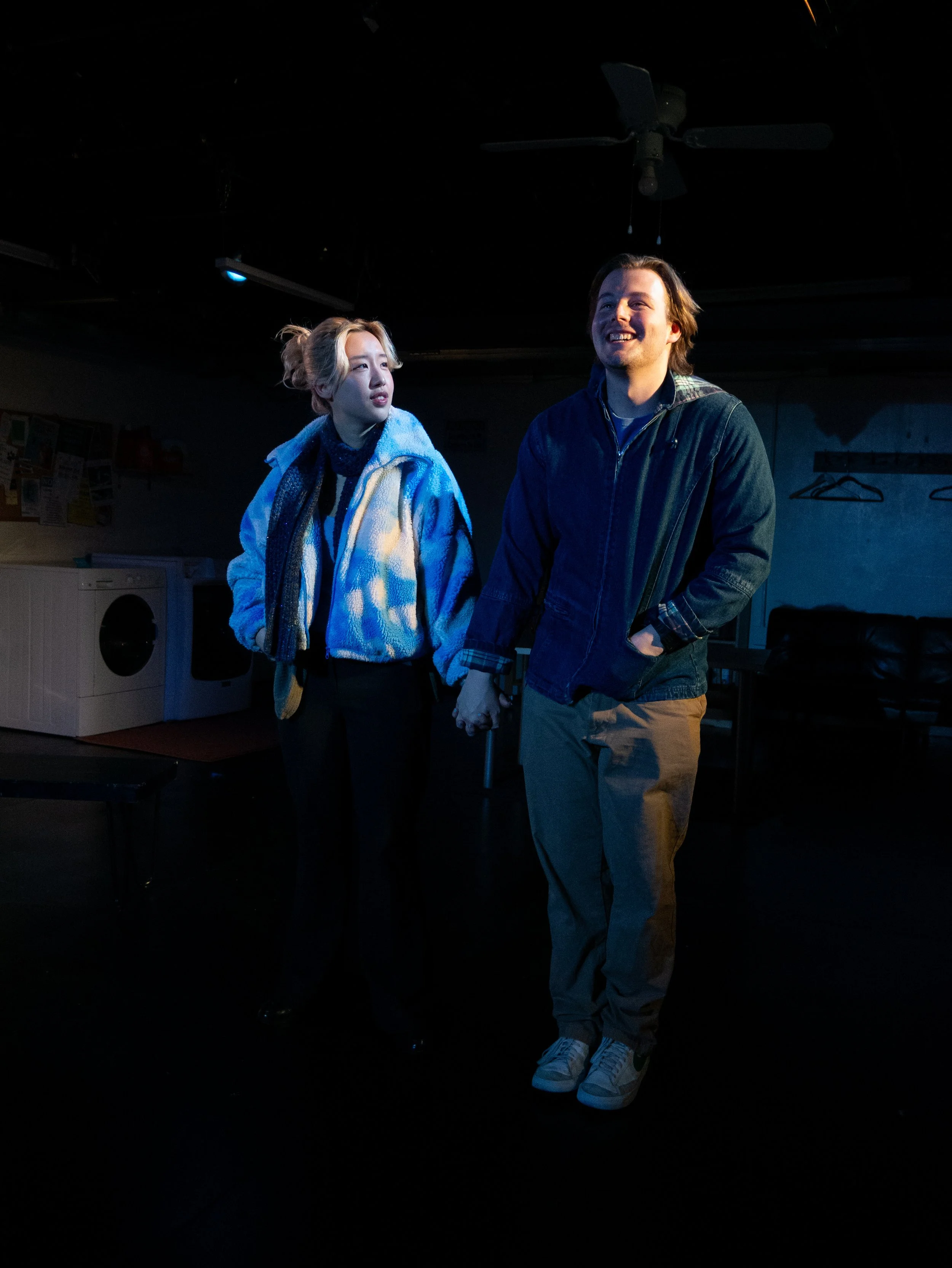
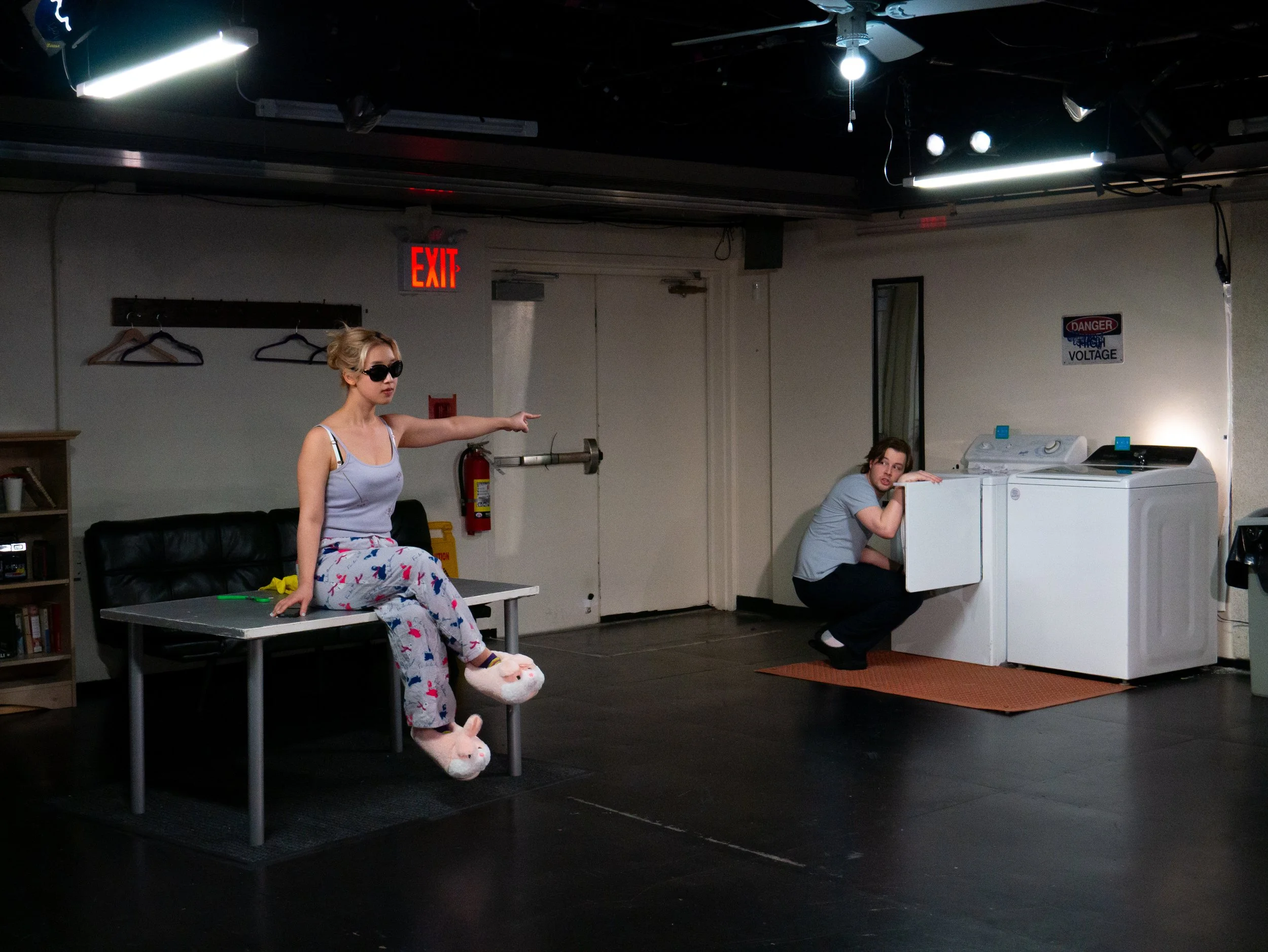
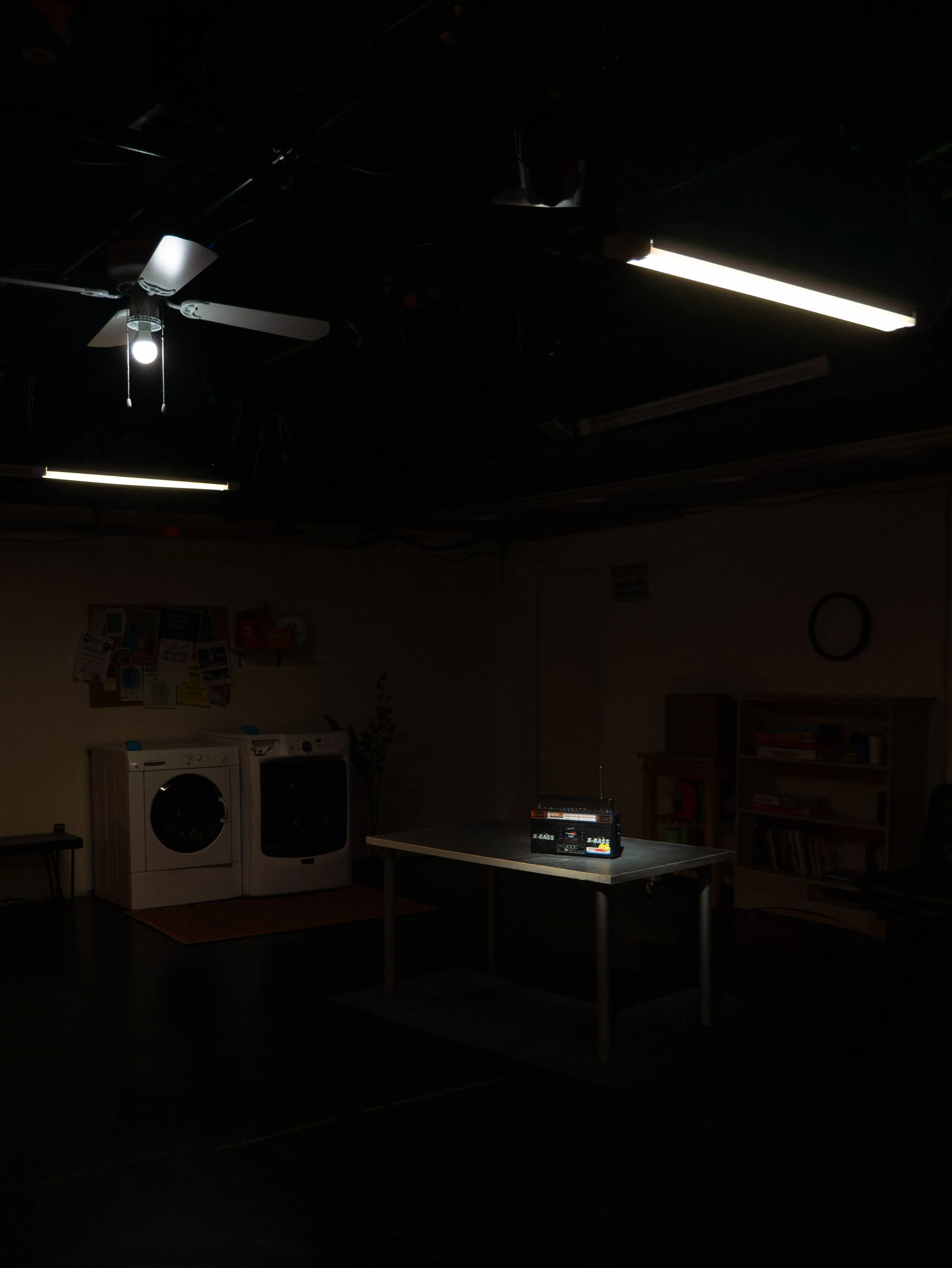
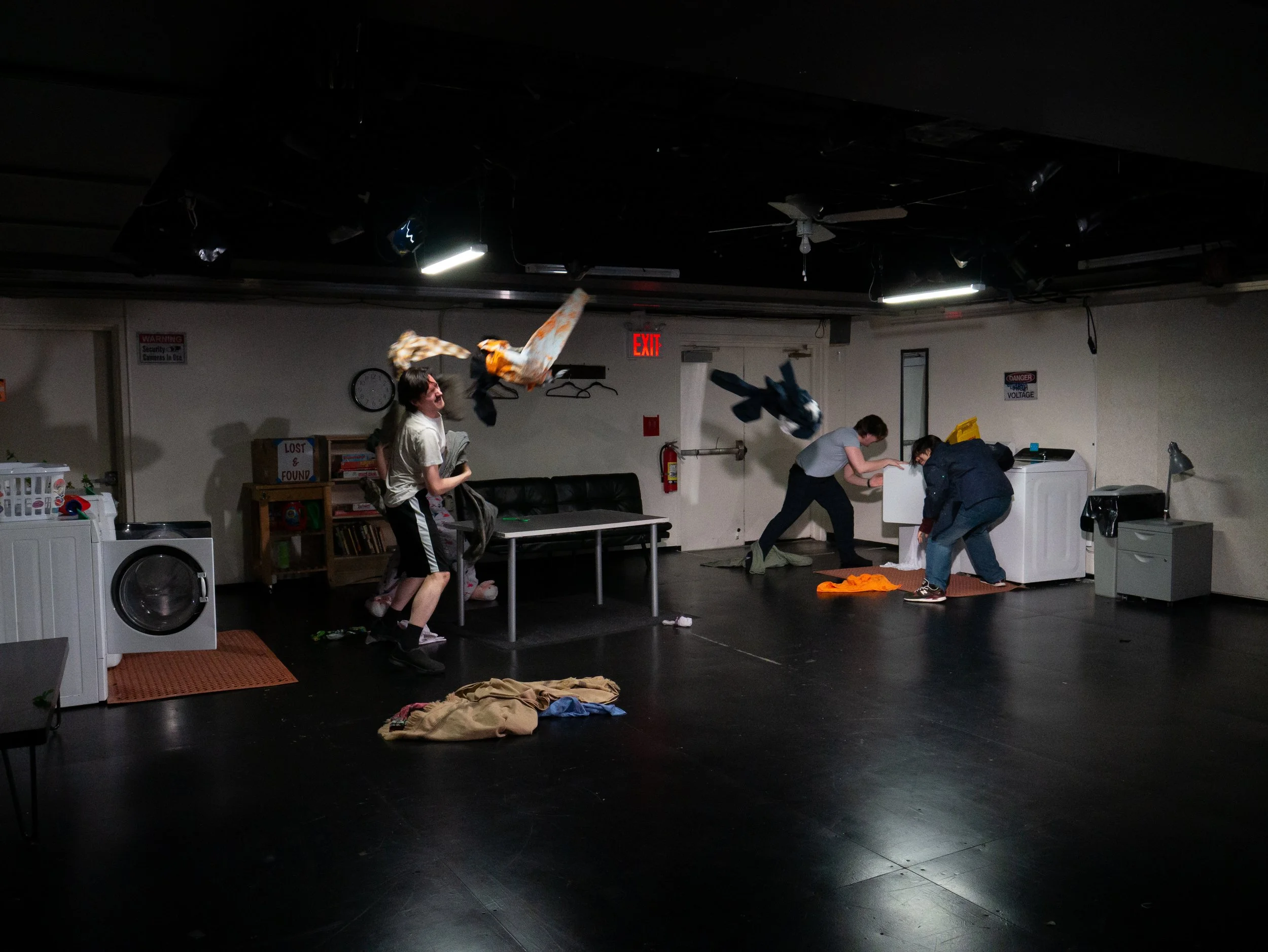
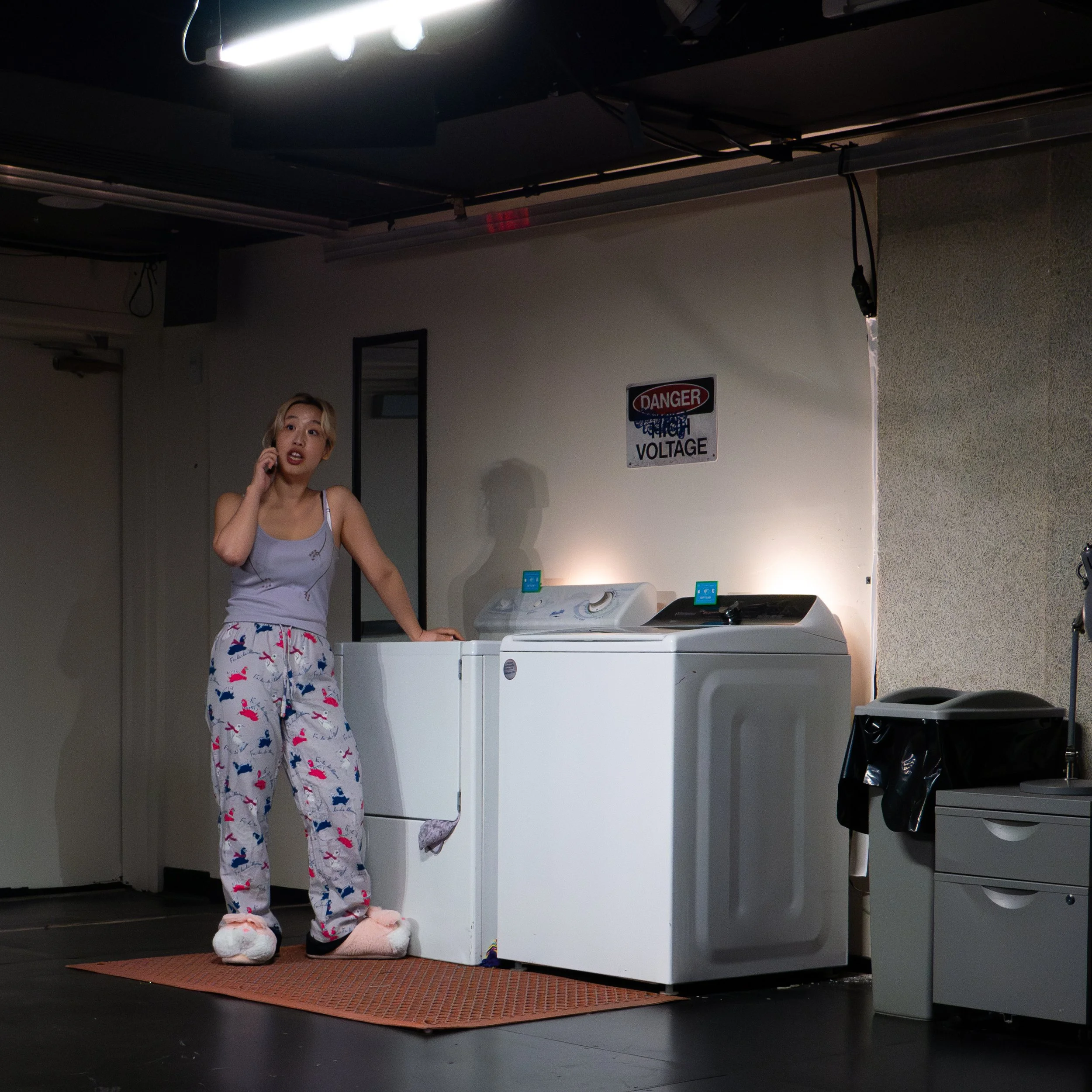
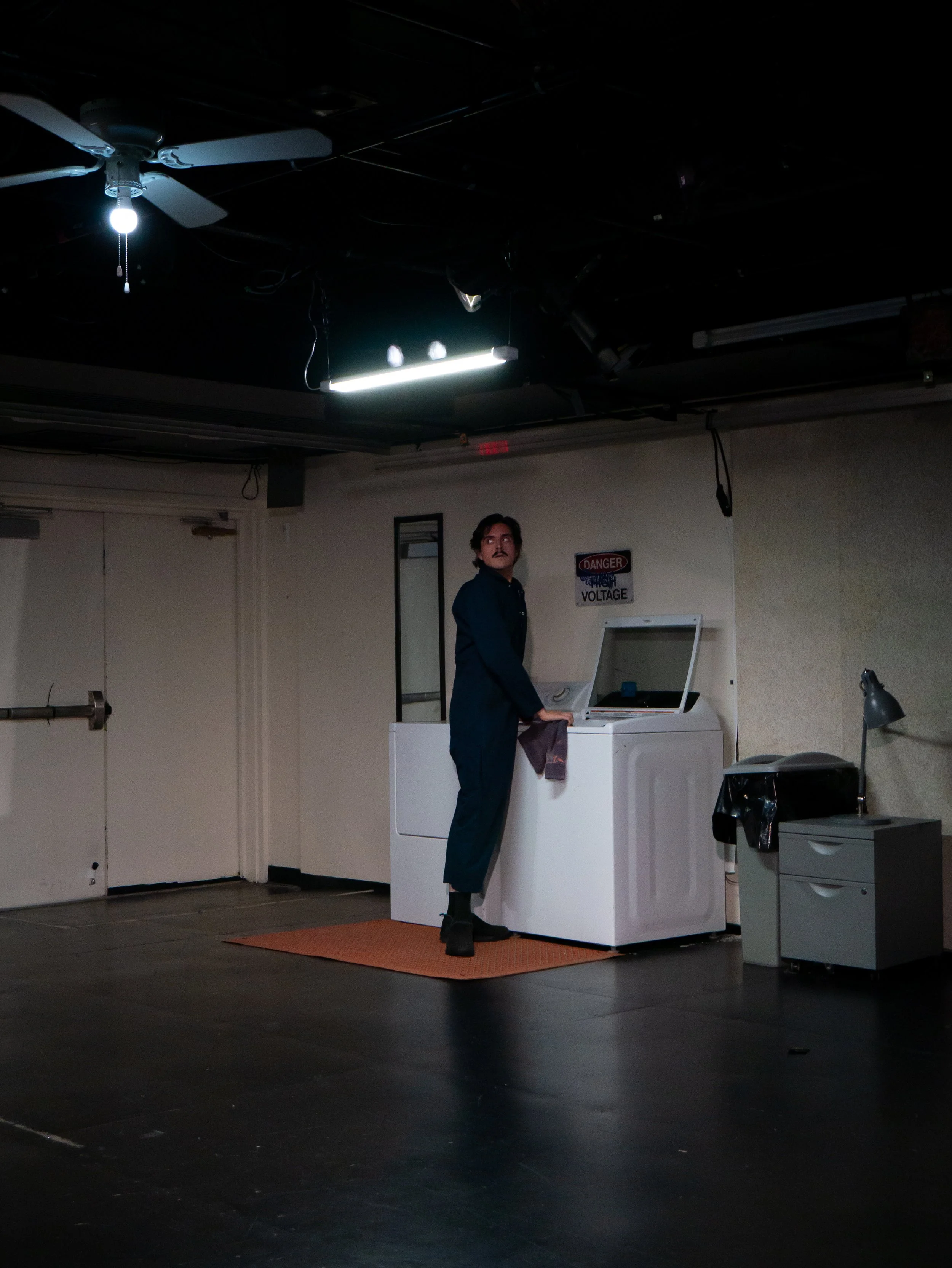
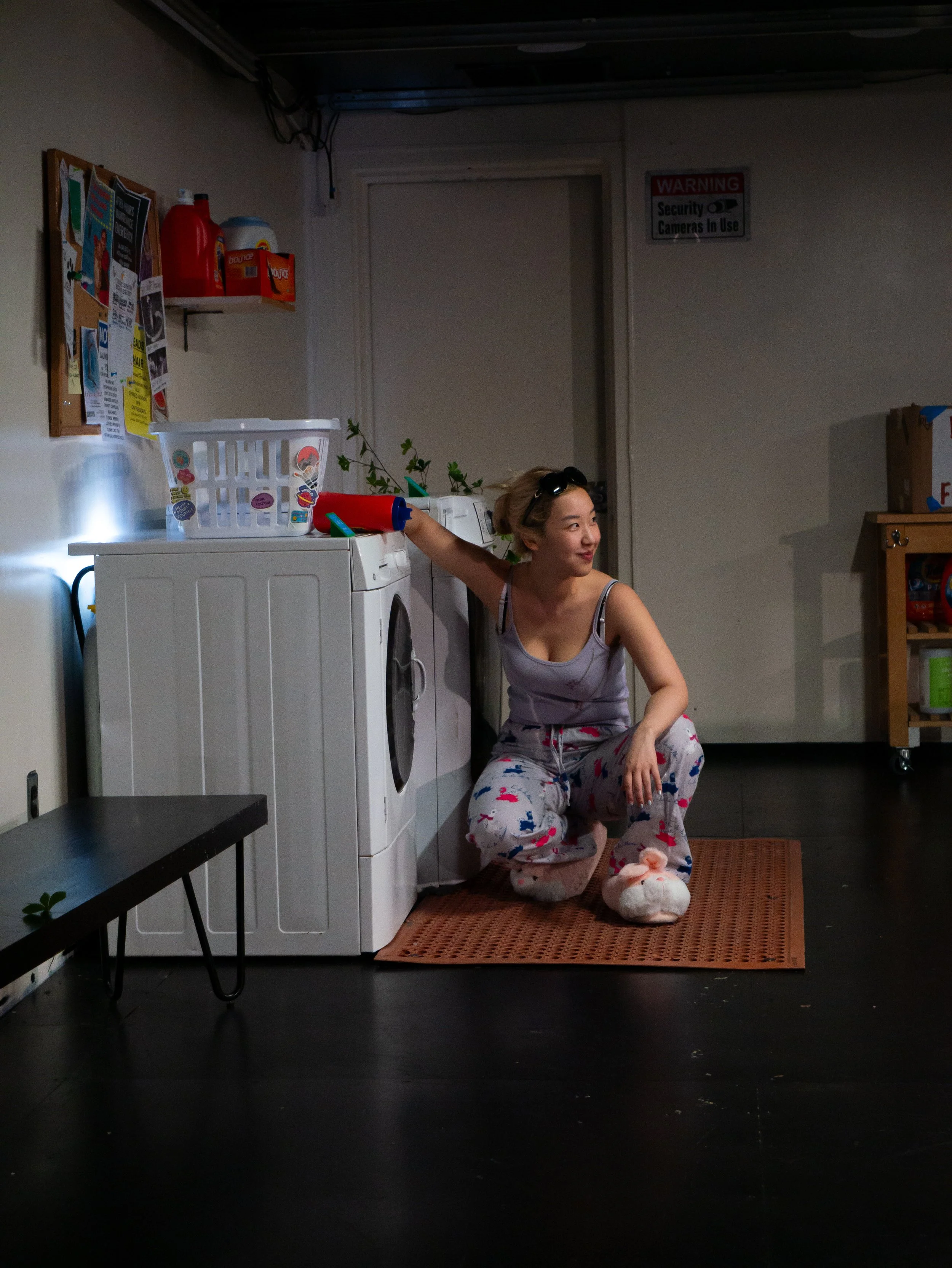
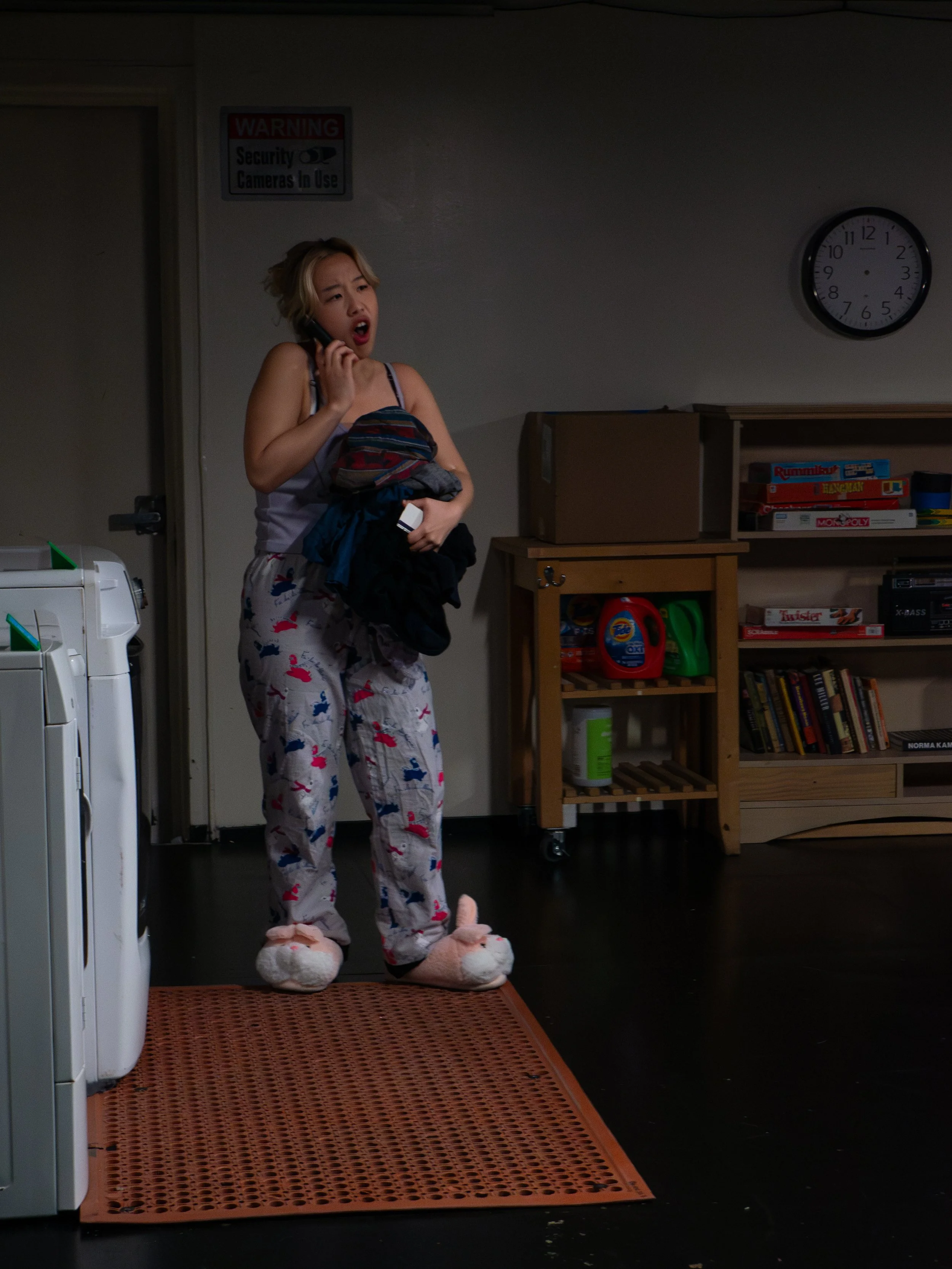
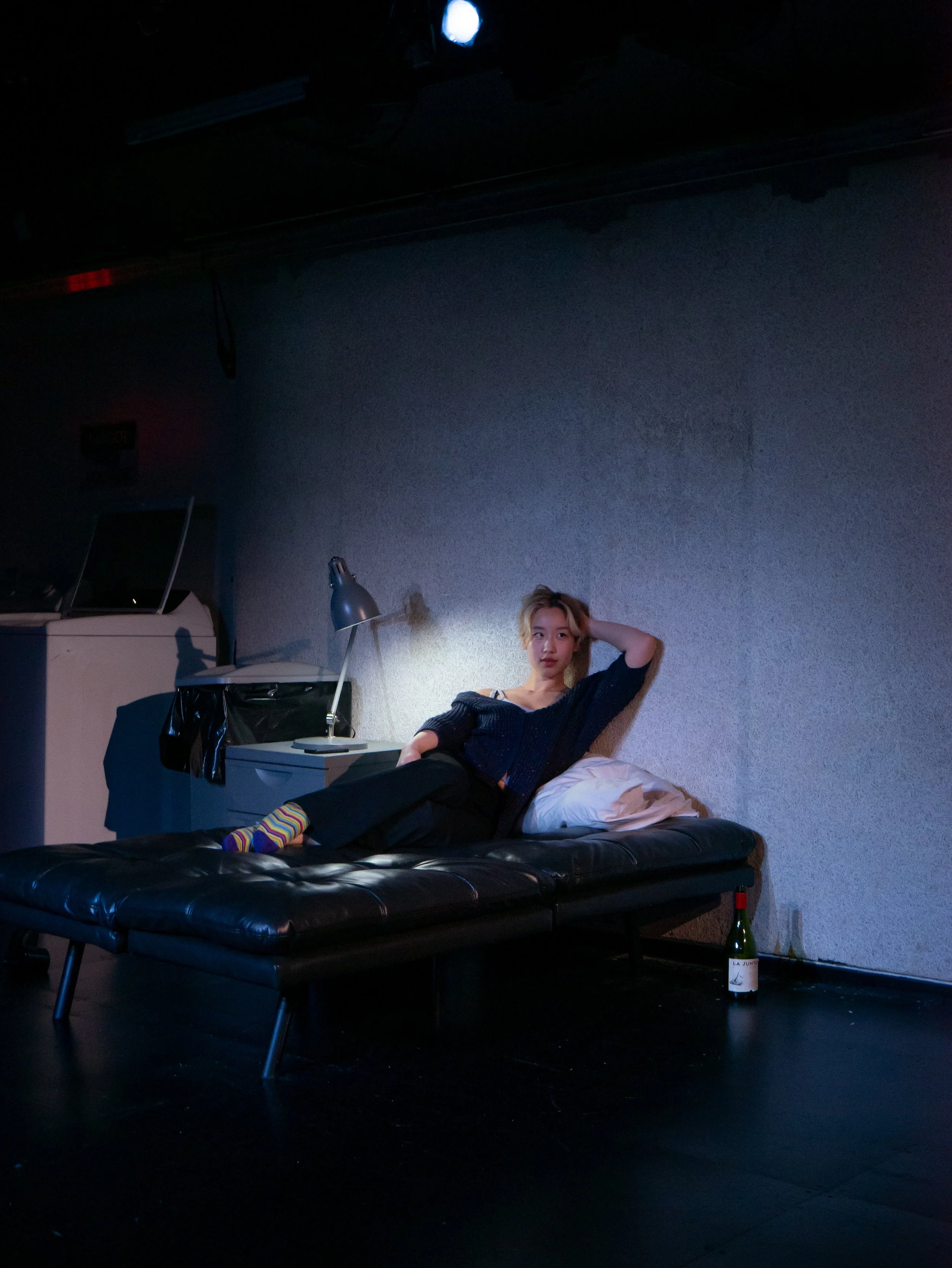
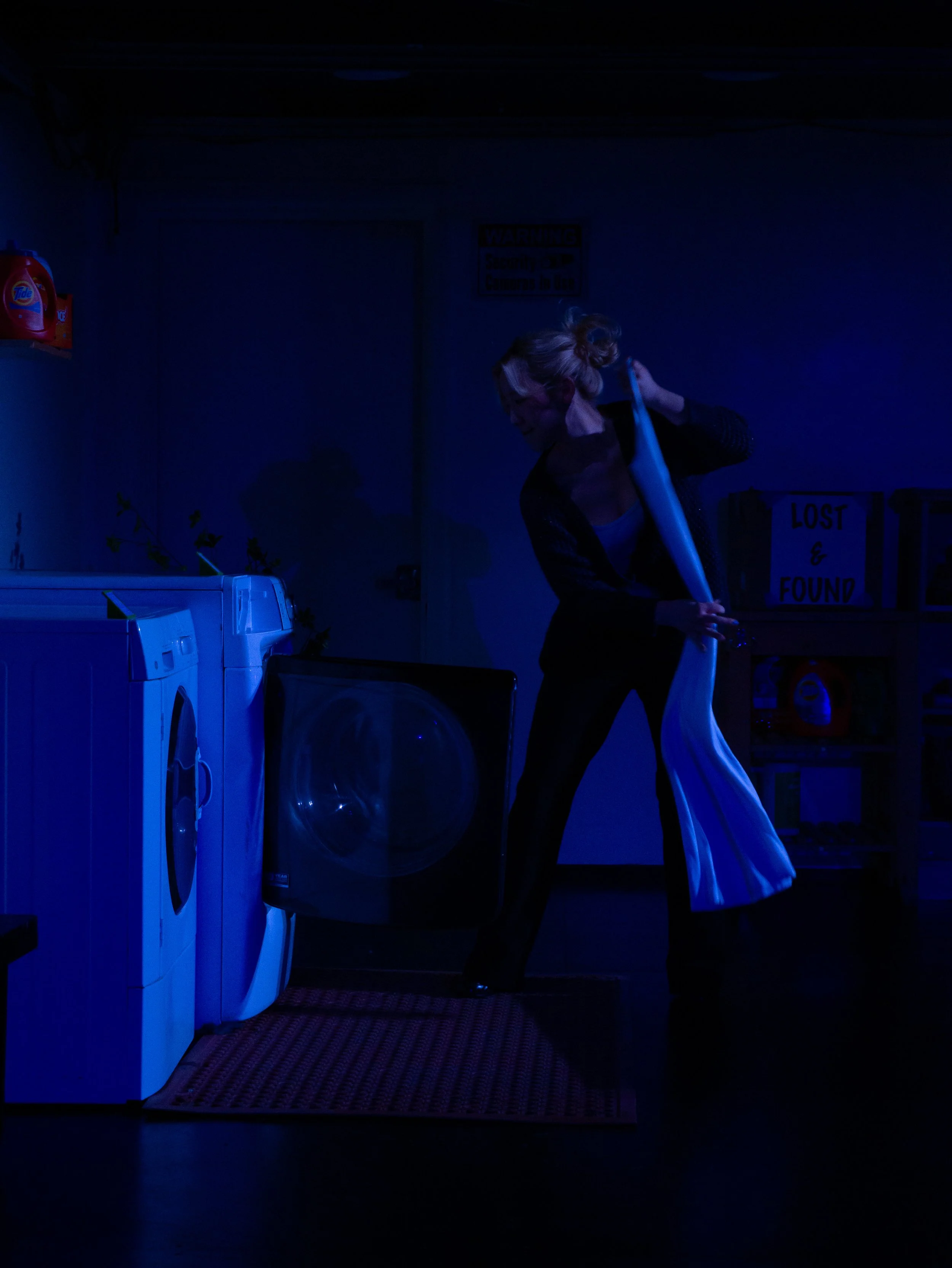
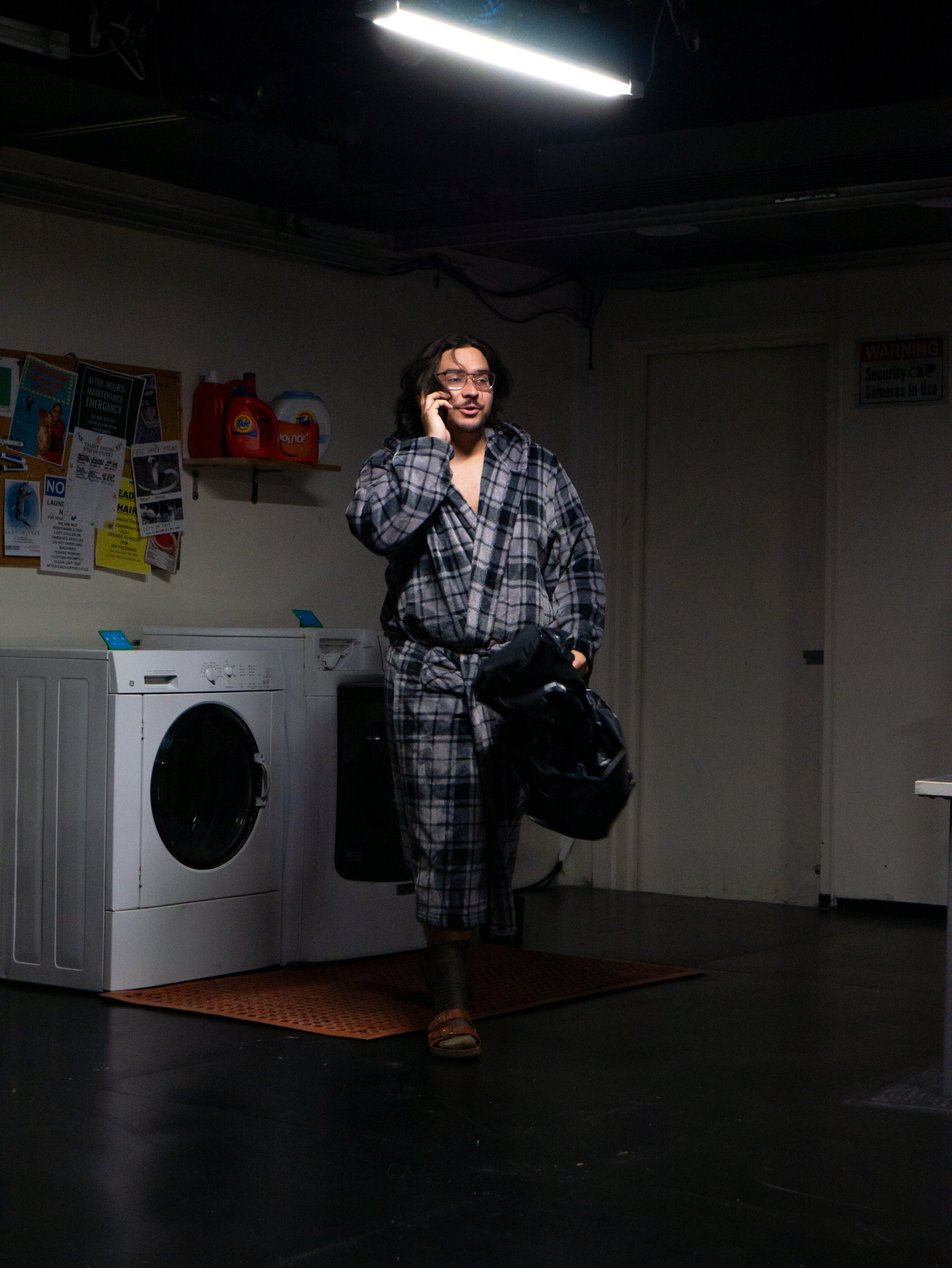
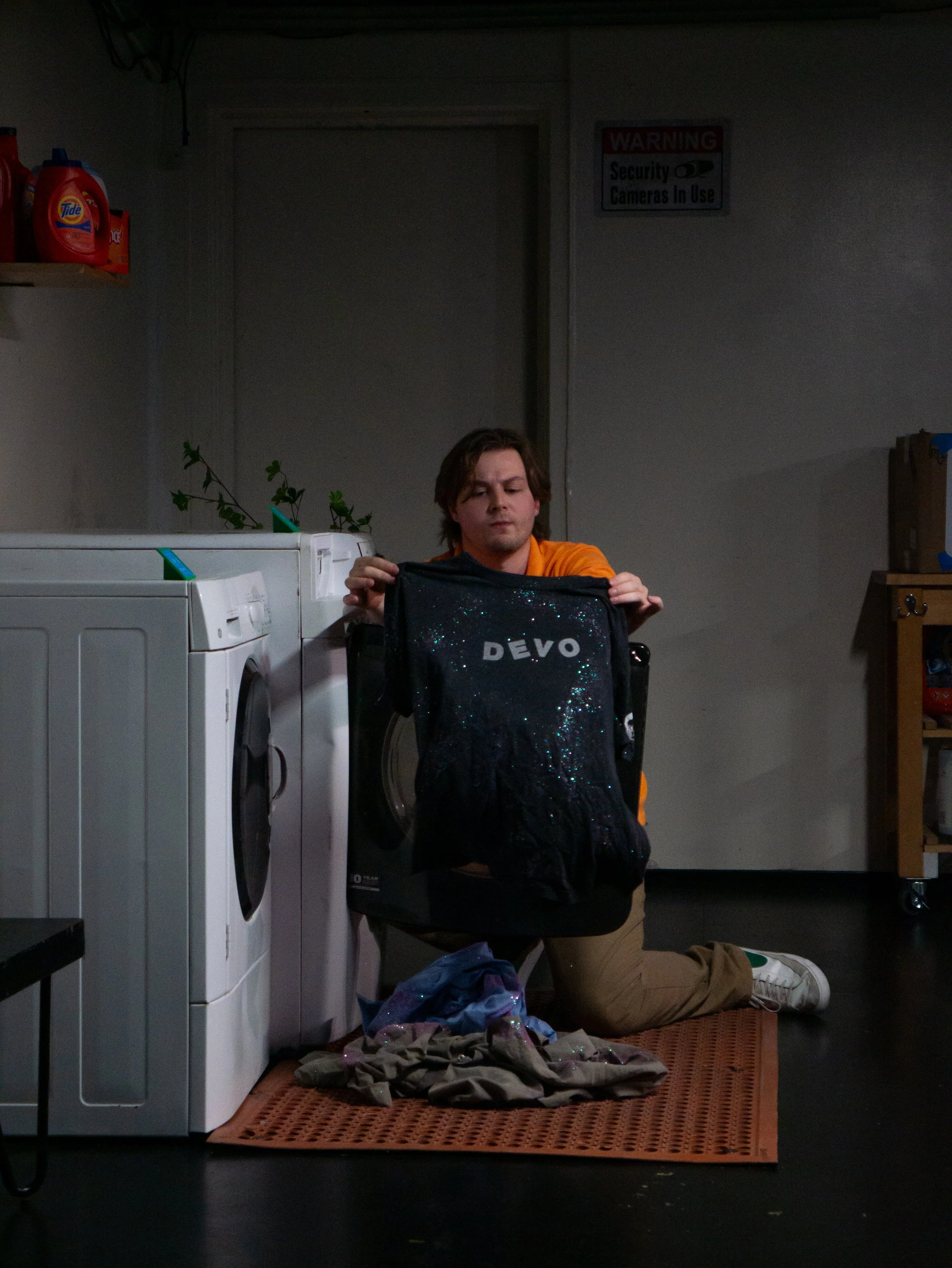
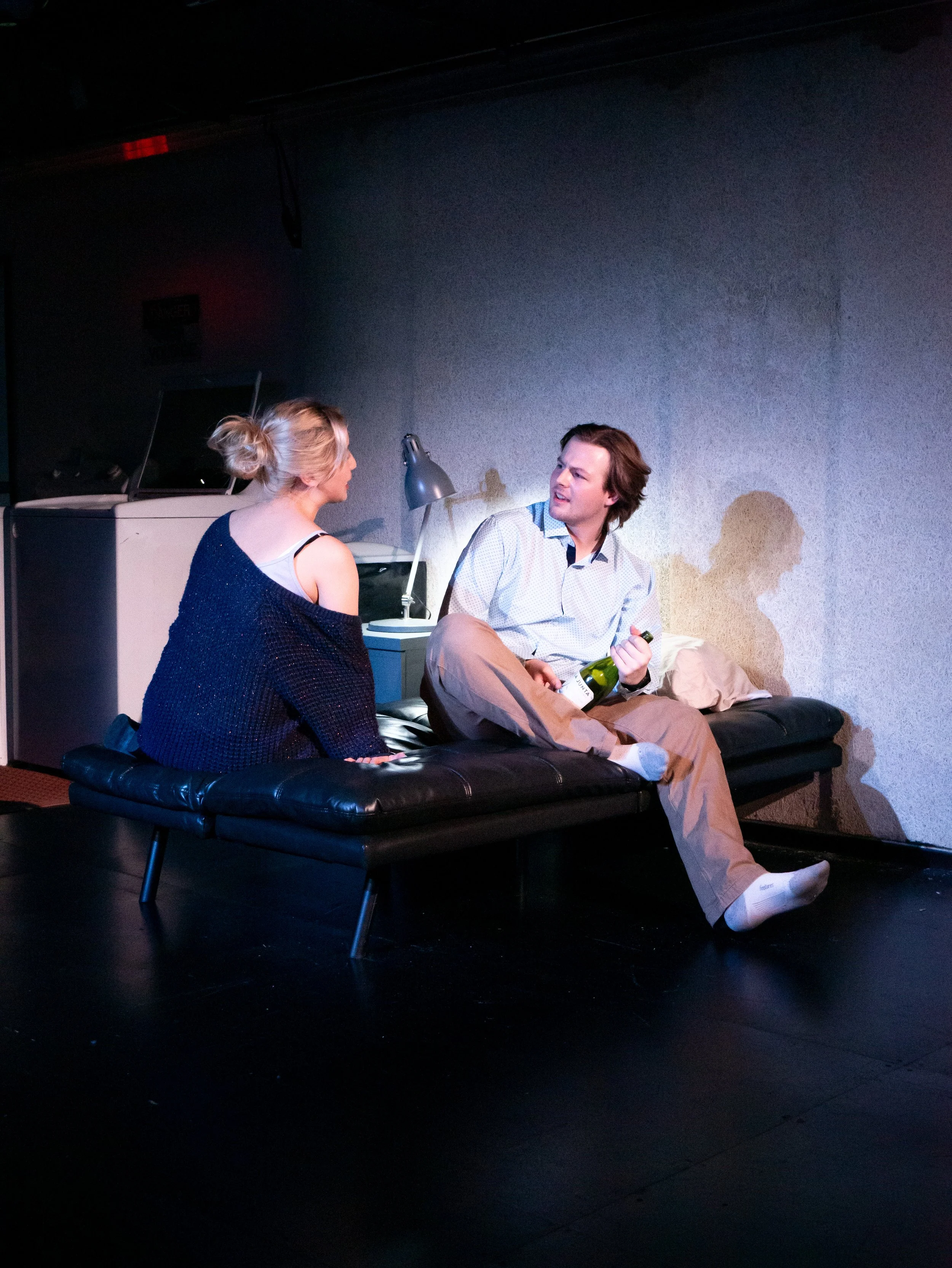
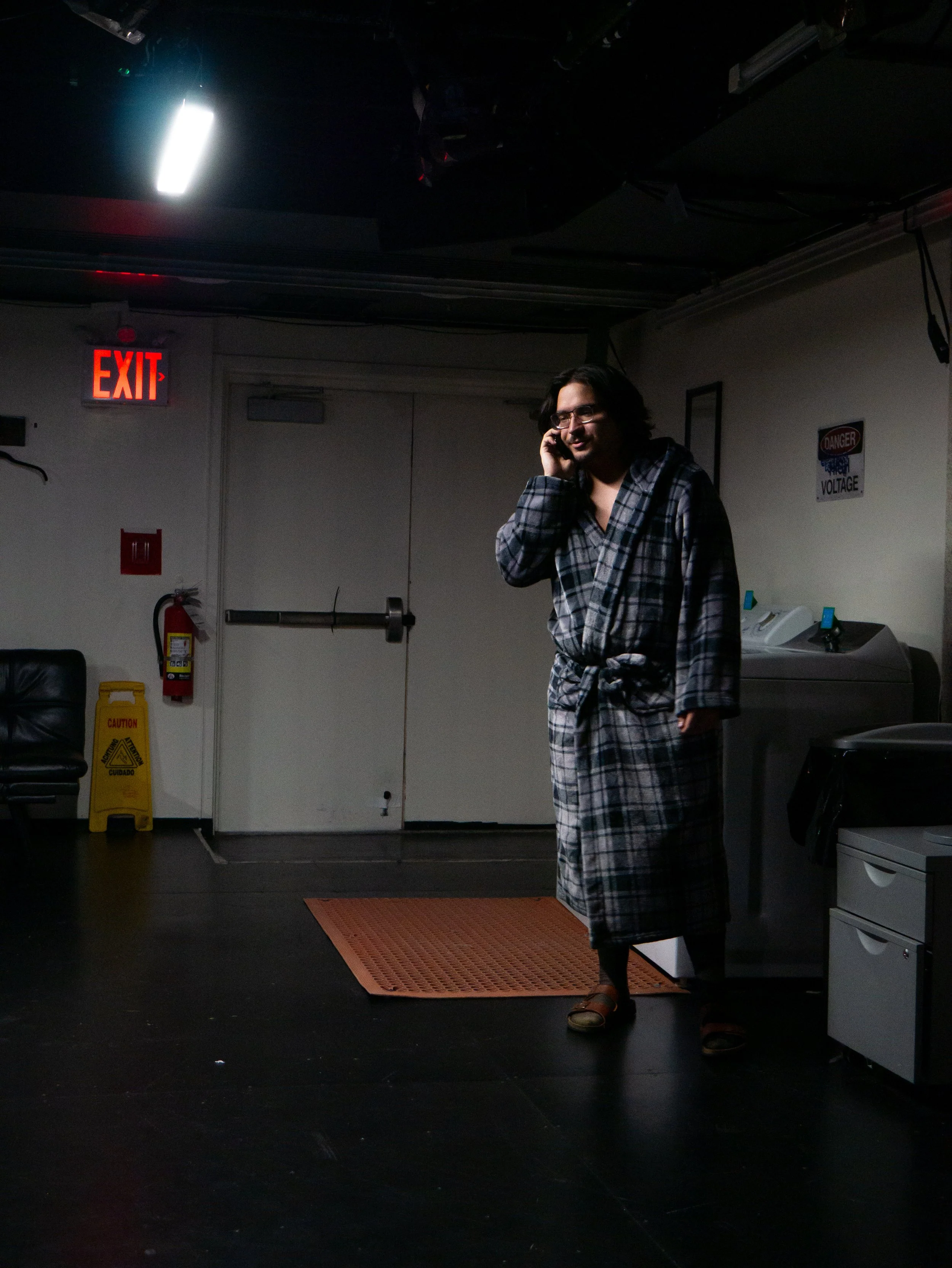
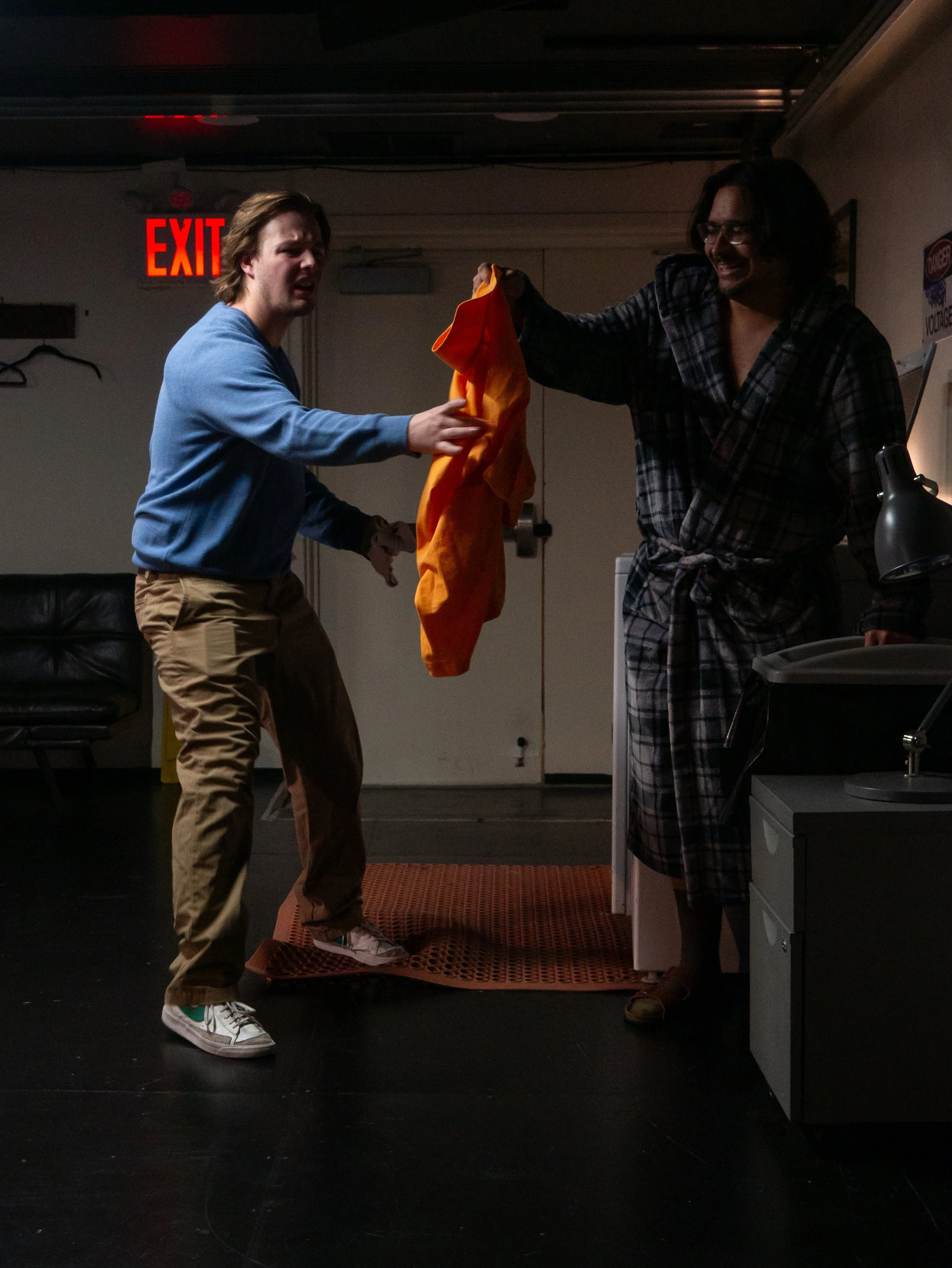
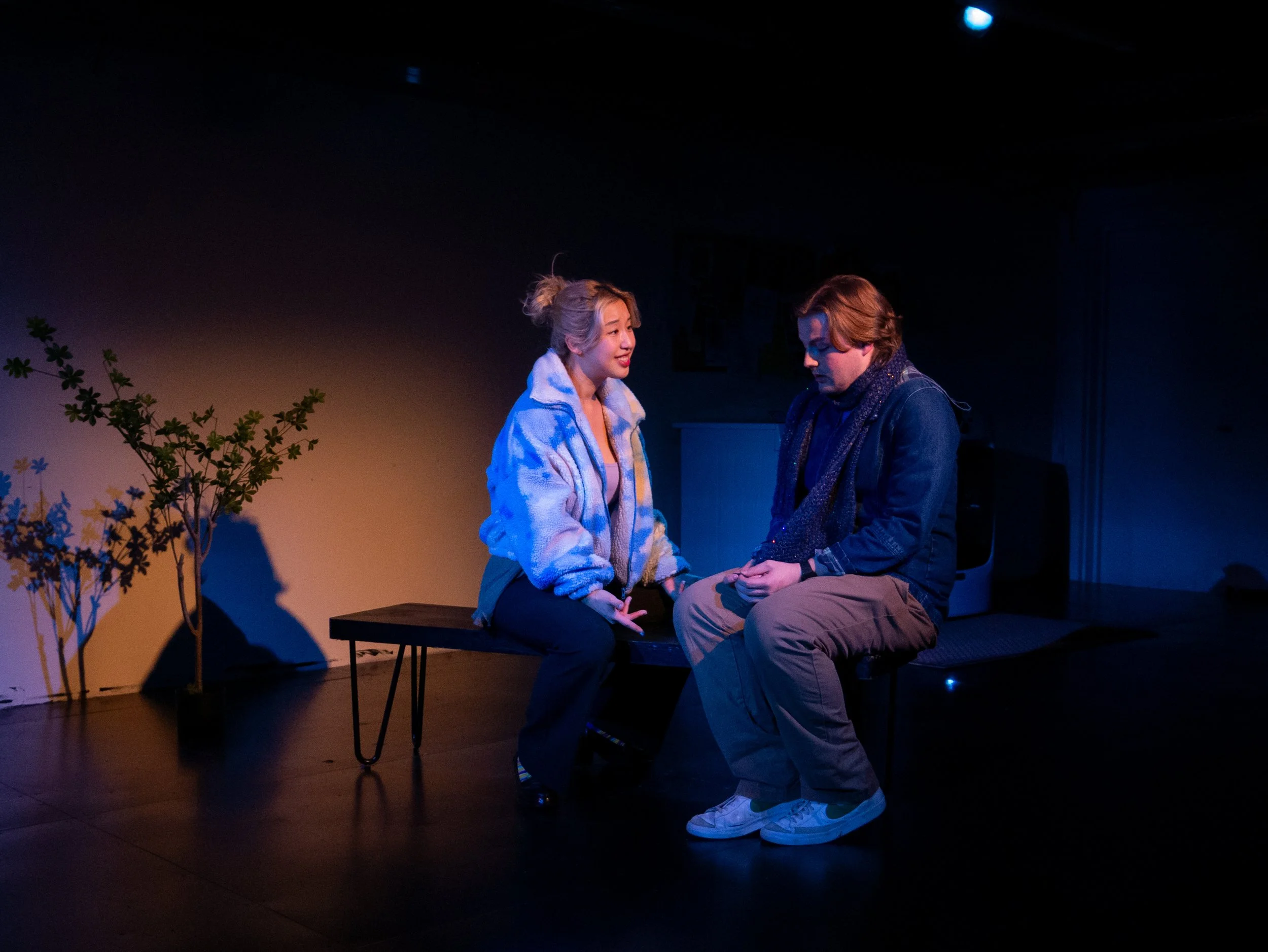
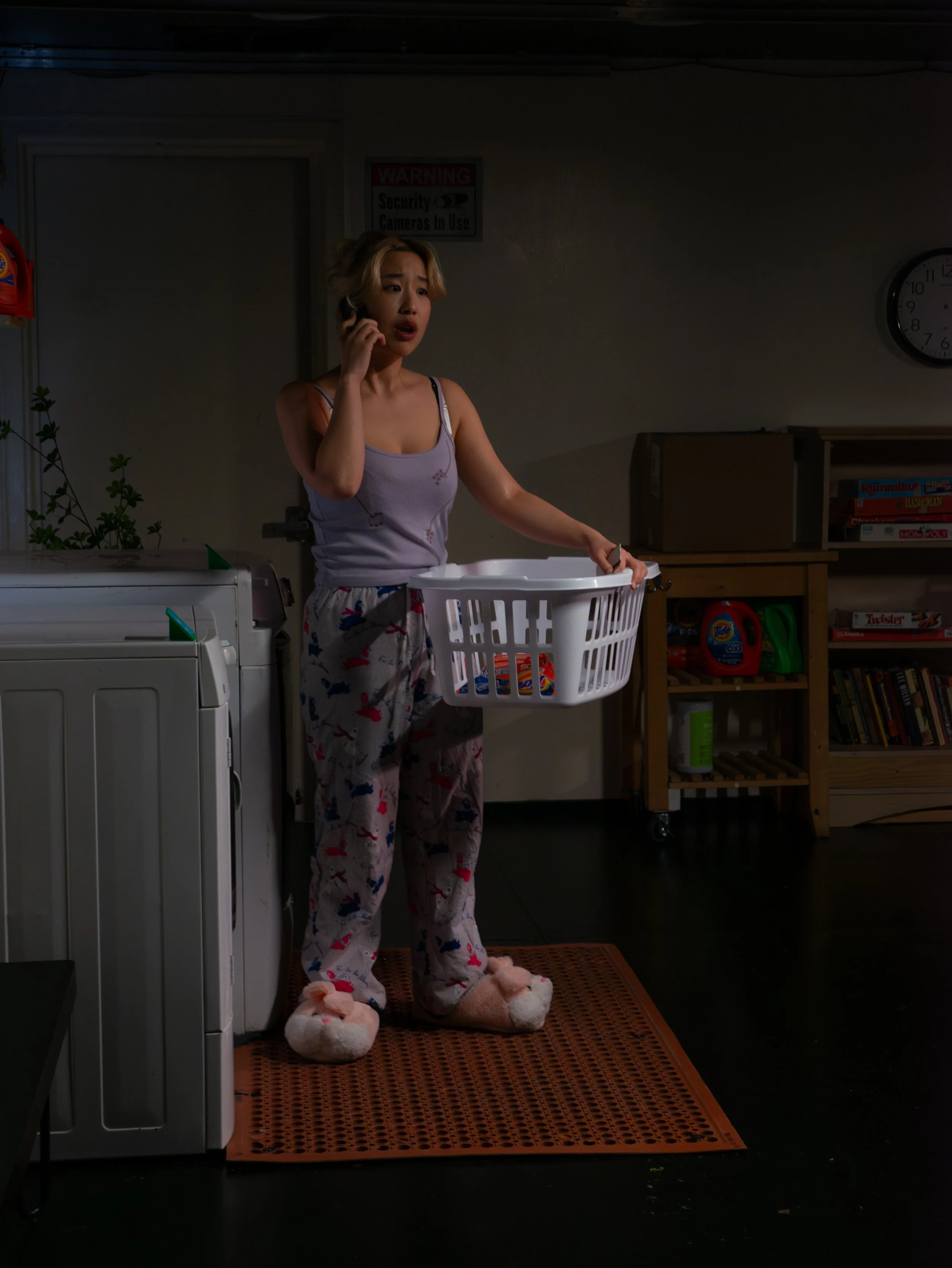
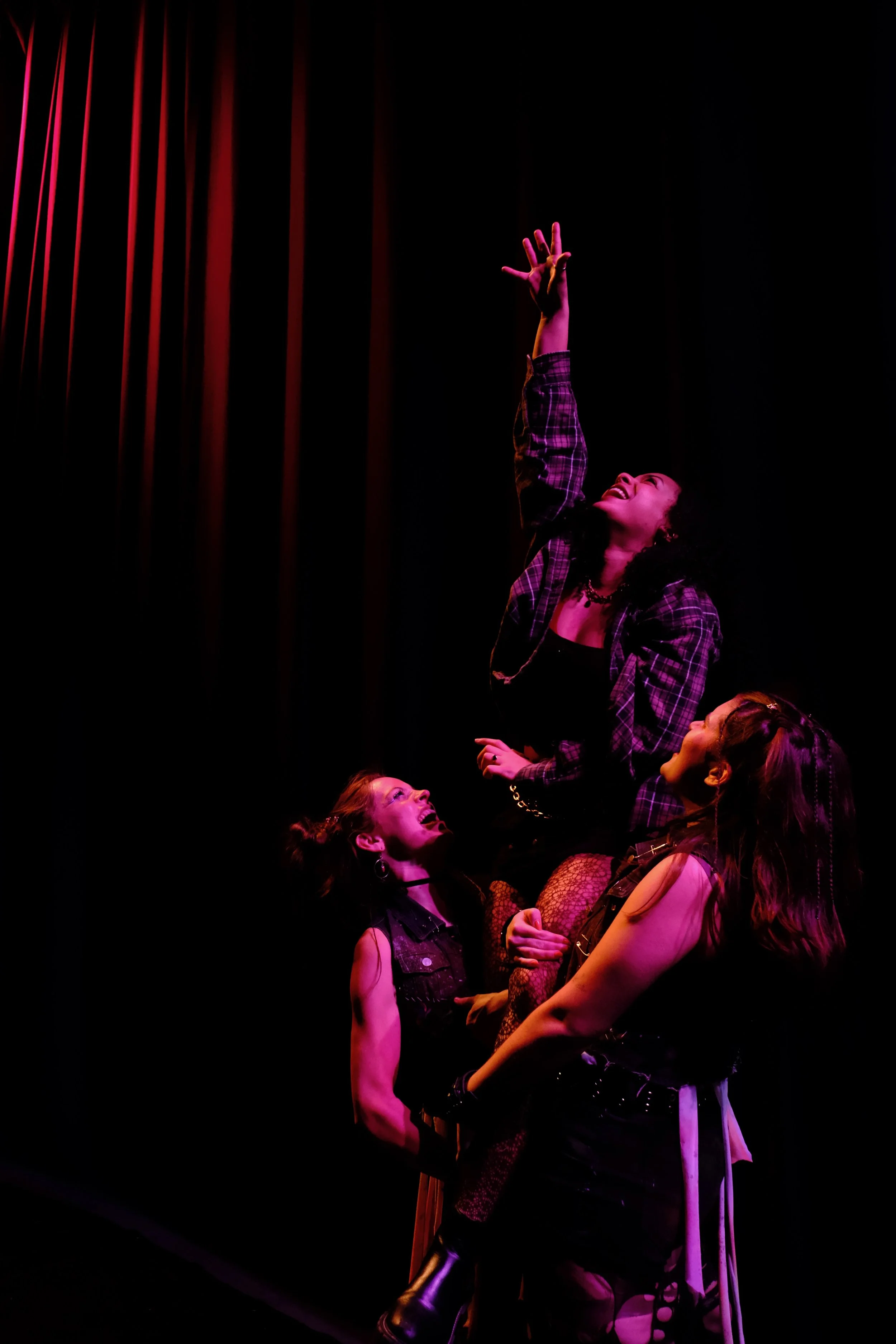
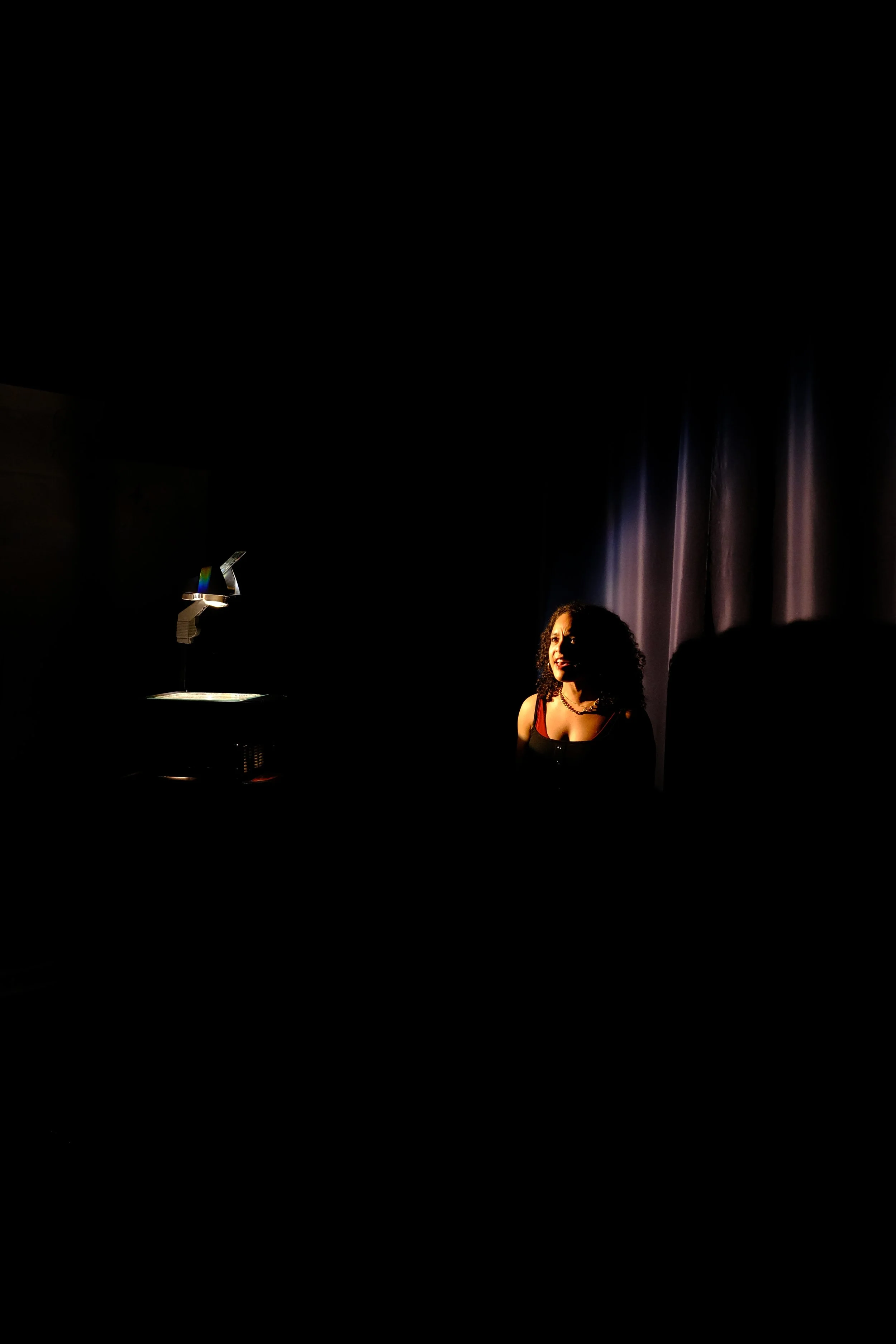
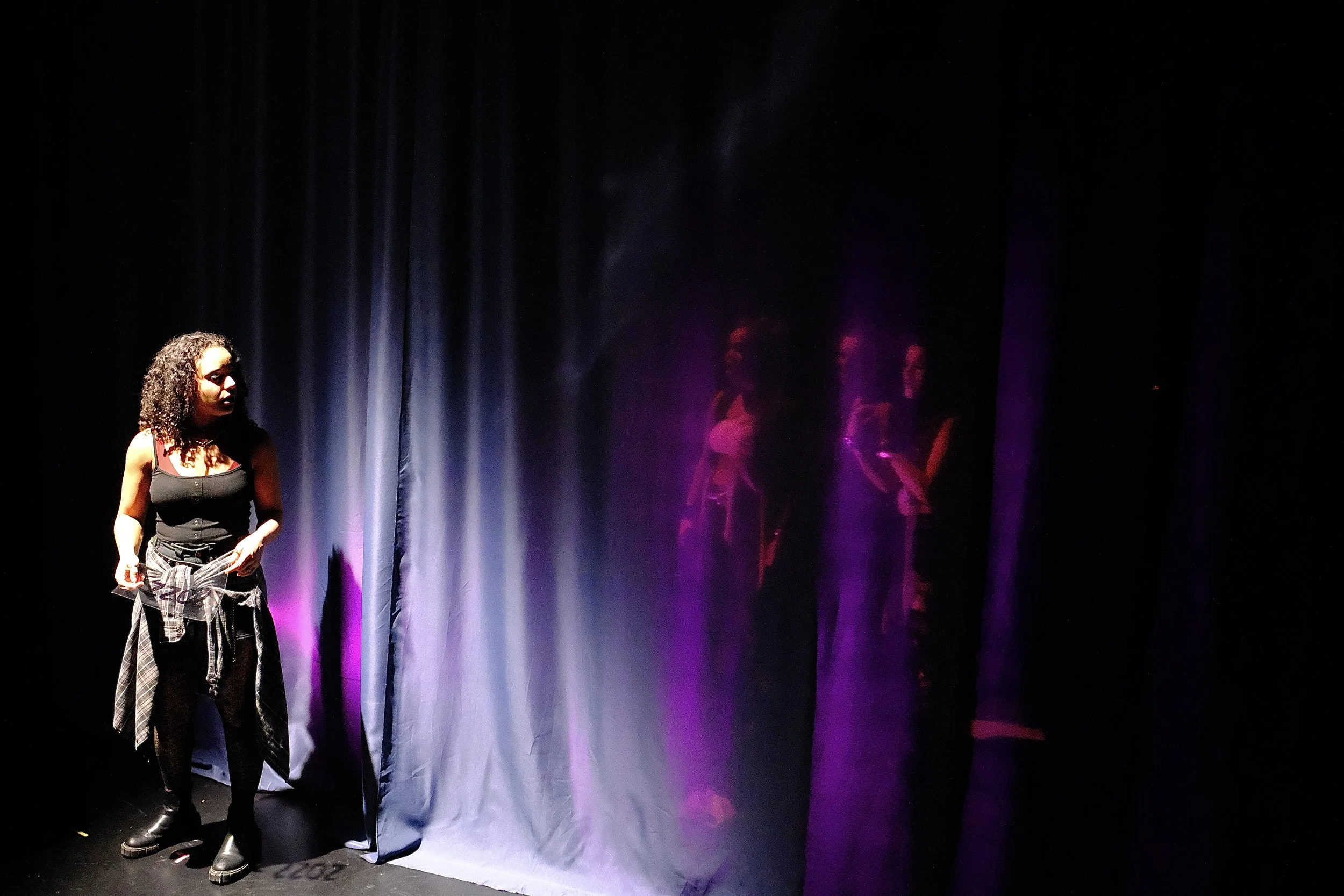
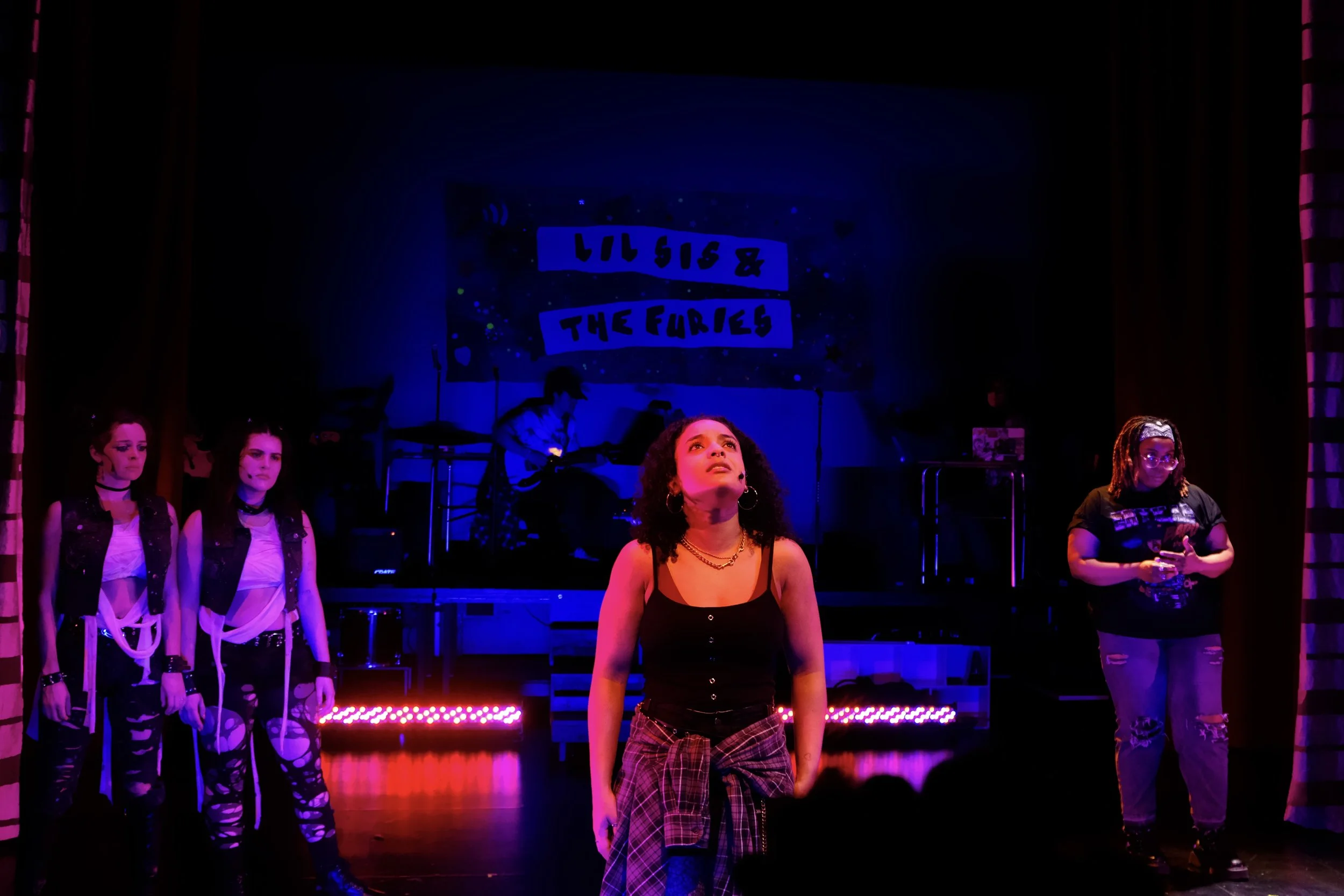
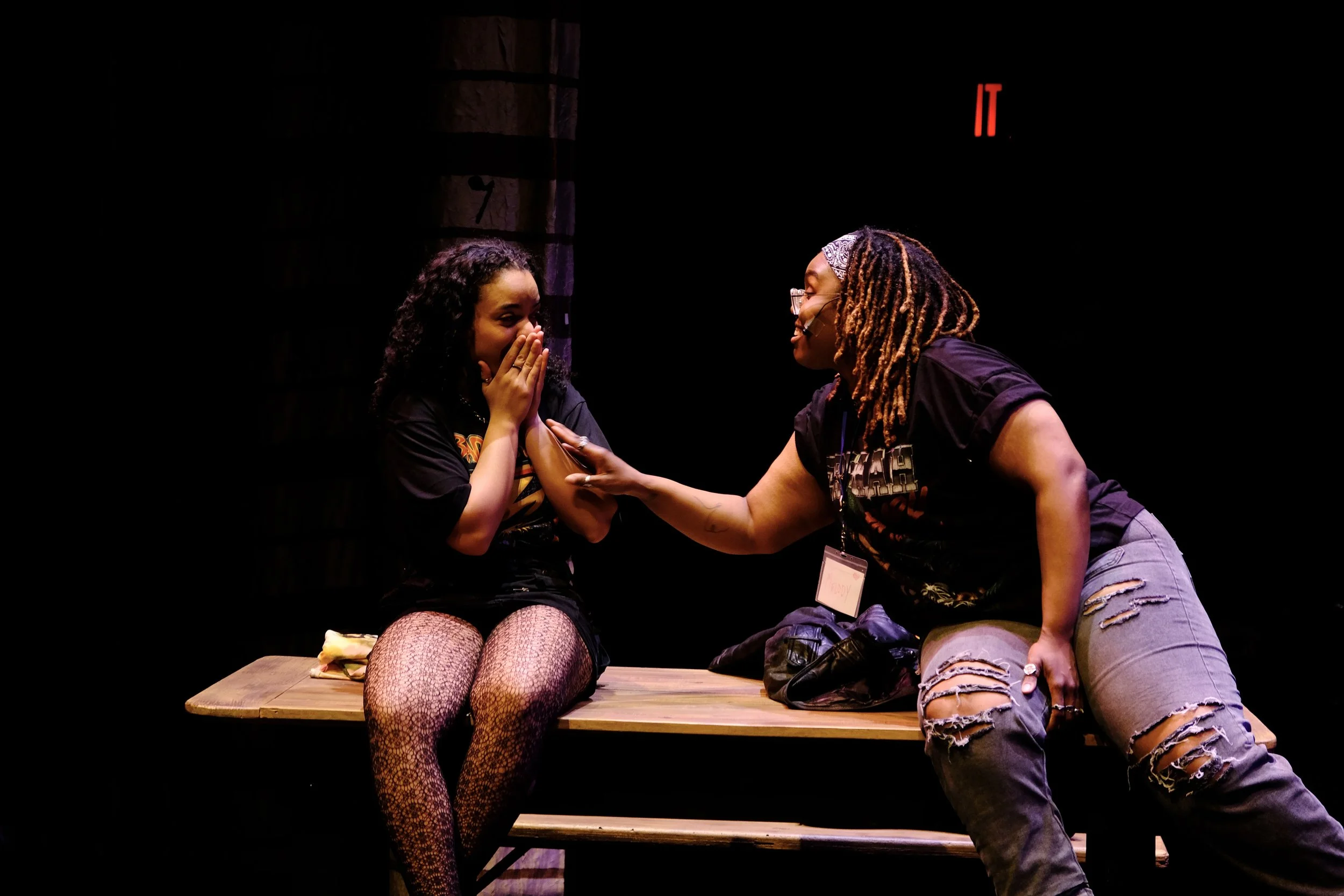
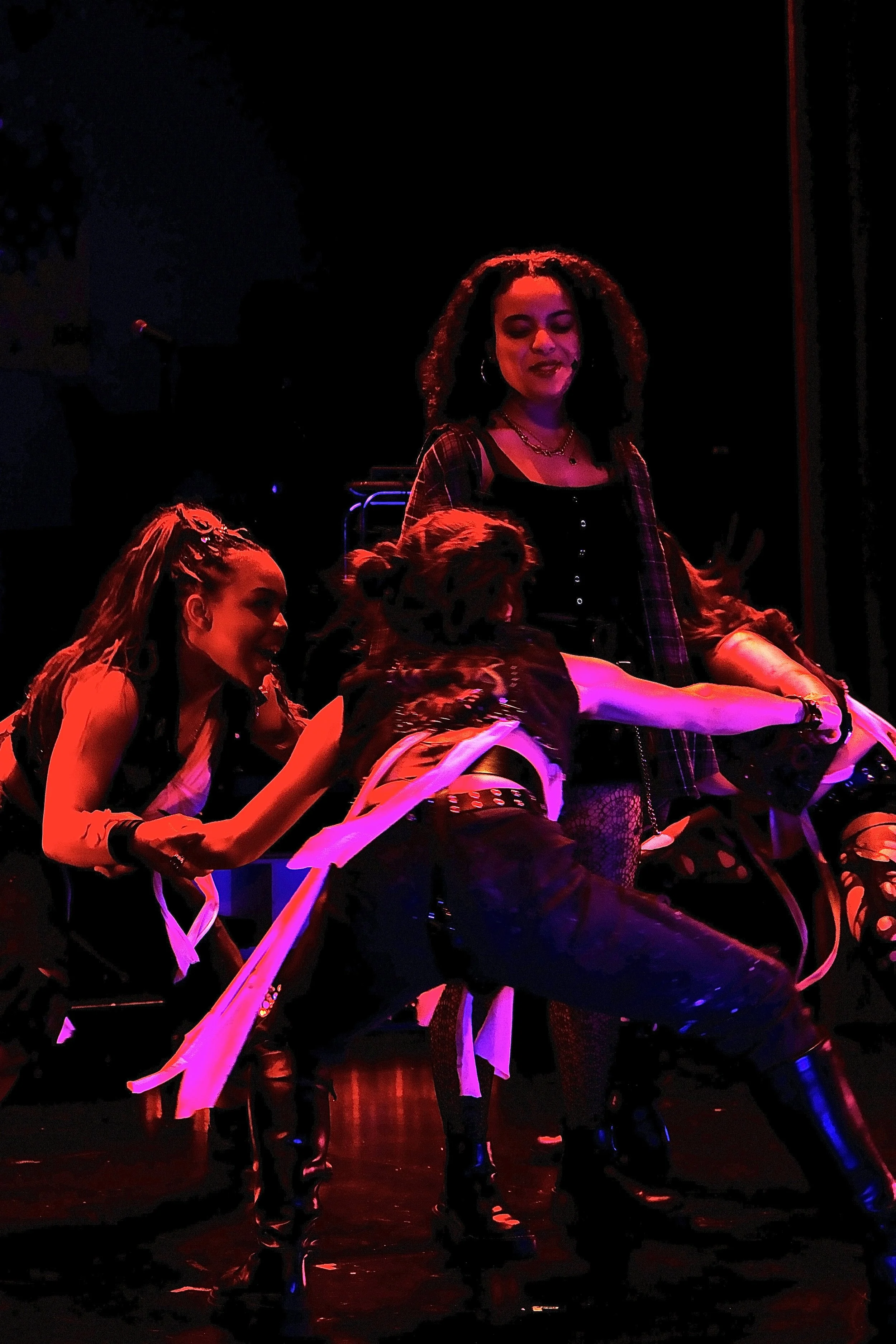
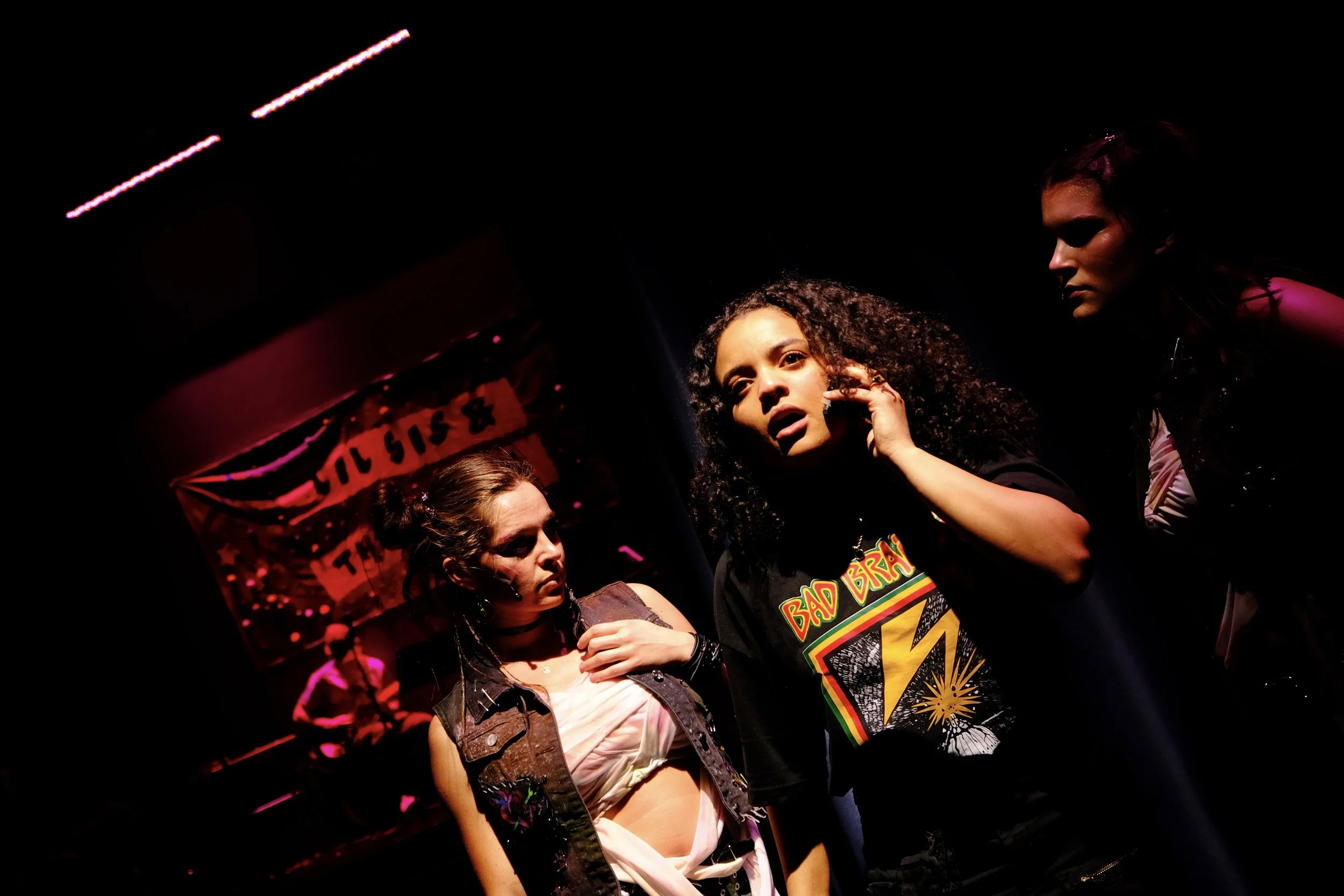
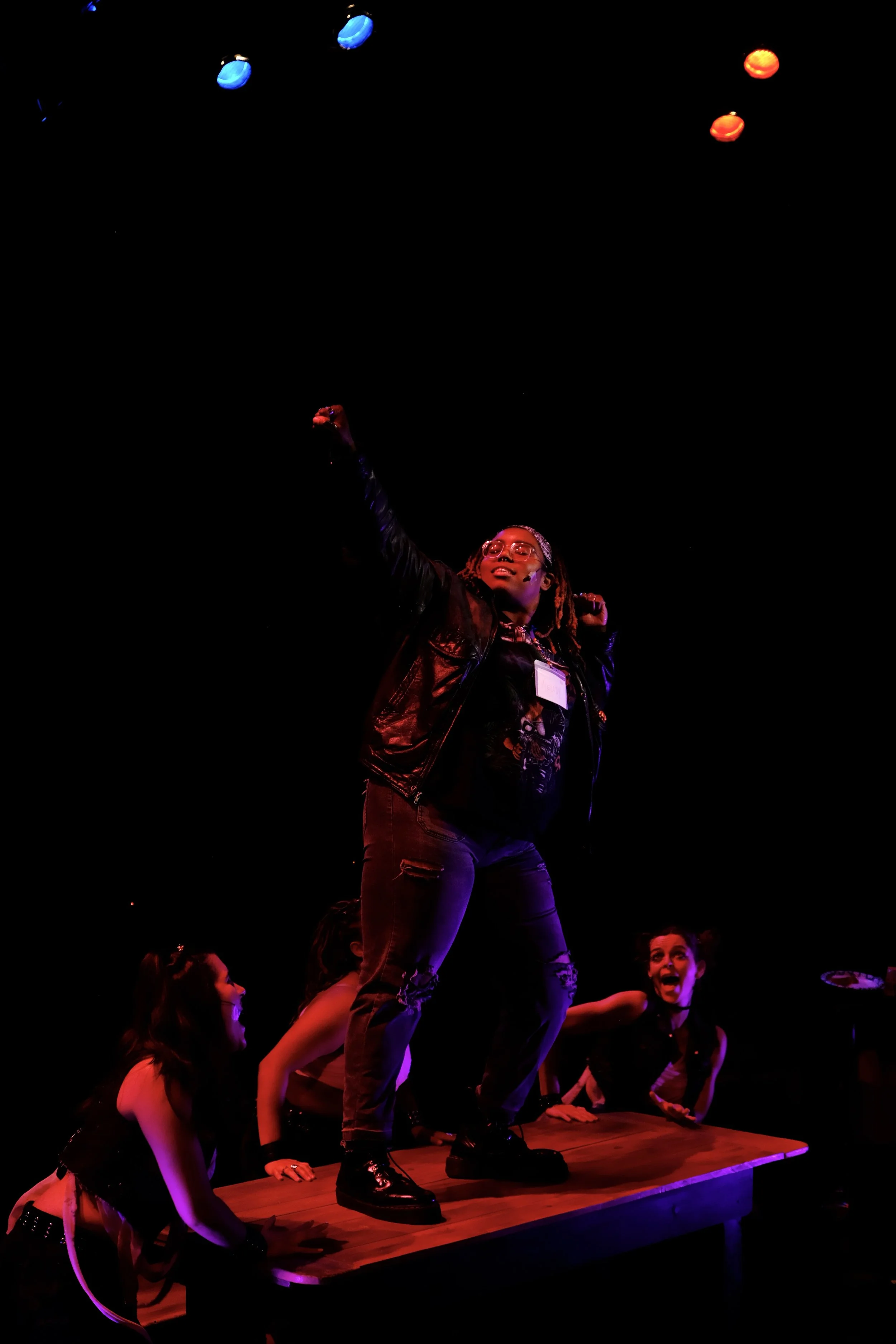
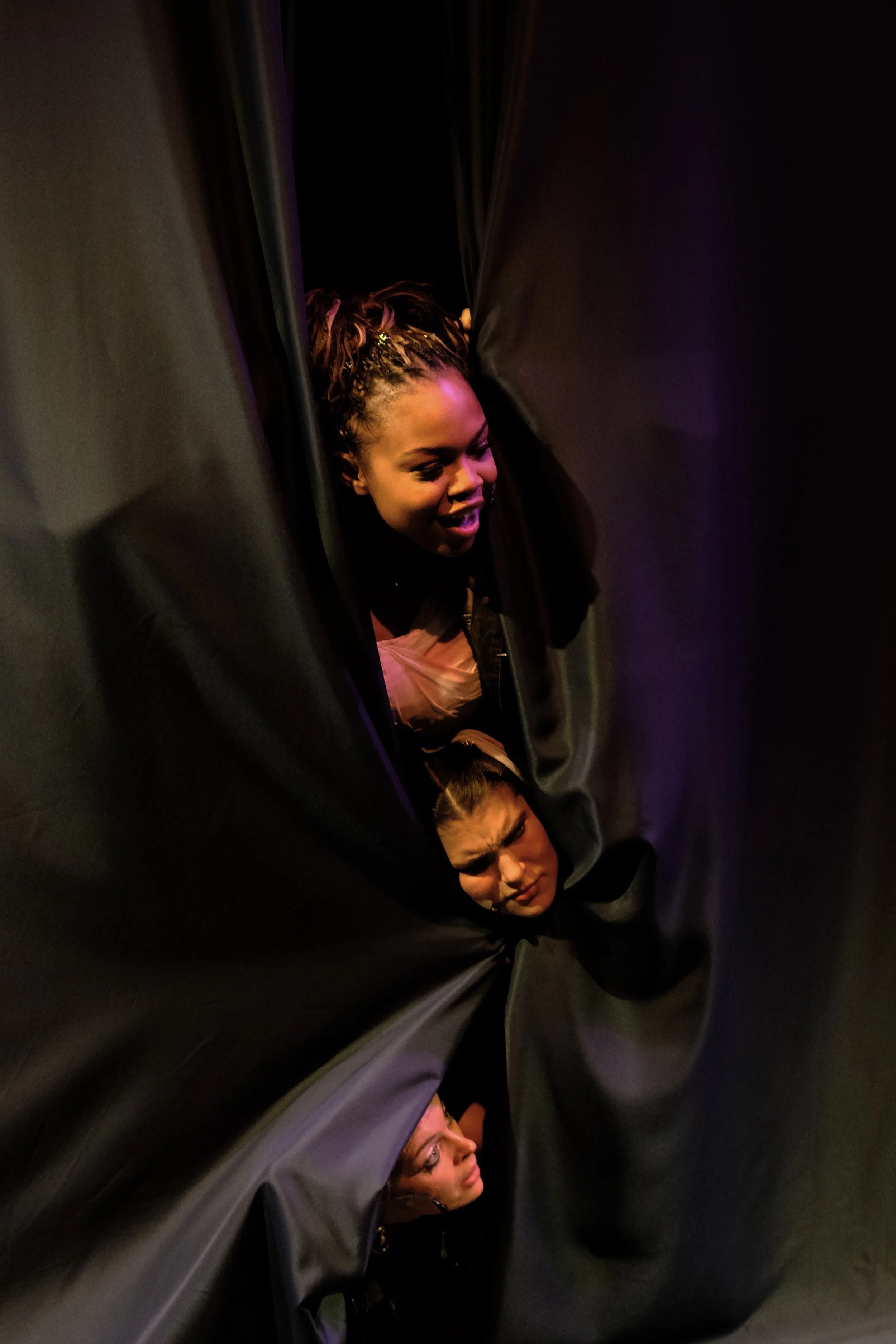
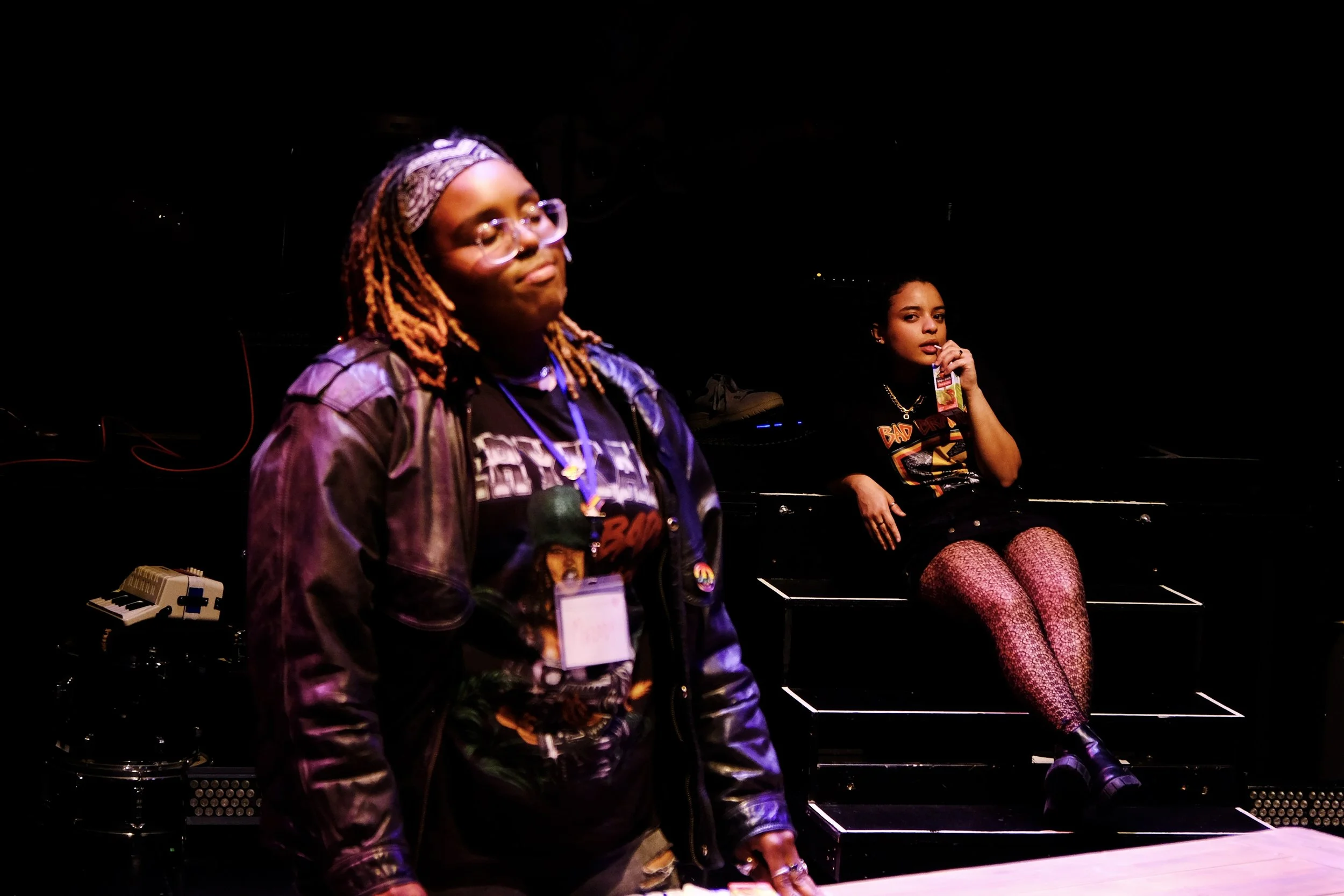
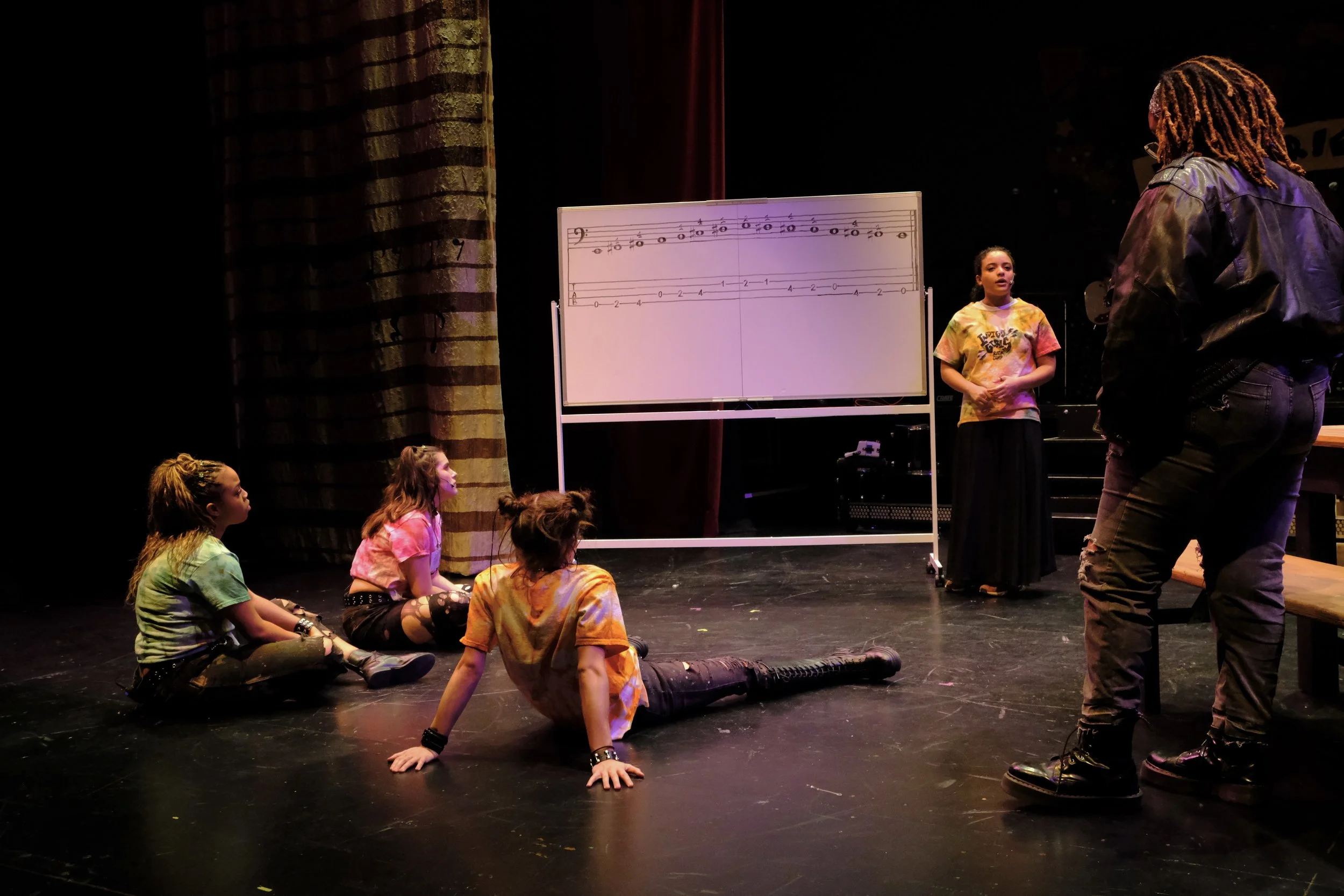
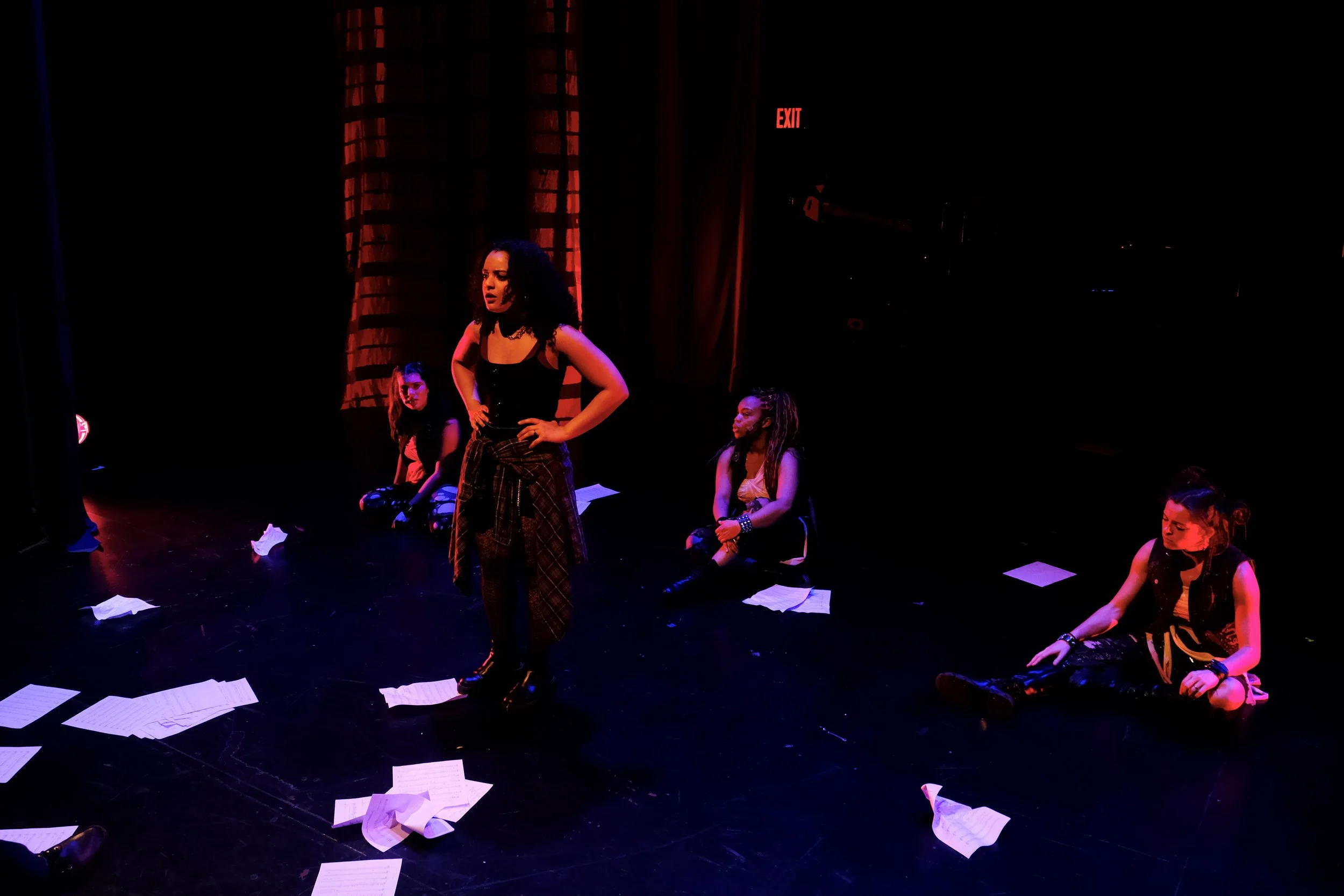
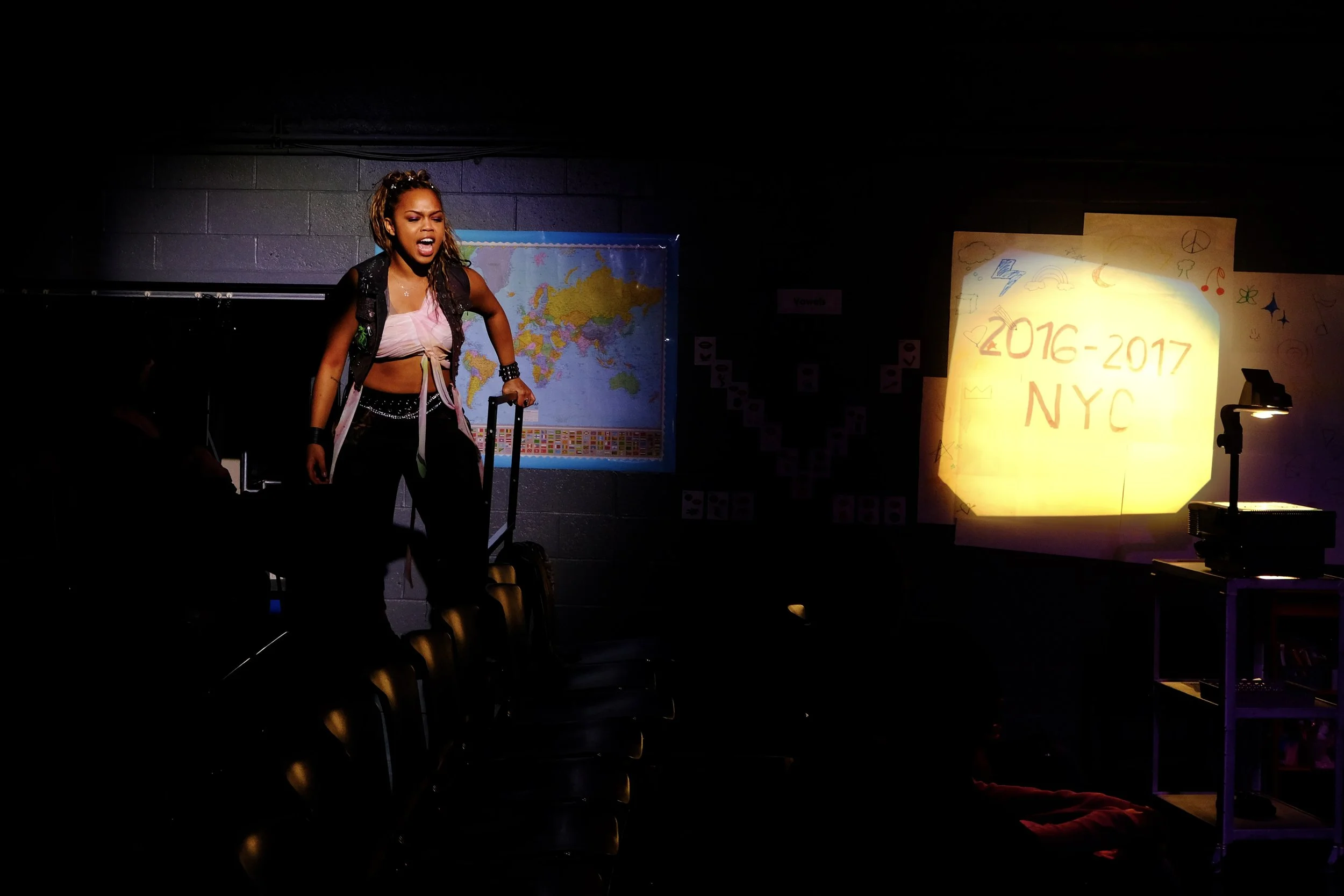
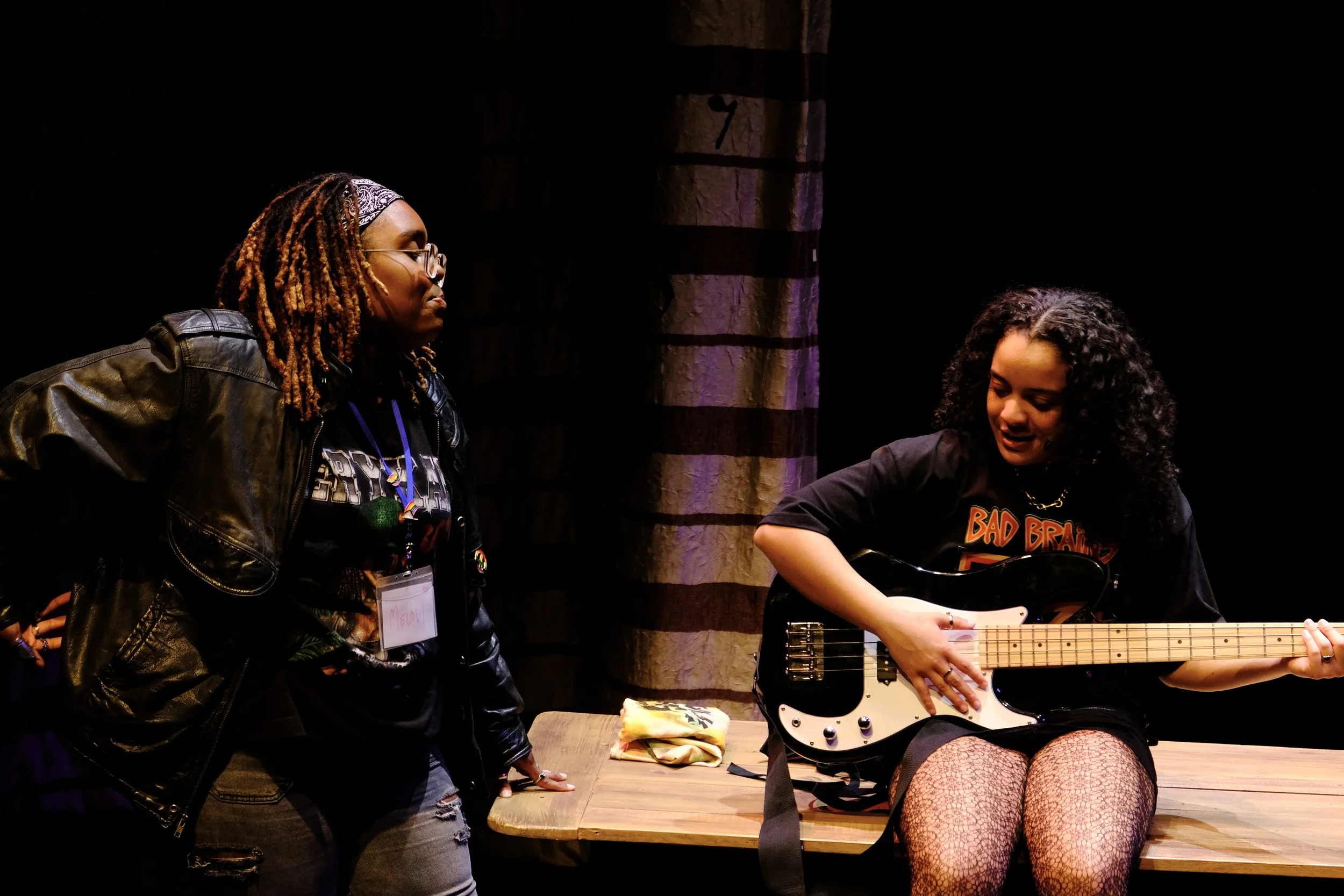
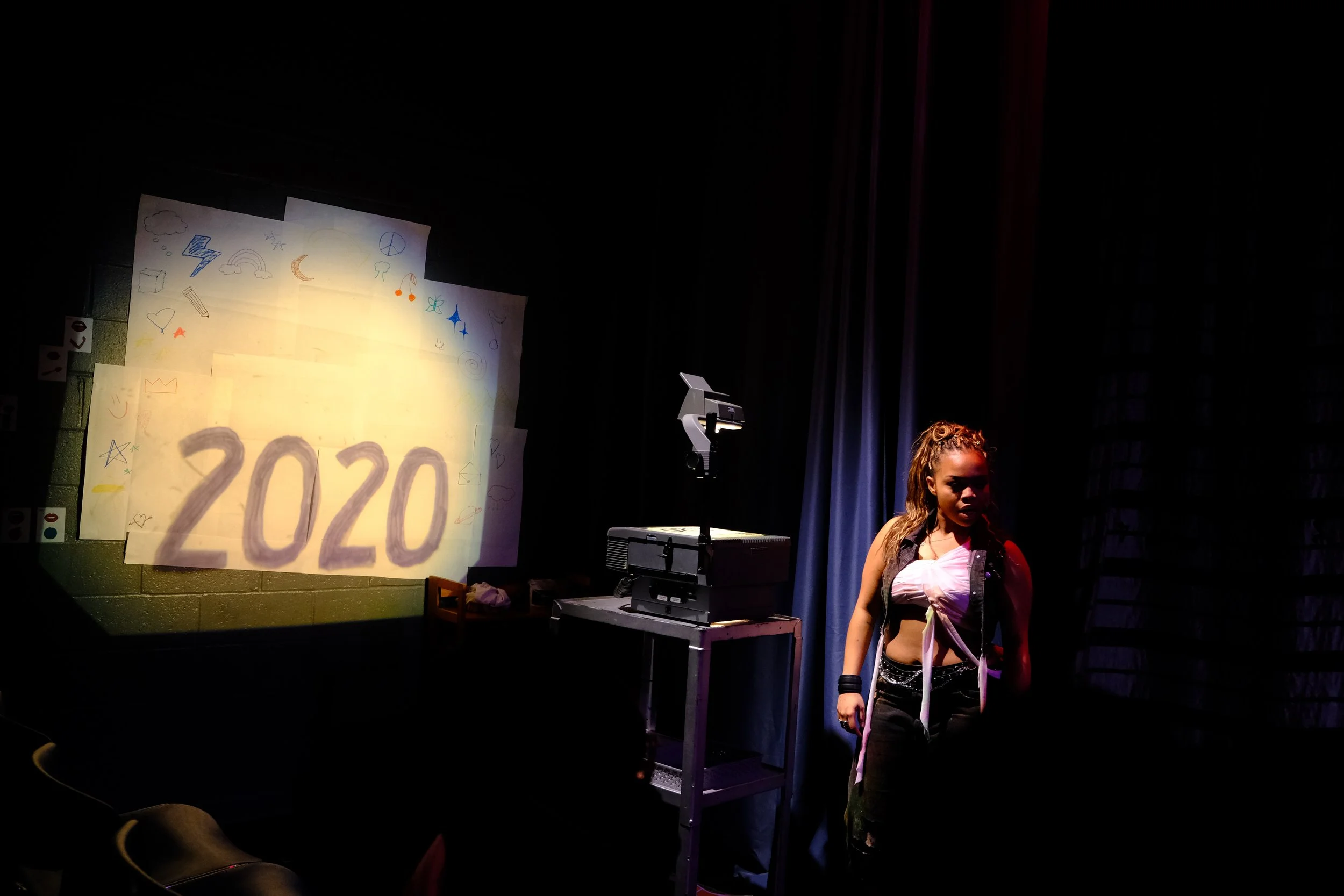
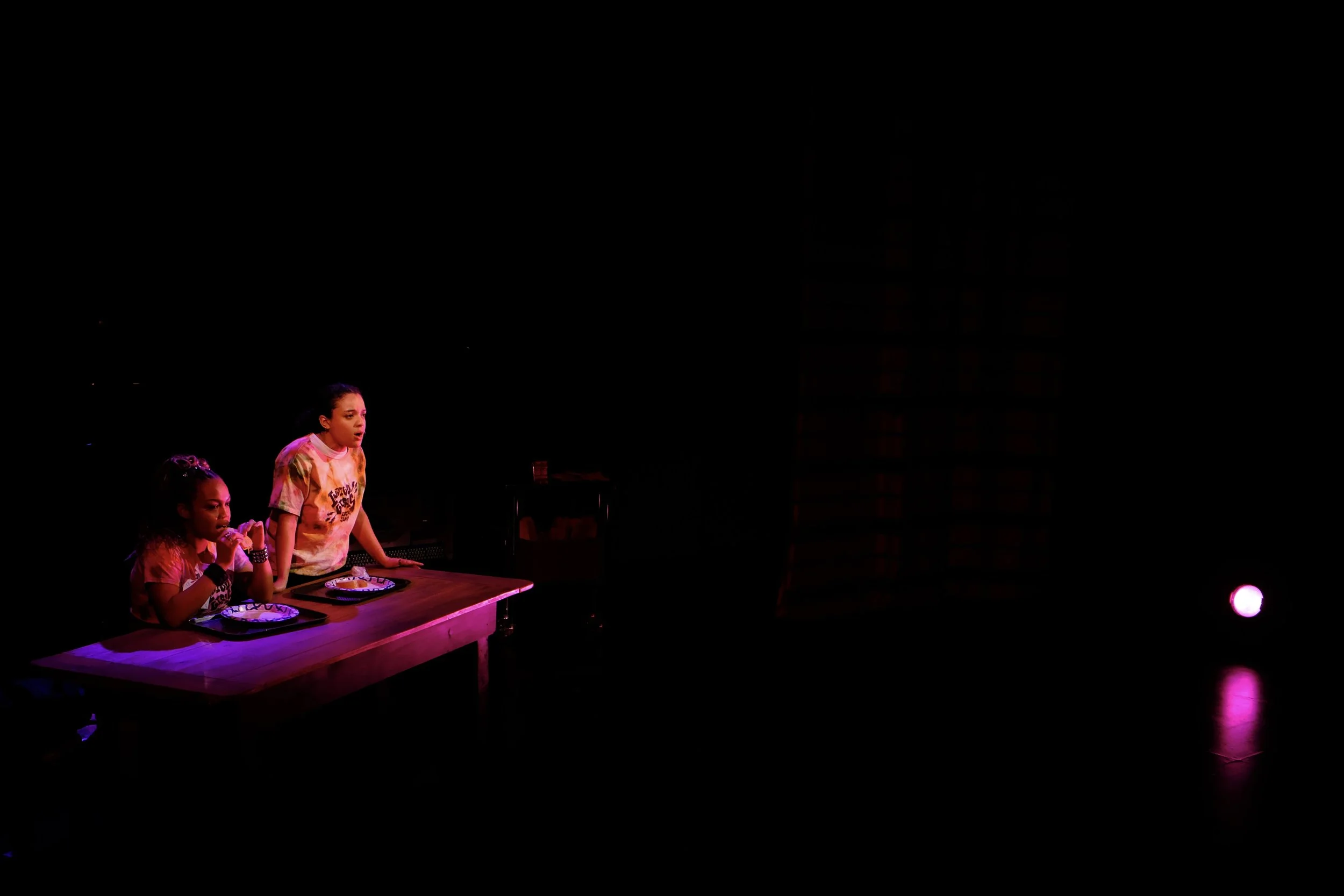
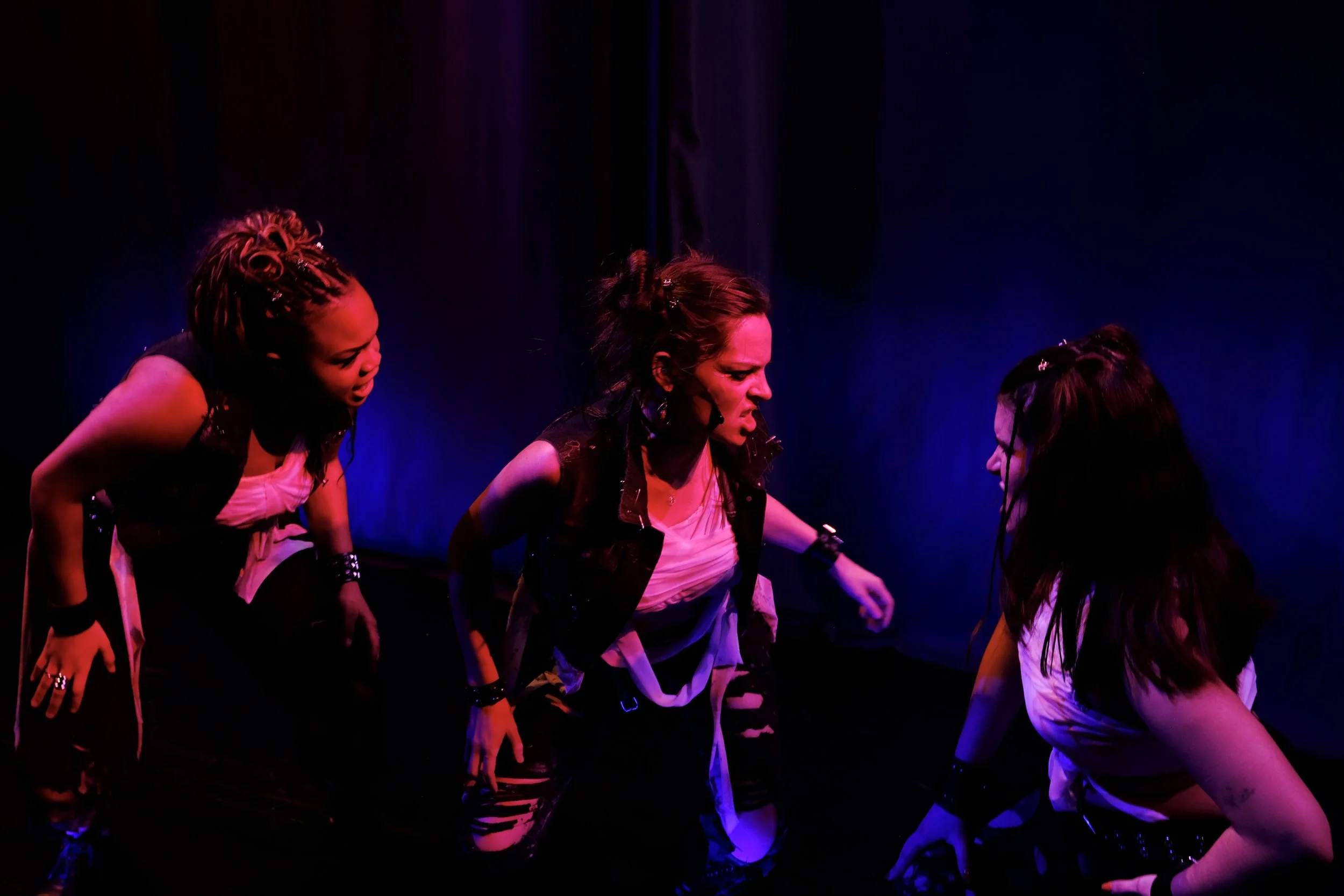
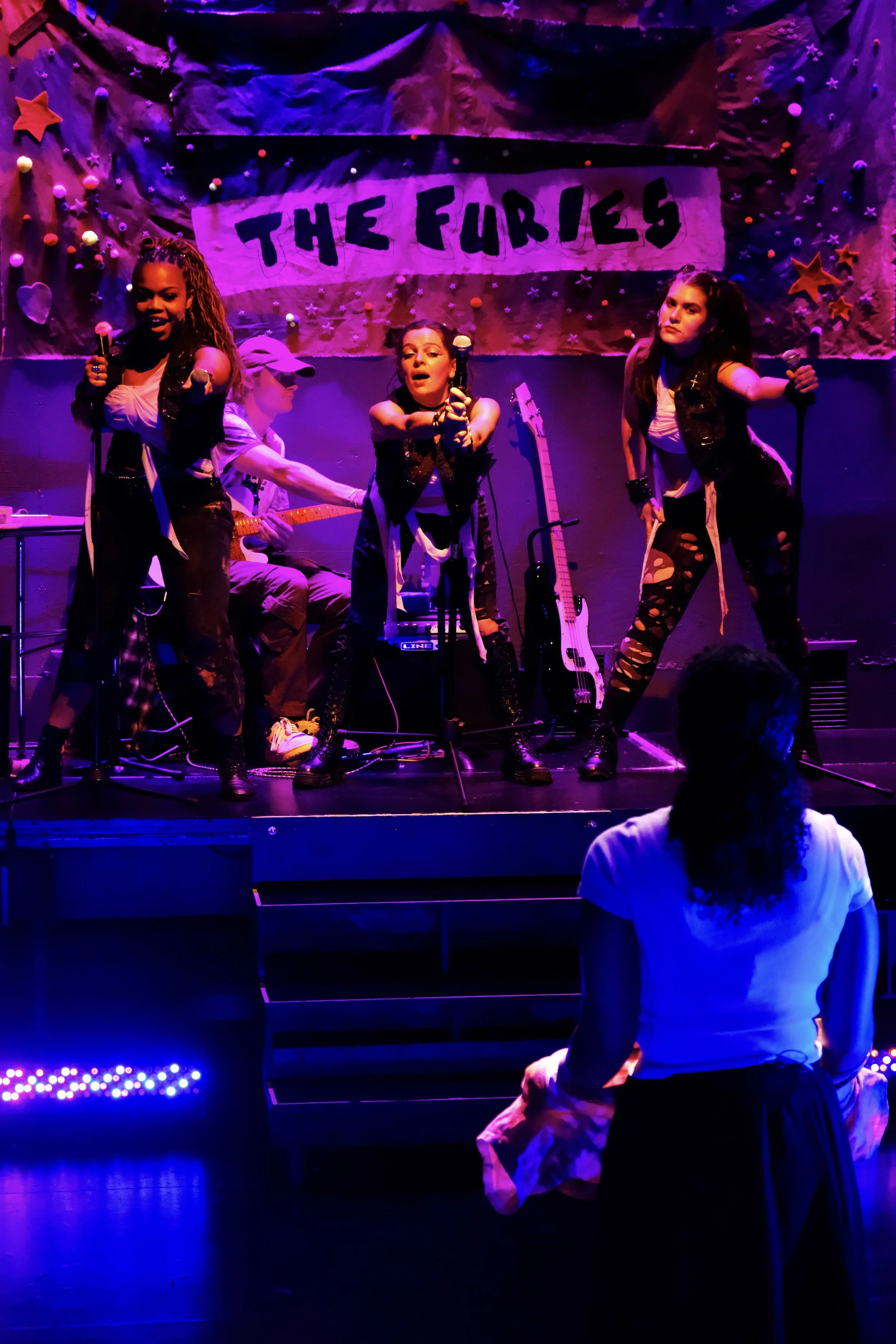
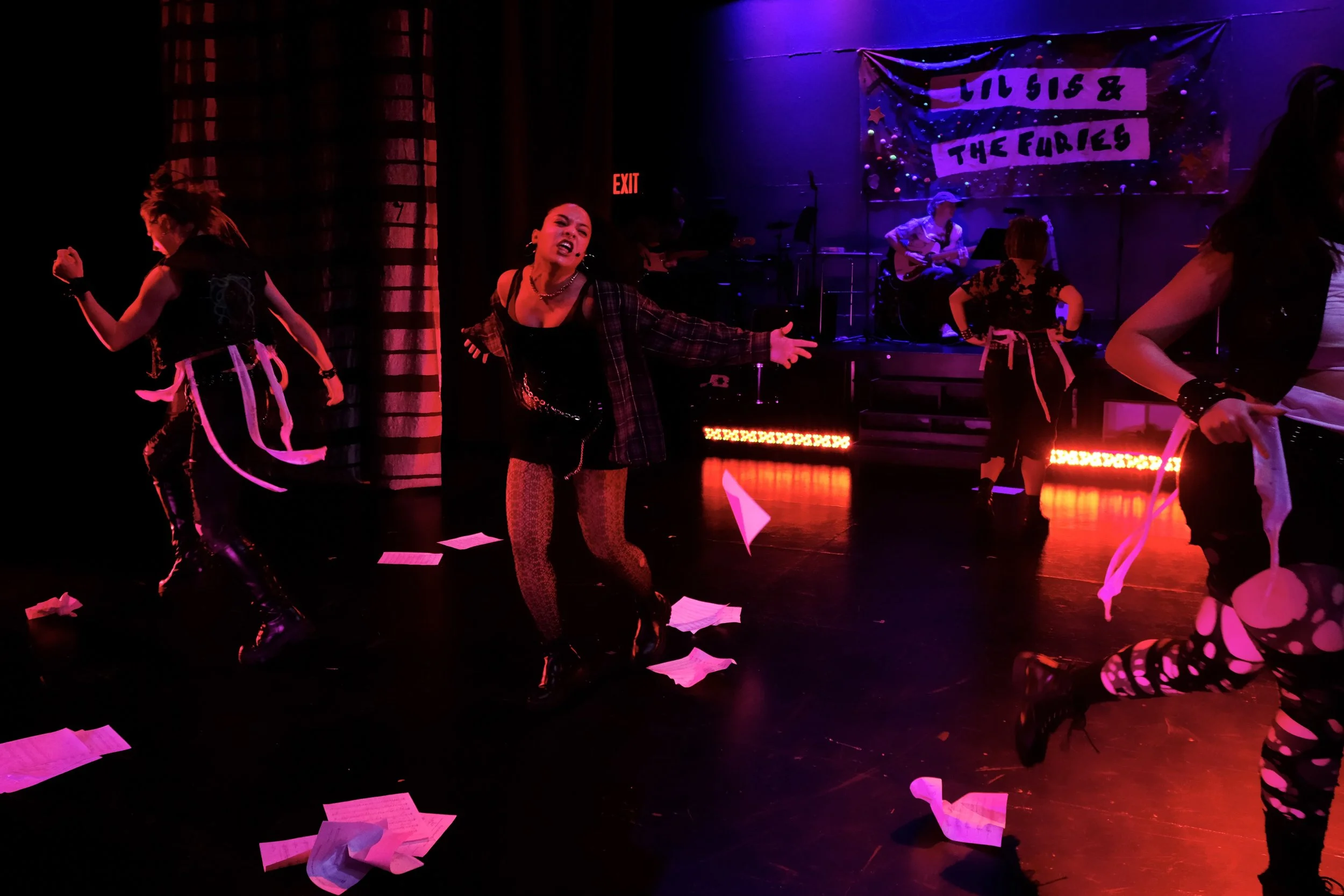
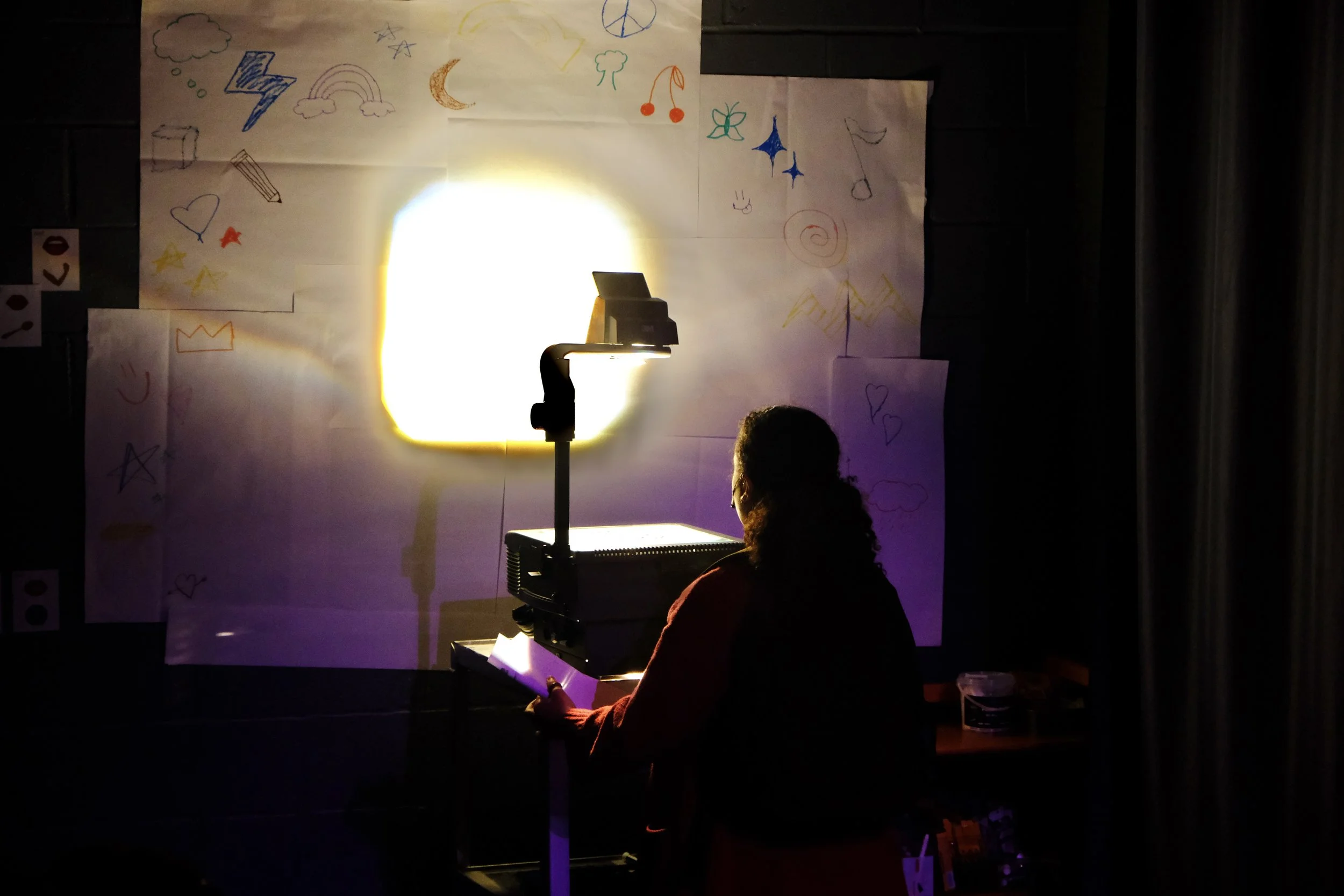
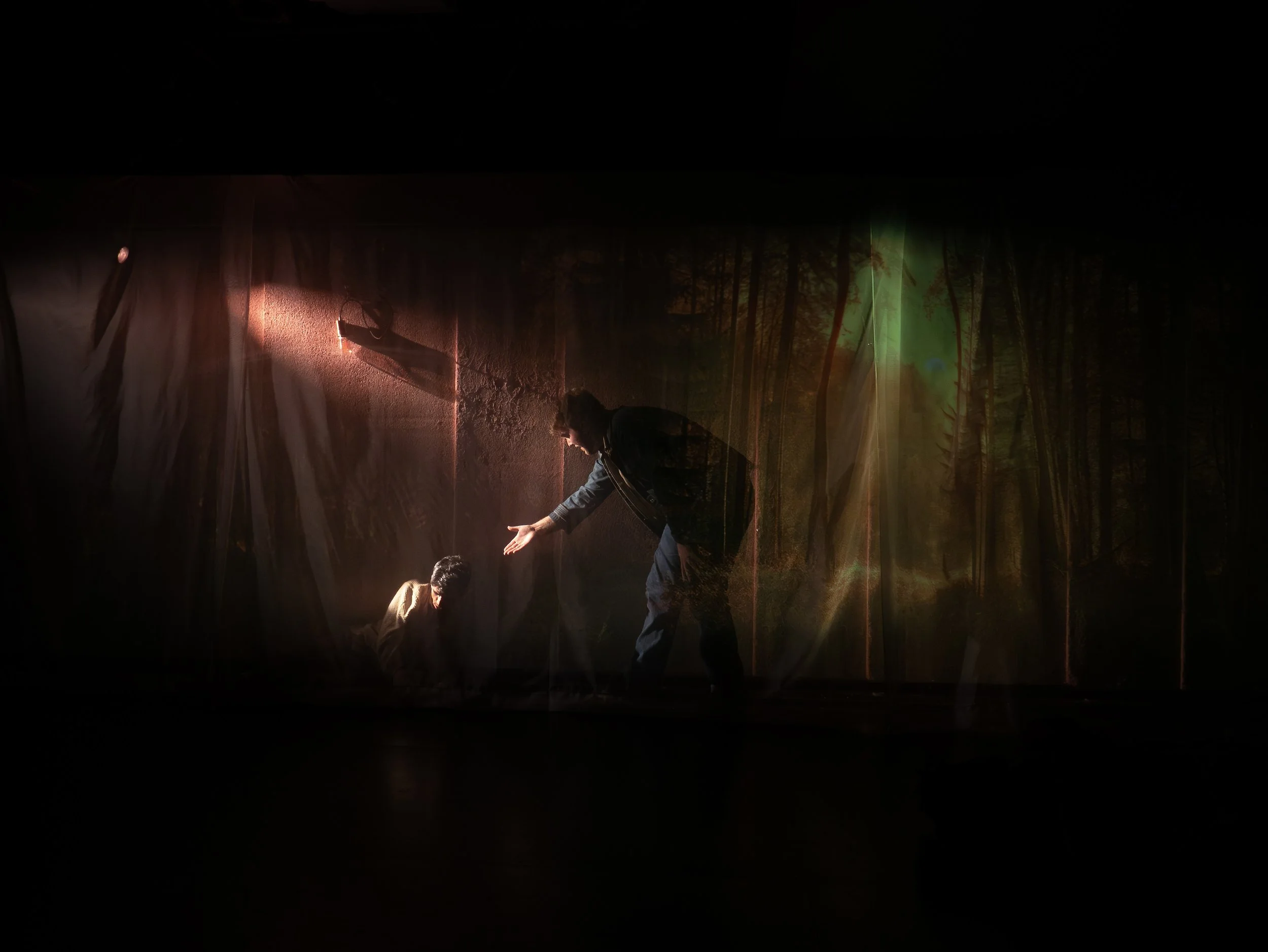
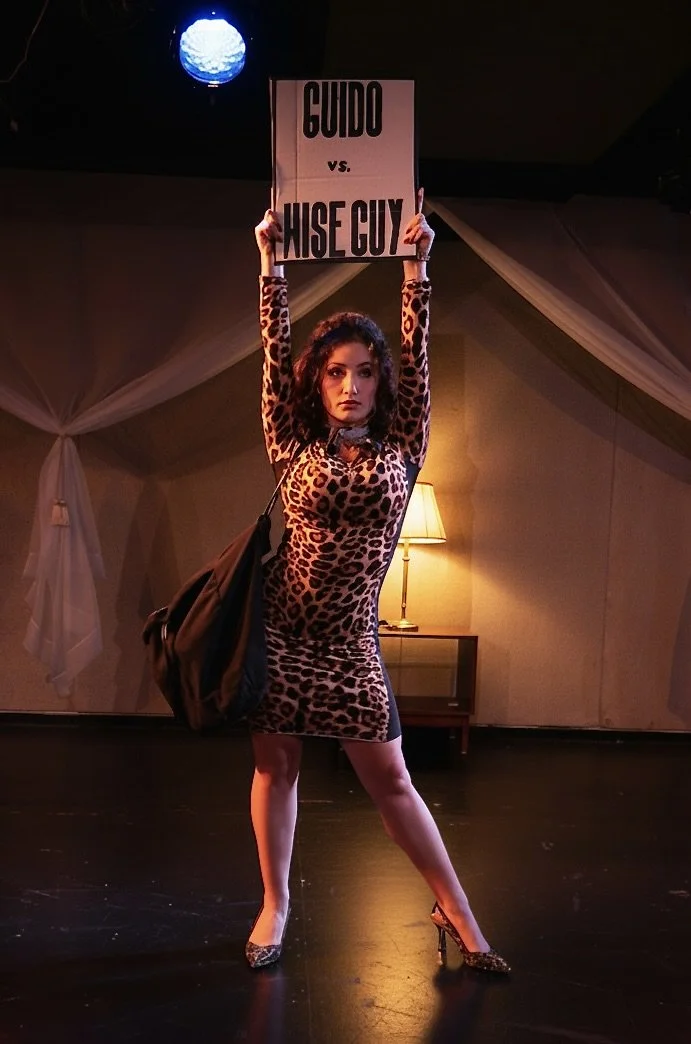
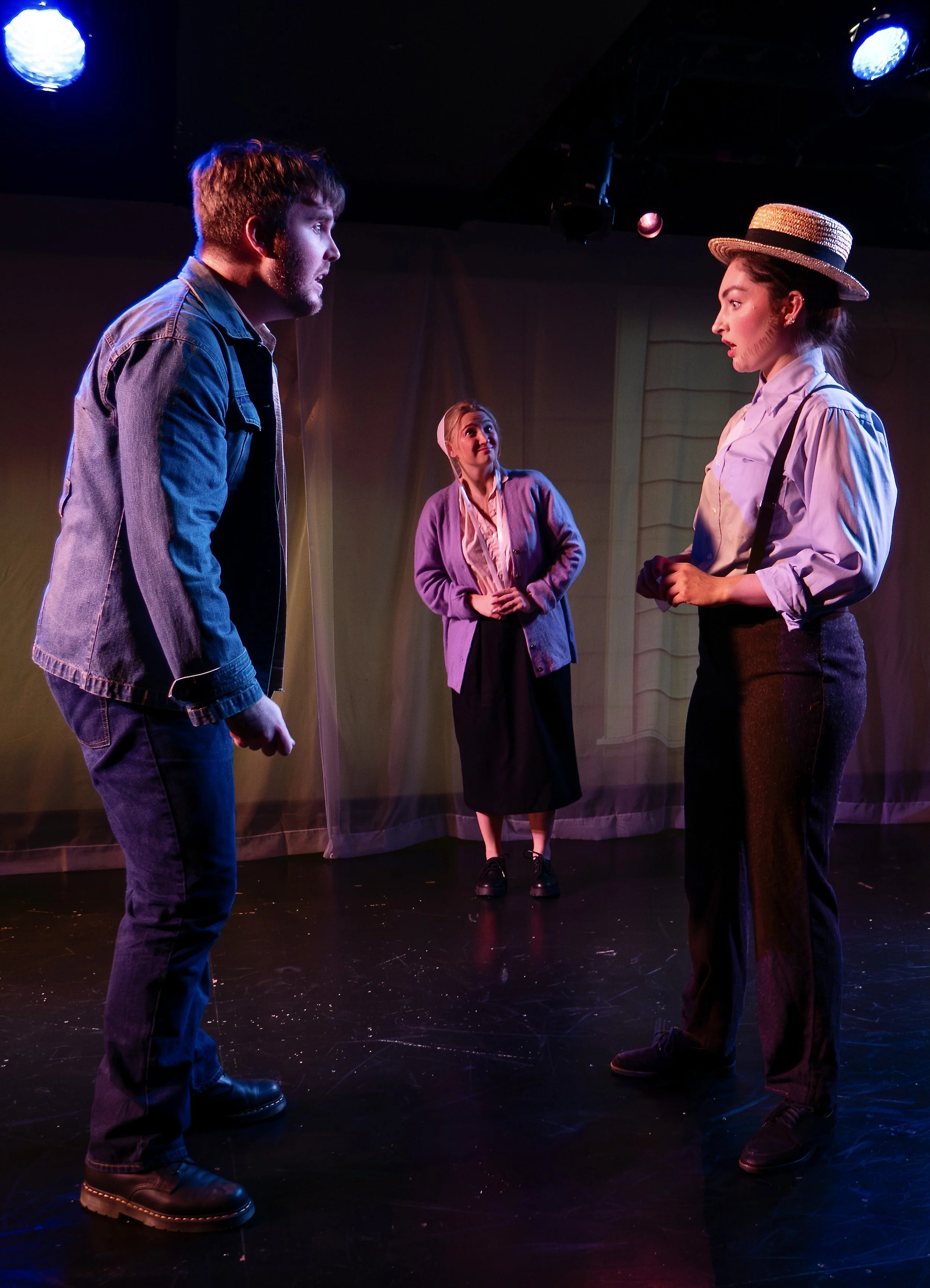
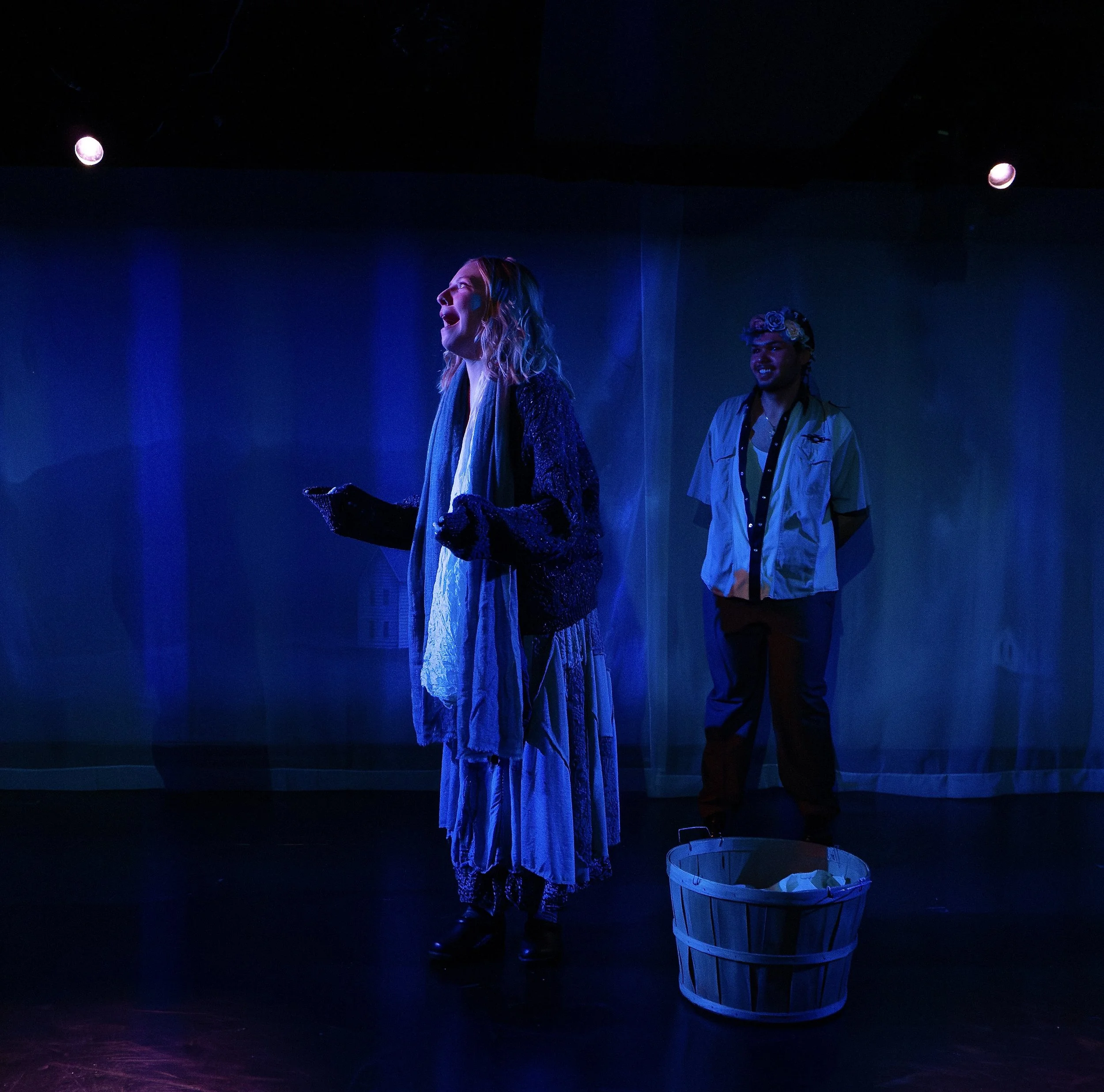
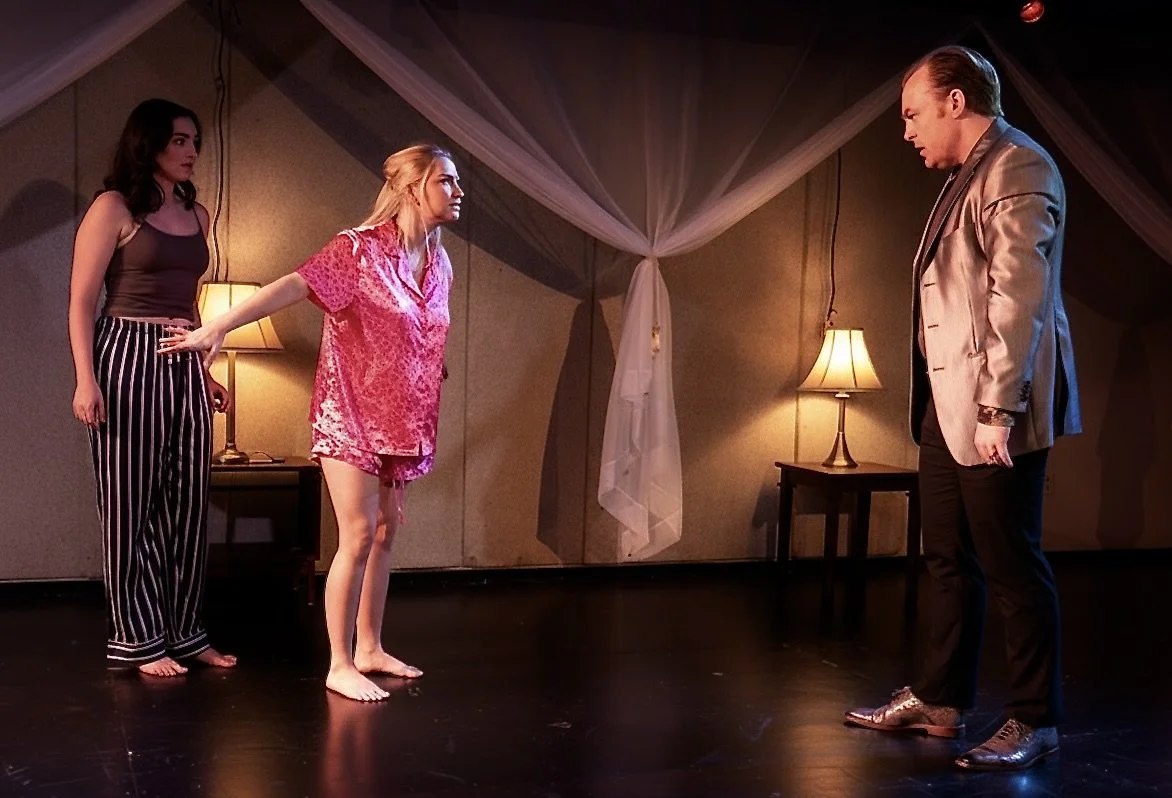
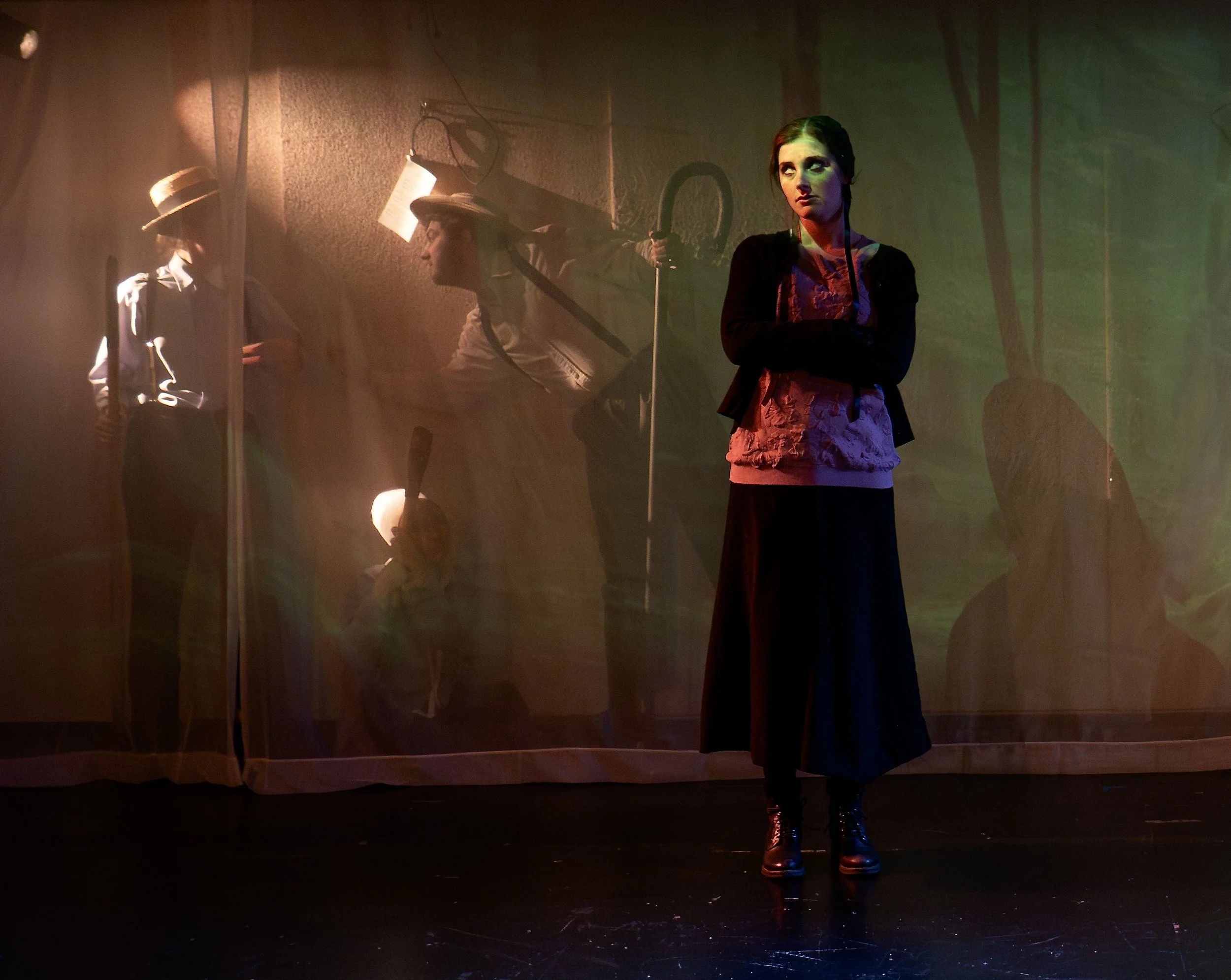
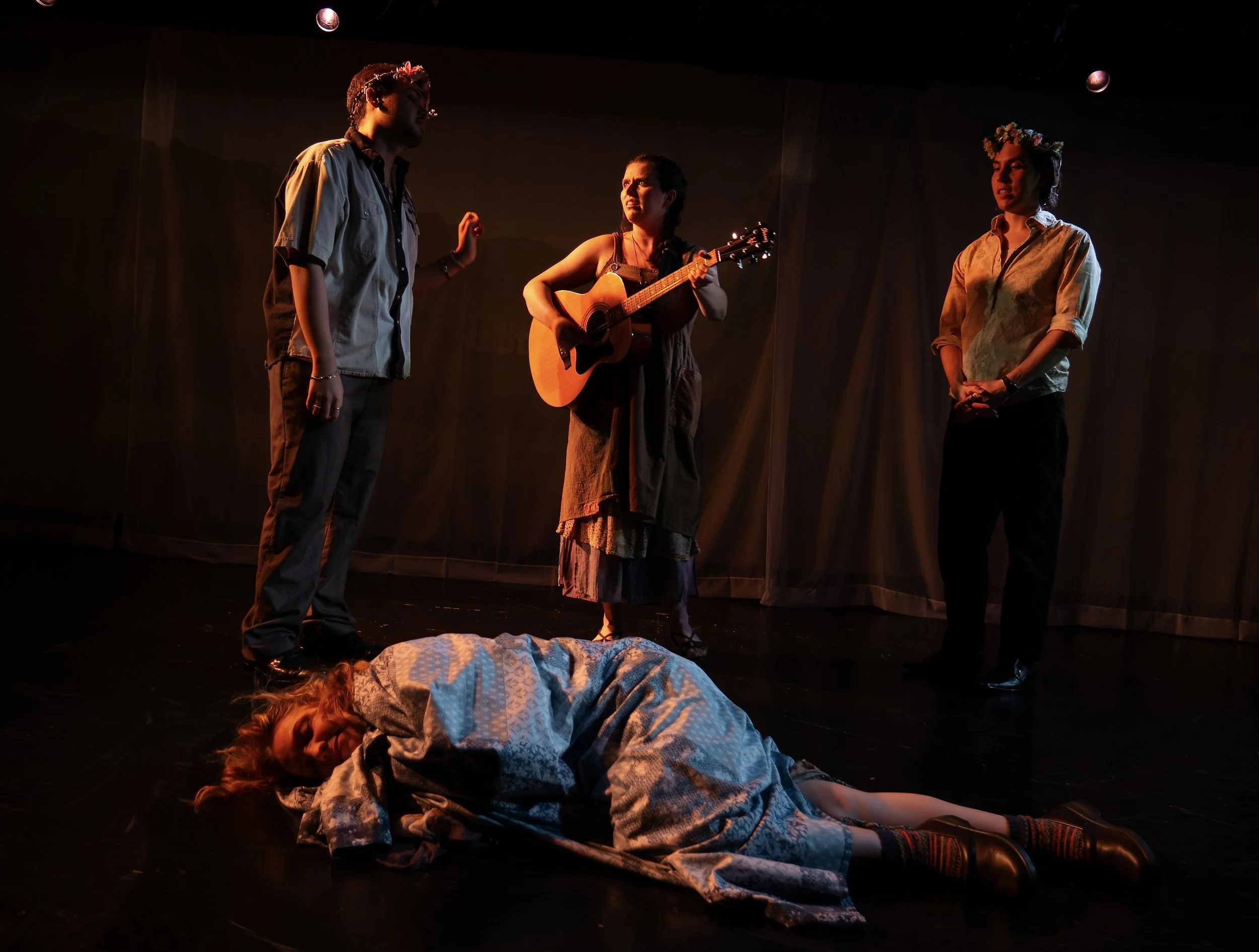
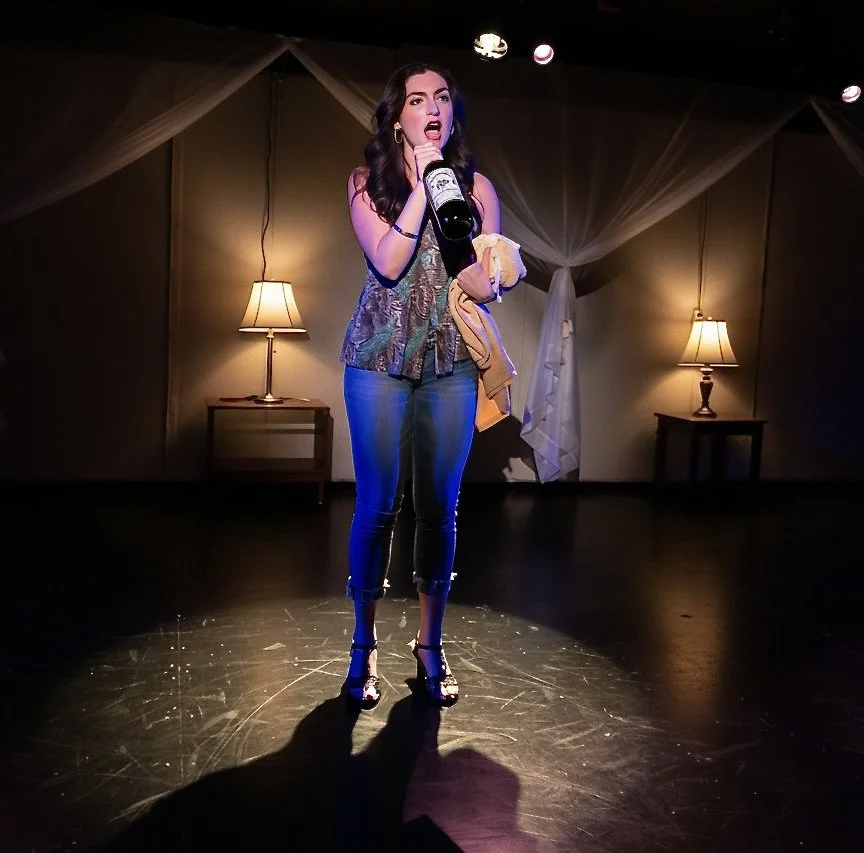
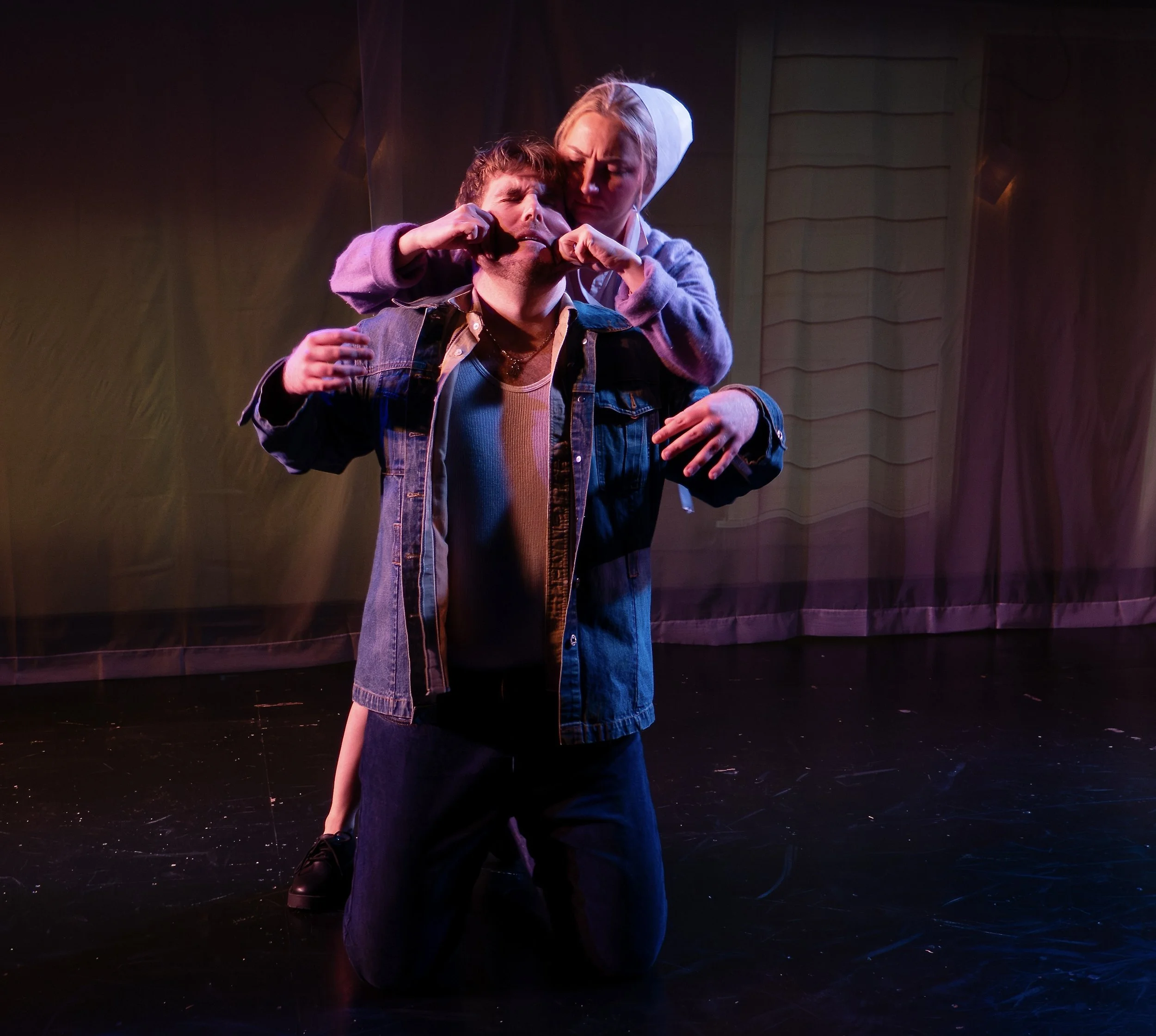
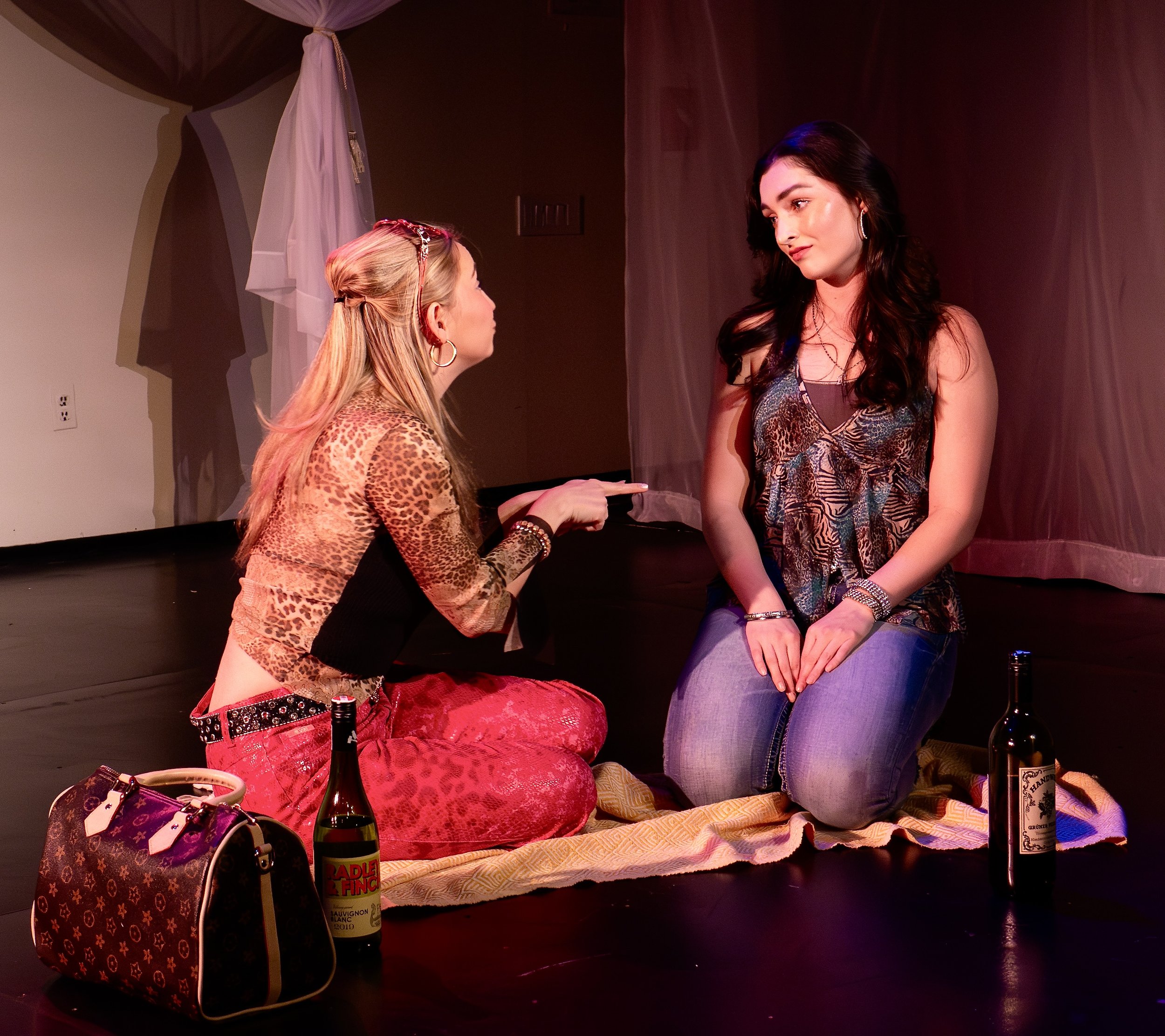
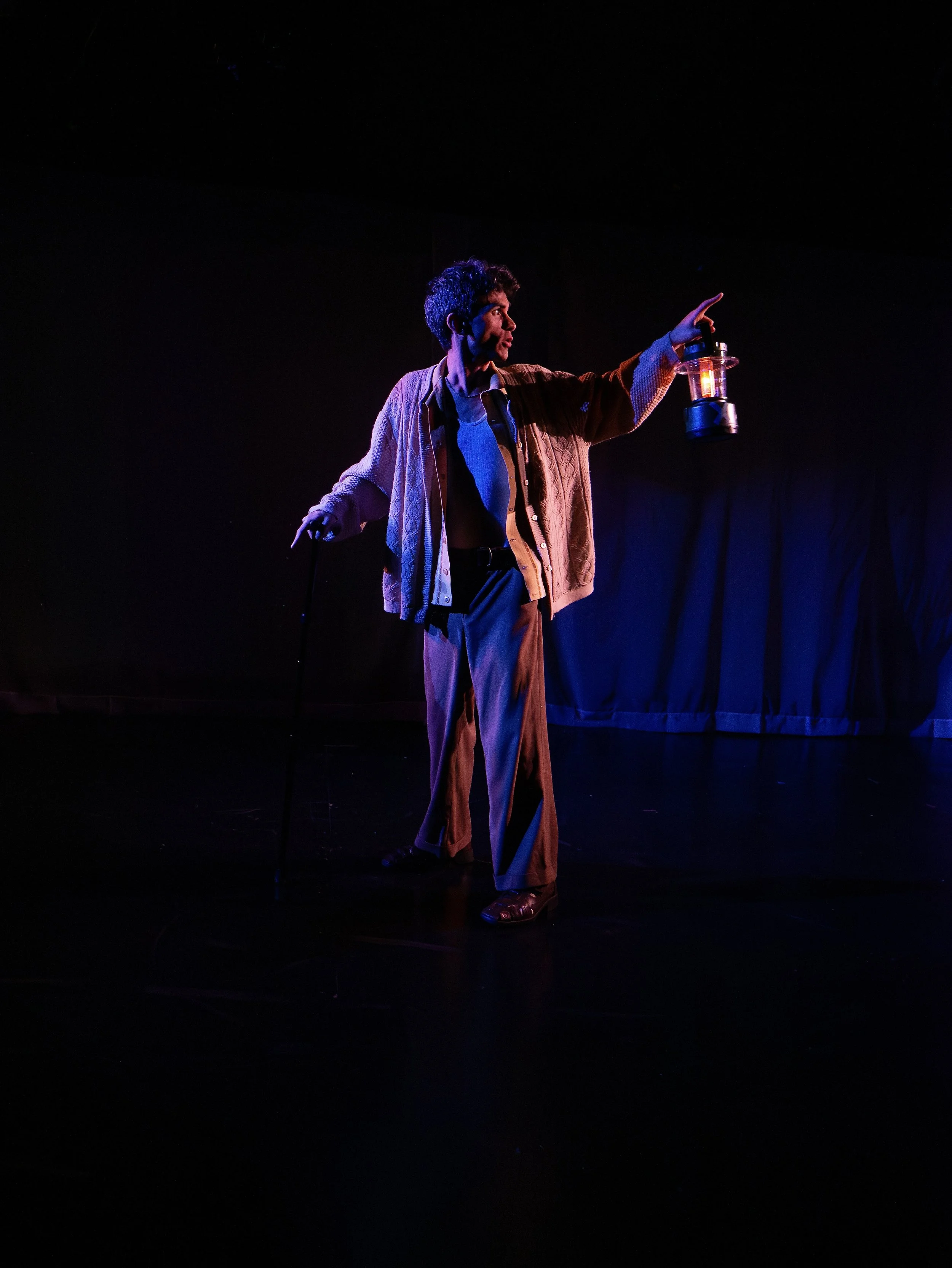
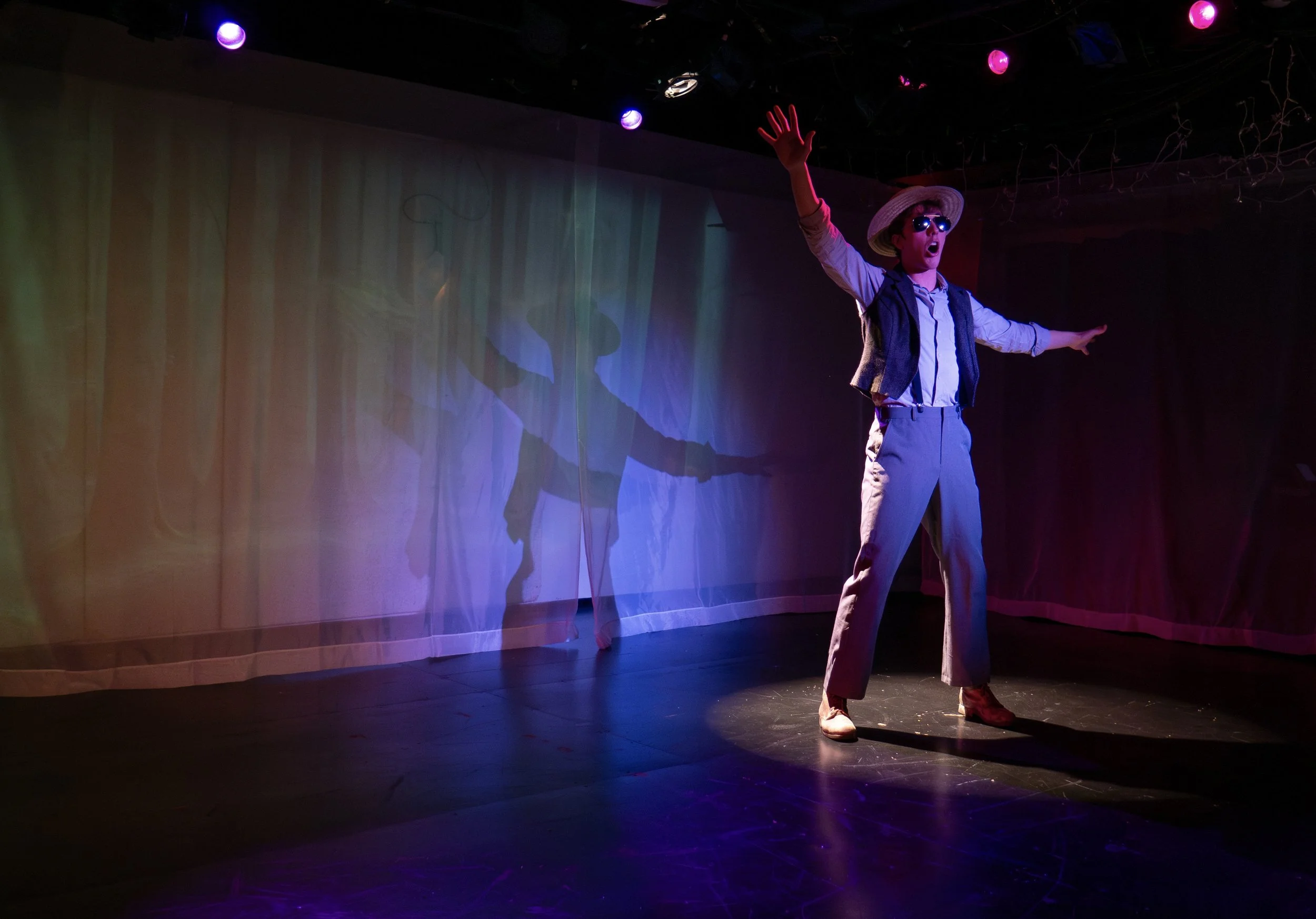
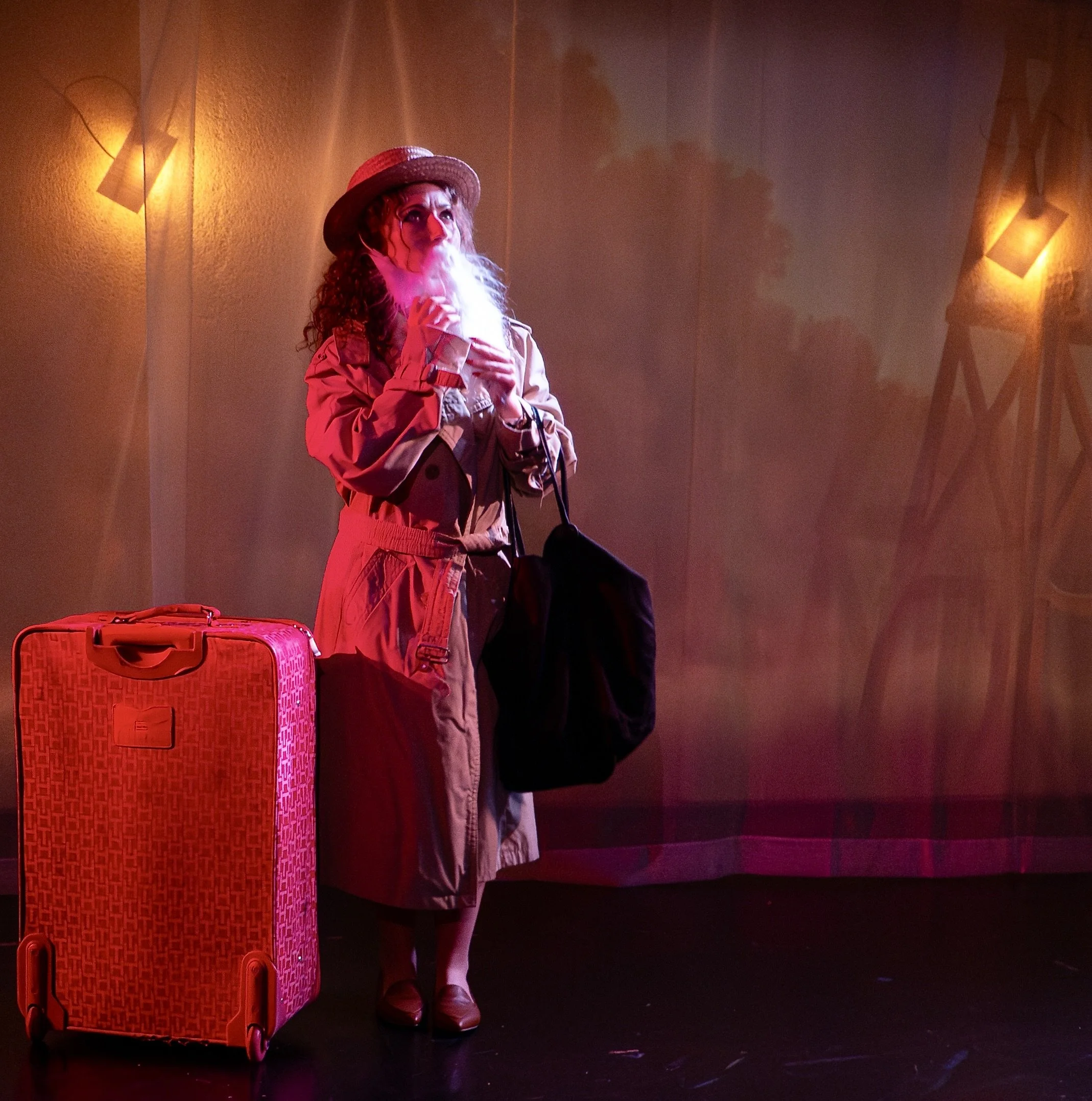
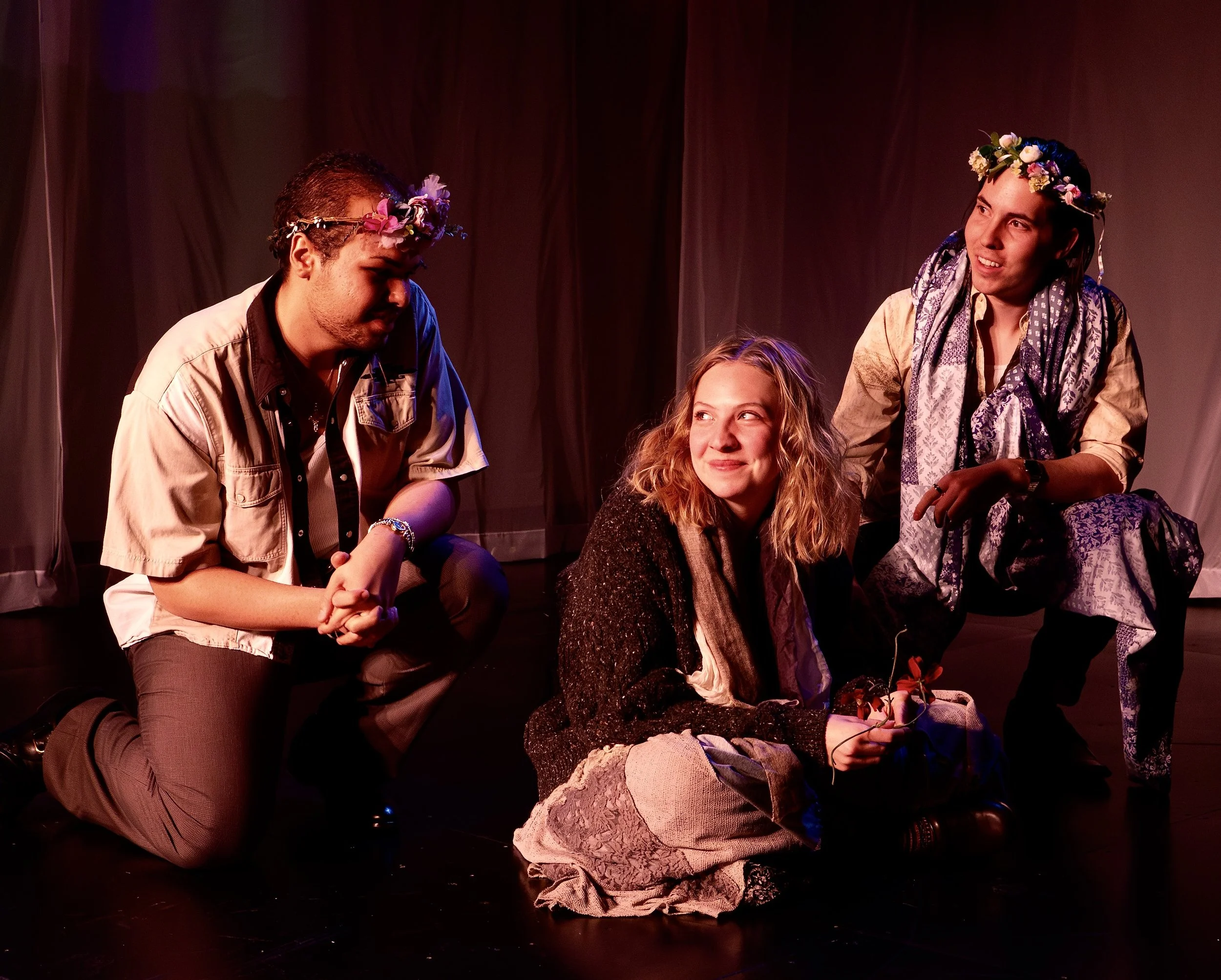
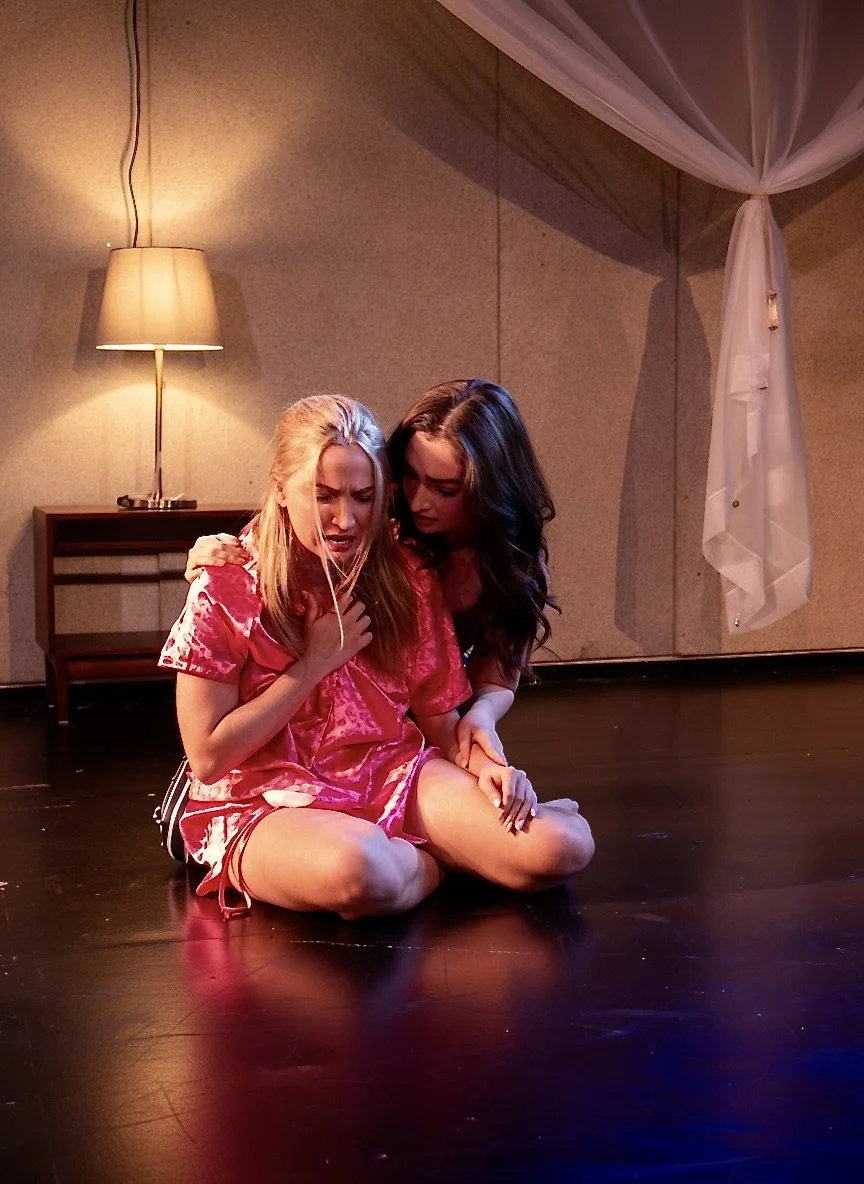
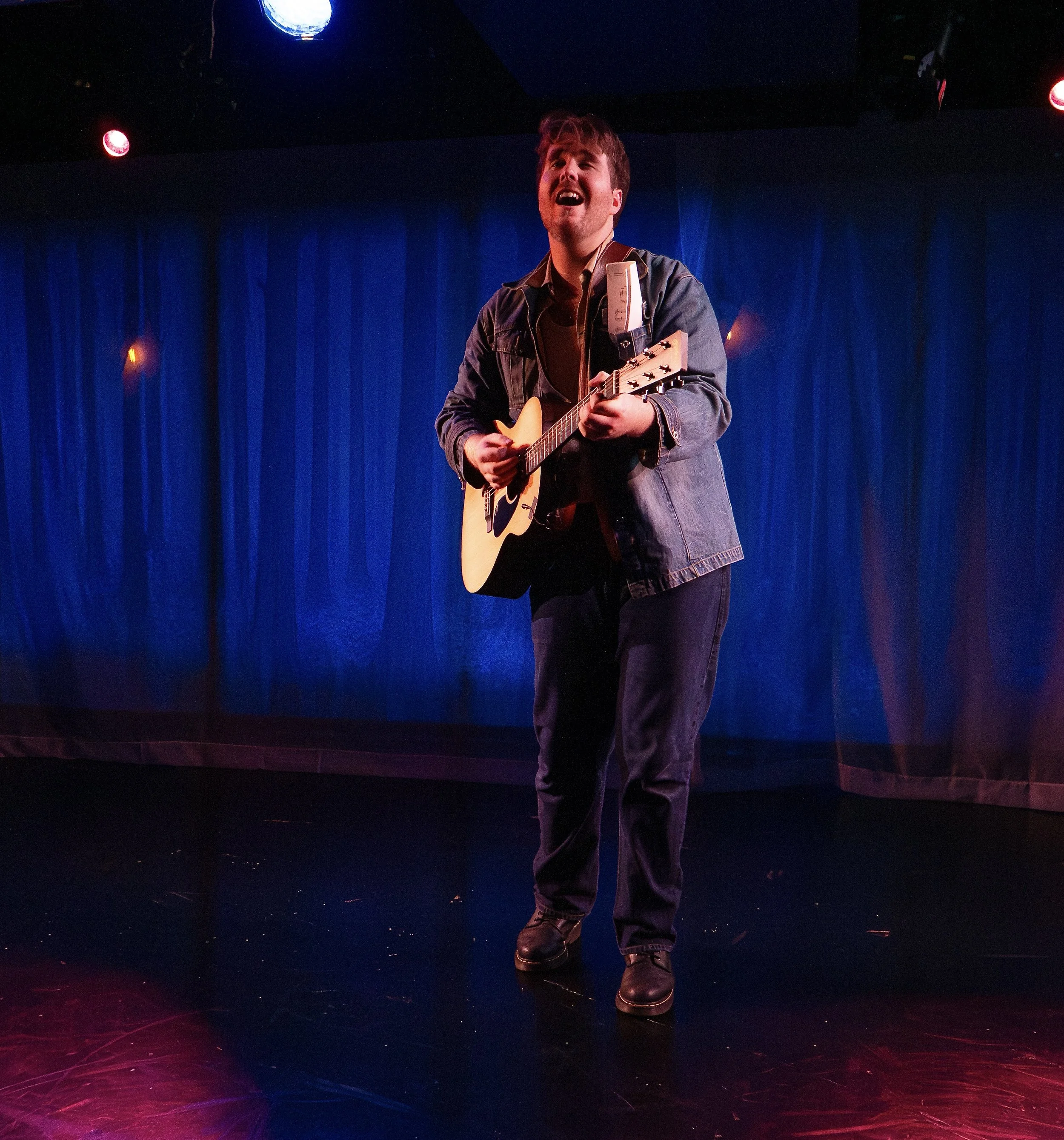
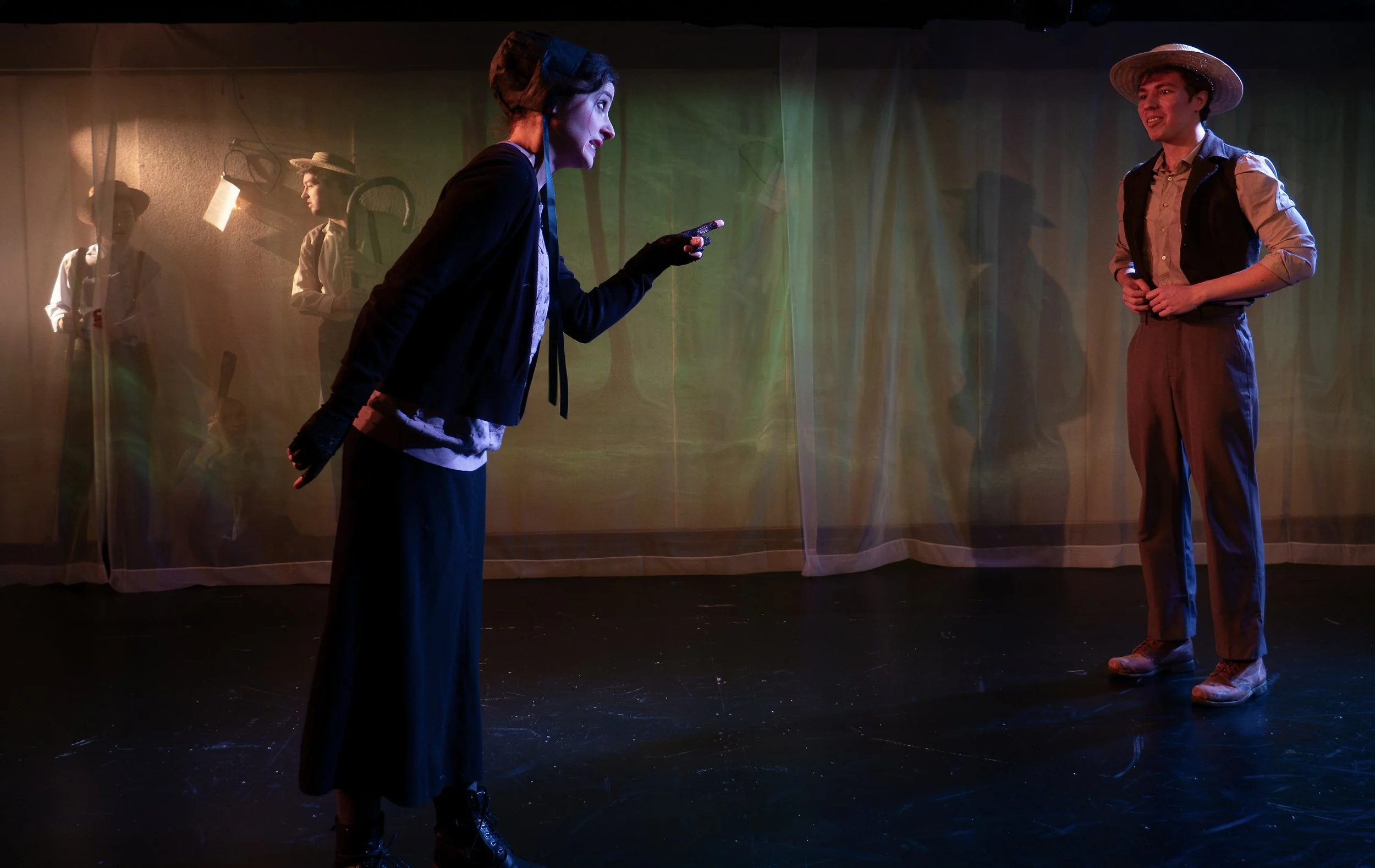
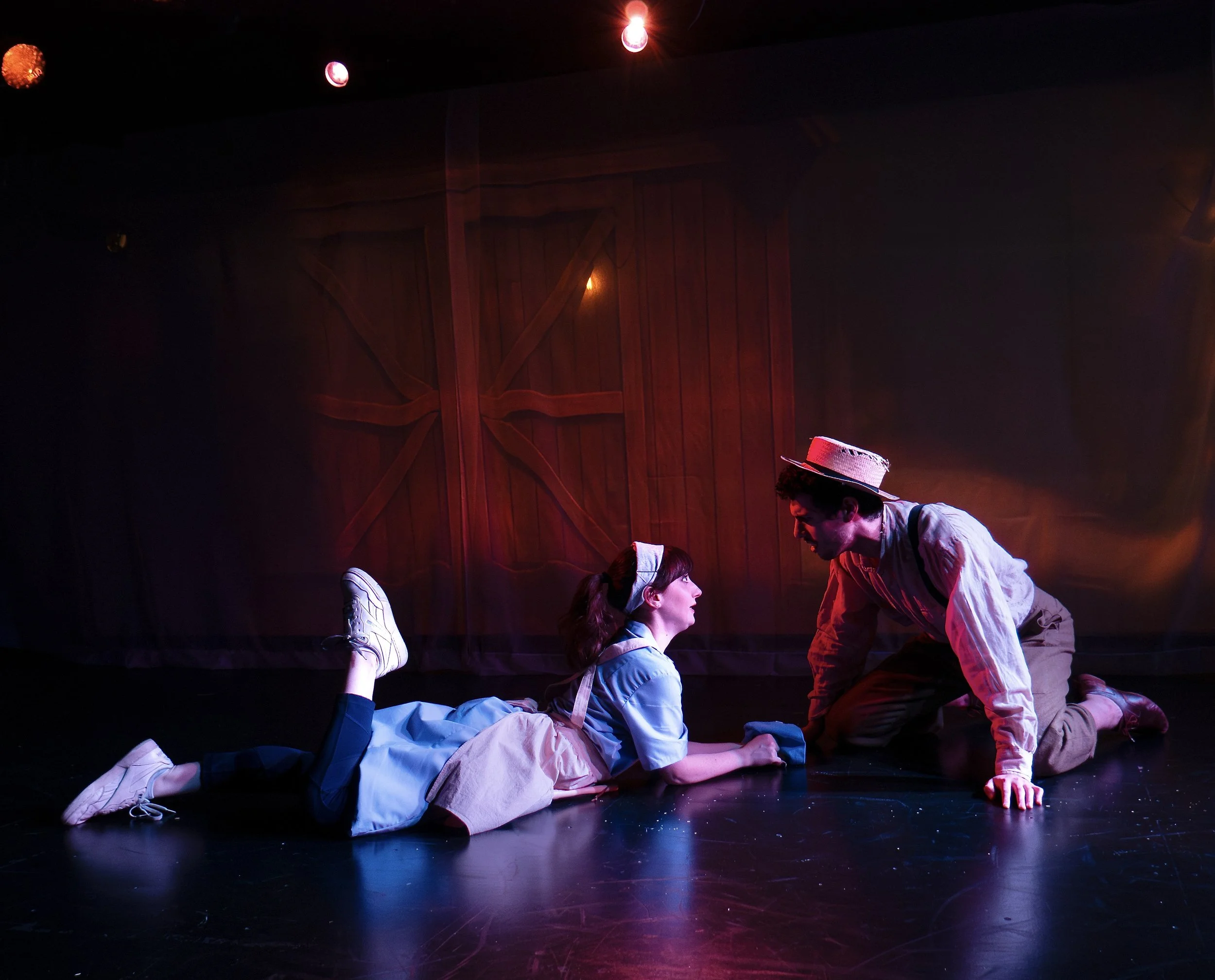
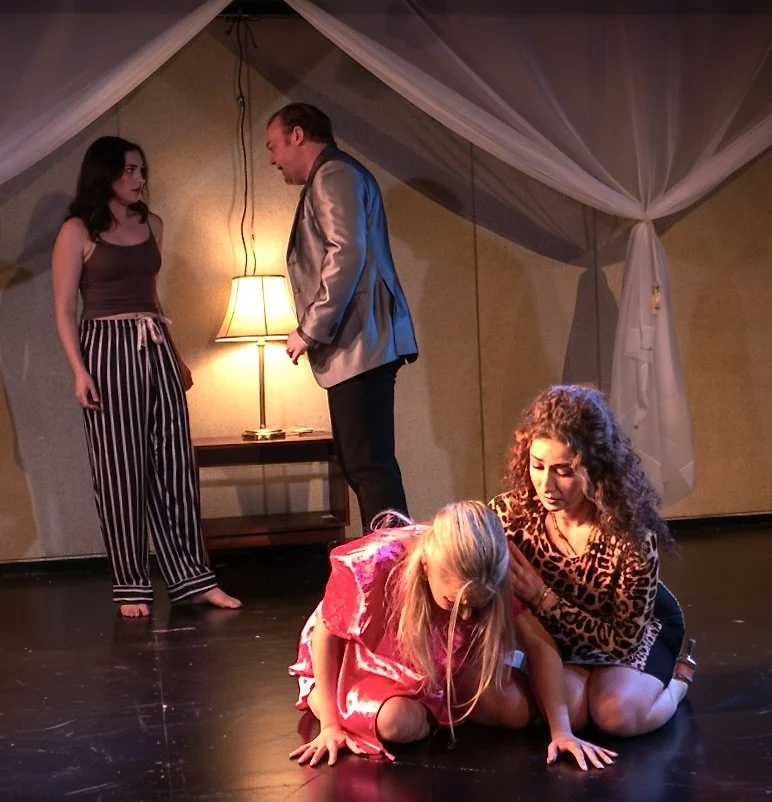
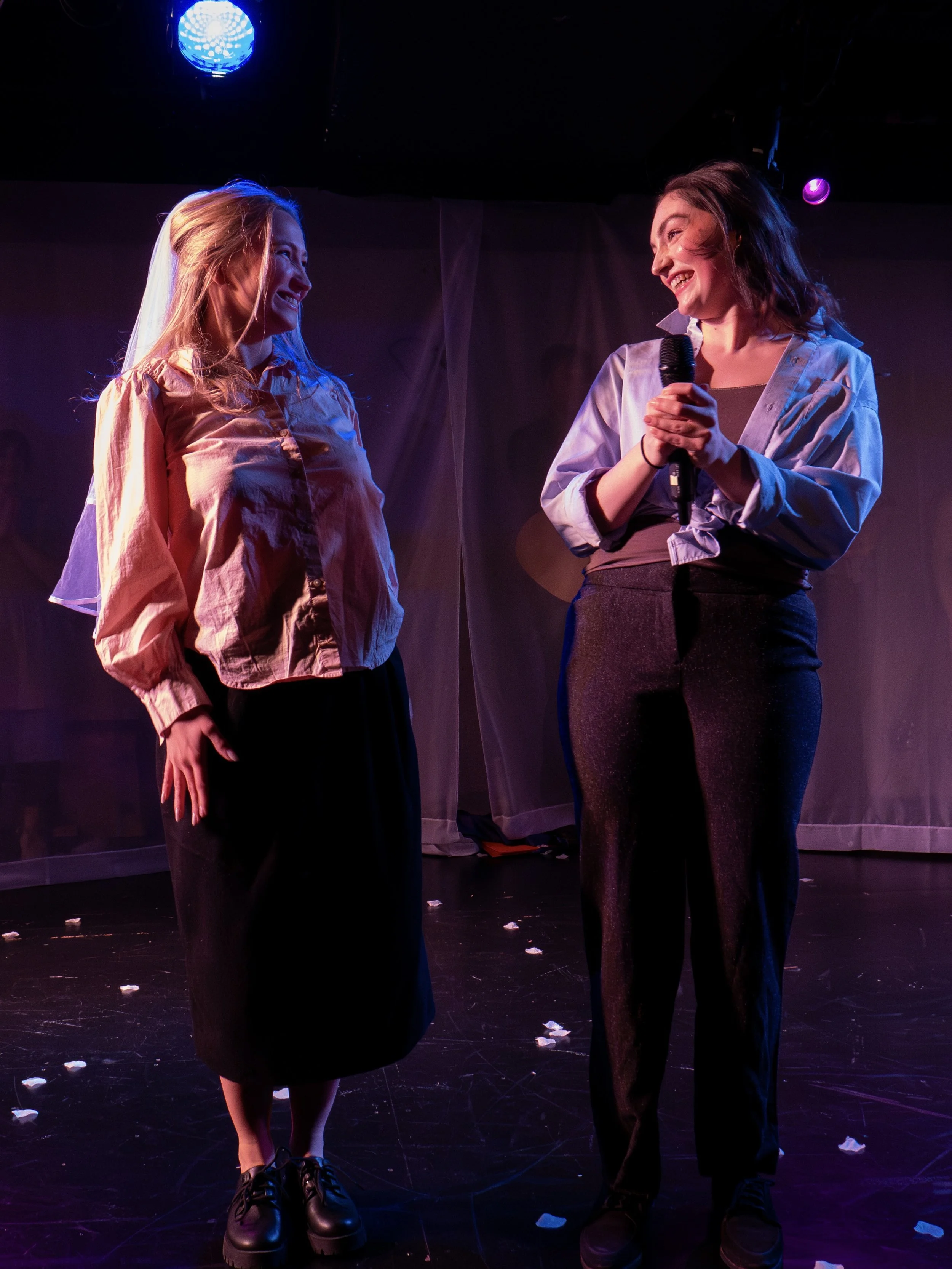
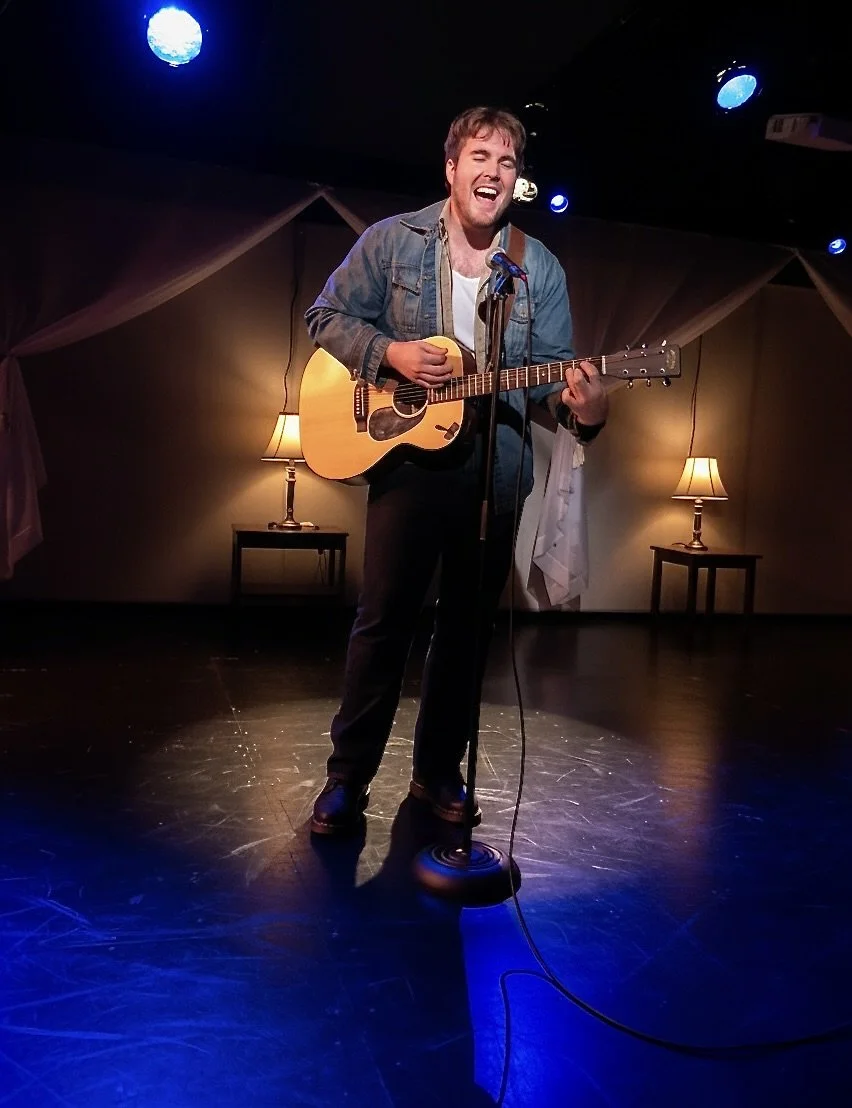
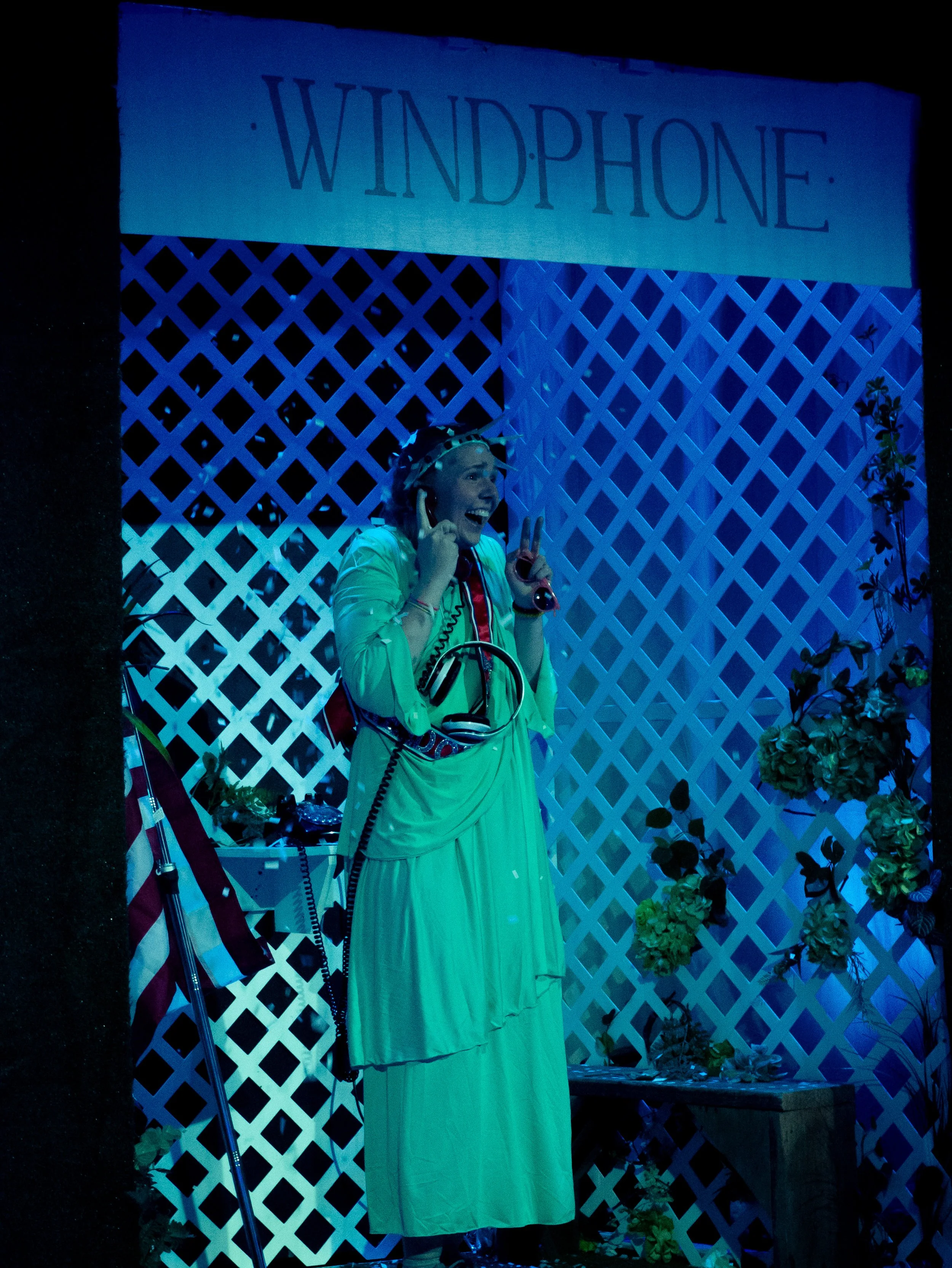
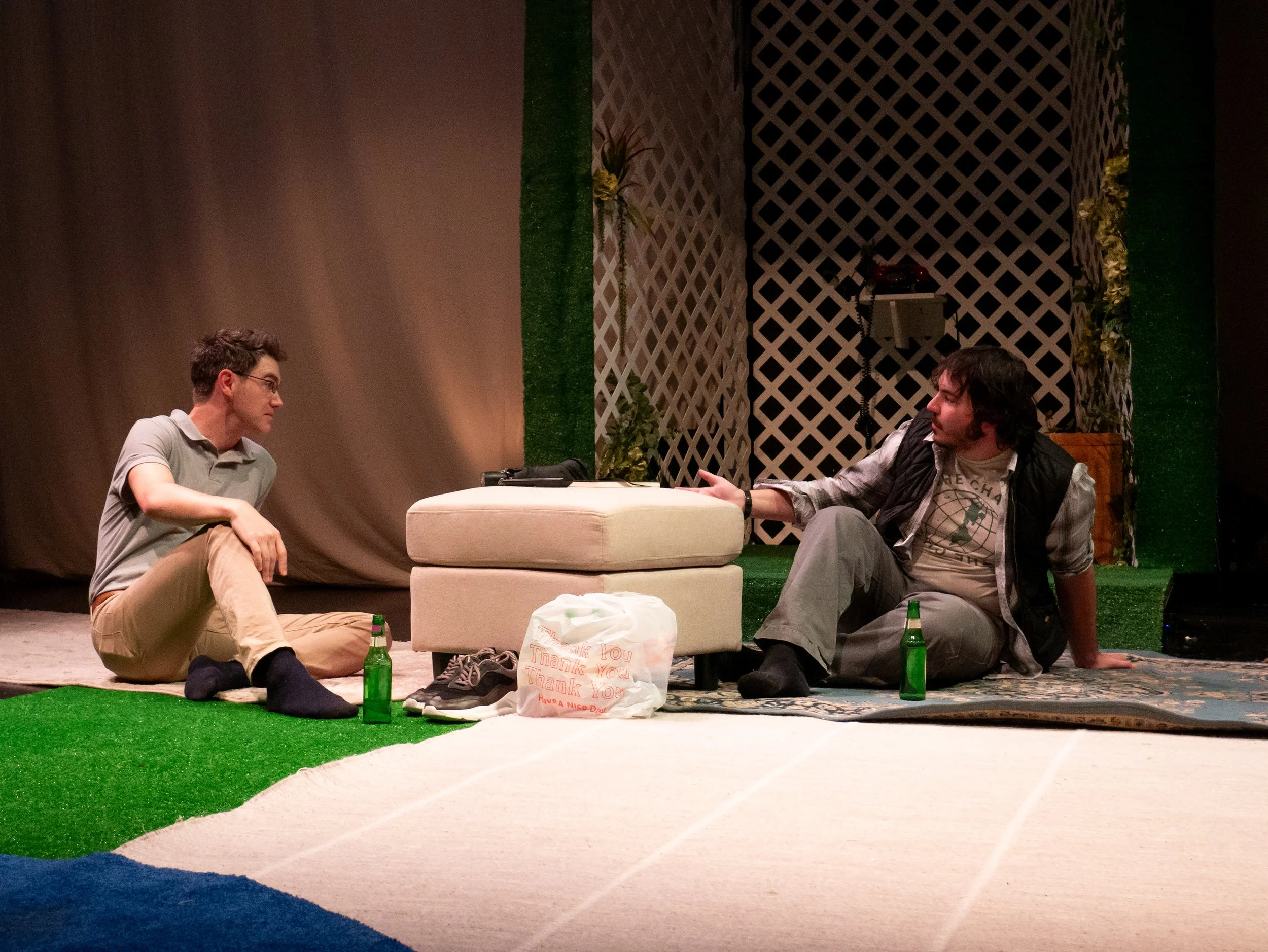
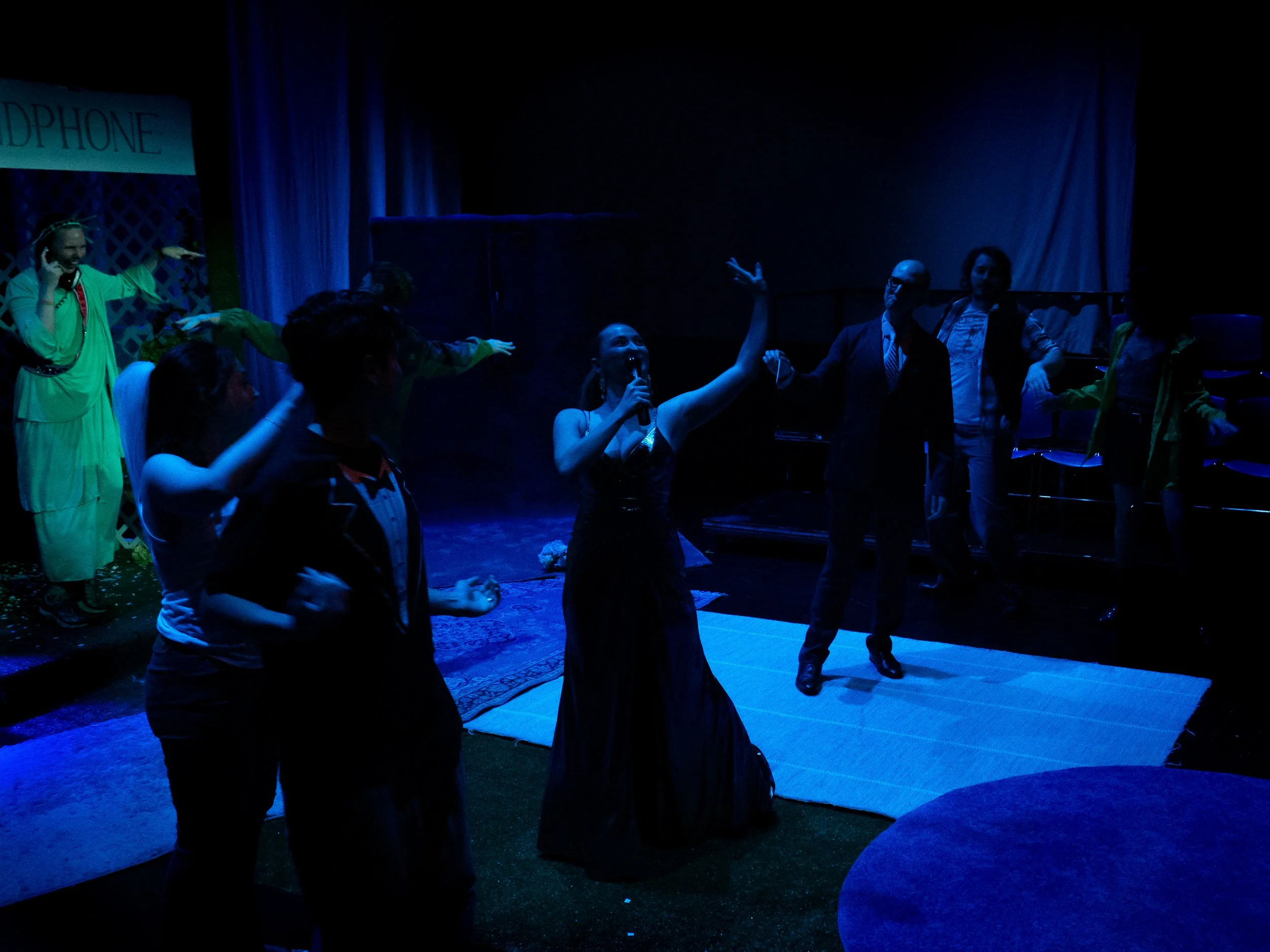
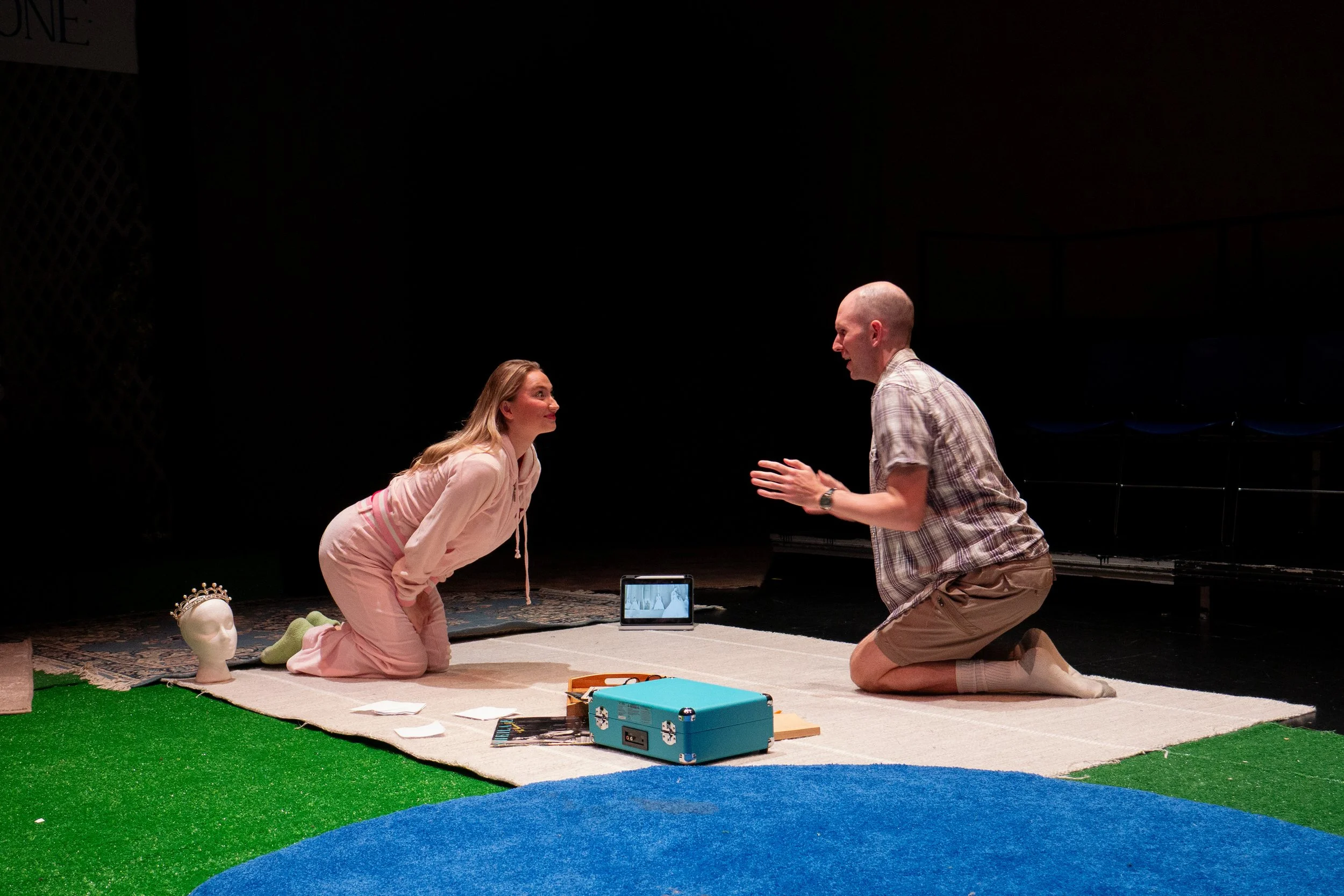
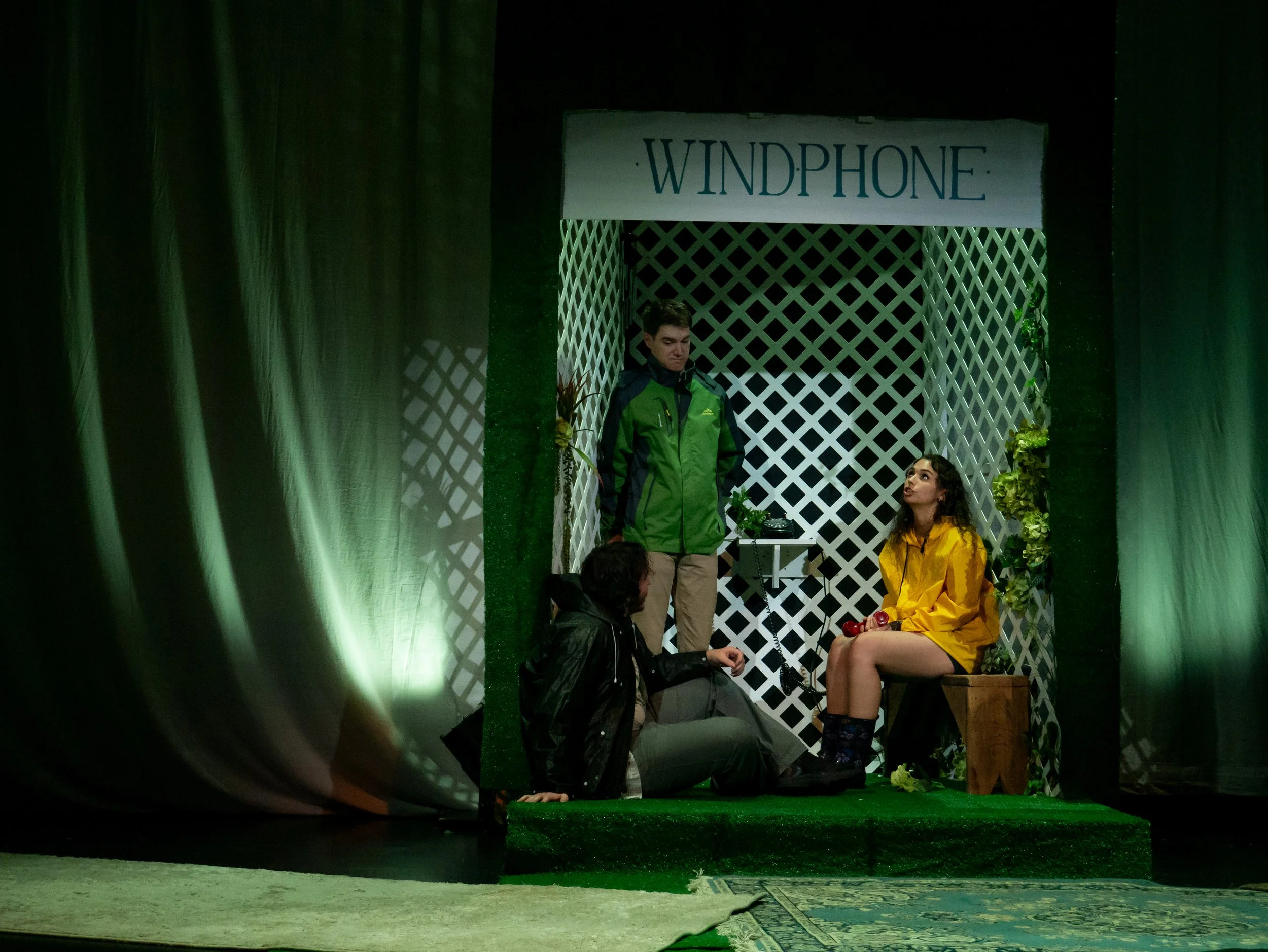
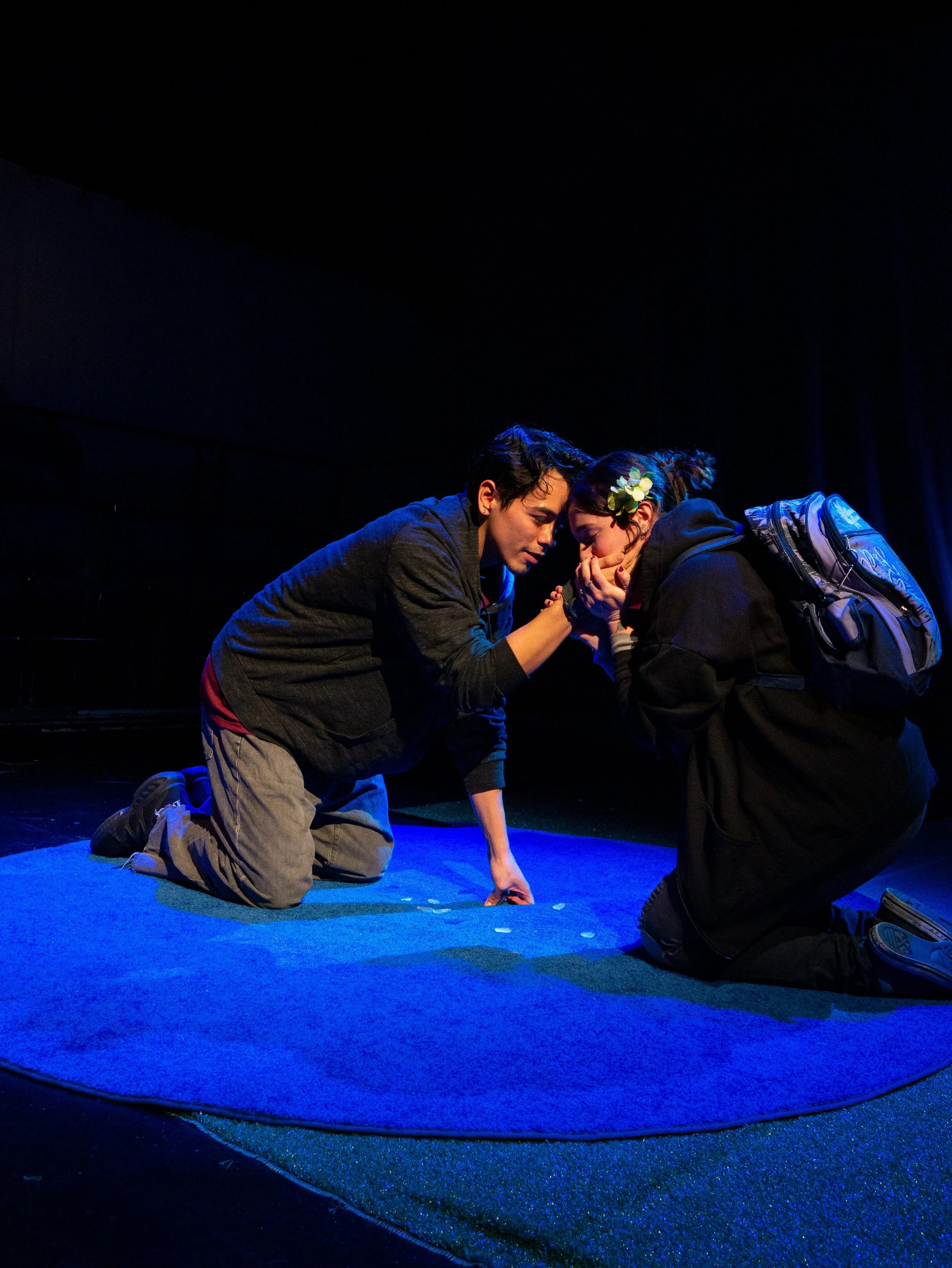
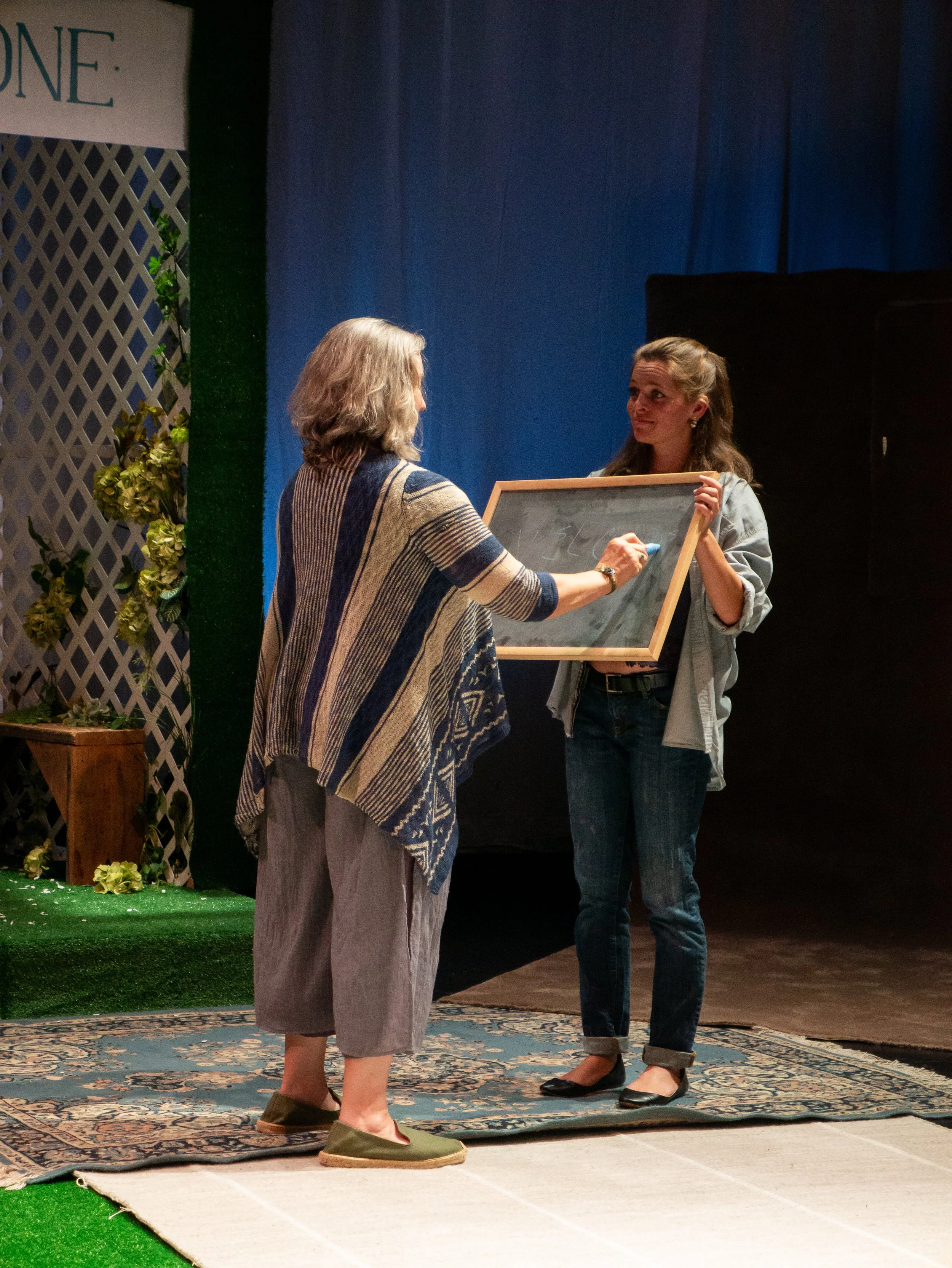
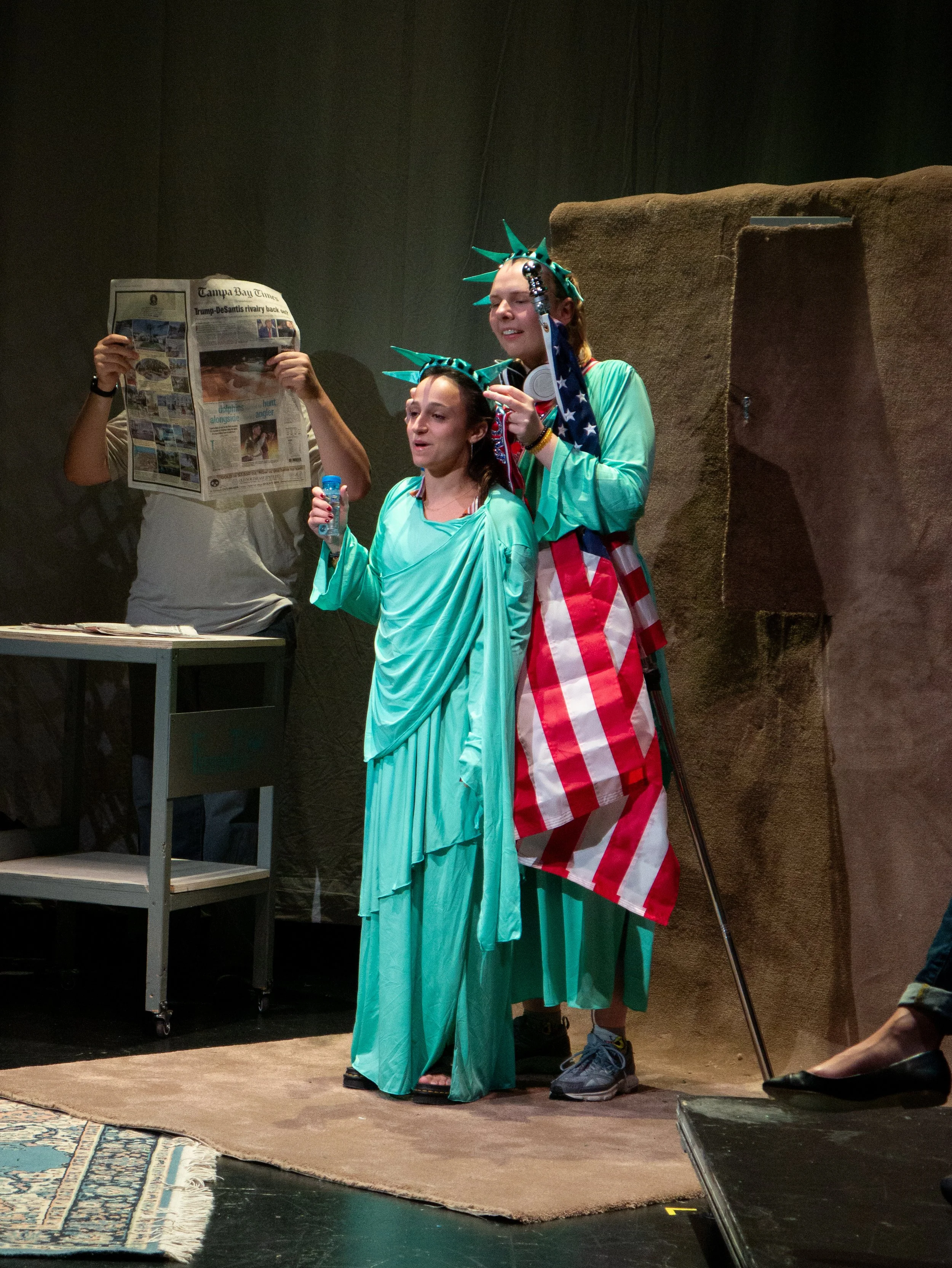
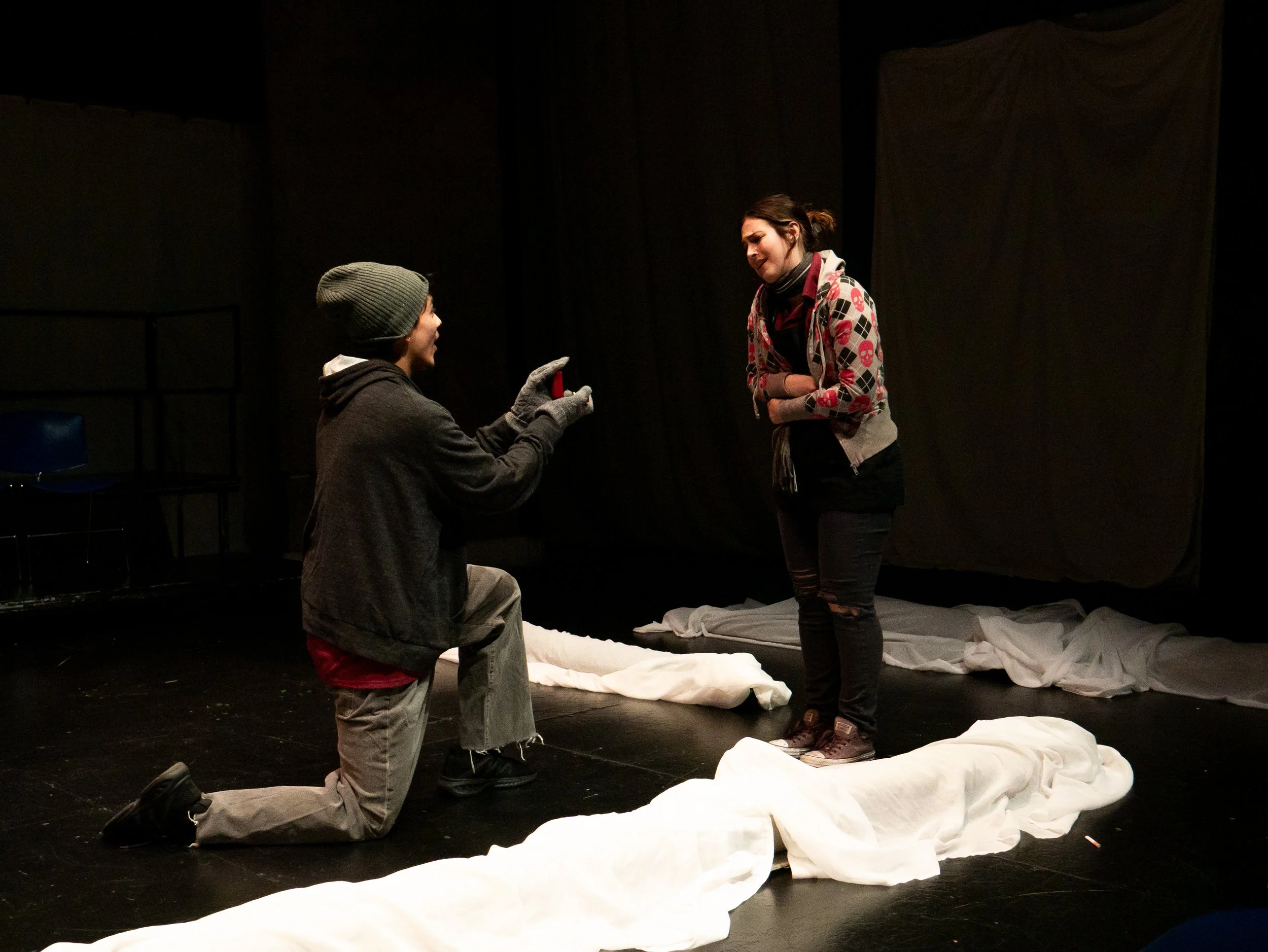
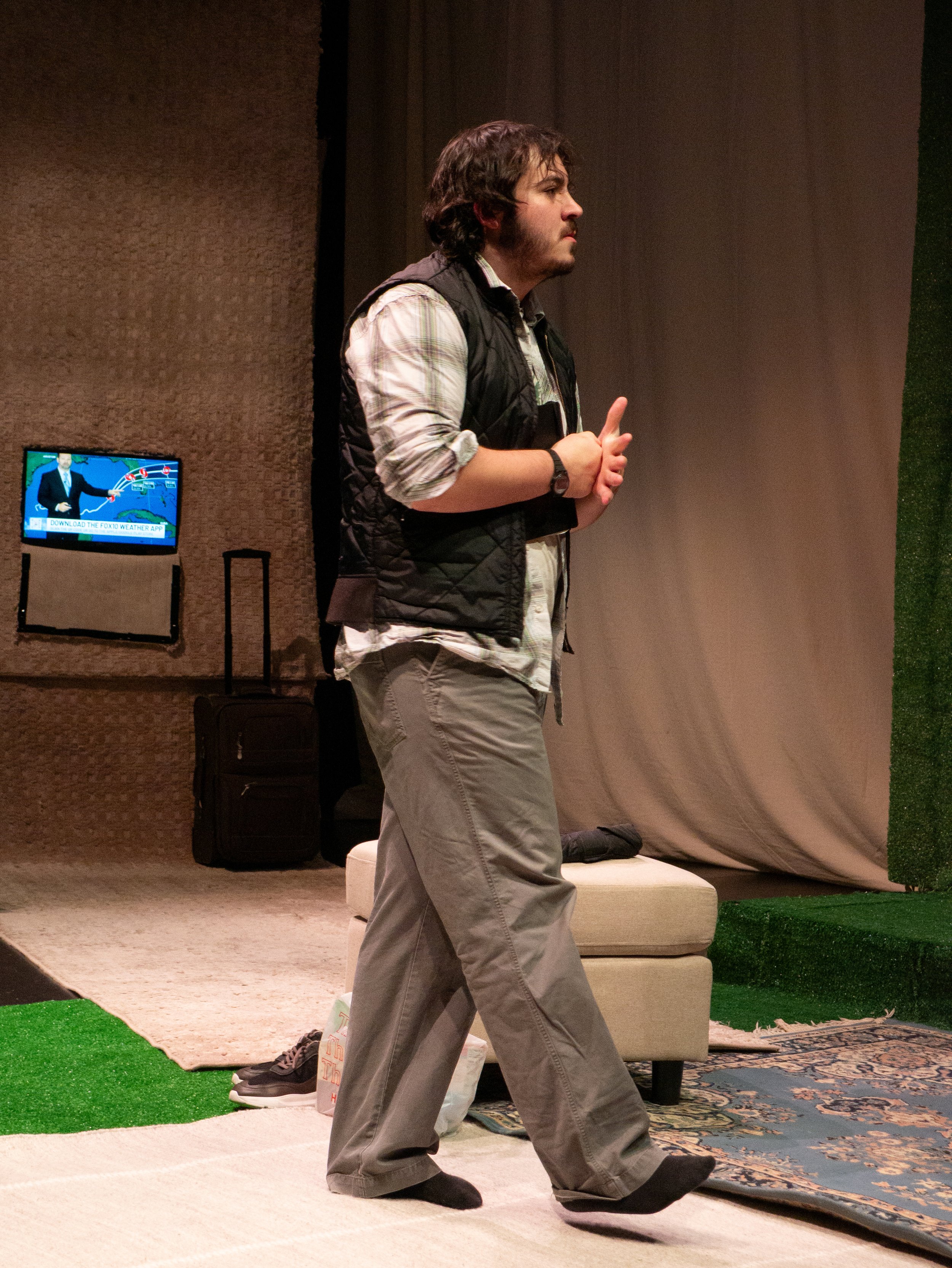
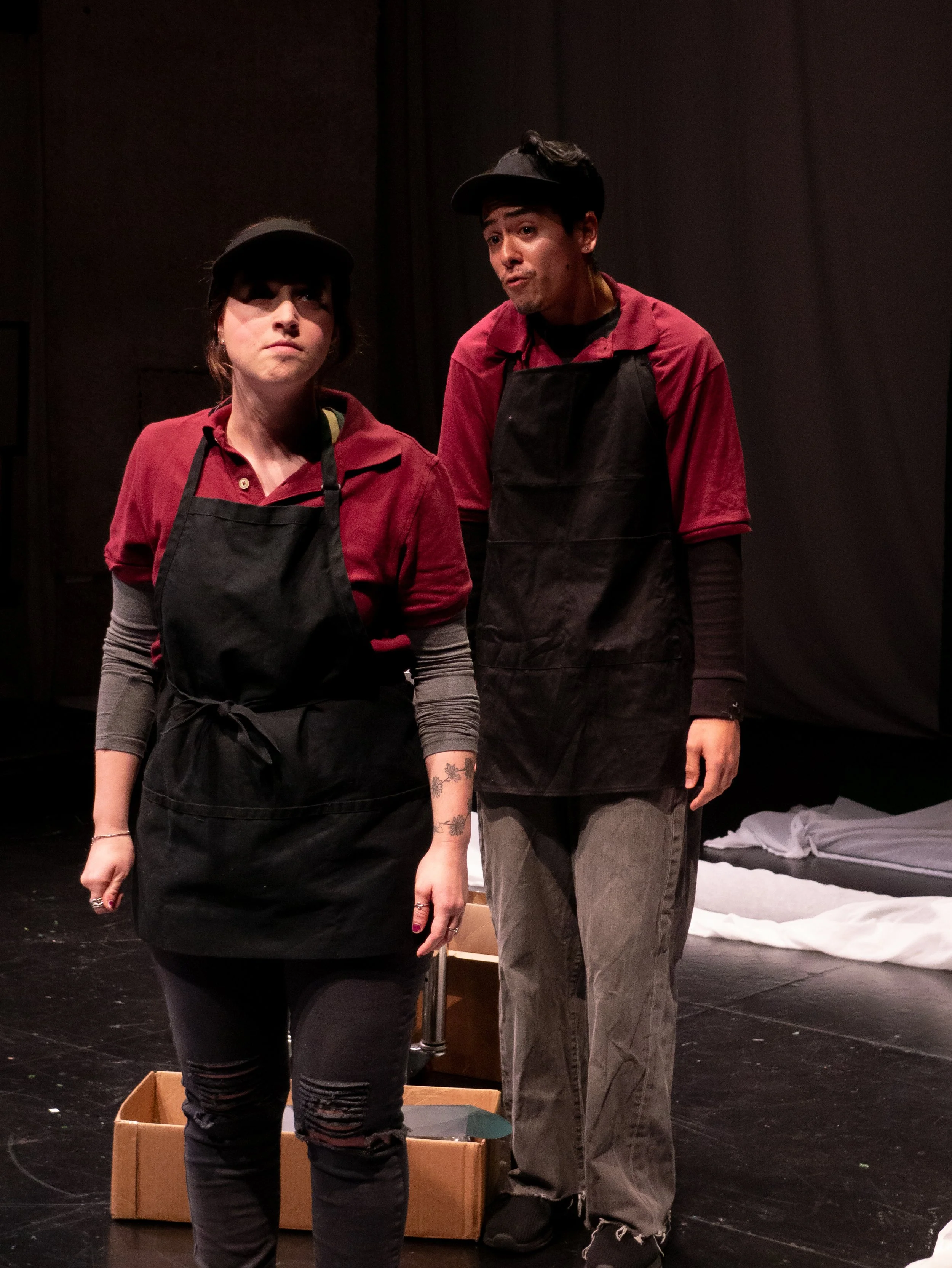
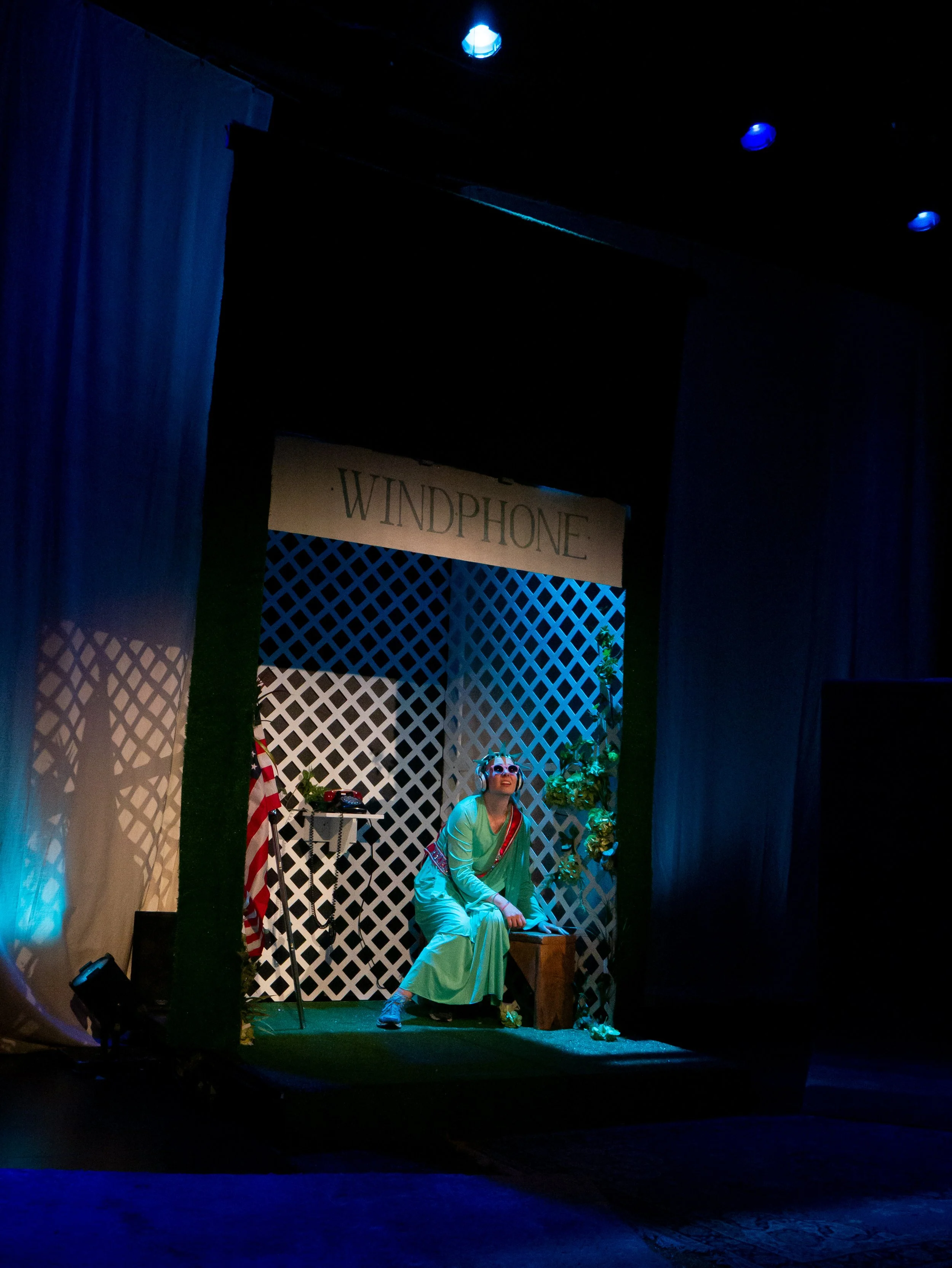
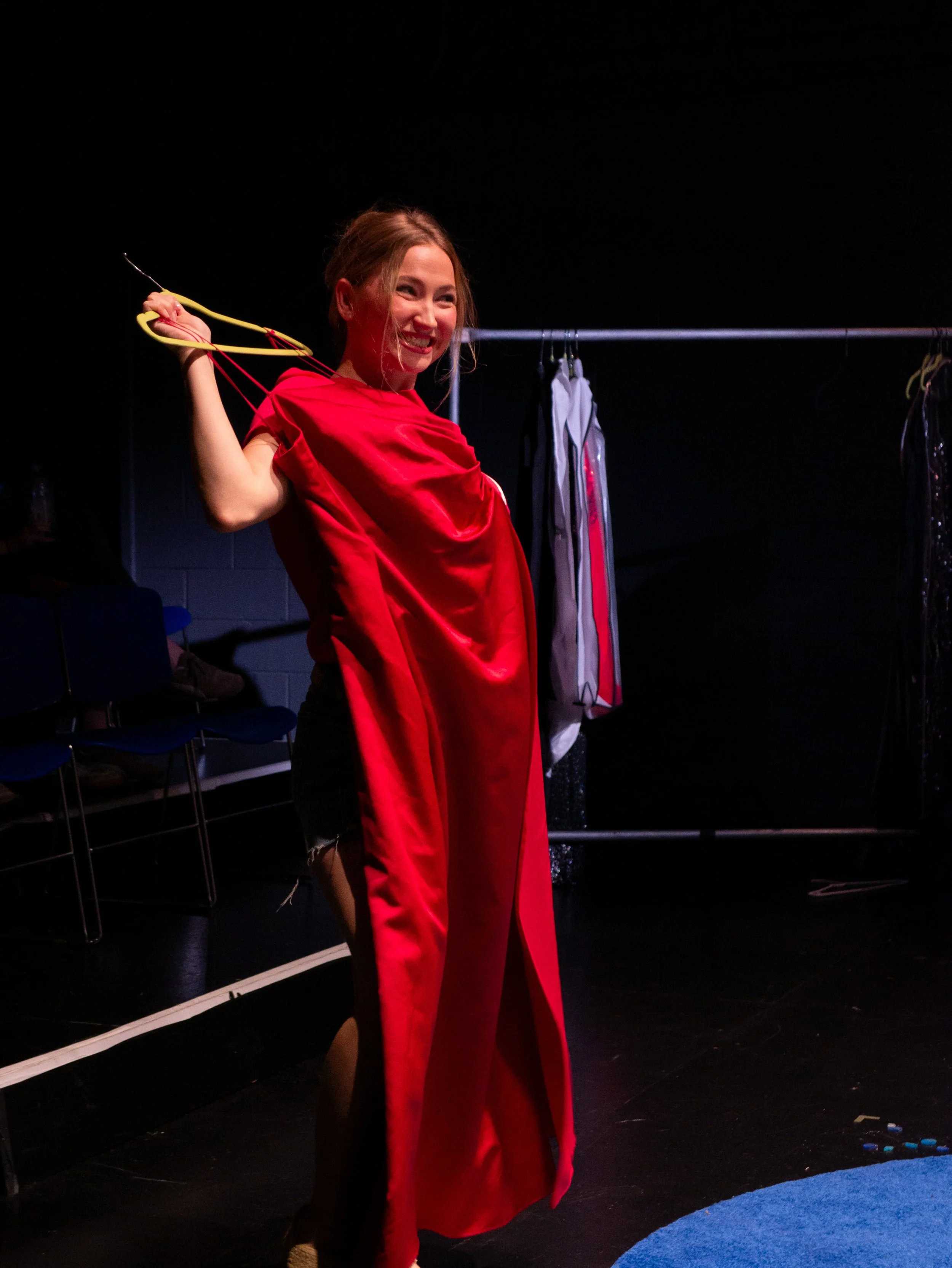
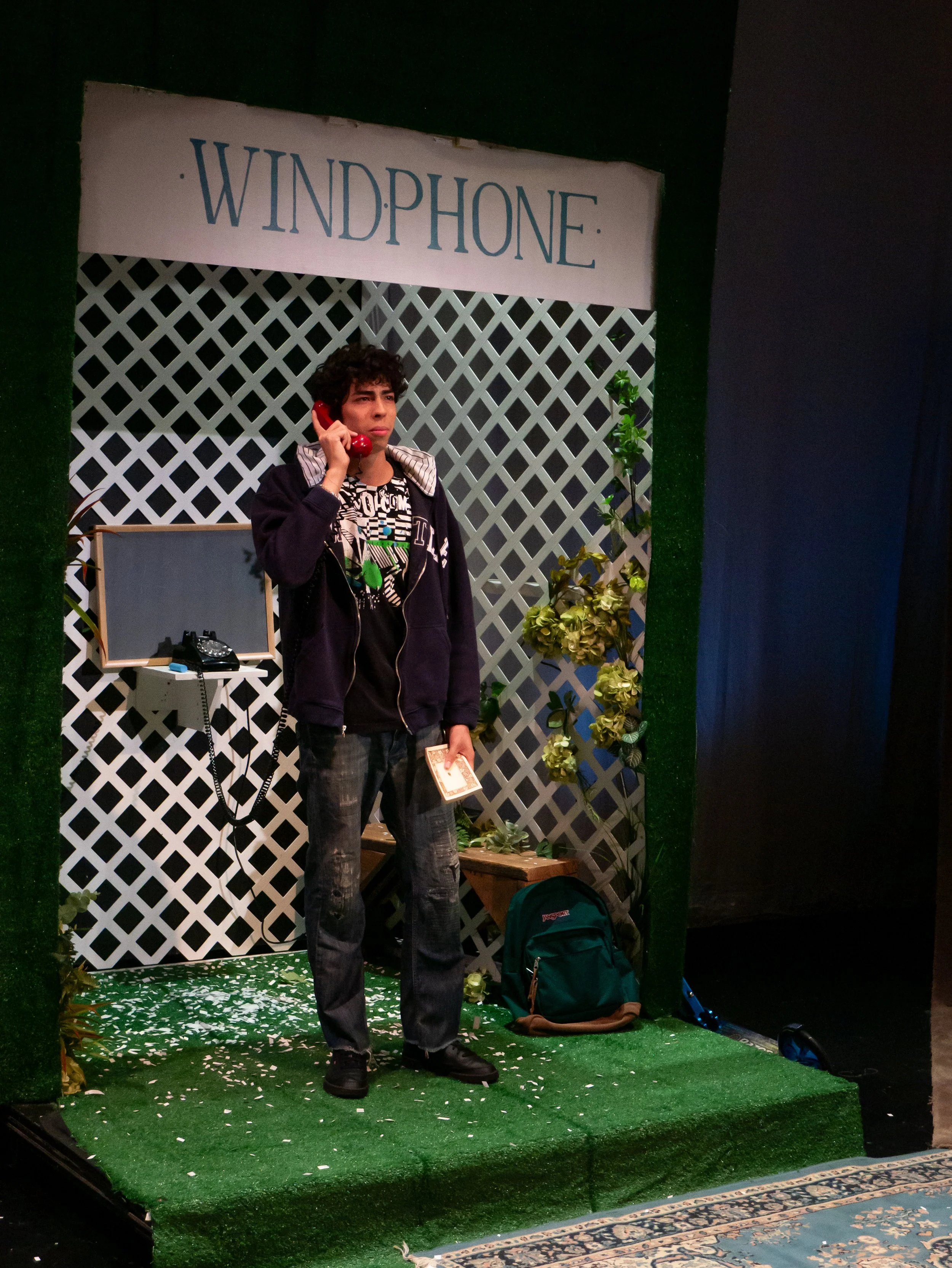
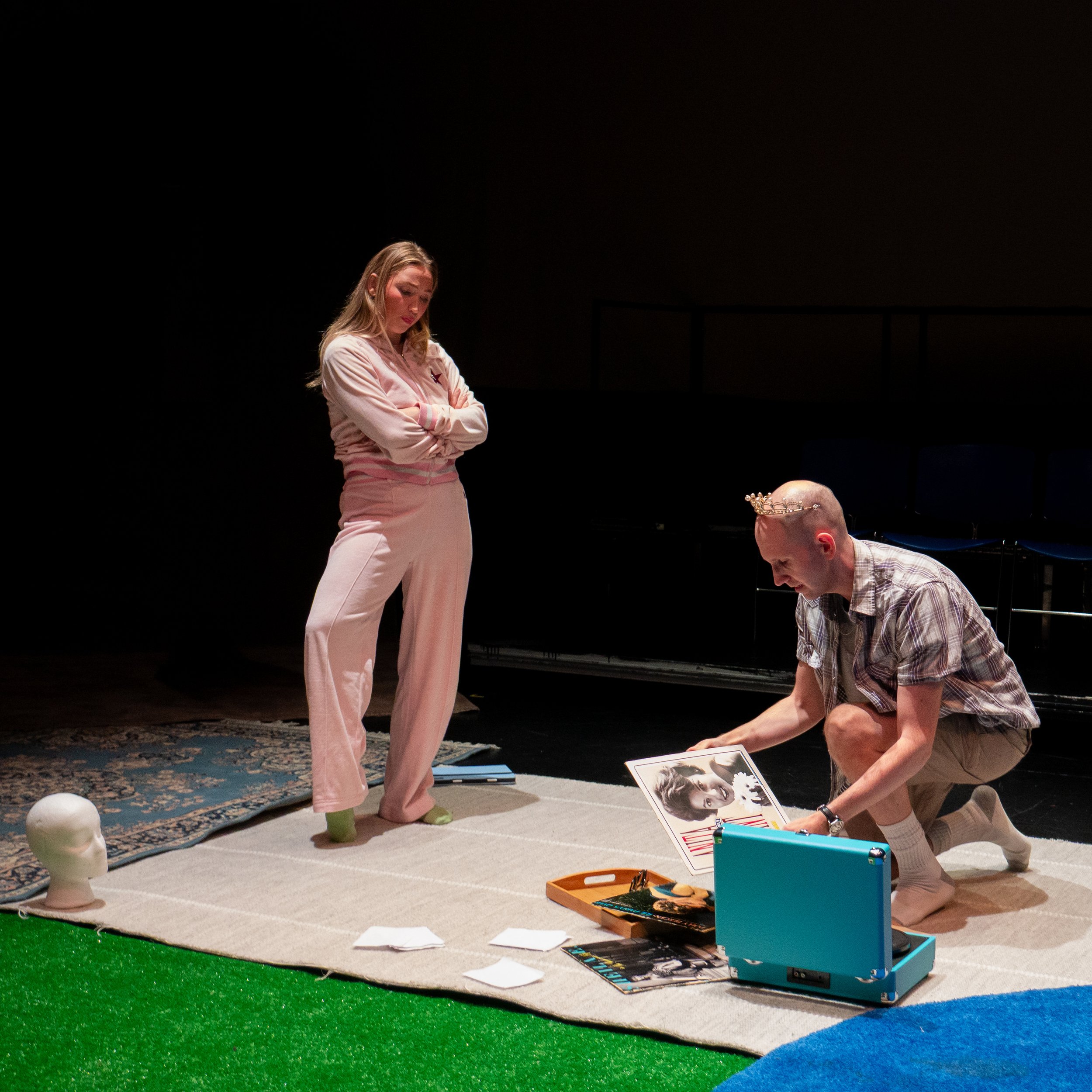
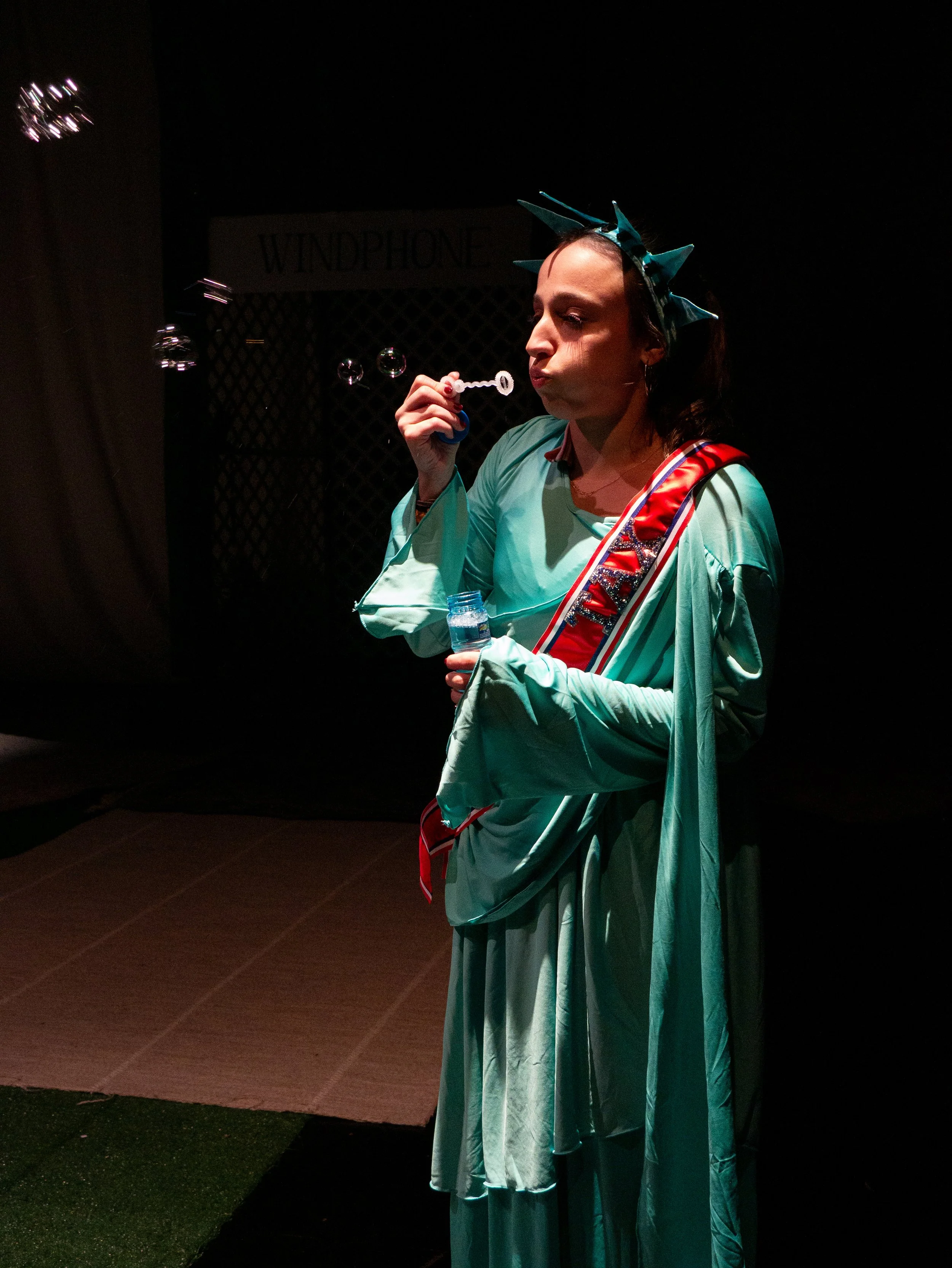
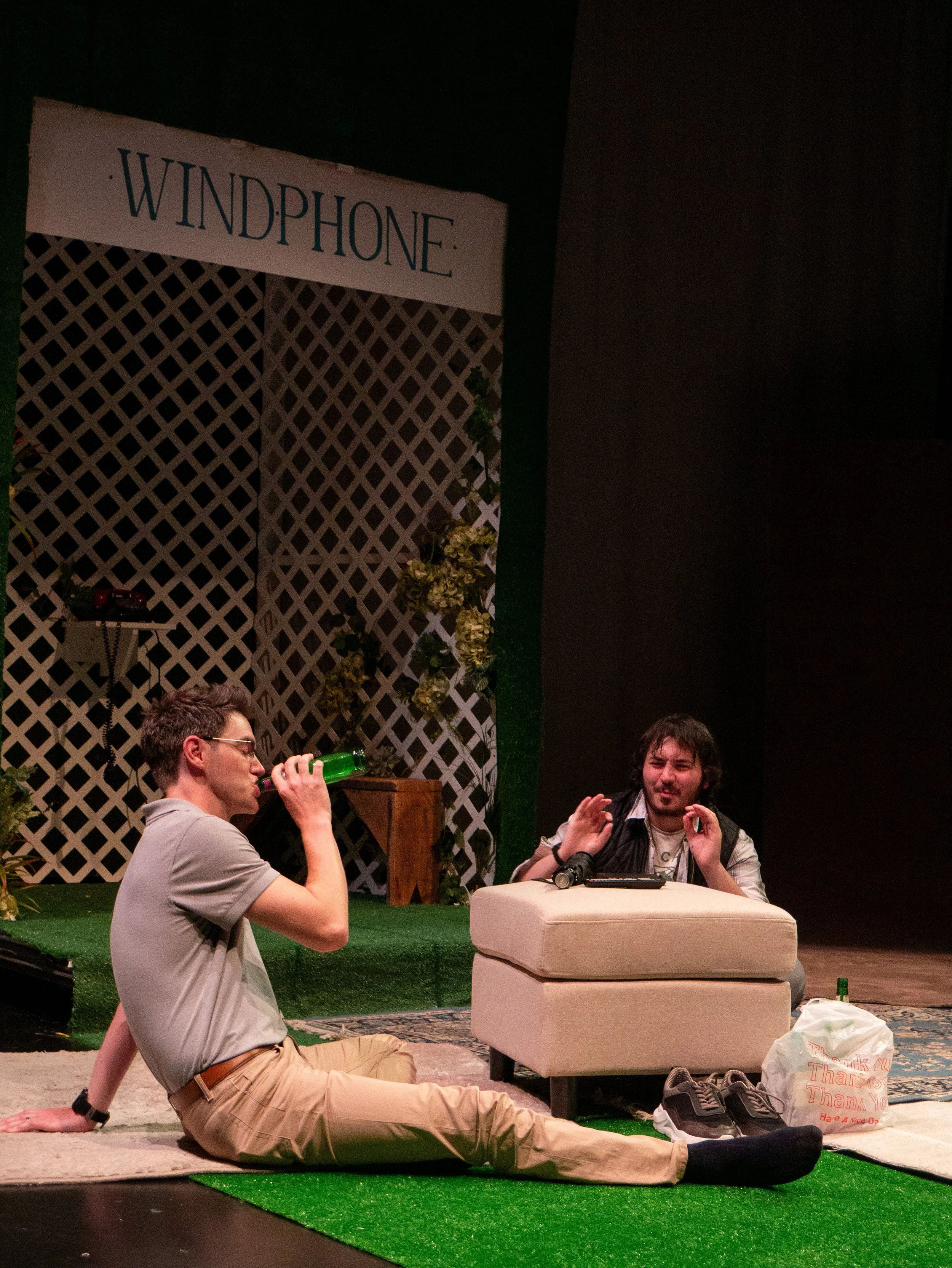
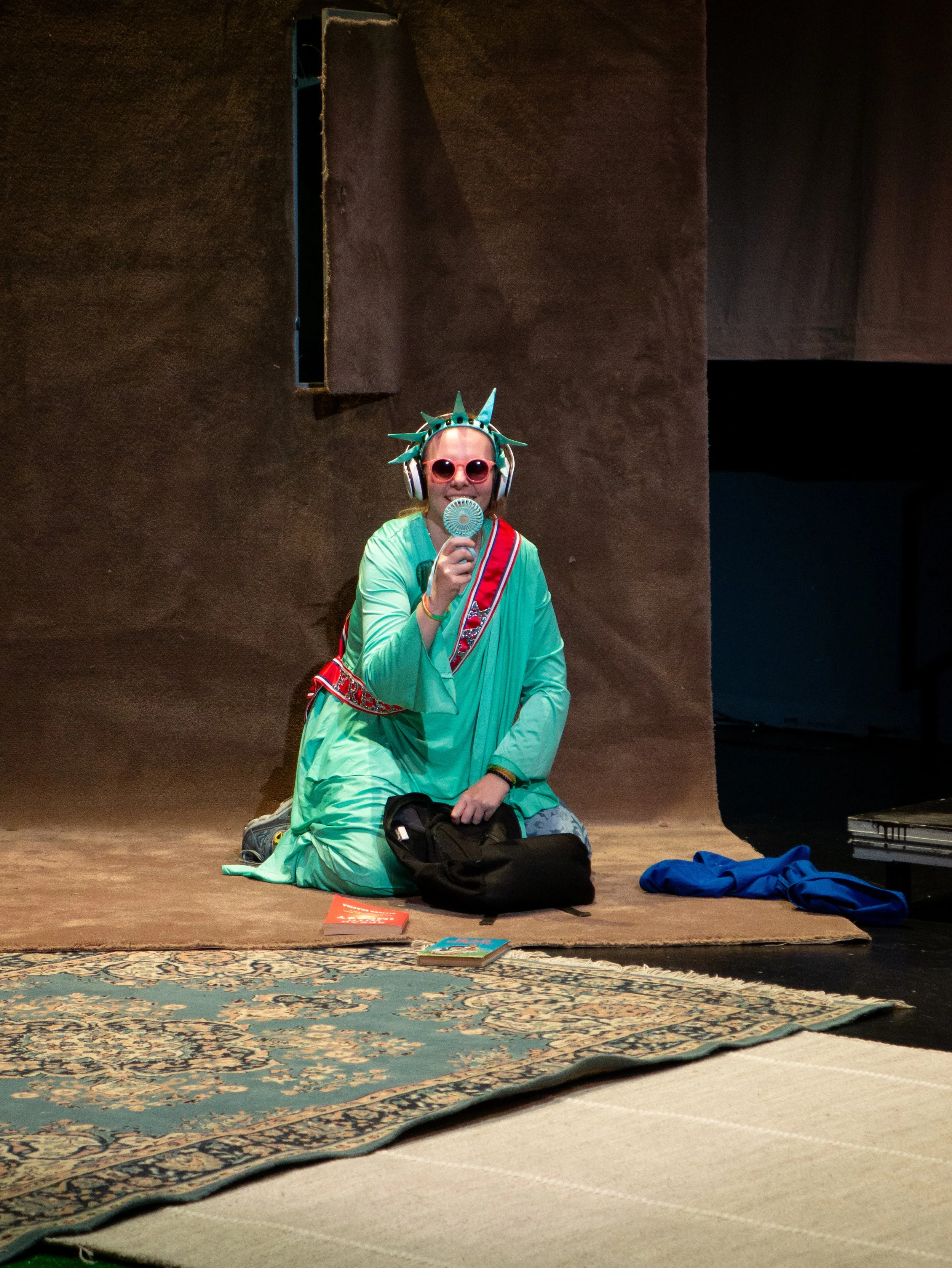
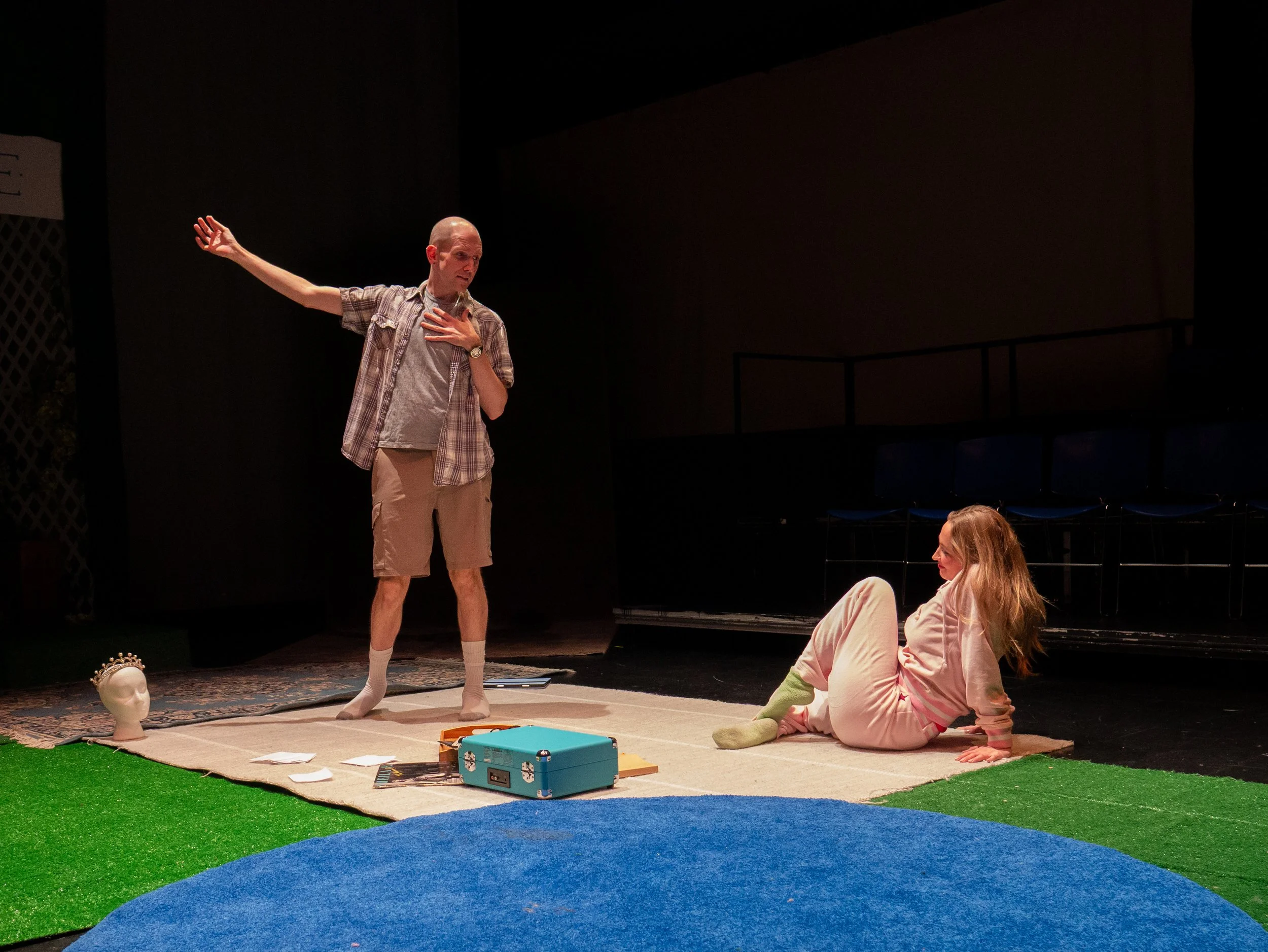
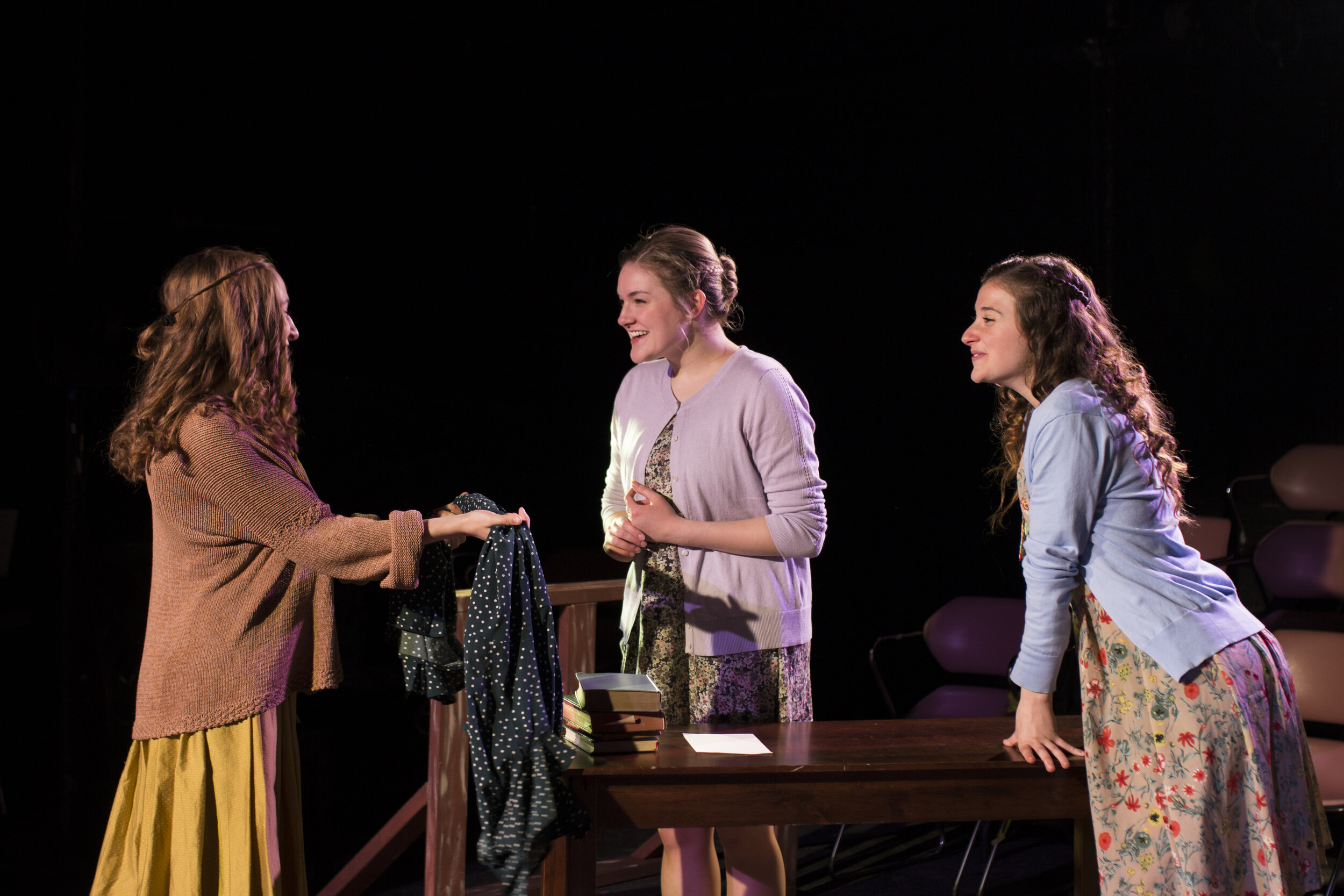
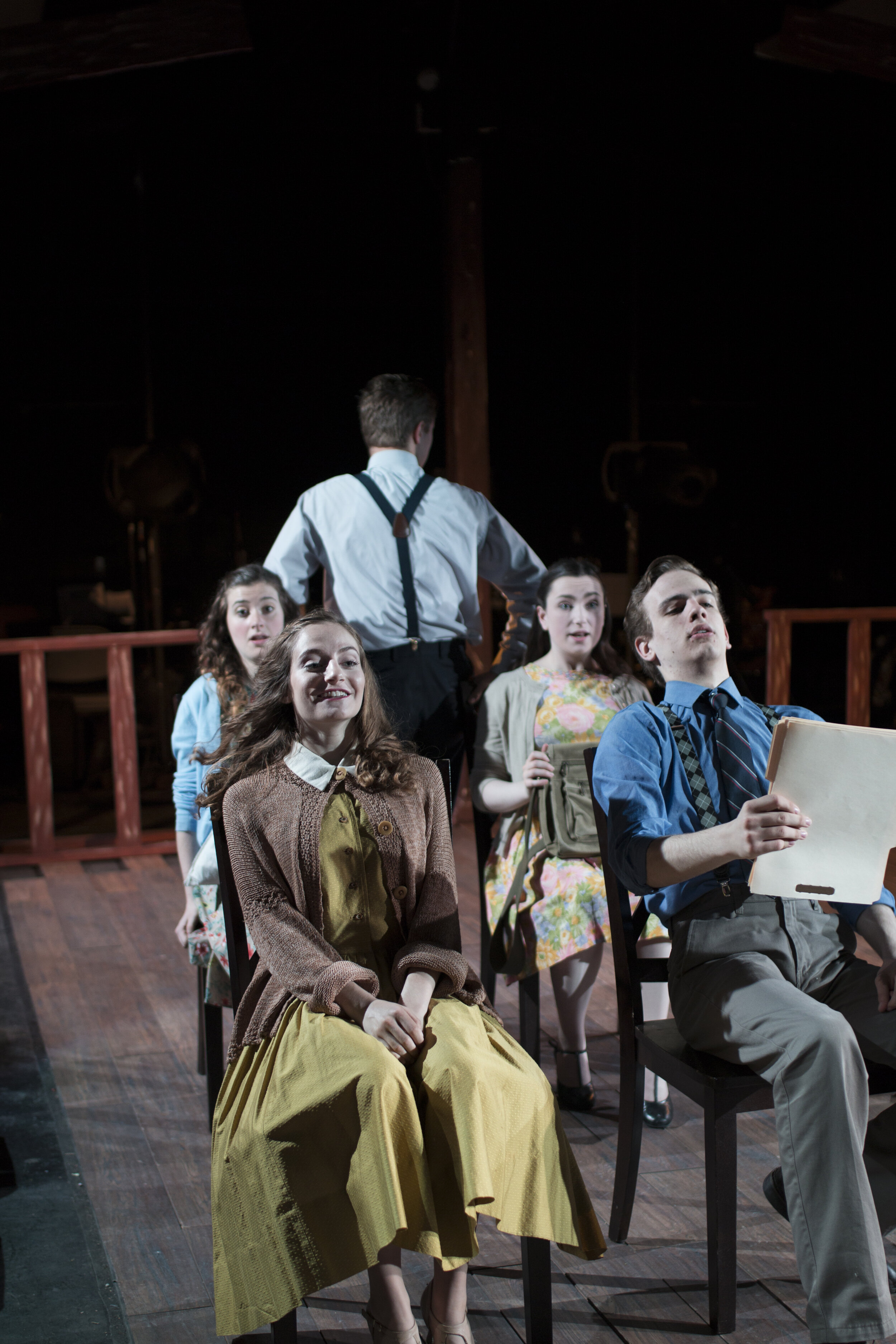
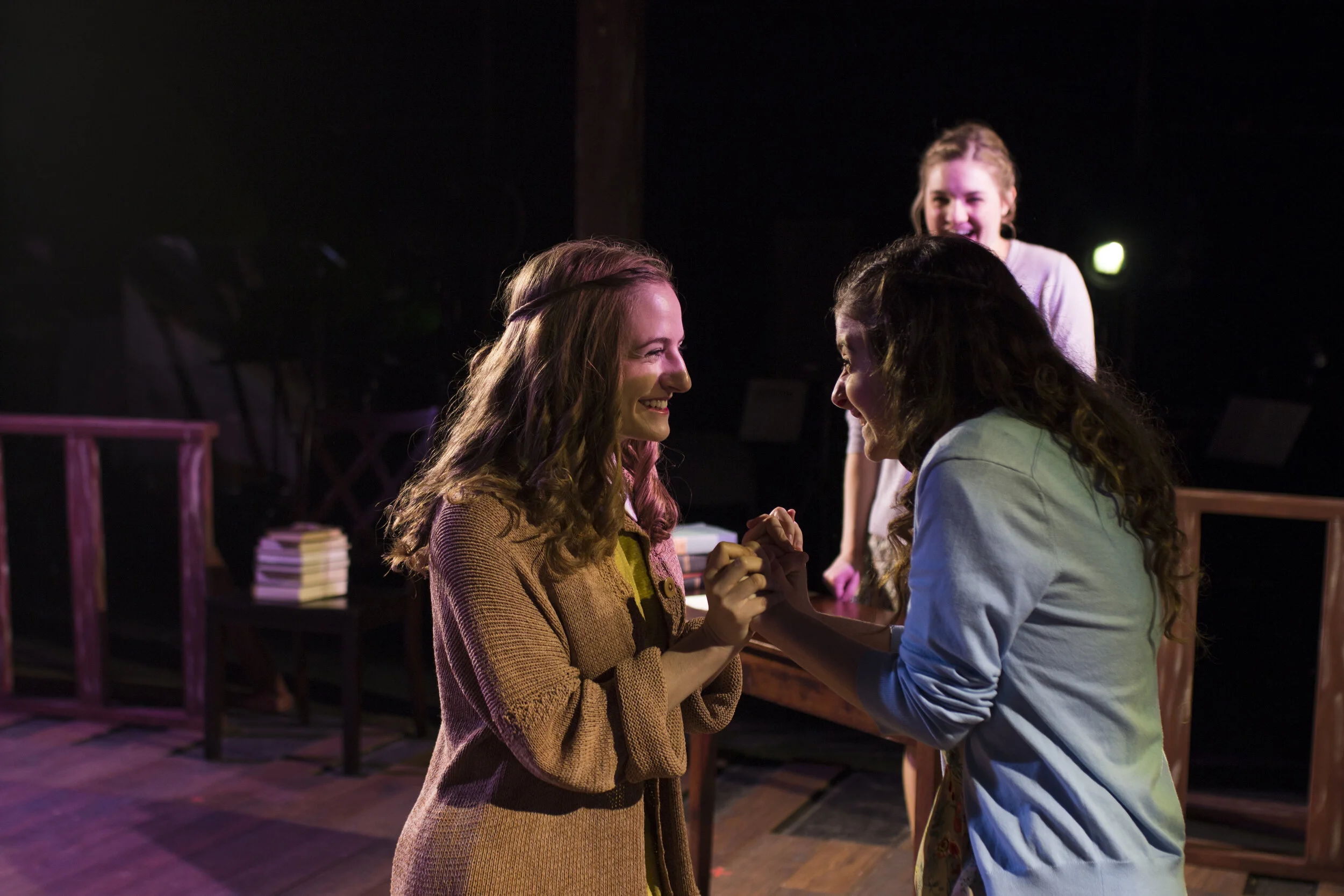
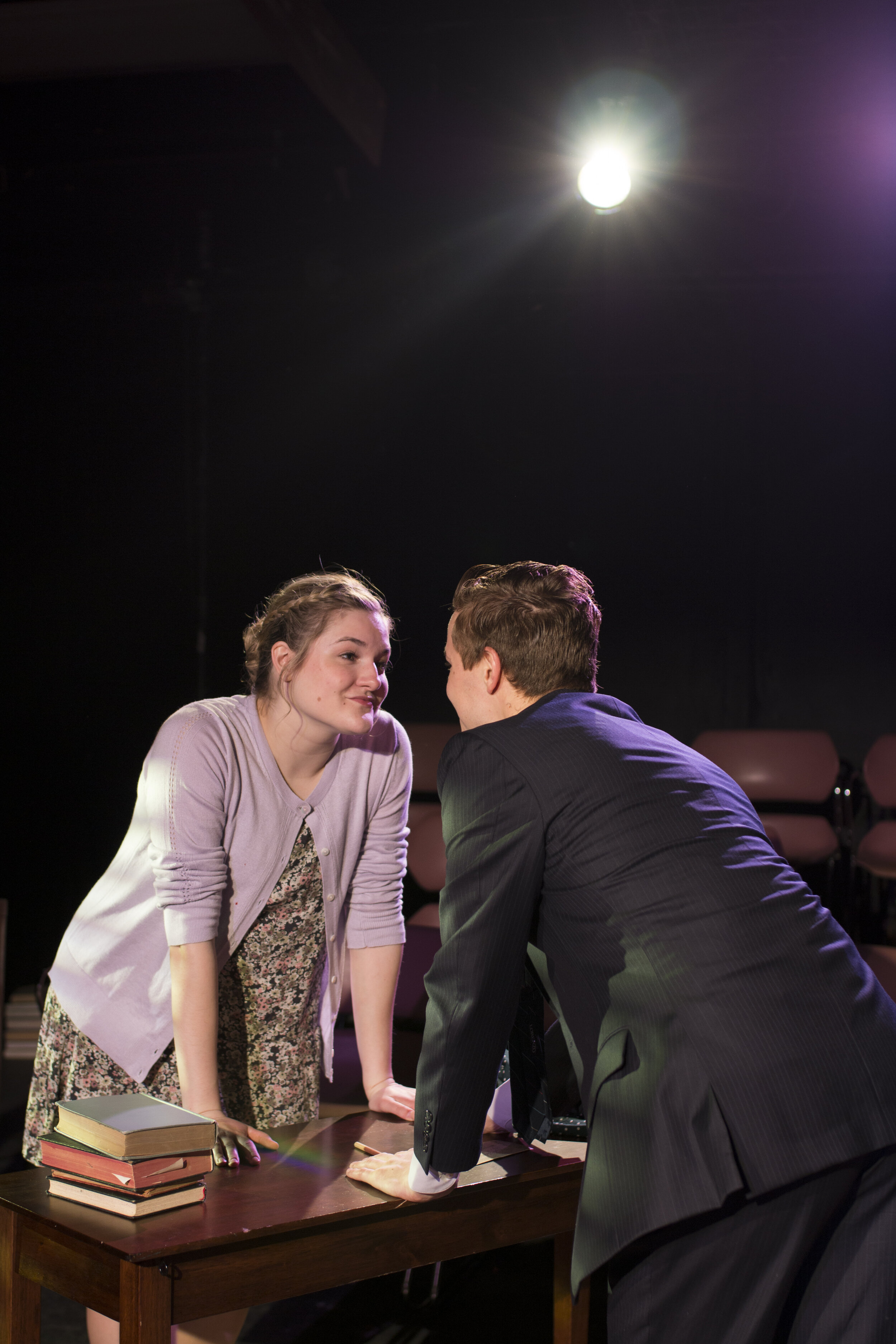
Directed by Tucker Tab DeGregory. Written by Lindsey Walko. Conceived by Eve Bromberg, Tucker Tab DeGregory, and Lindsey Walko. Based on articles by Lane DeGregory. Produced by Nick Gurinsky. Dramaturgy by Eve Bromberg. Intimacy Direction by Ren Kelly. Costume Design by Ava Greer. Lighting Design by Danielle Elegy. Scenic Design by Eleanor Williams. Production Stage Management by Taylor Lang. Photos by Libby Williams.
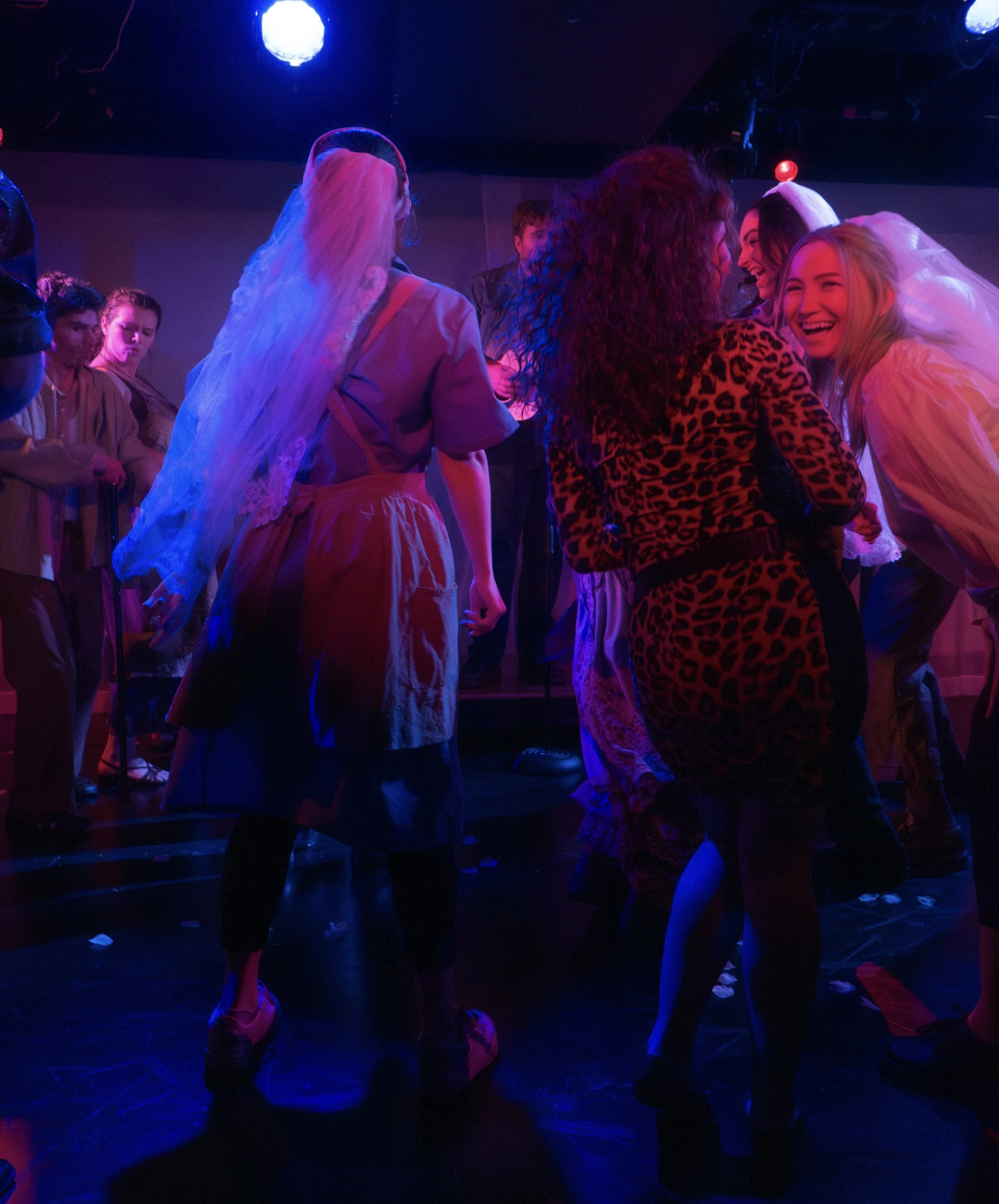
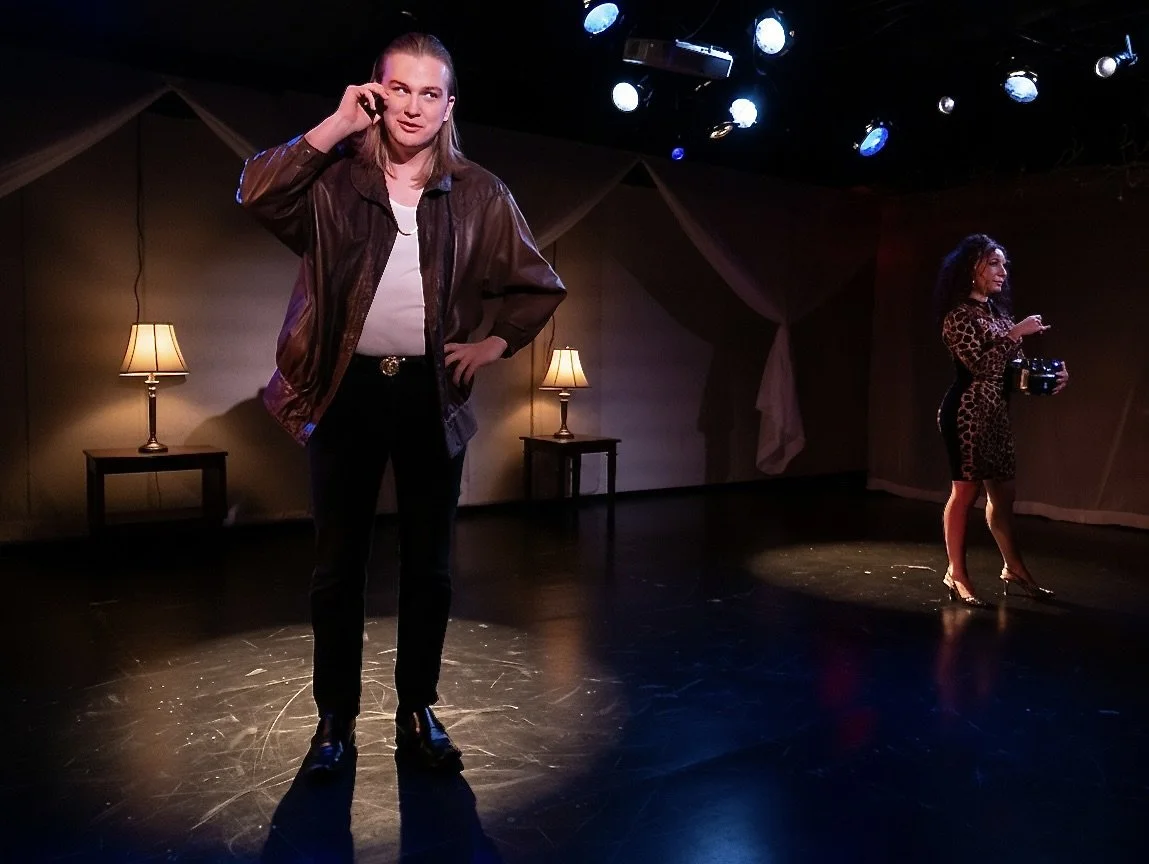
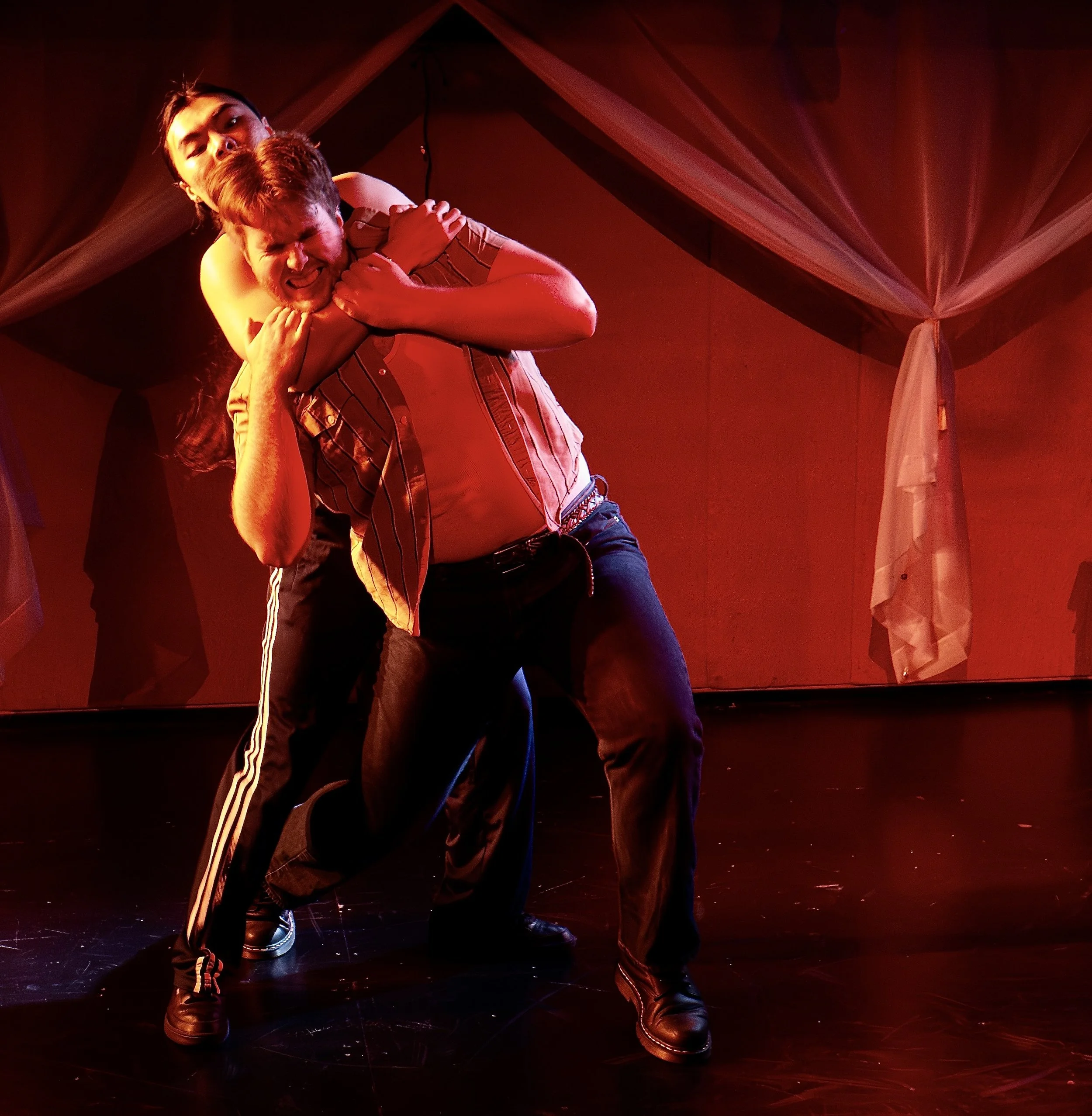
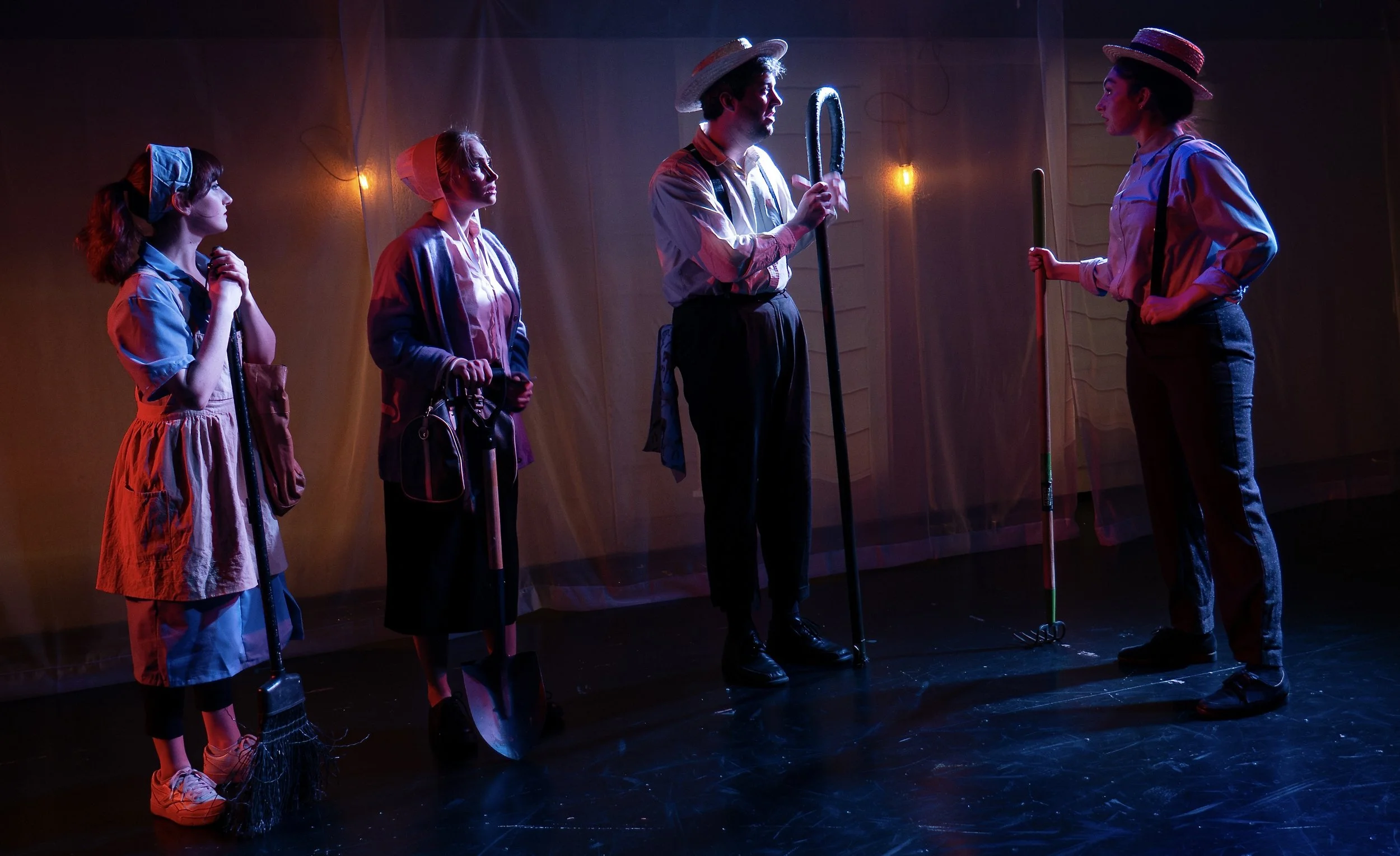
On the west coast of Florida, in a community not unlike Tampa Bay, at a garden by the sea, a white latticed gazebo sits. Inside is a phone used to speak to the dead, or to a god, or to the universe. Inspired by a collection of articles from Pulitzer Prize winning journalist Lane DeGregory of the Tampa Bay Times, Out of The Blue is a vignette play that revolves around its callers - the dreamers, the skeptics, the believers, the lovers, the strangers, the beauty pageant queens, the weathermen, the statue of liberties, the grieving mothers, the grieving sons, the dressers, the tax employees, and everyone in between – looking for understanding in a world seemingly void of any.
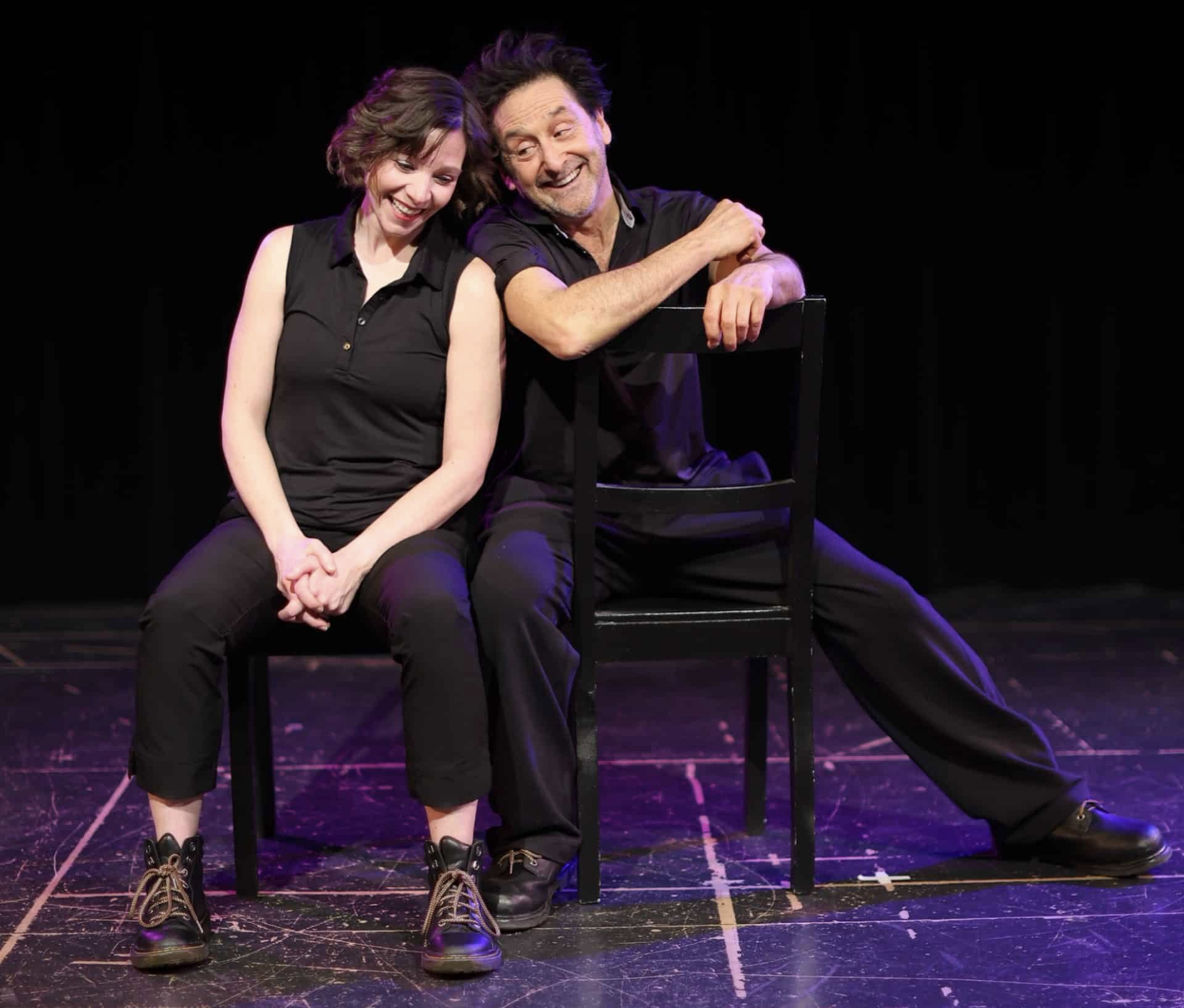
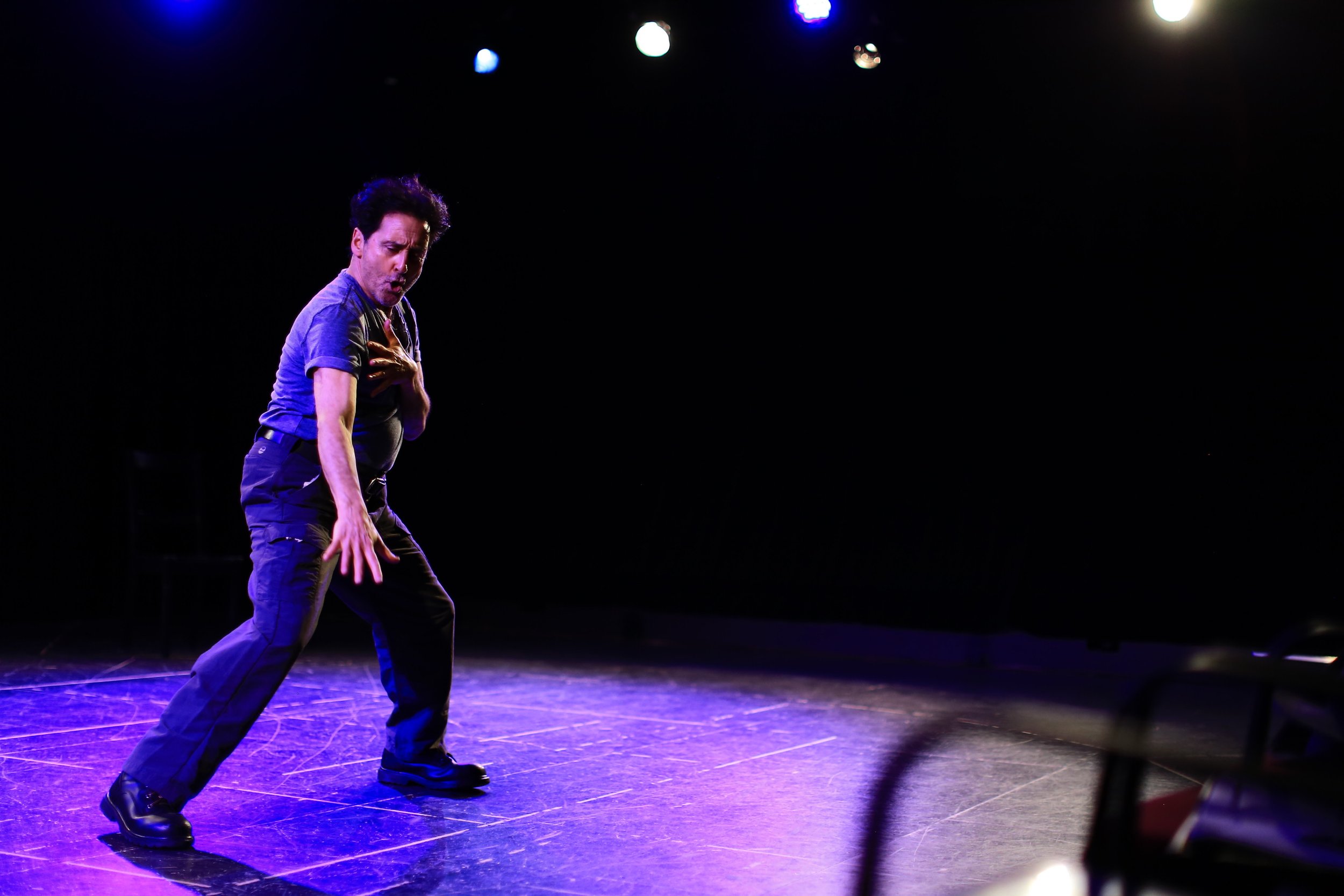
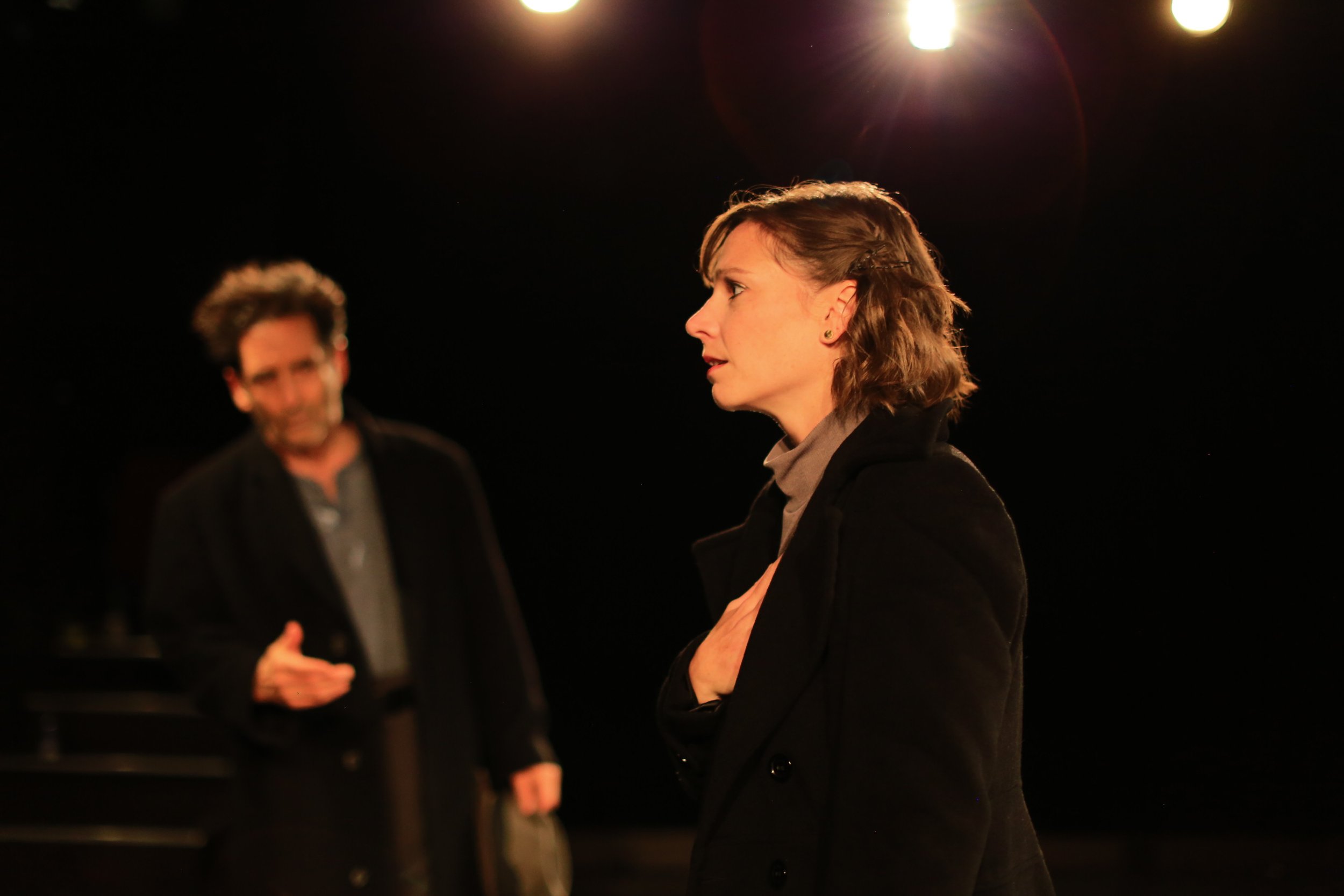
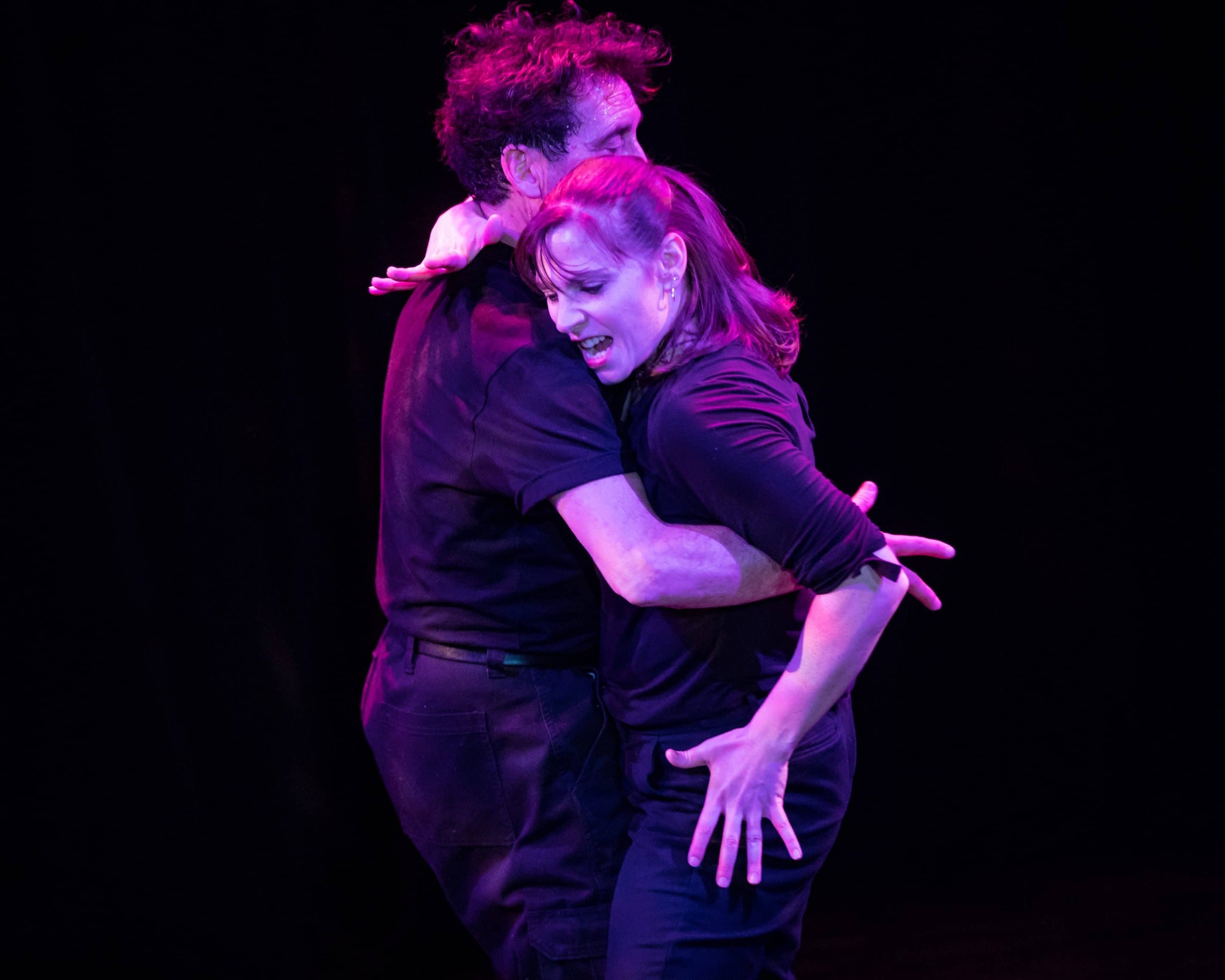
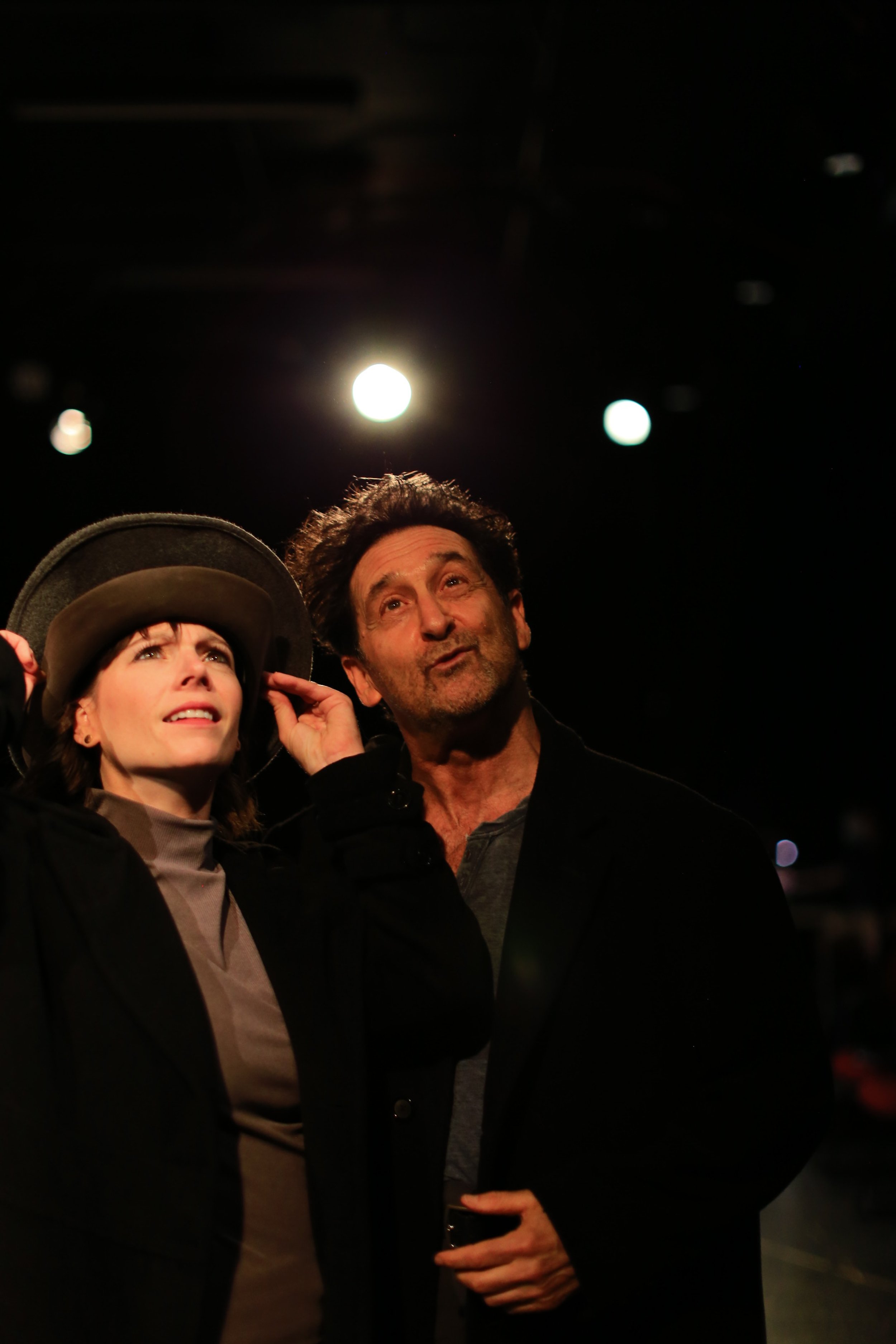
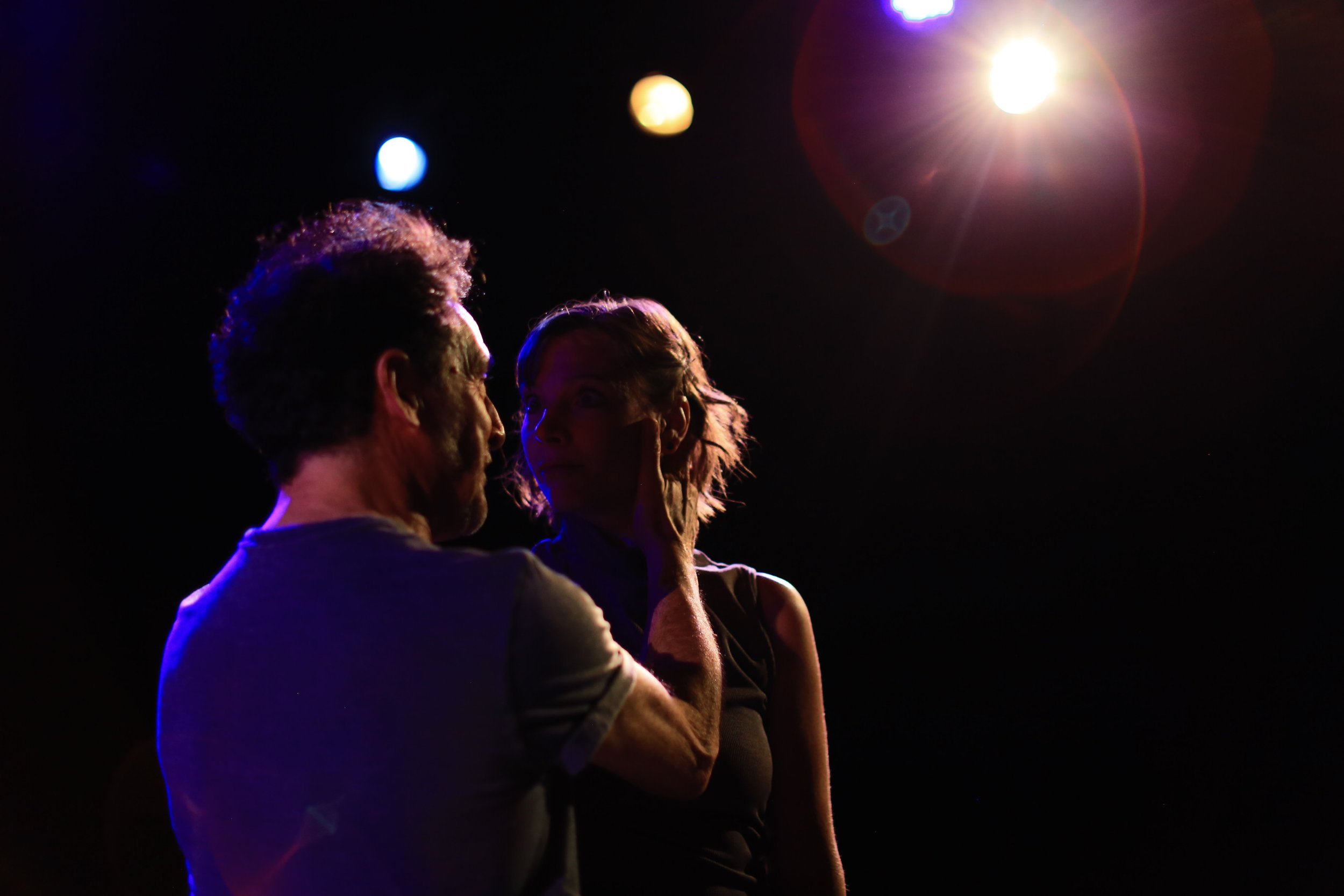
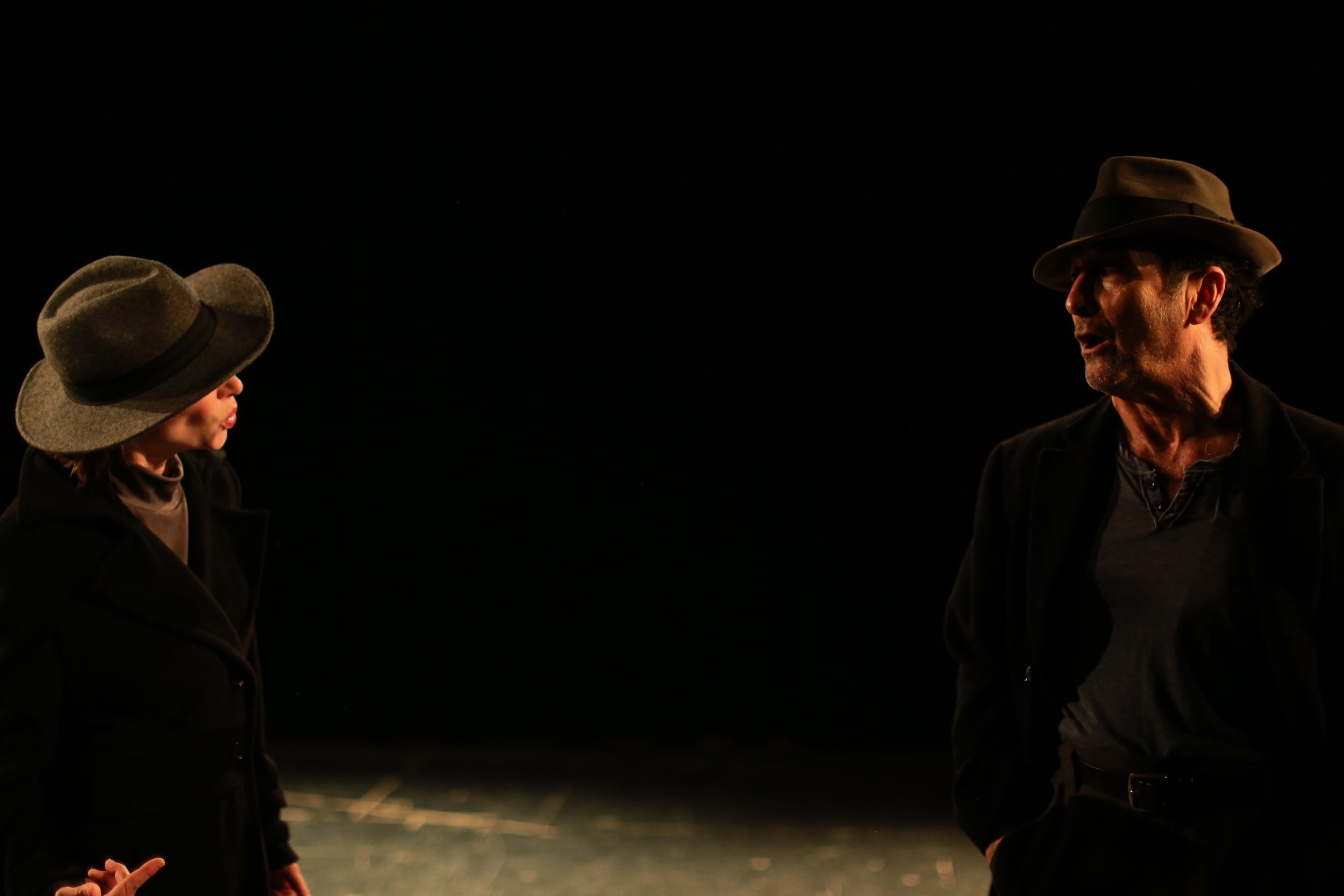
Directed by Tucker Tab DeGregory. Written, Choreographed, and Conceived by Billy Siegenfeld.
Produced by Jump Rhythm®. Photos by Jay Towns Photography.
“Fortitude and Gentleness is a hidden gem, the type you pray to find when you go to the theater. It lets the audience in to an intimate, entertaining, and heartfelt world. For 90 minutes, it never misses a beat. In a theater landscape packed with spectacle and bells and whistles, the play bravely chooses to be simple and in that way personal … Its a theatrical triumph, unlike anything I’ve seen.”
“[This play] dares to tell – no, show – the struggles, frustrations, and needs of a woman trying desperately to reconcile her artistic self with her role as a mother and wife. I immediately thought to myself, ‘I know her.’ … It is their constant moving in and out of sync with one other, as all of us do with our colleagues, friends, lovers, spouses, and children, that makes this play both powerful and refreshing.”
“I loved this two-person tour de force of Fortitude and Gentleness that premiered at the Wirtz Center. Jane Austen gets drawn into the politics of today, as this literary play musical dance performance invites us to figure out how to engage with the world without burning up in our rage. Funny and compelling, using song, dance, and all-too identifiable (and hilarious) screeds against the politics of our time, this performance invites us to think.”
“This play and the dancing within it was one of the most memorable and original pieces of entertainment I have seen in years. A two actor play, an almost bare stage, and my first experience of [Jump Rhythm®] dance, was so moving that everything dropped out of my consciousness except me, the characters, and a few historical figures as we shared a rehearsal room and learning how to live. I only hope to see more!”
“The piece’s greatest strength lies in its transparency; these actors know what they’re talking about because they live it. ‘What Do You Want to Be When You Give Up?’ reads as a timely meditation on hopelessness and isolation, ultimately suggesting that we’re never as alone as we may feel.”
“Billy Siegenfeld and Jordan Batta have so much talent and electricity that it seems to spill out into the audience. Siegenfeld’s play, What Do You Want to Be When You Give Up?, is both a powerful and intimate piece that combines tender acting, beautiful singing, and explosive dance. To see two performers so magnificently attuned to each other is a delight … The play works its magic in a subtle and revelatory way; as the performers flit between delicate dances and riotous eruptions of funk and tap, so too does the conversation shift between the hilarious banalities of suburban life and the extraordinary potential for art to heal the broken parts of ourselves, especially in dark times. Do not miss an opportunity to see this show!”
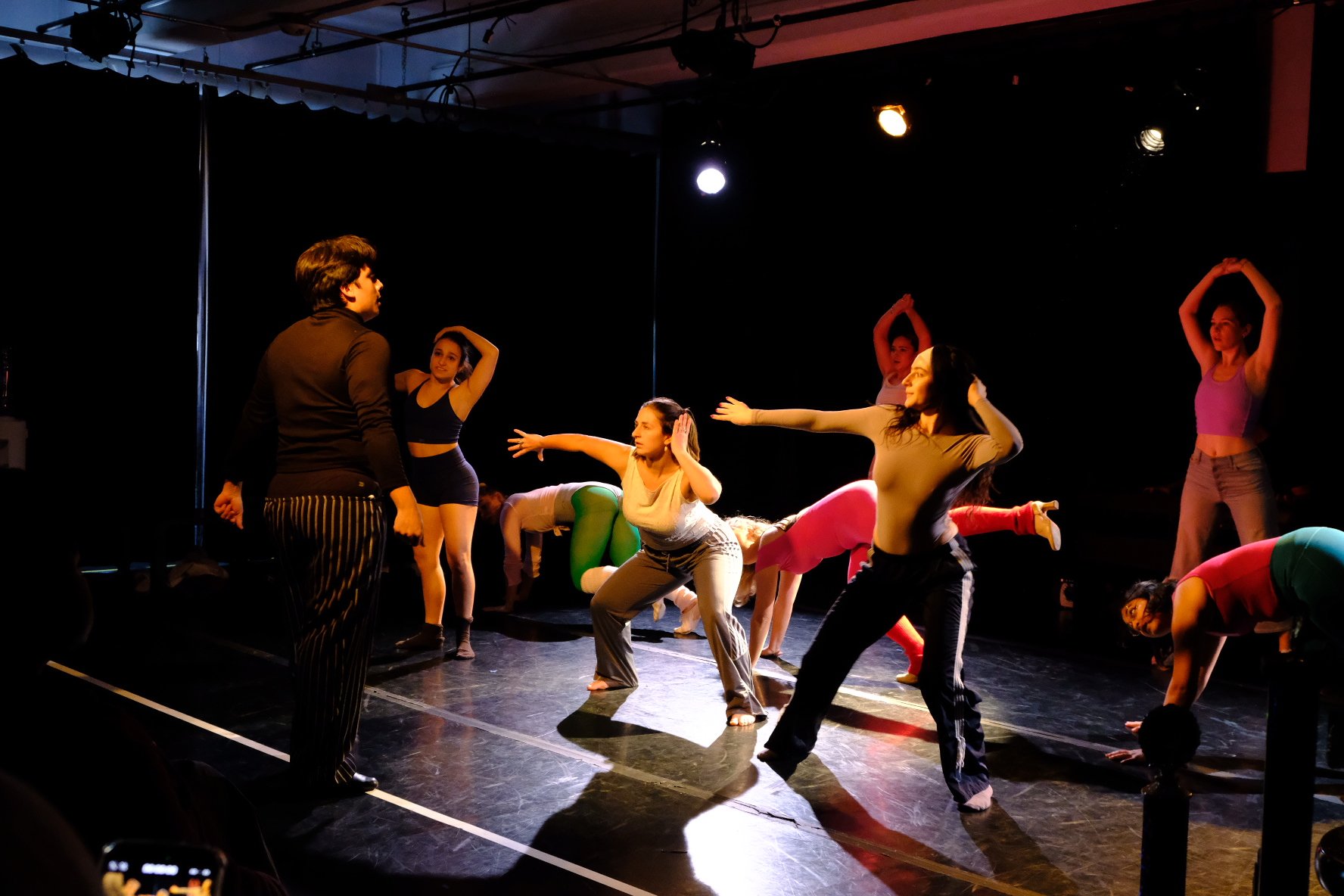
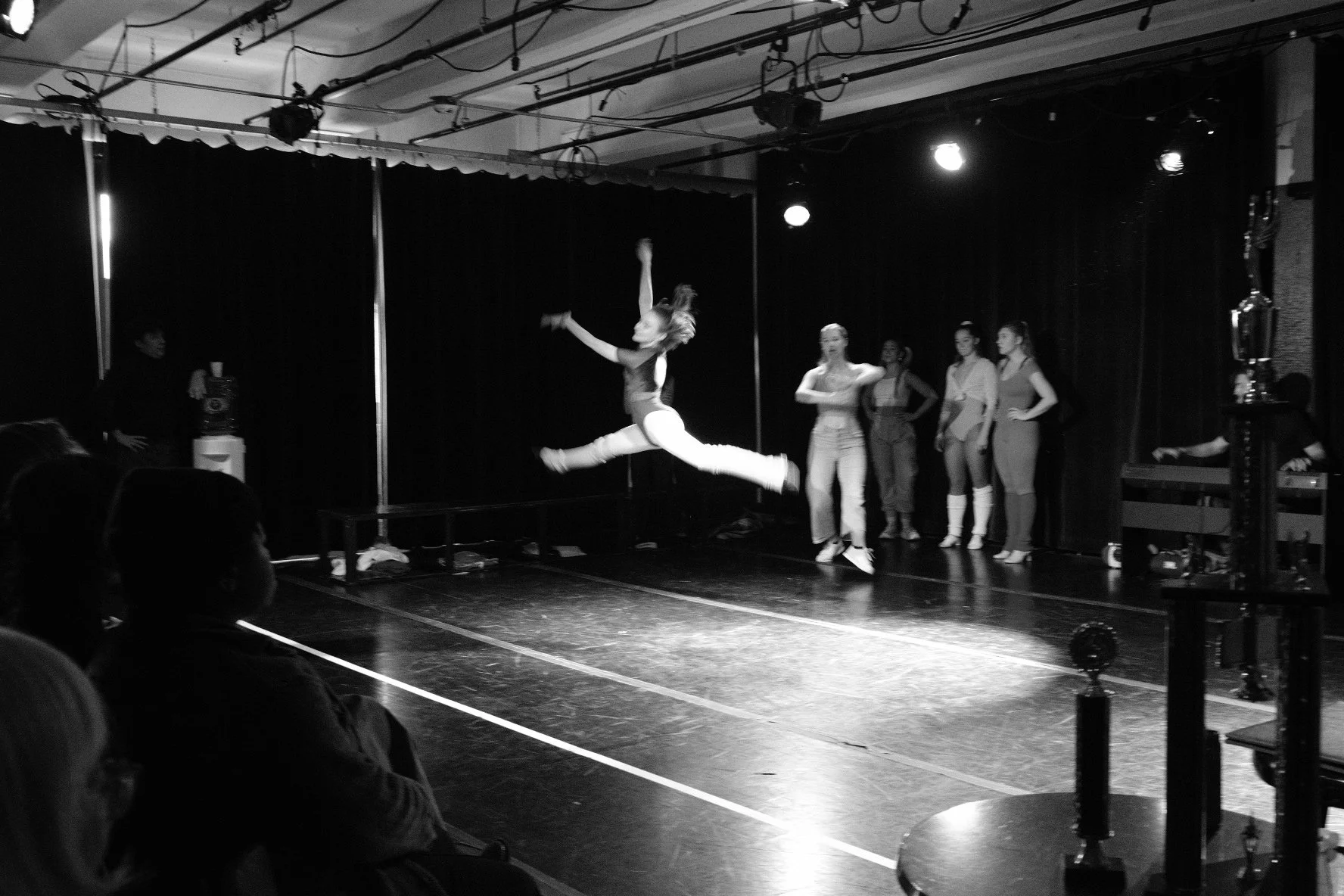


Directed, Choreographed, and Written by Tucker Tab DeGregory. Photos by Catalina Ney.
Michael Bennett rises from the dead to audition choreographers of the 1980s, 1990s, and 2000s and select one singular sensation for the chance of a lifetime: the opportunity to choreograph A Chorus Line their own way. This parody mini-musical explores the idea of “reviving” art and artist, asking the question, “To replicate or recreate?”
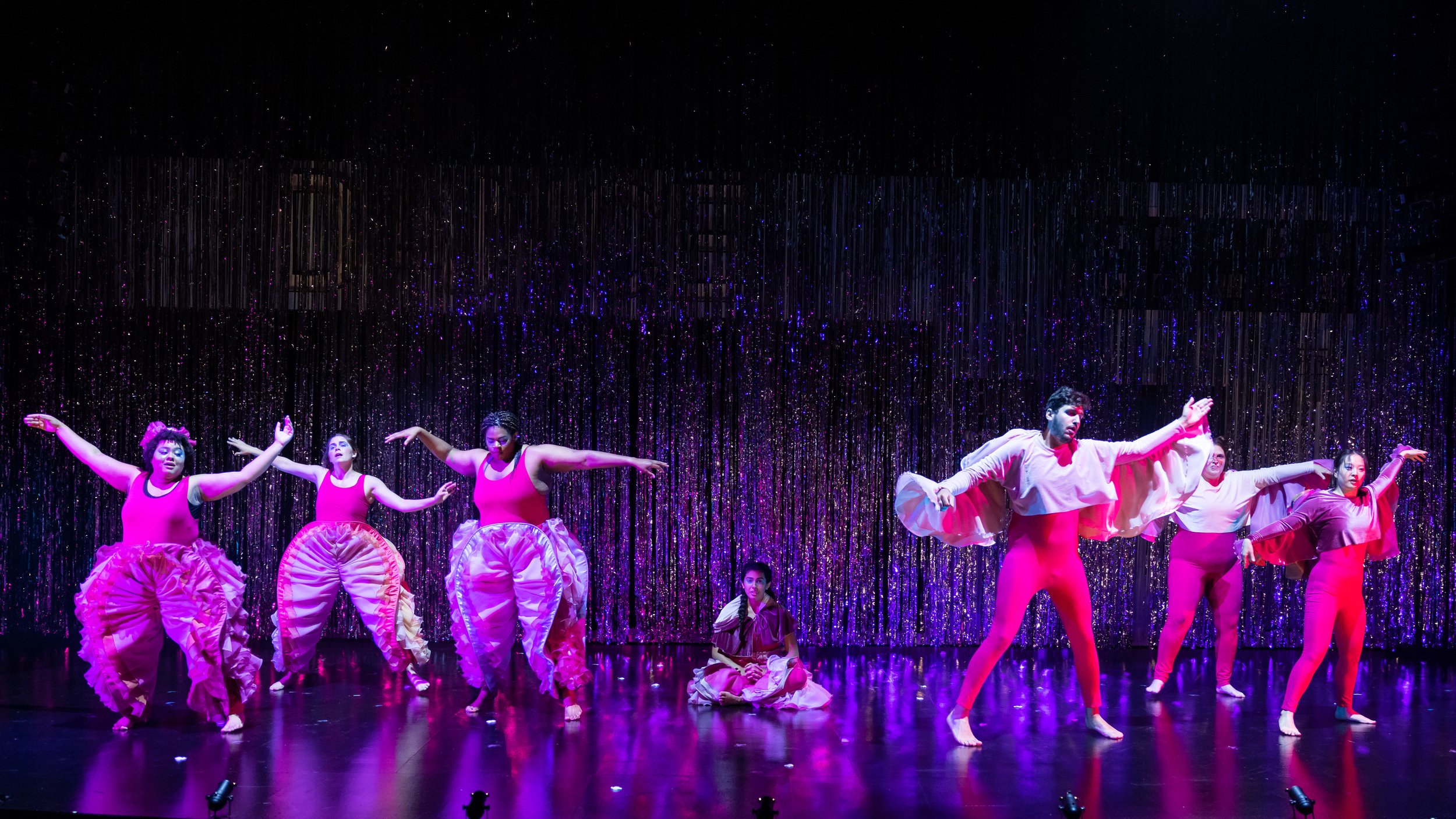
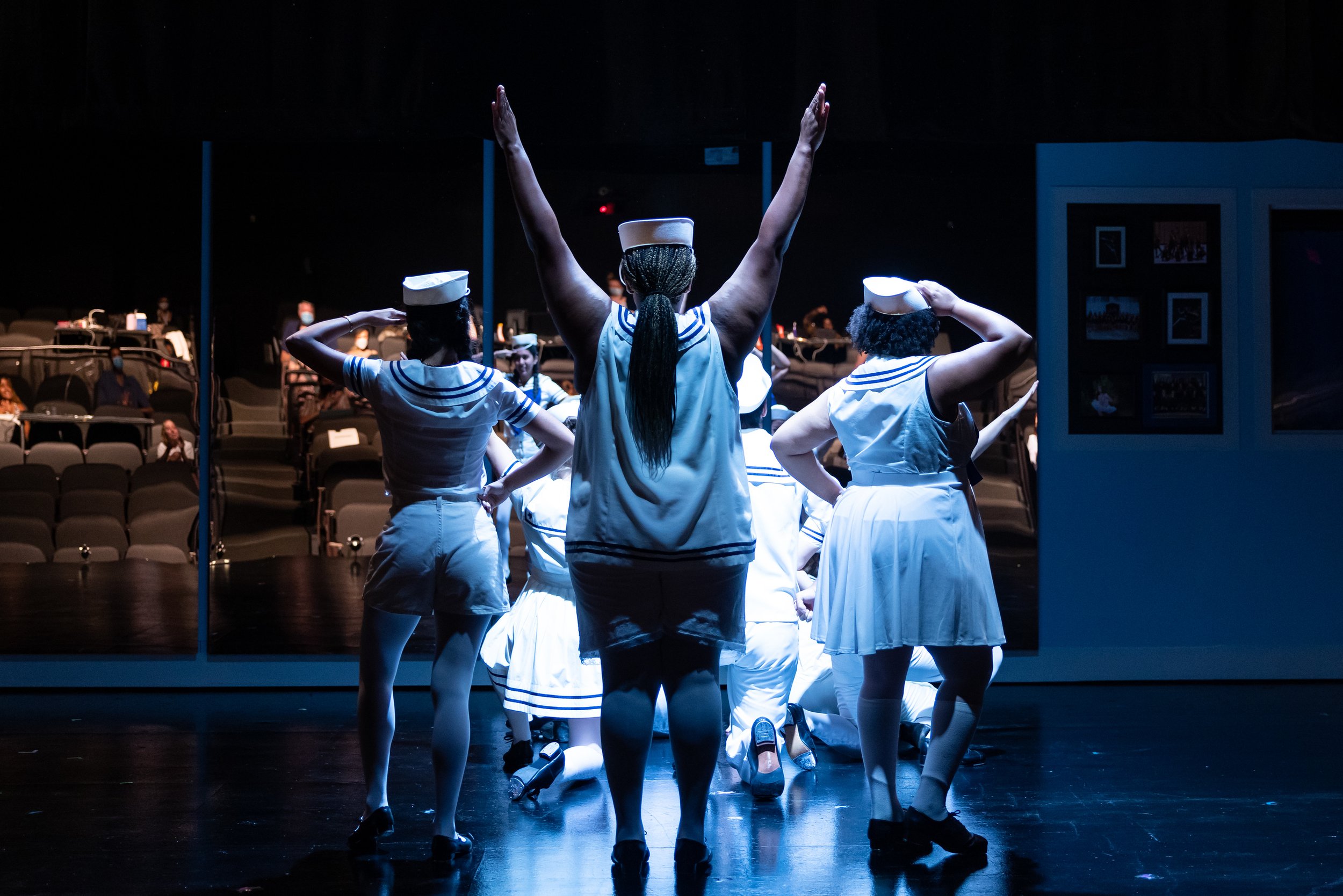
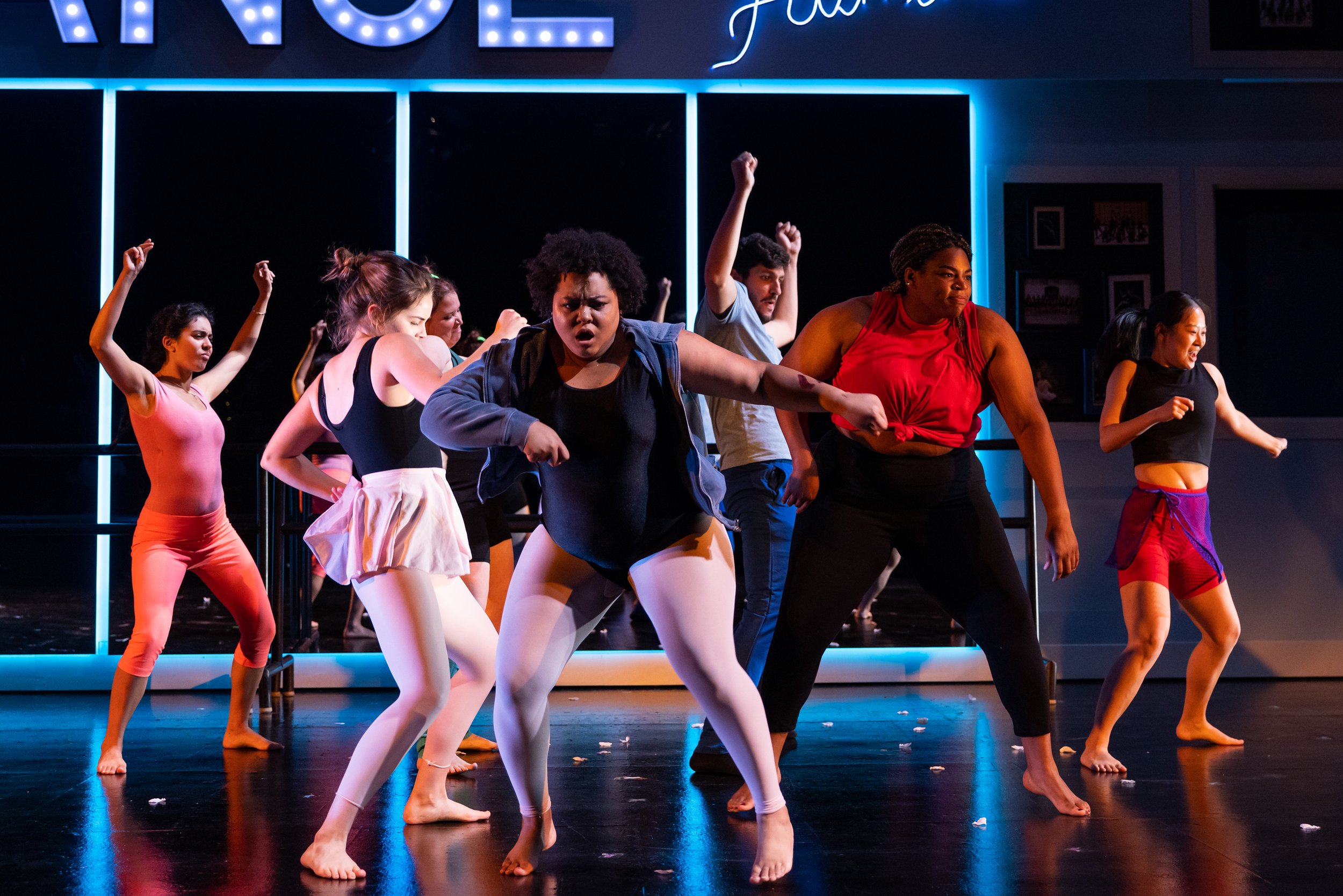
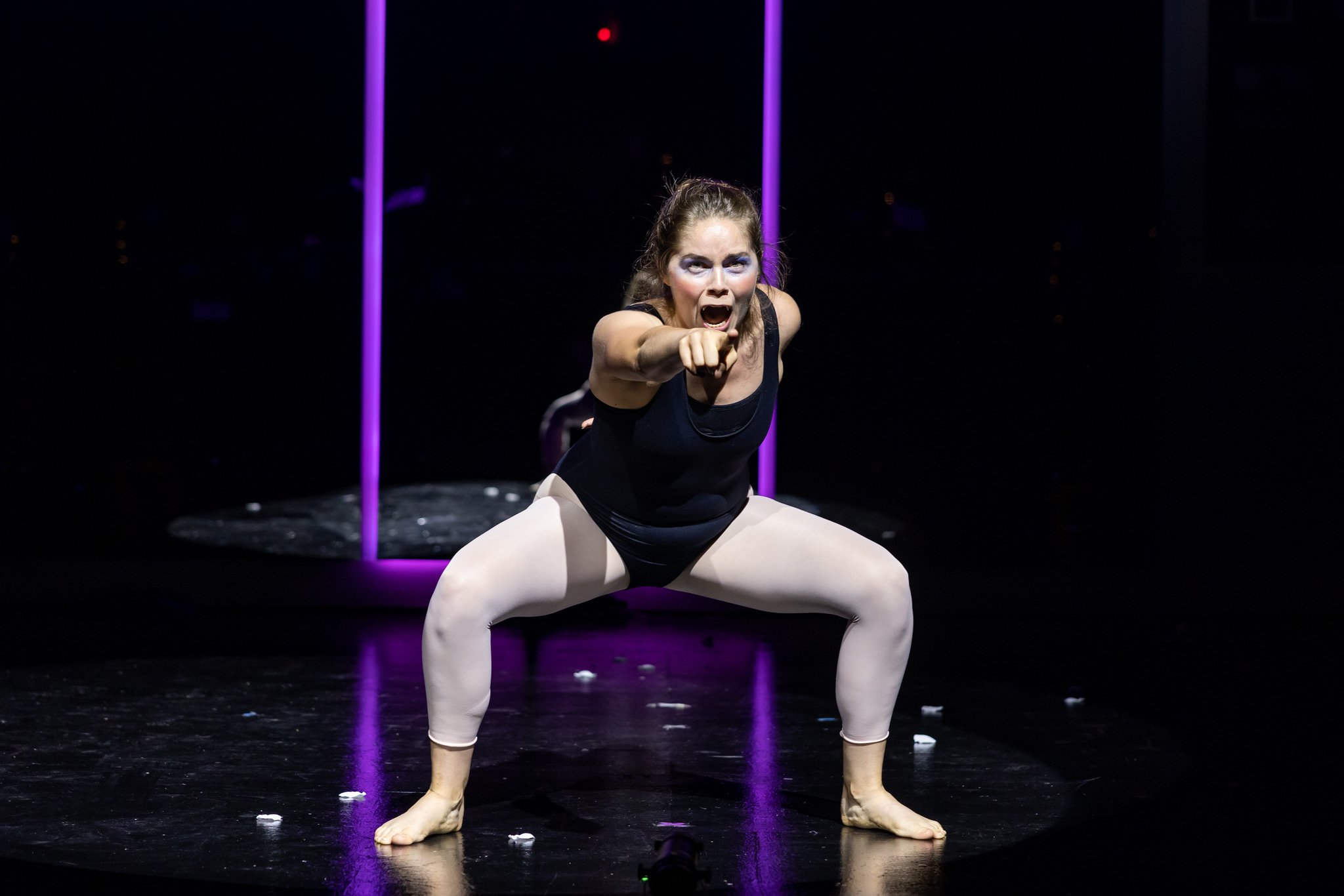
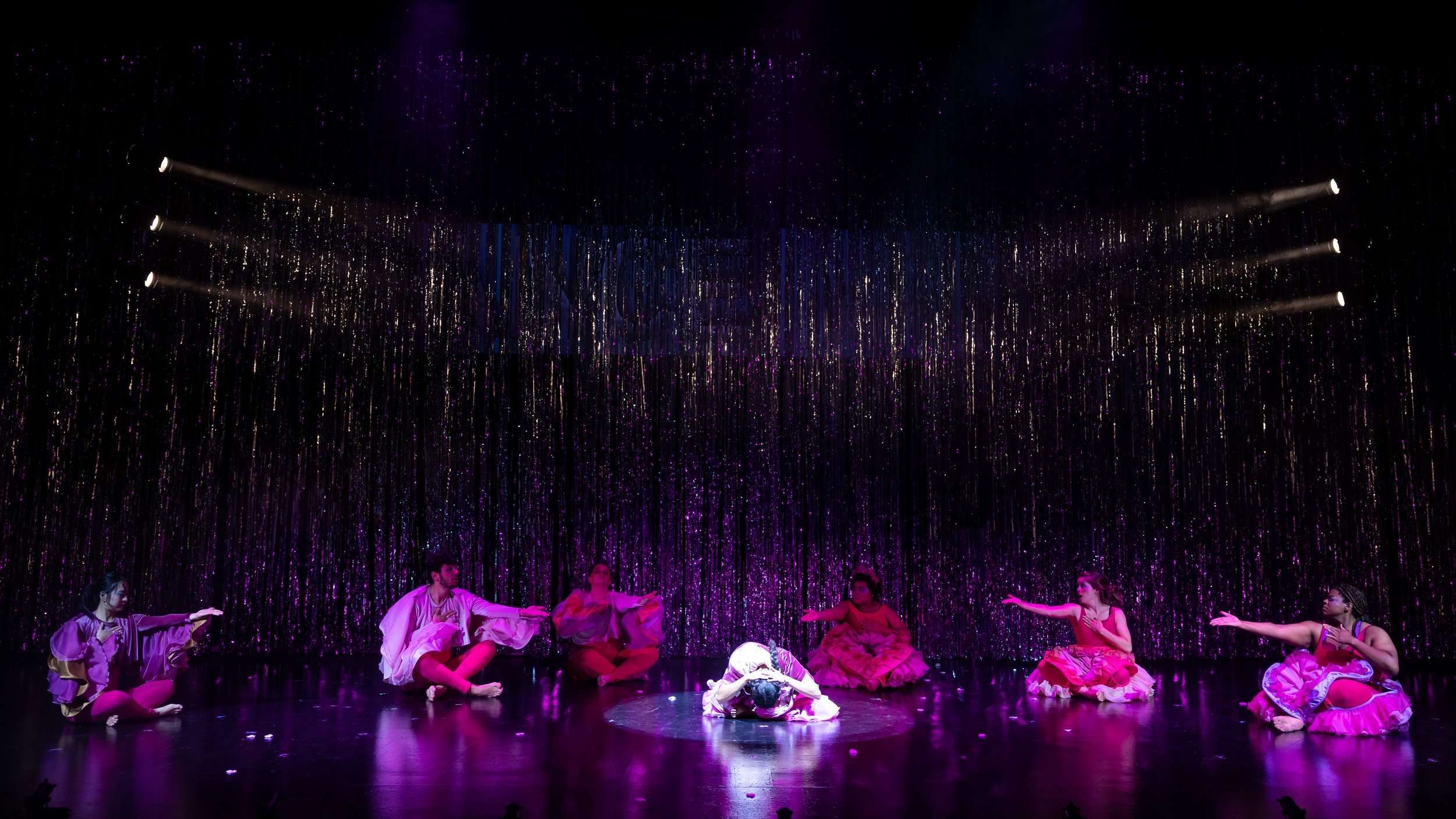
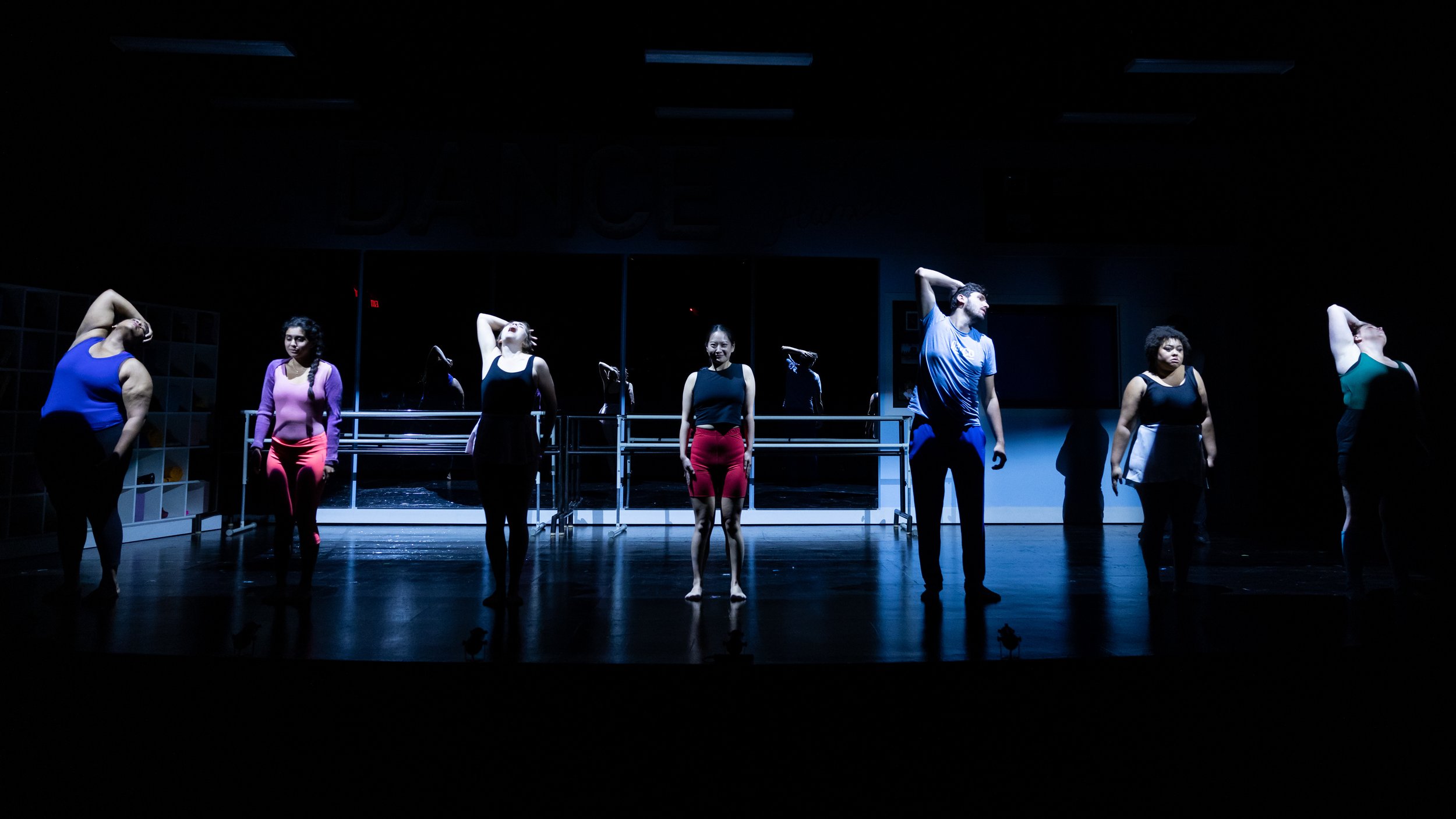
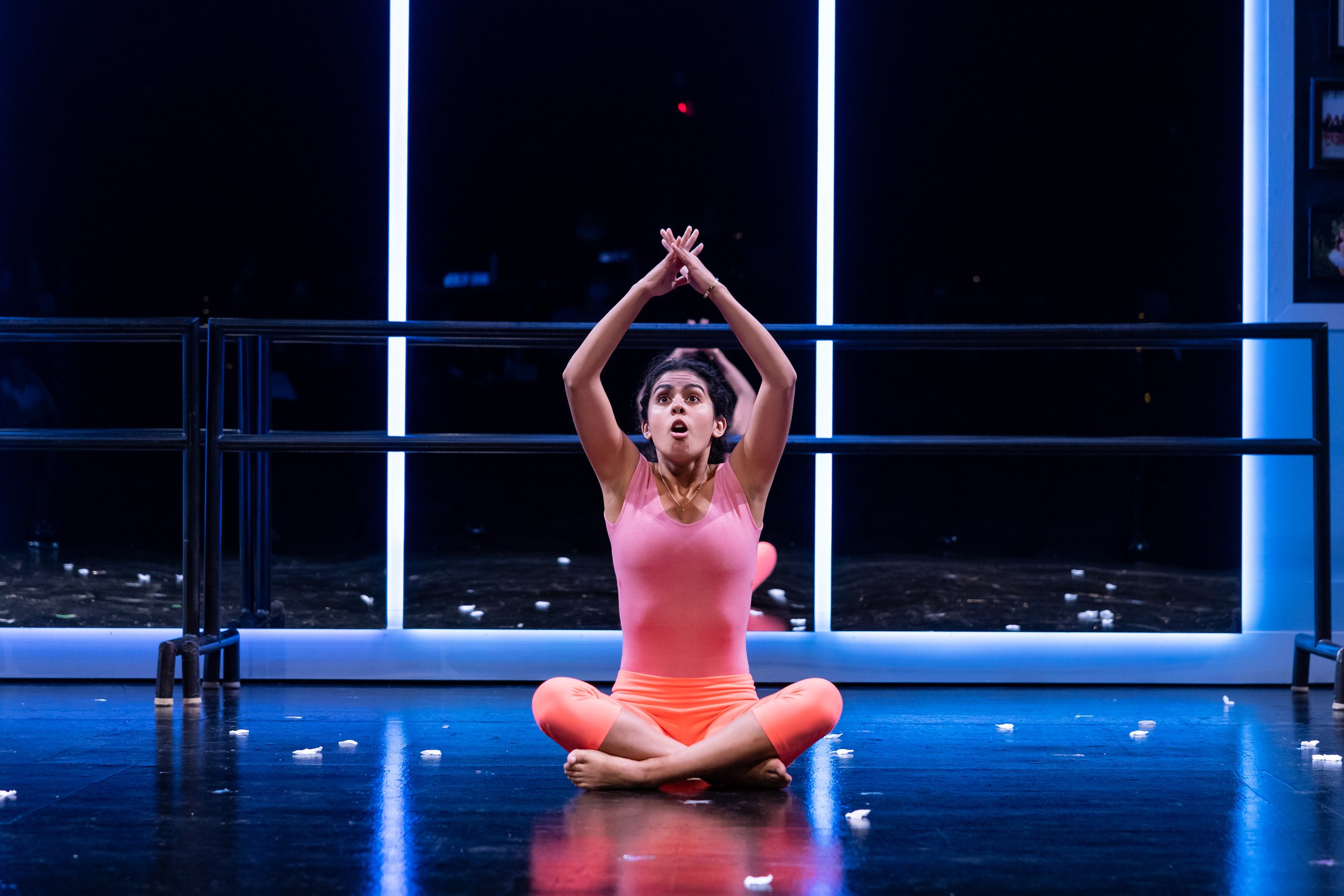
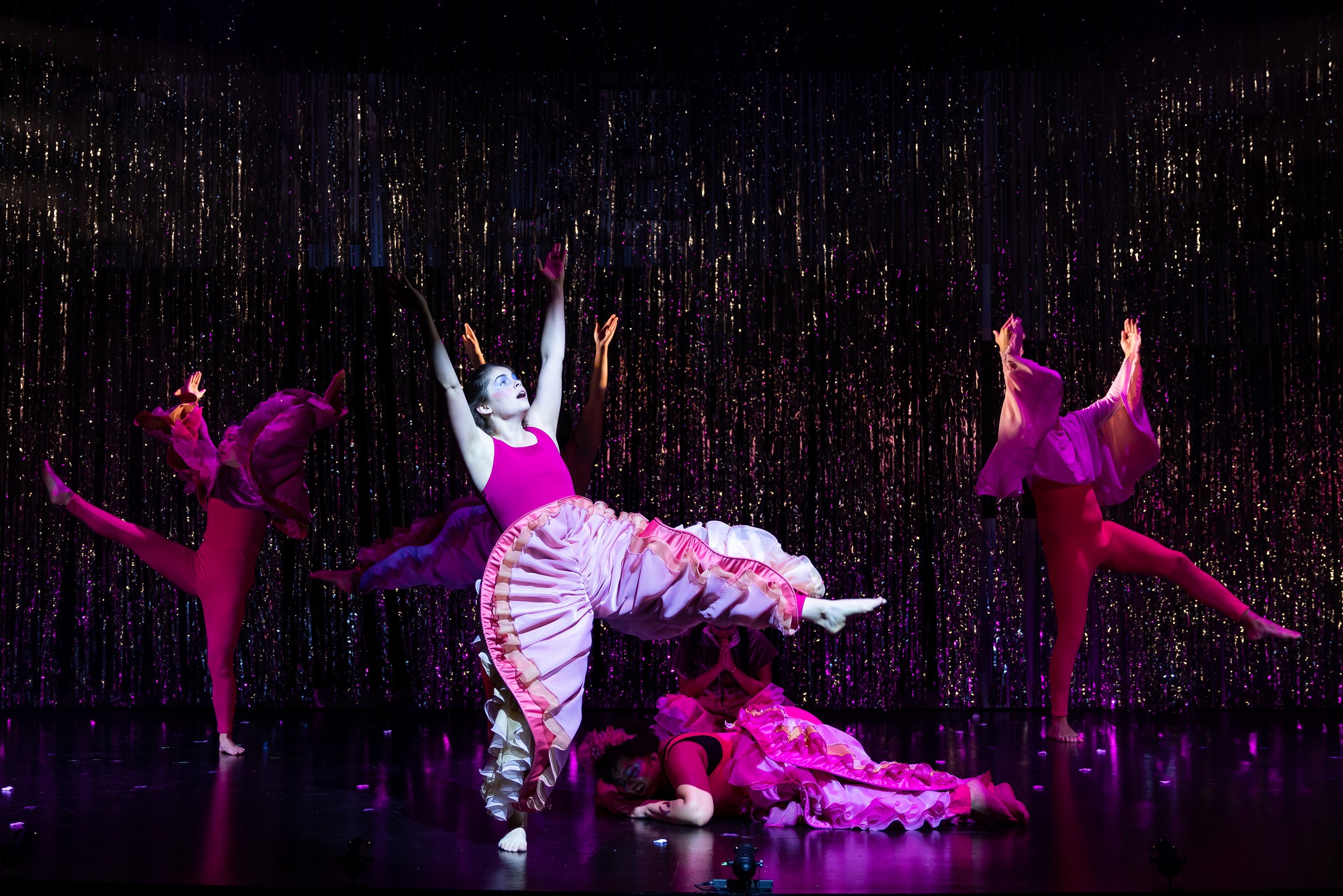
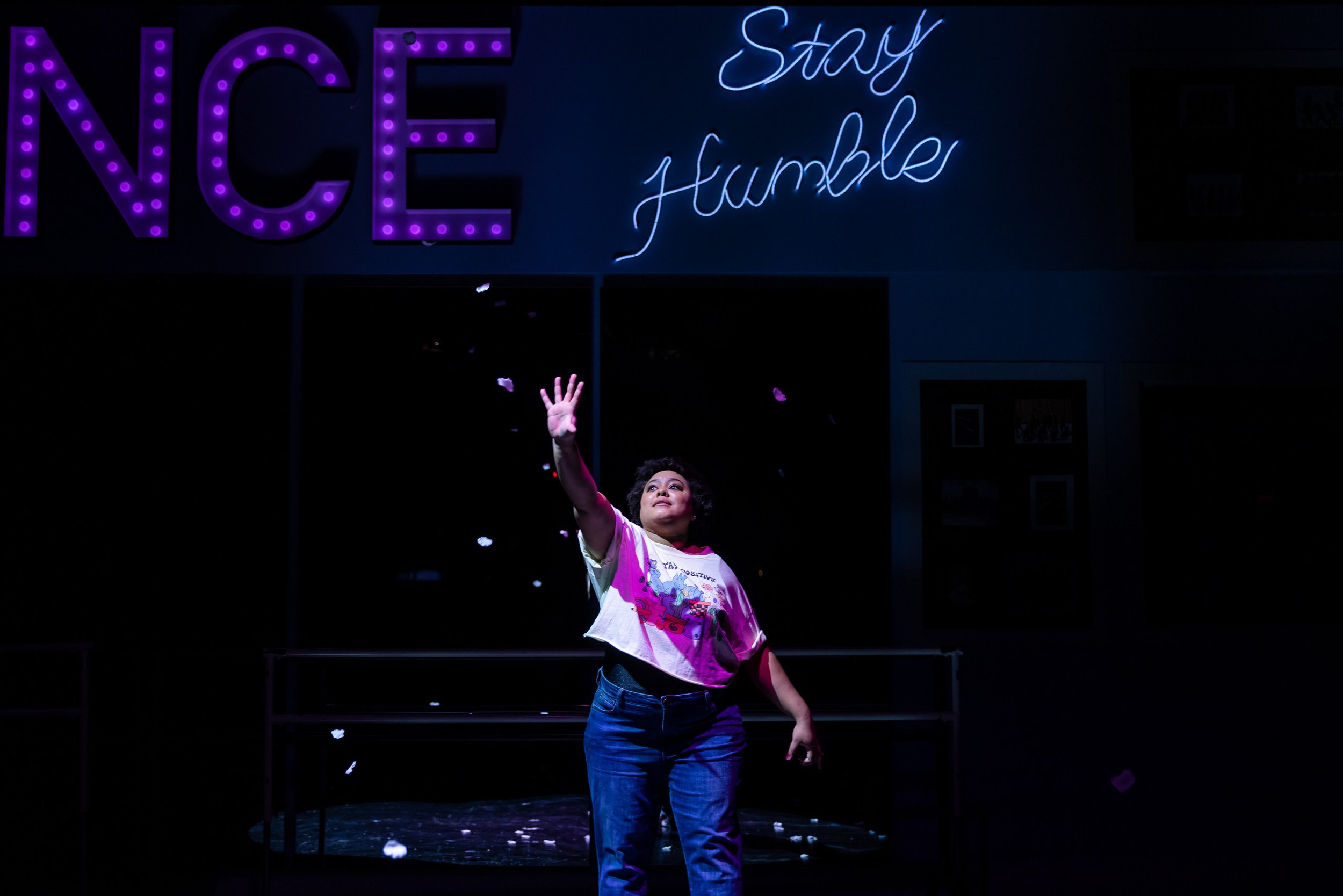
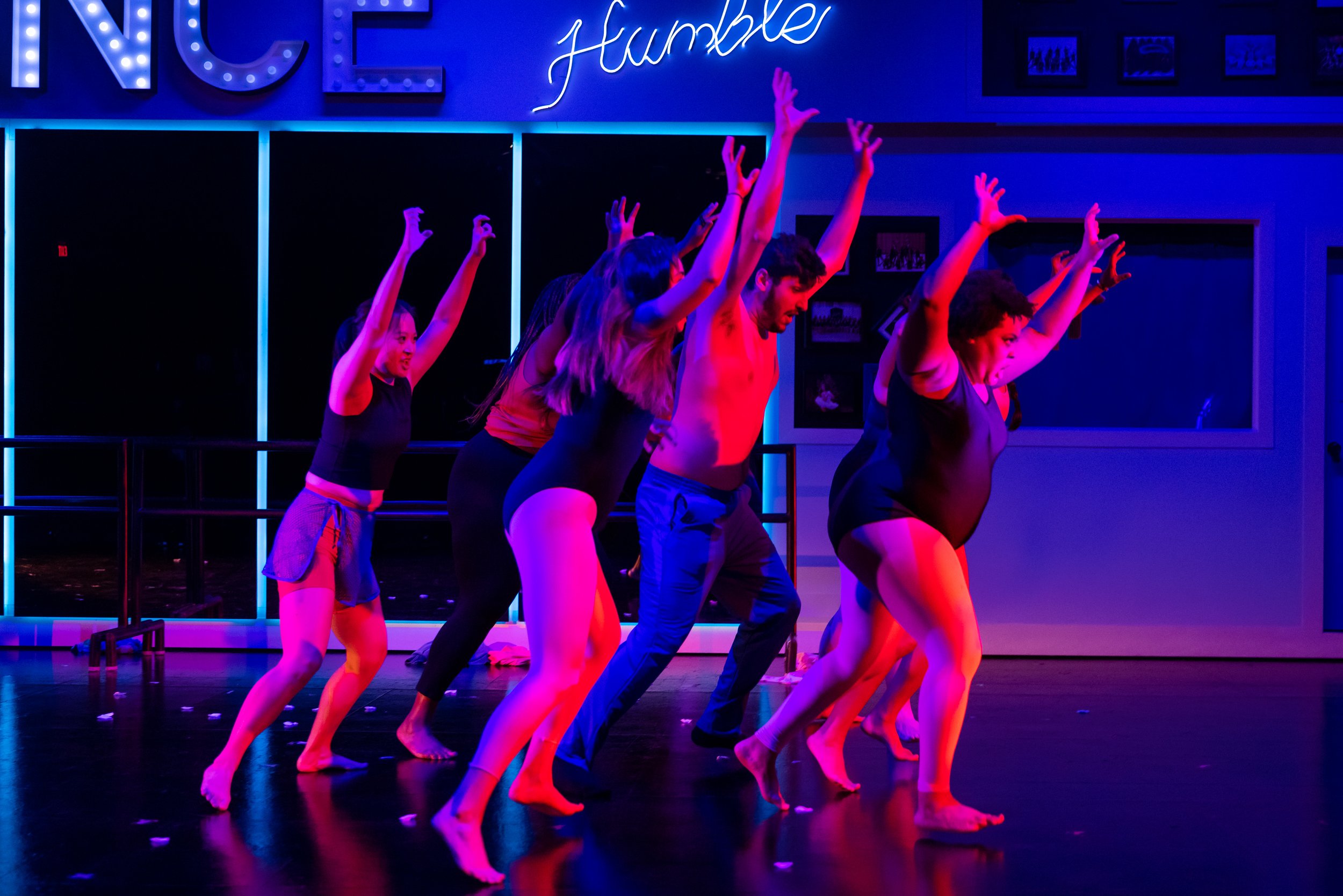
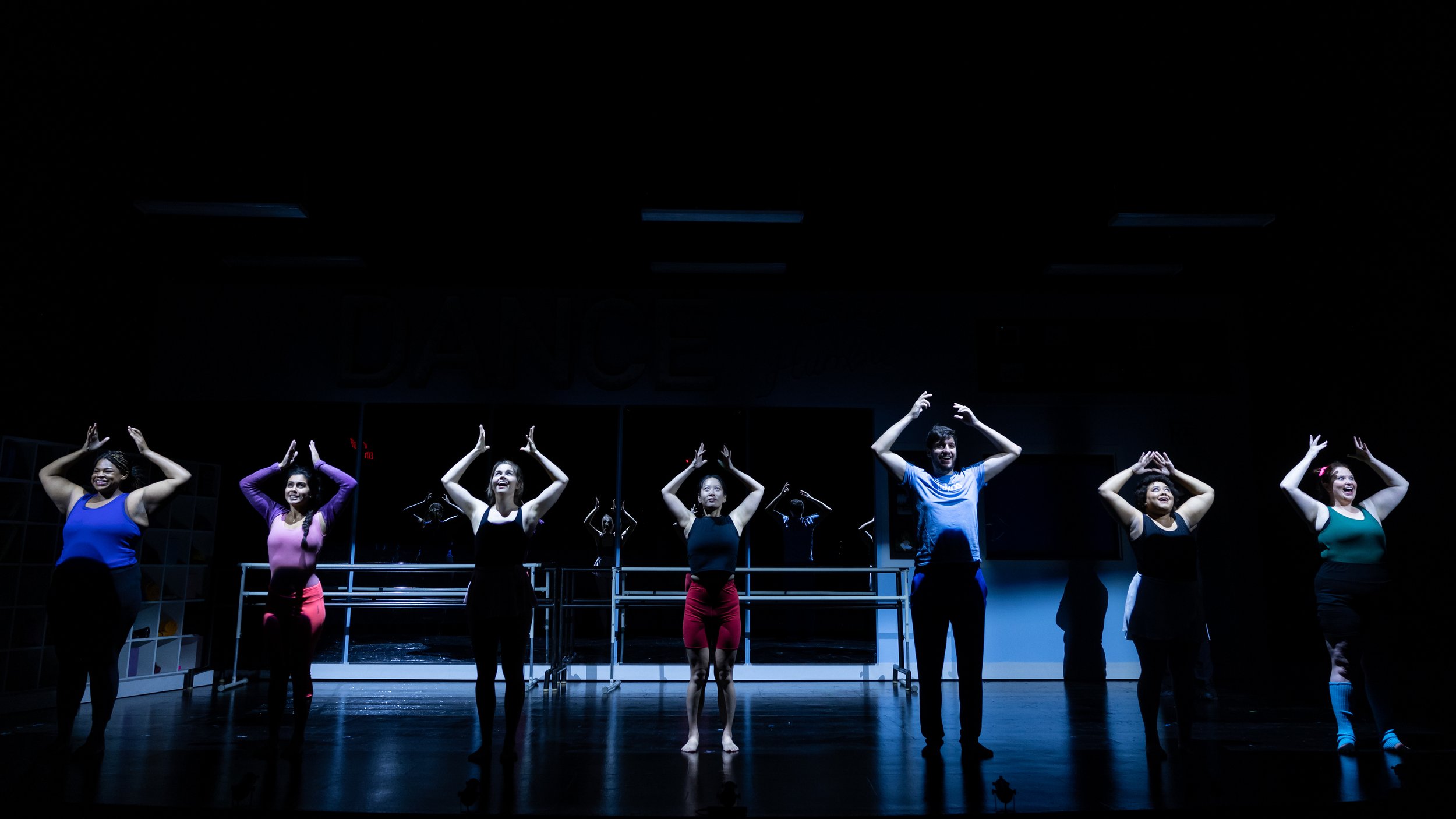
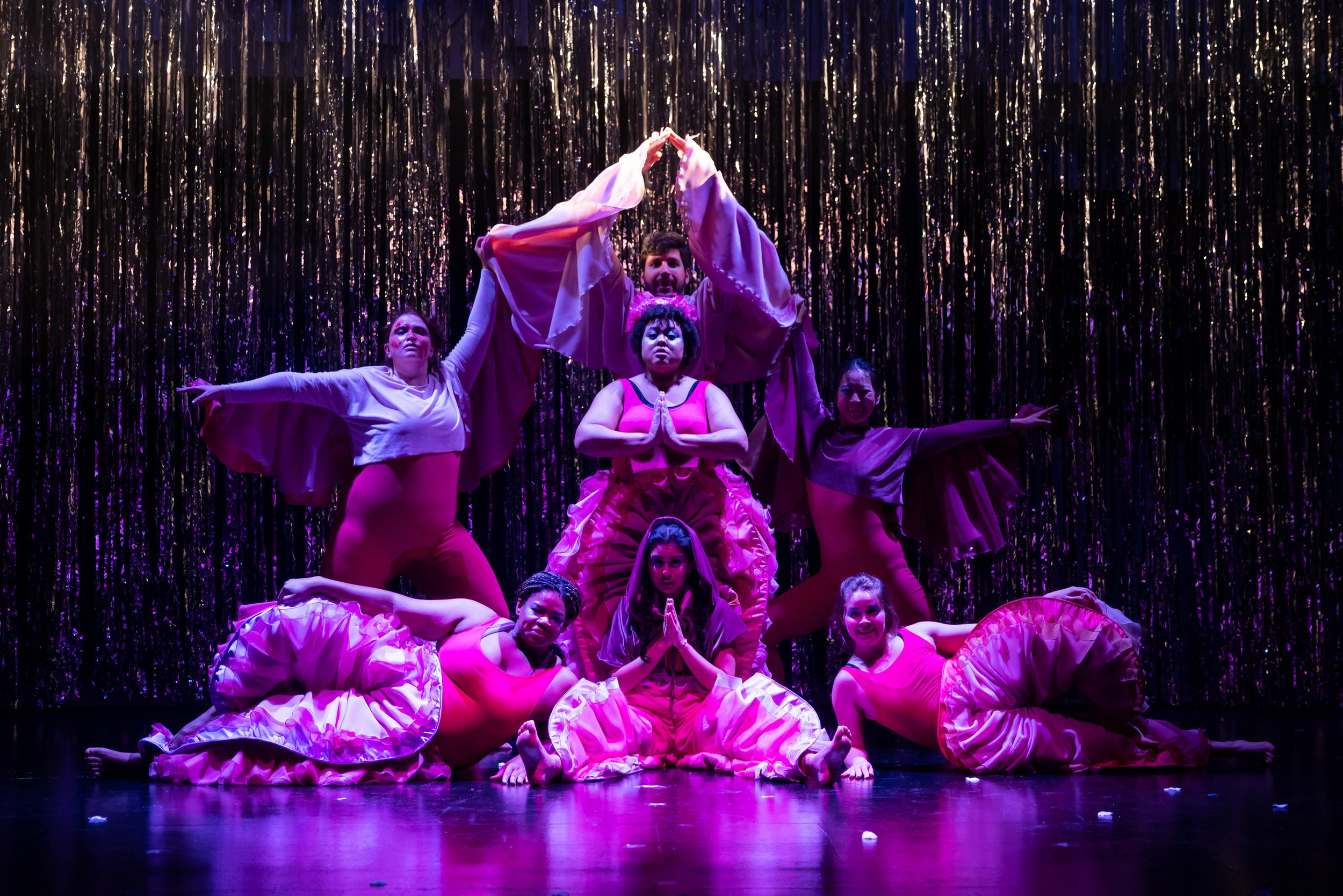
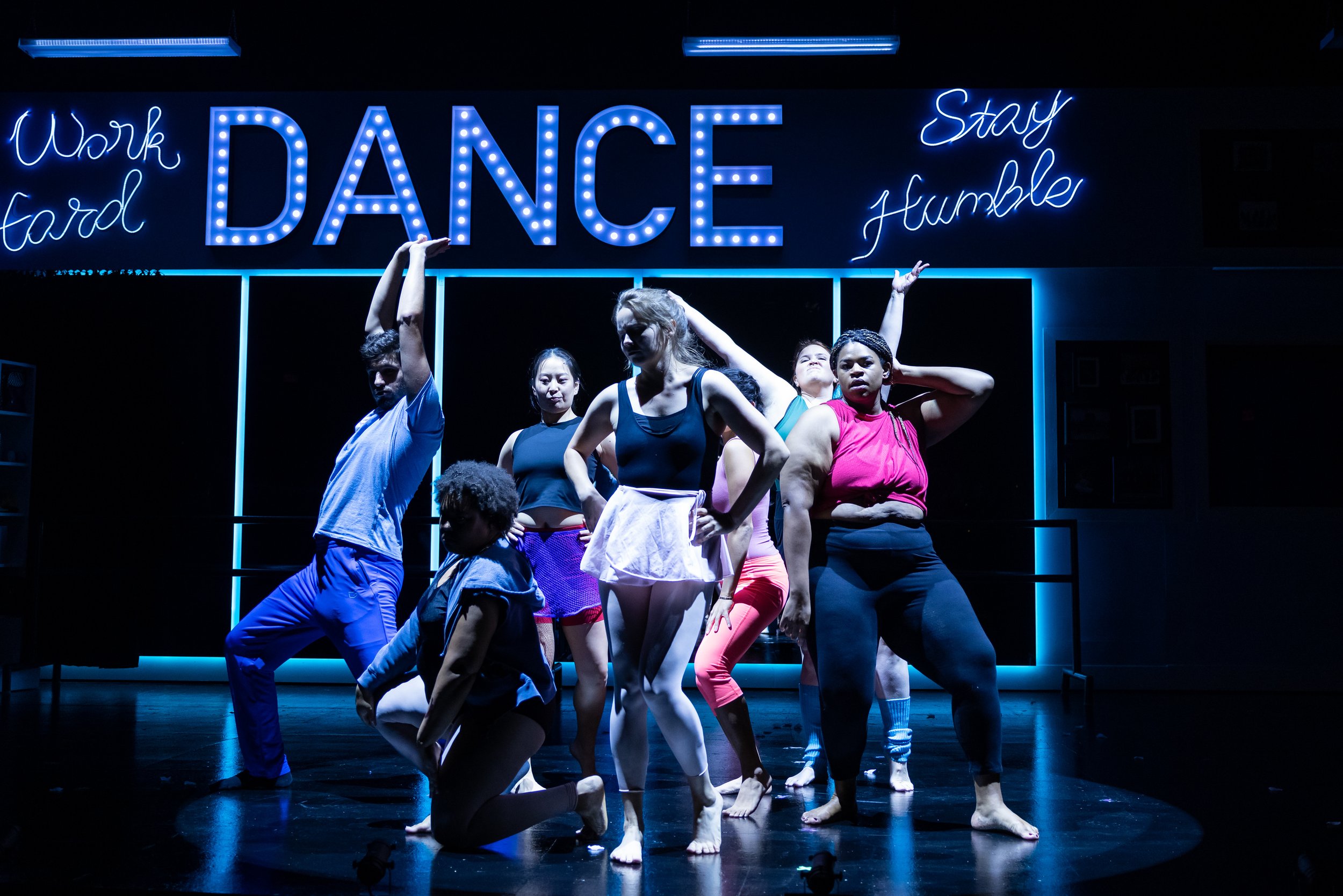
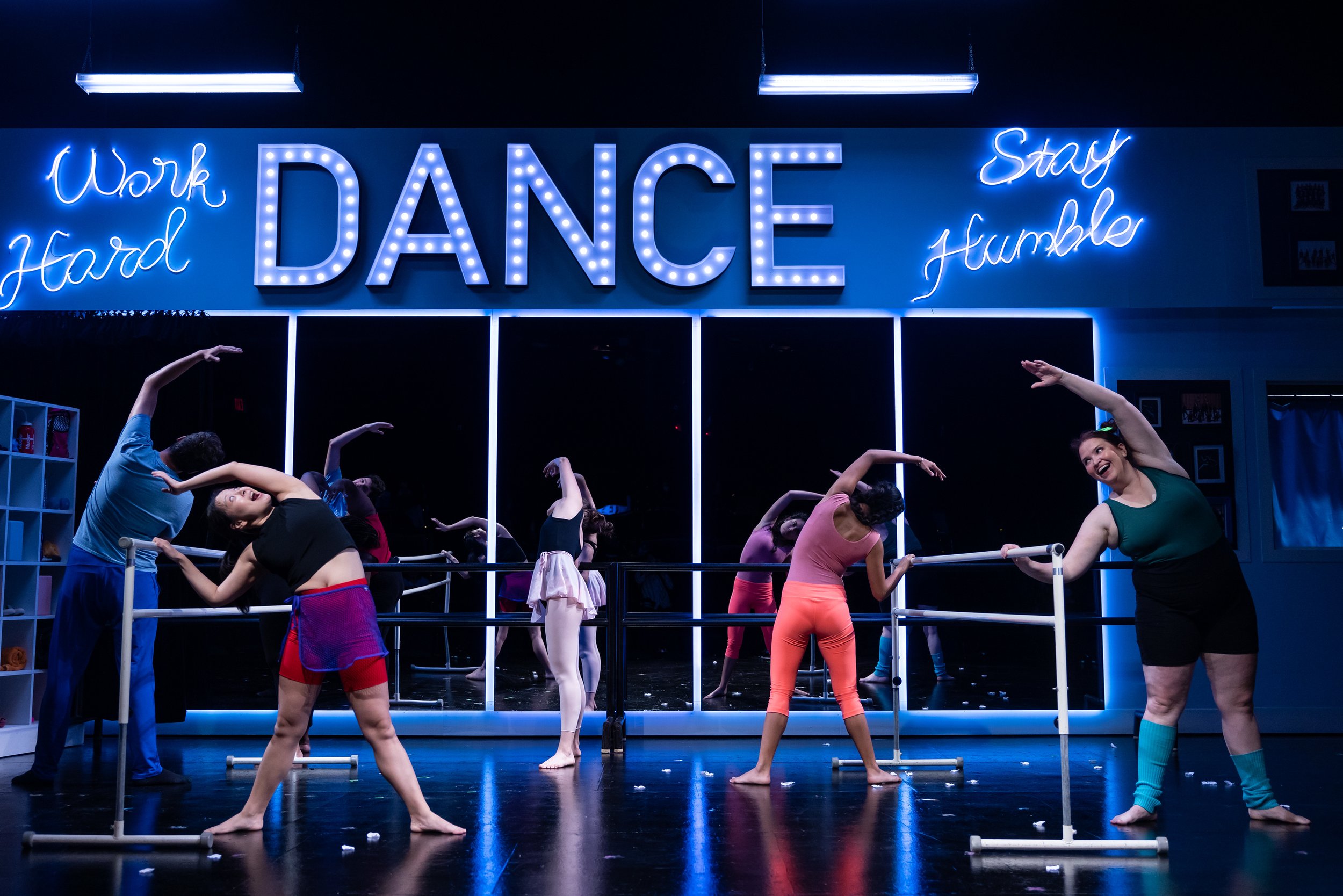
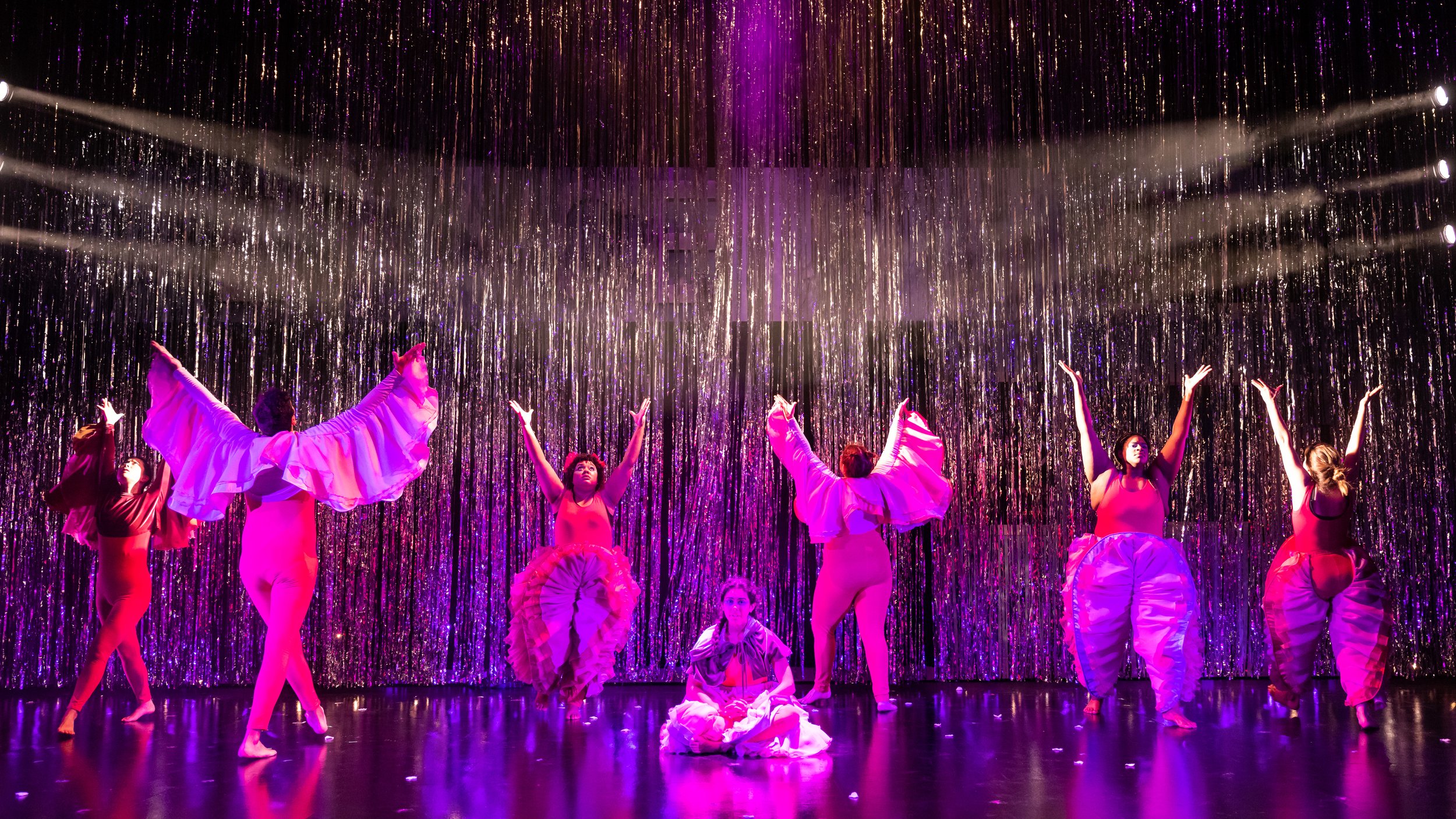
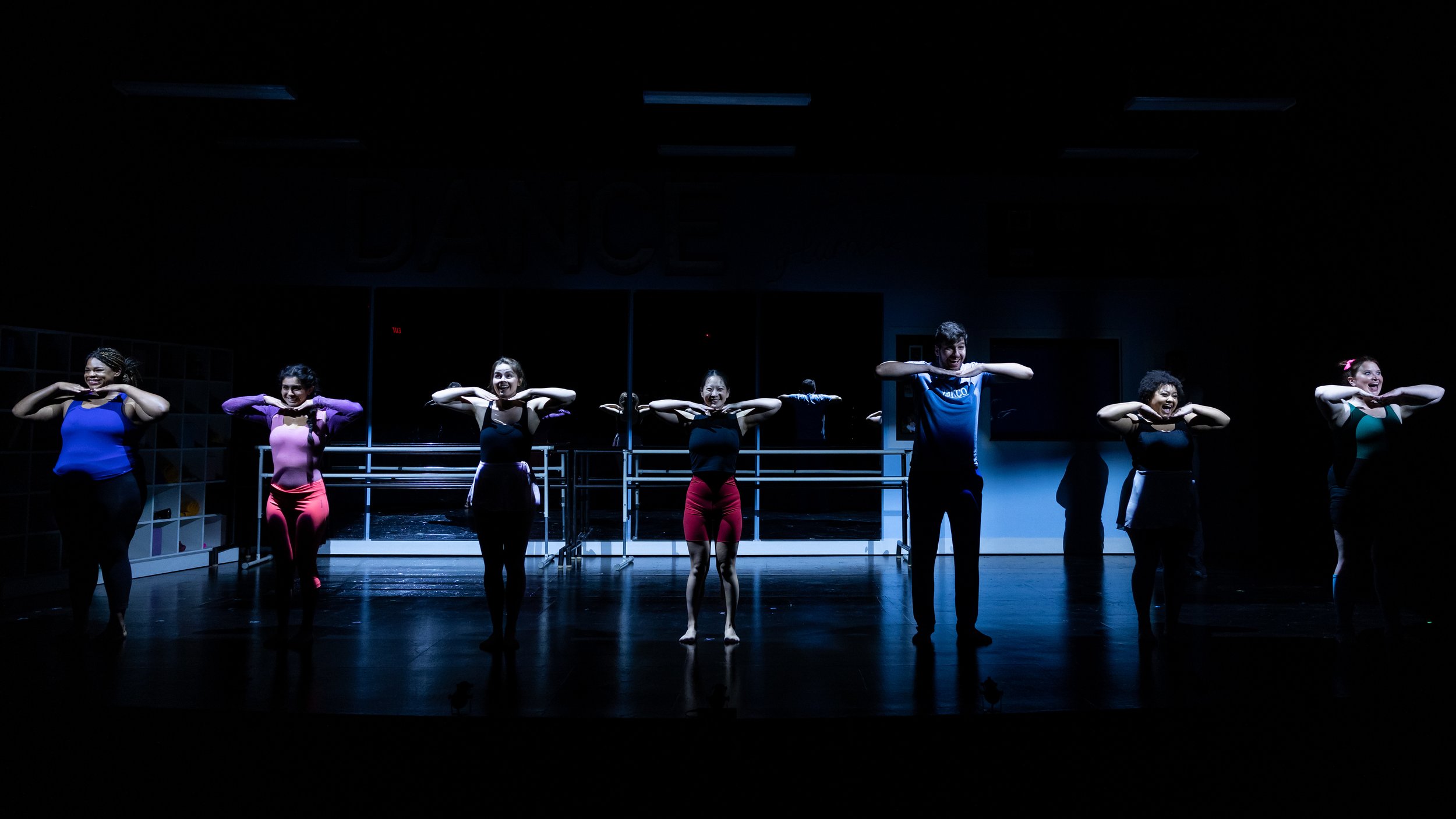
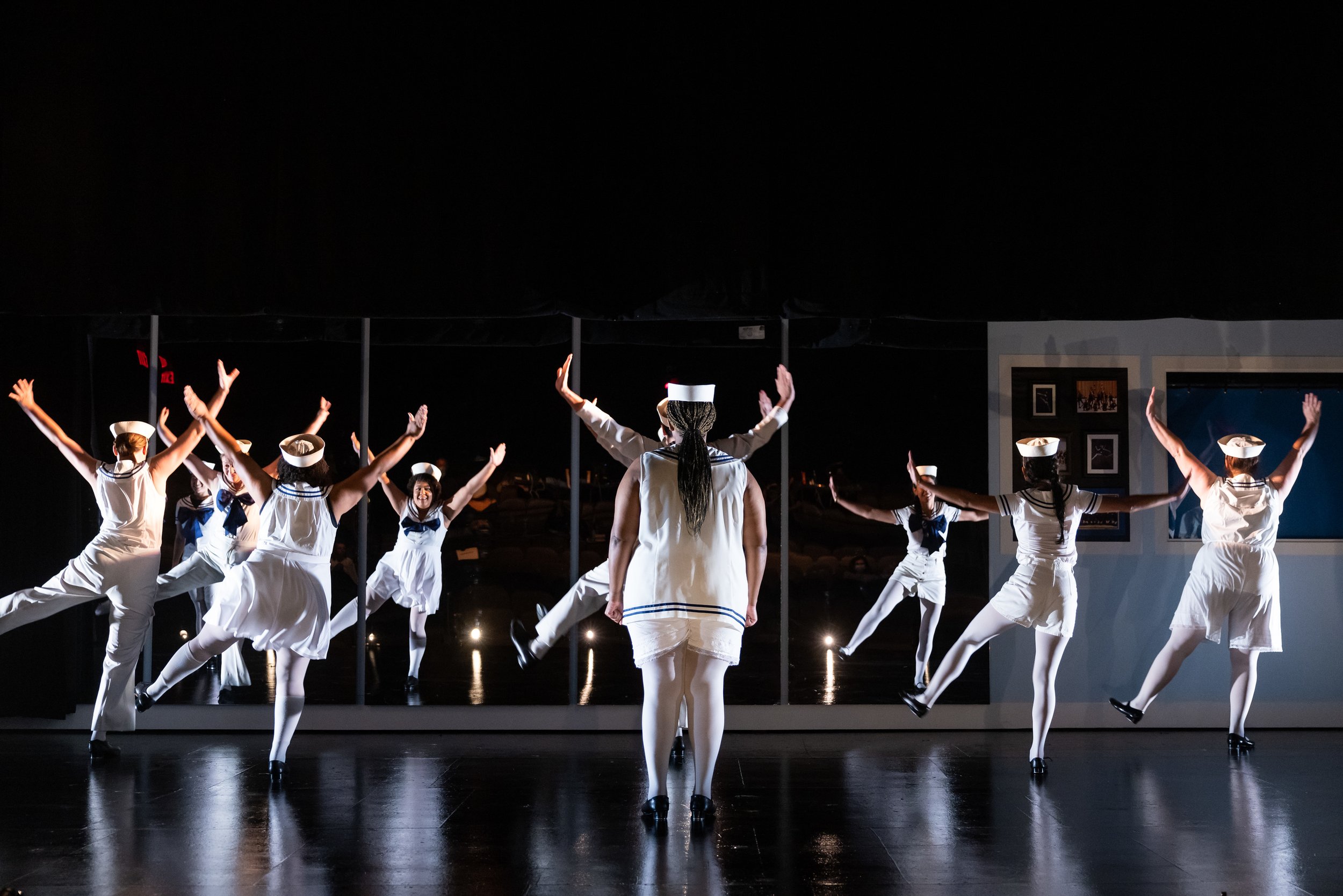
Directed by Kirsten Fitzgerald. Choreographed by Tucker Tab DeGregory. Written by Clare Barron. Costume and Scenic Design by Nora Marlow Smith. Lighting Design by Gabrielle Strong. Intimacy Direction by Courtney Abbott. Photos by Justin Barbin Photography.
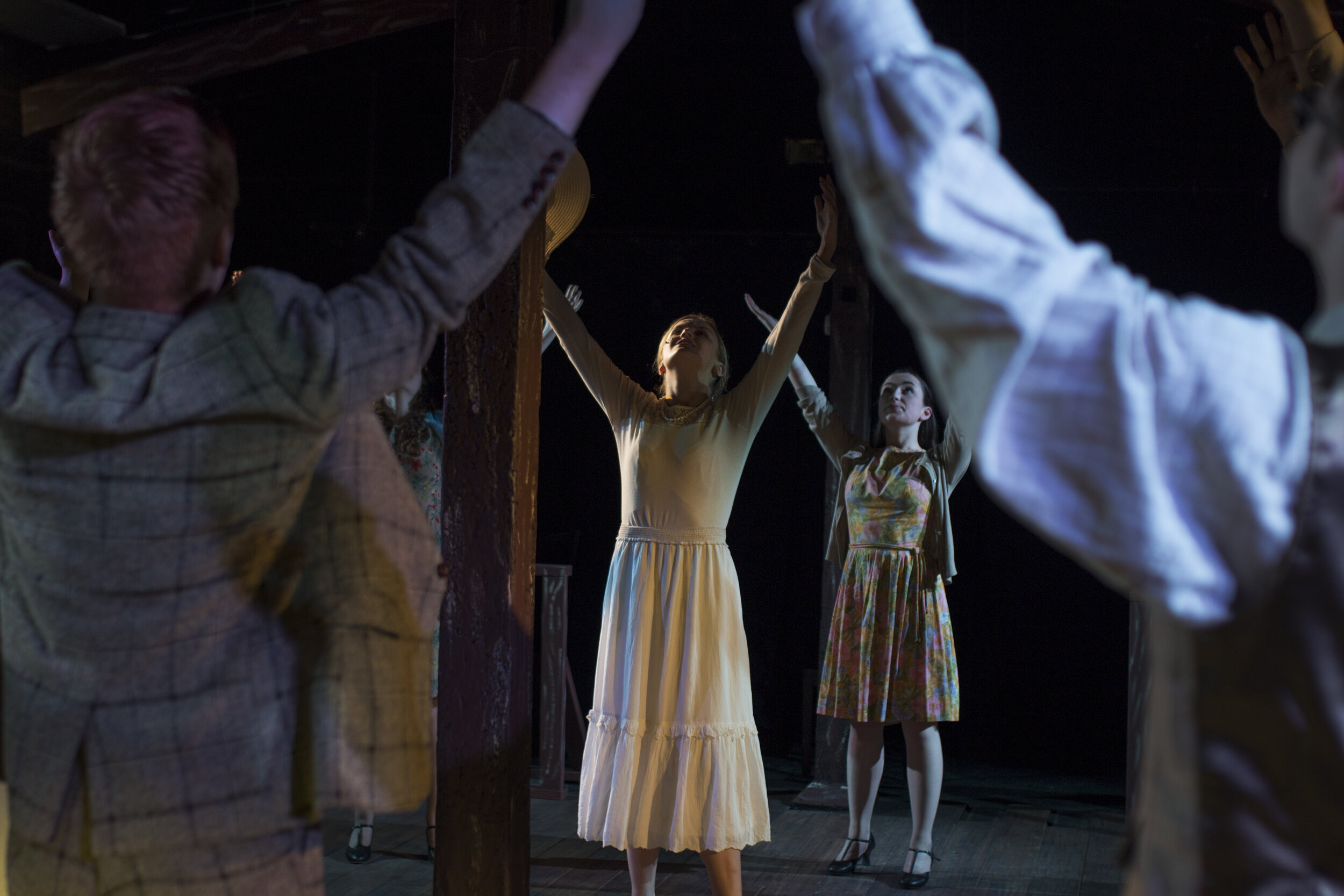
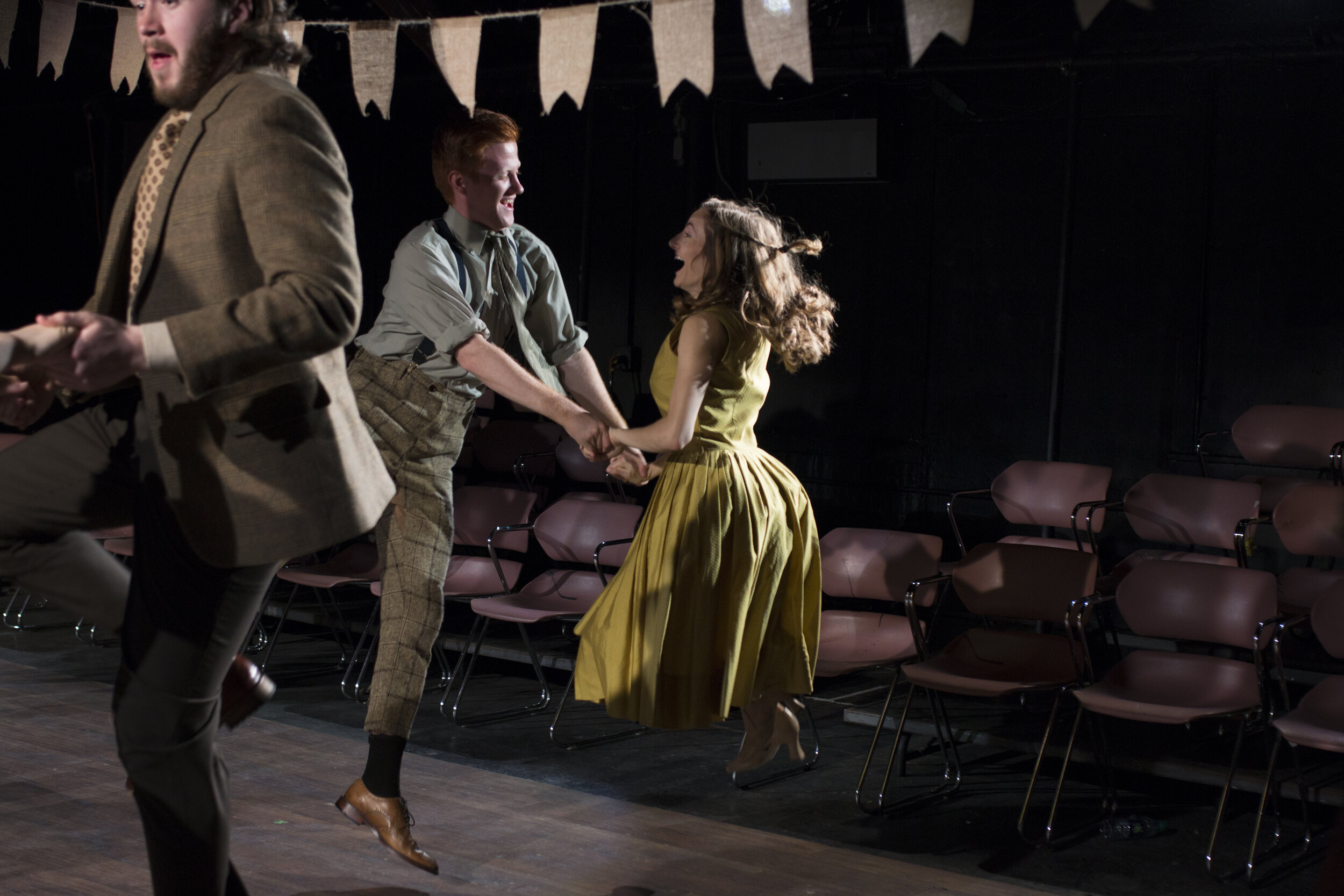
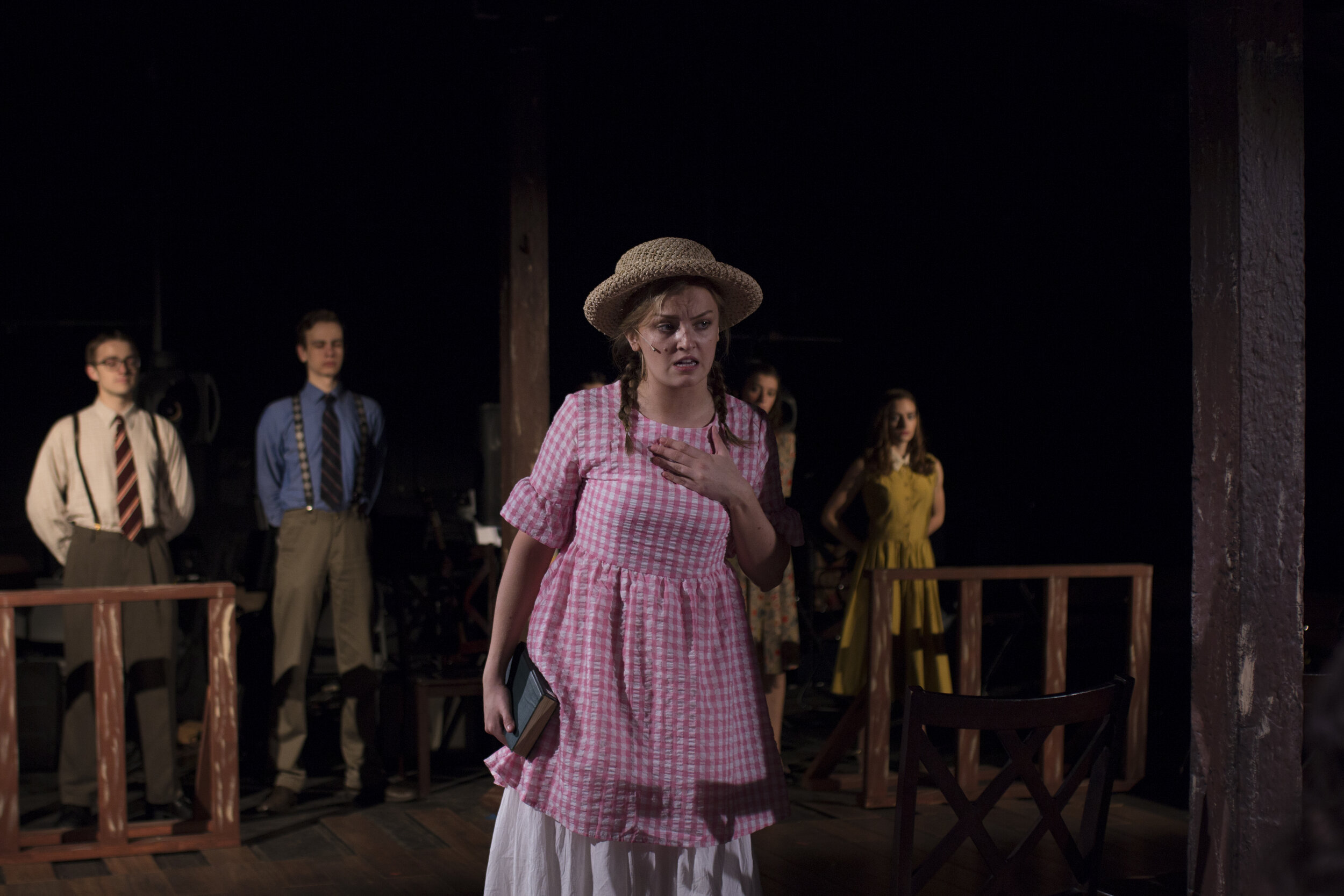
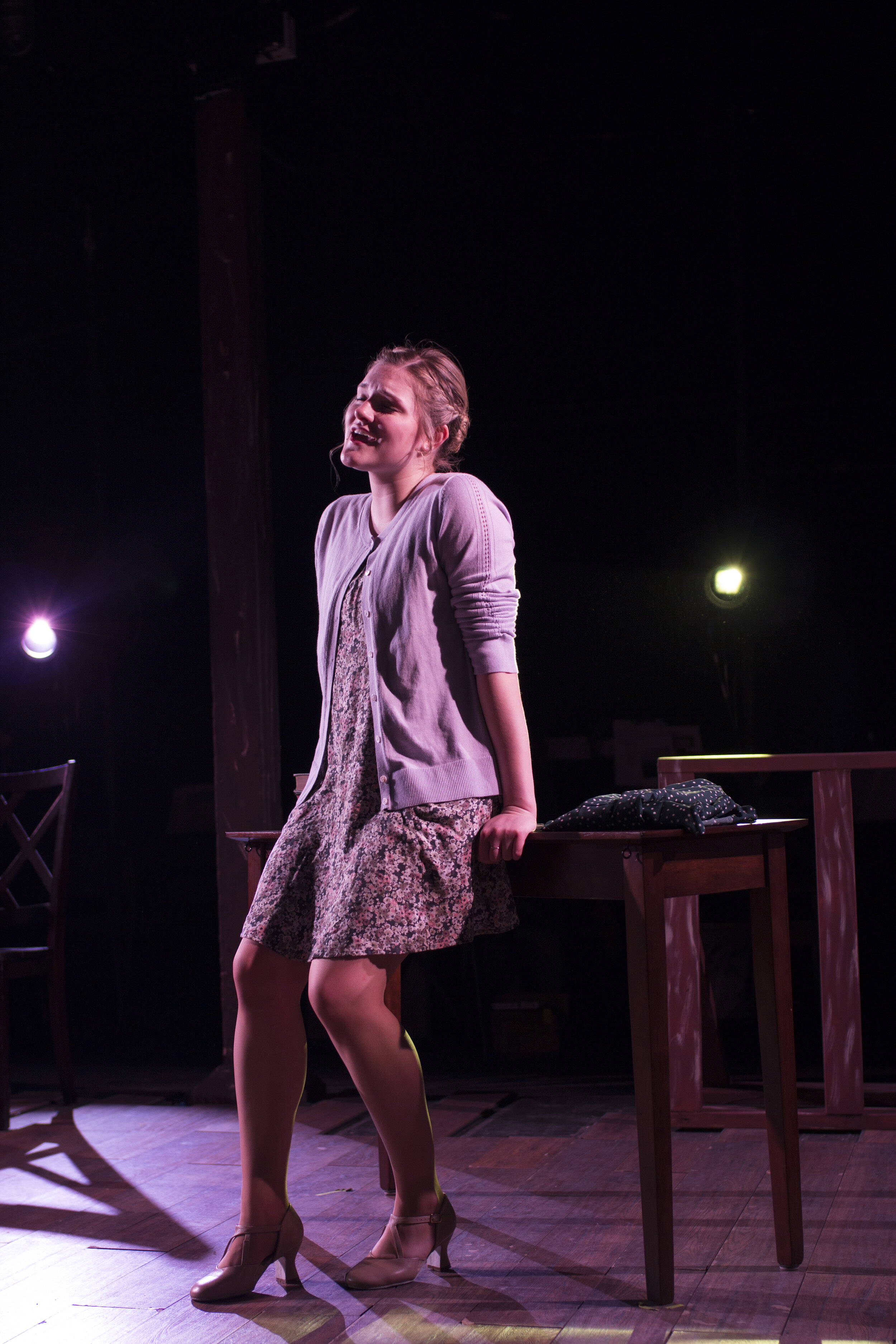
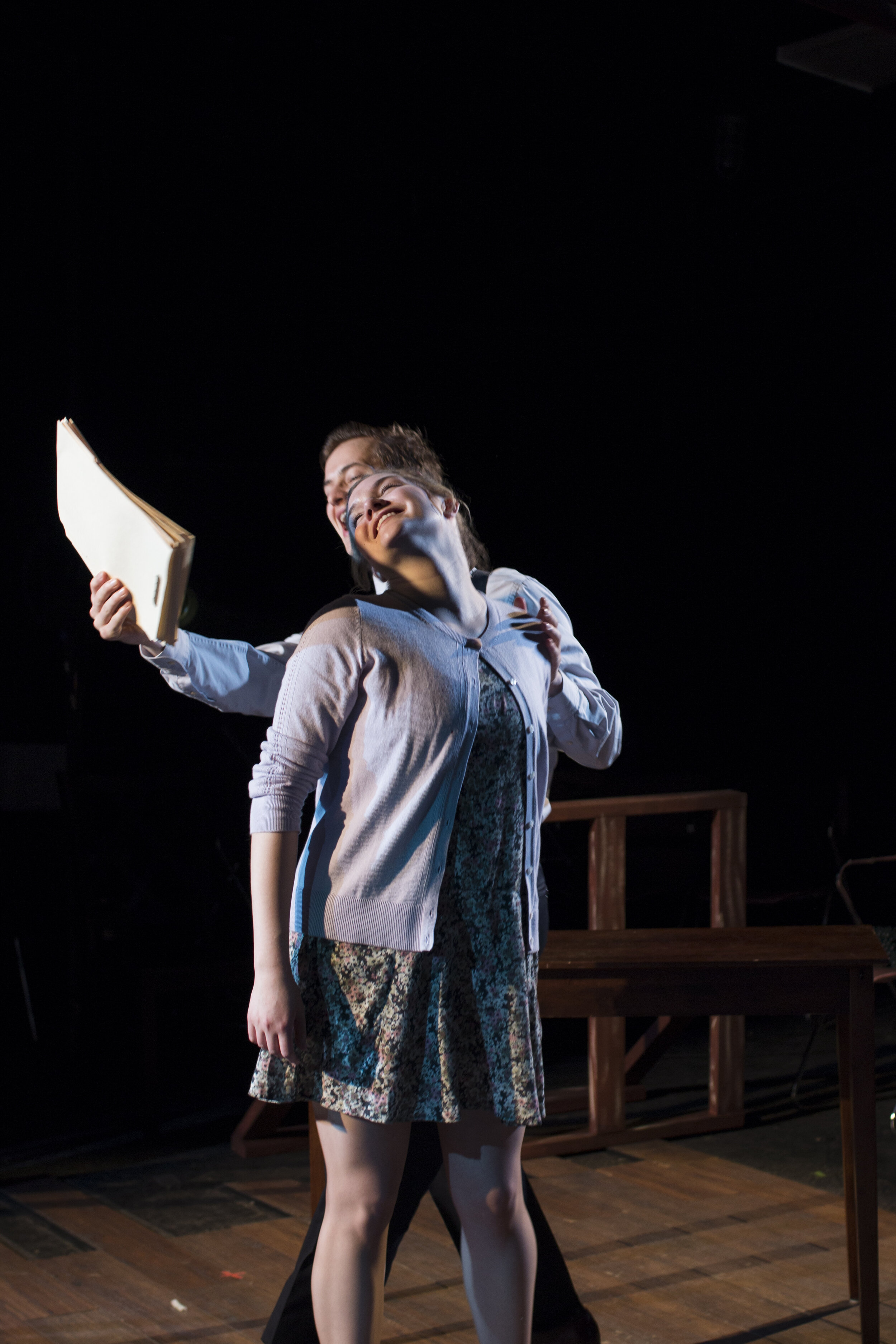
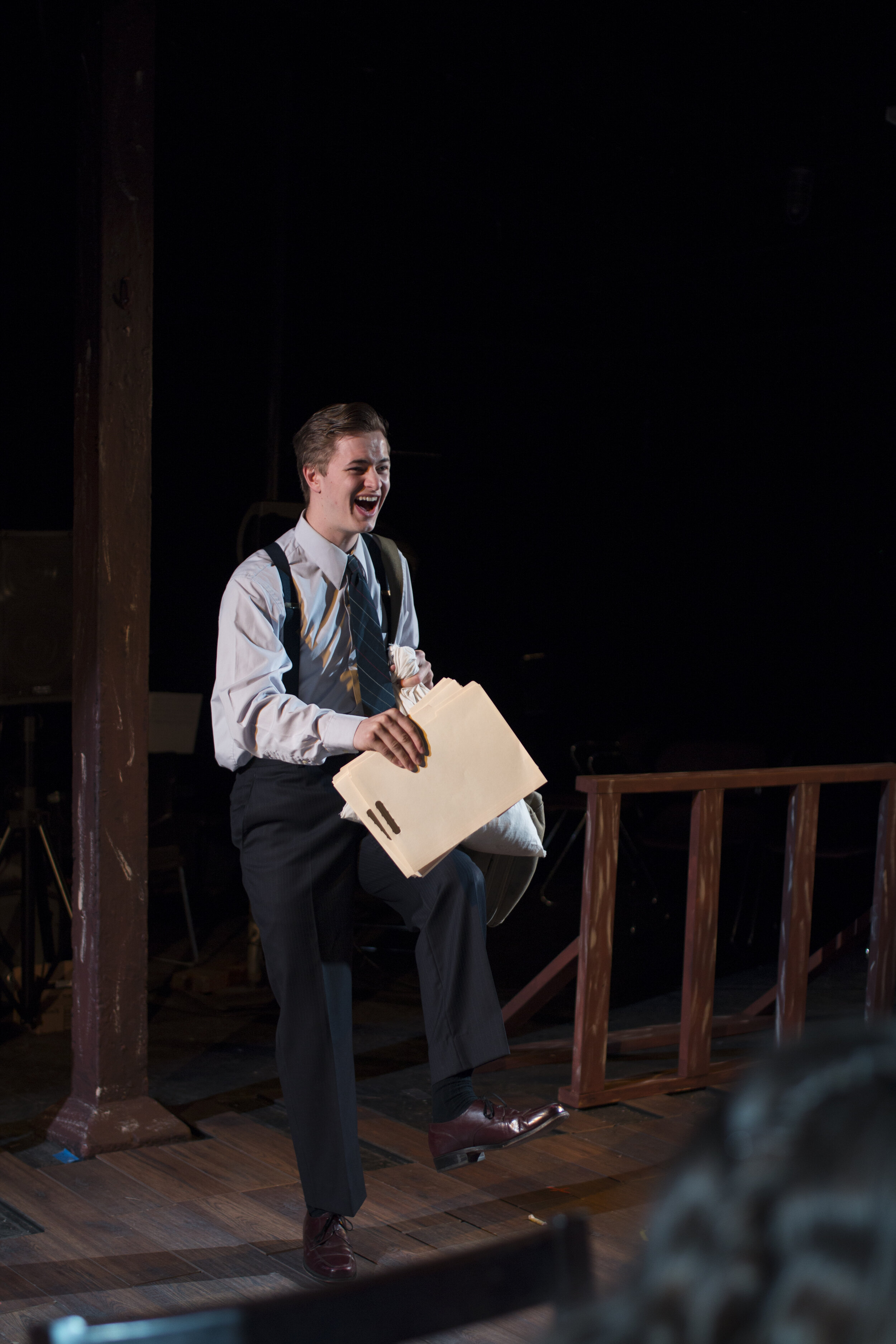
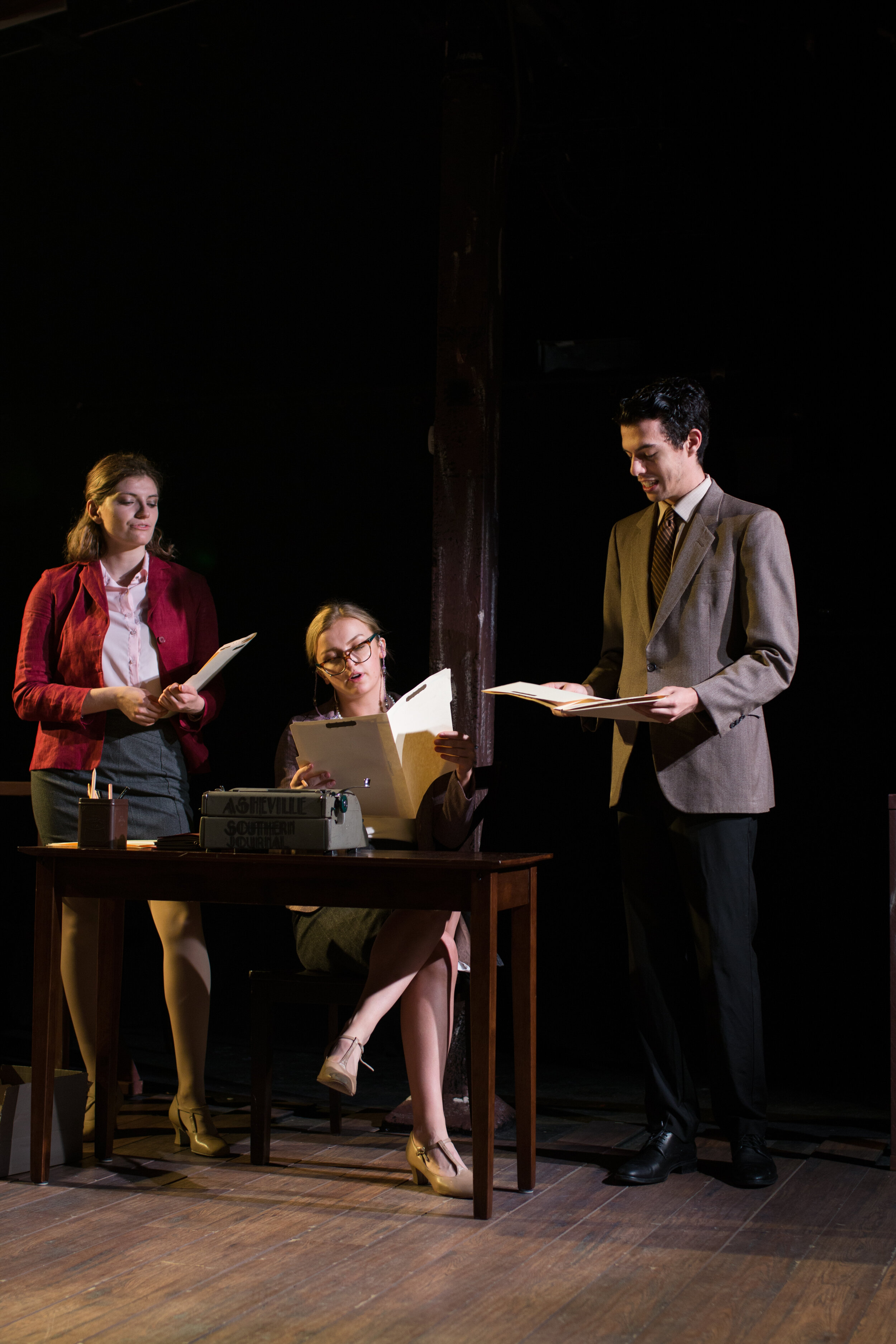
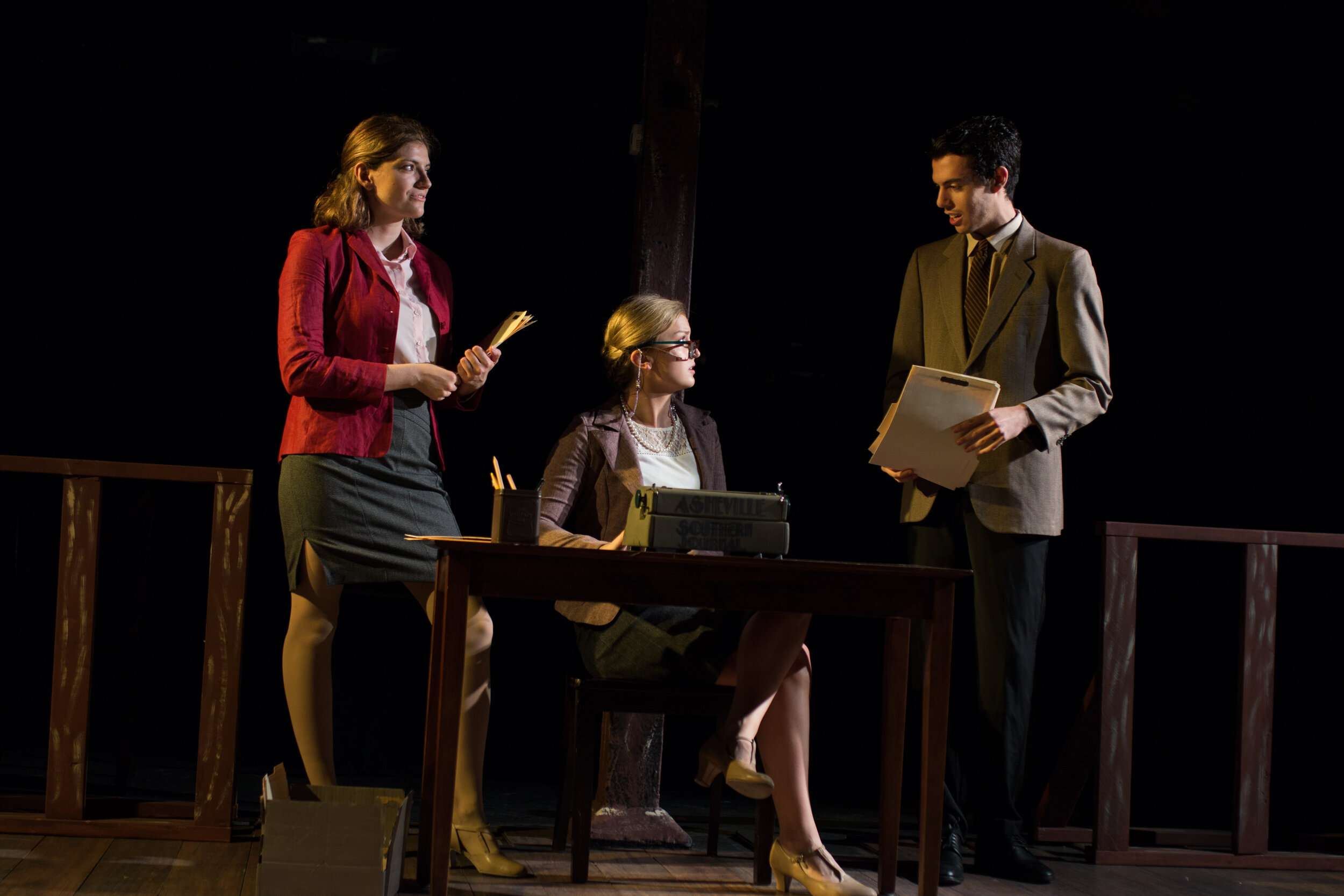
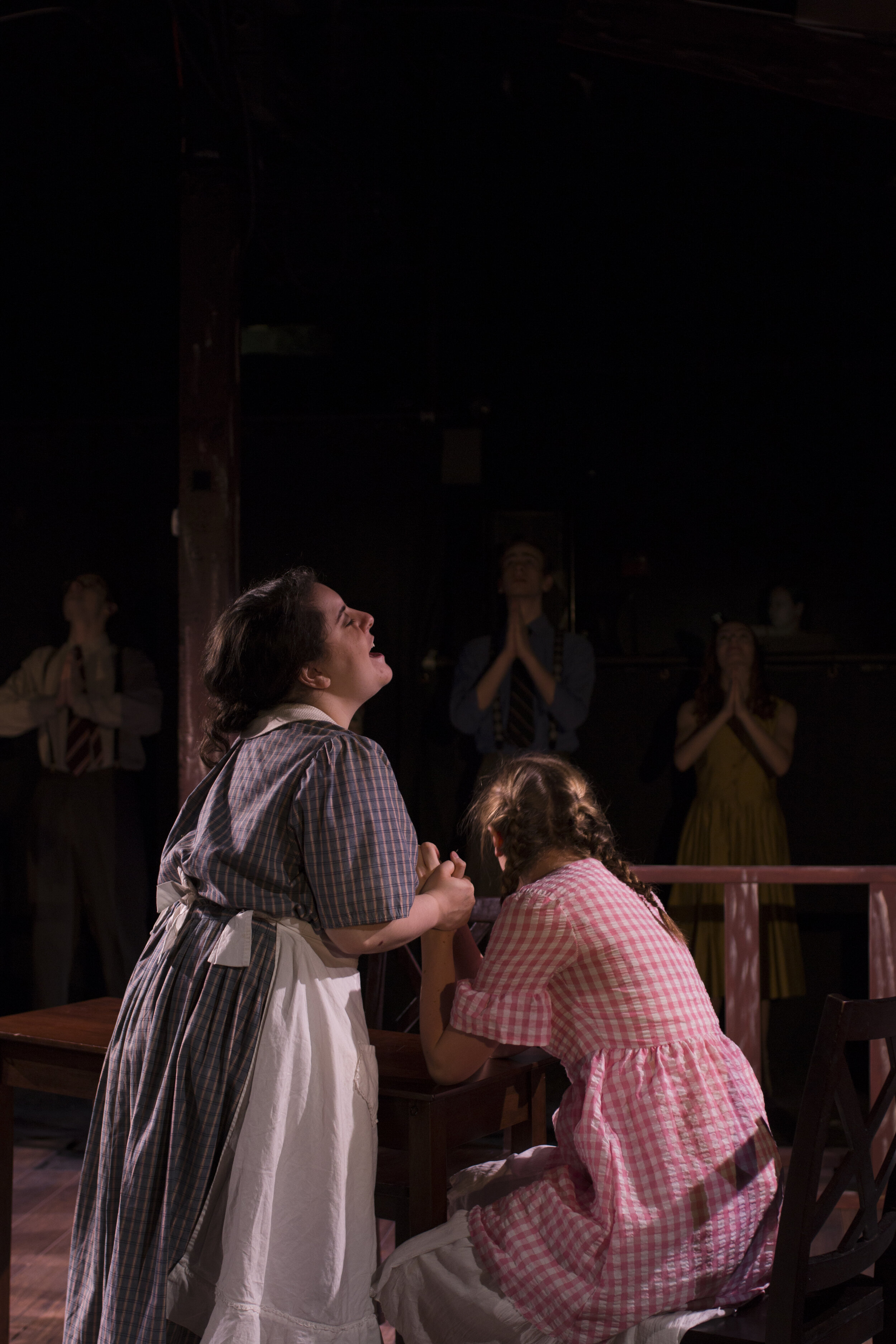
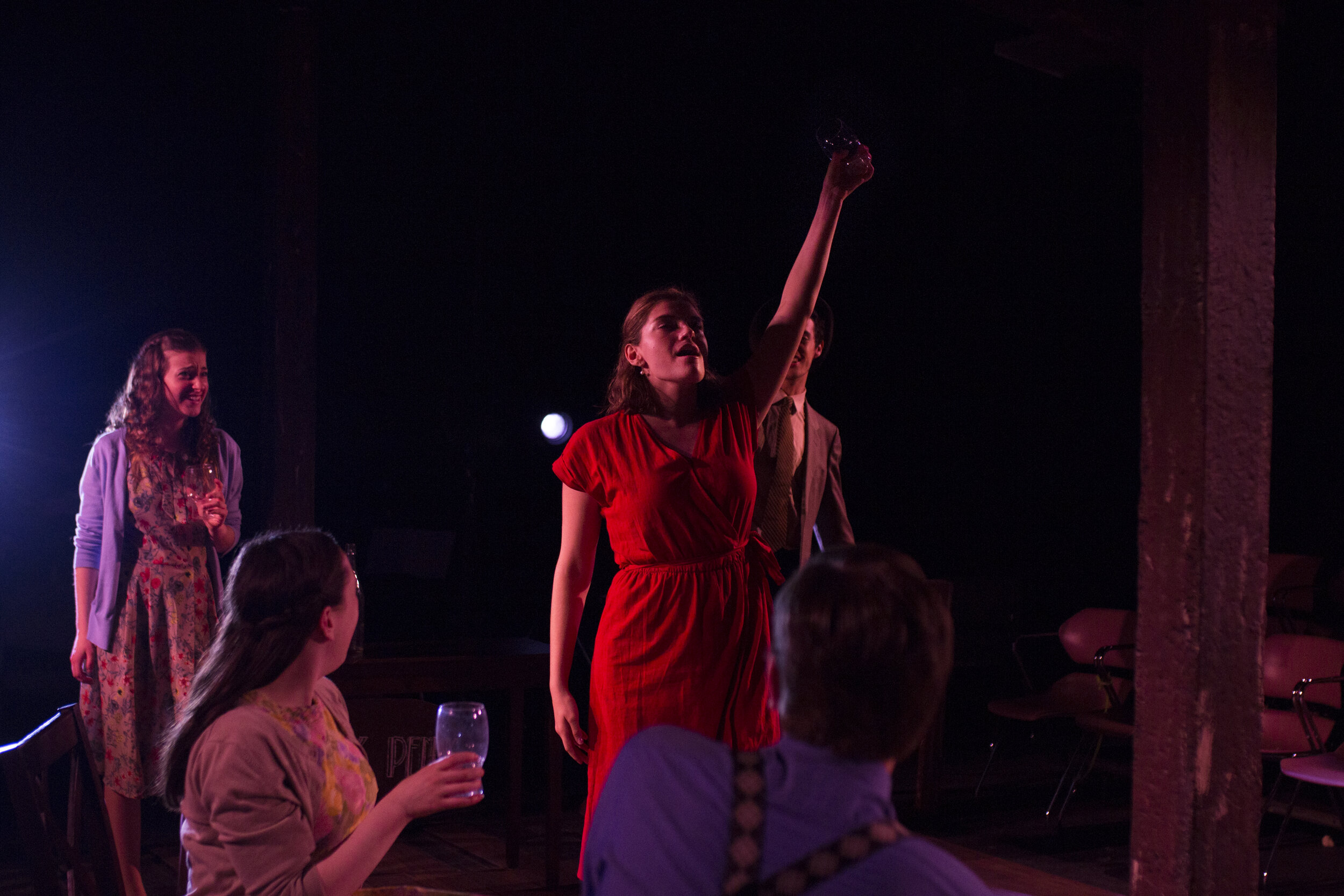
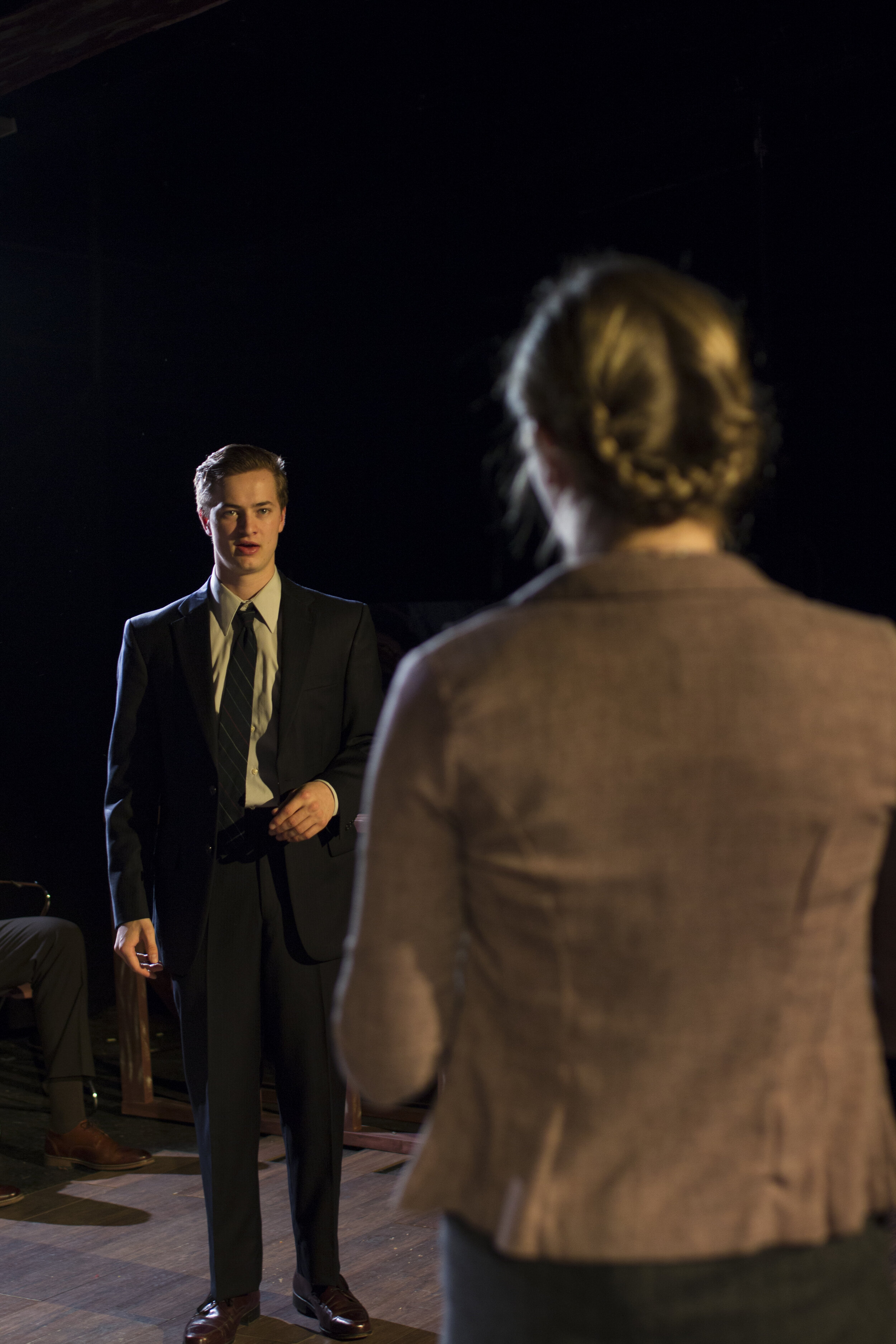
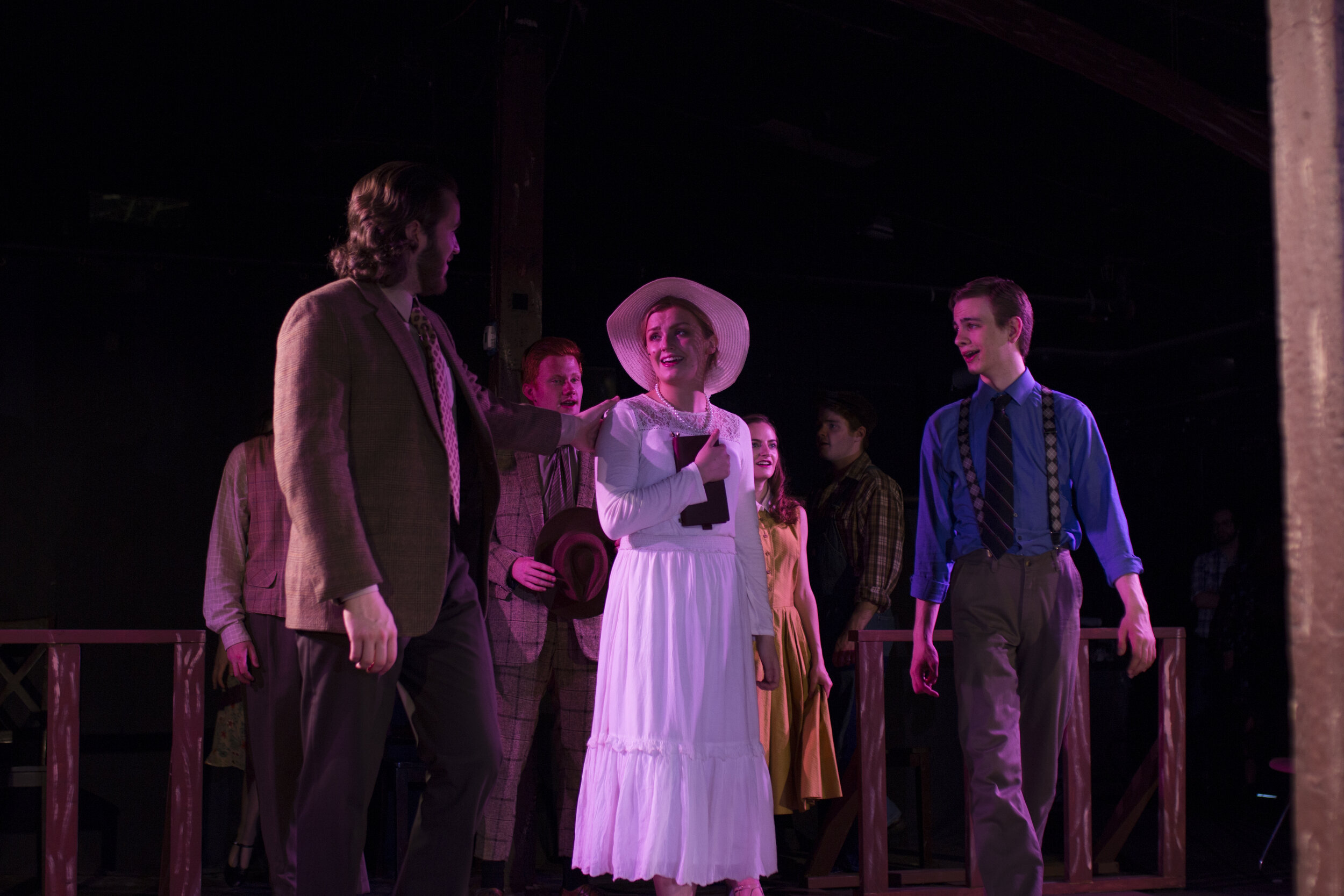
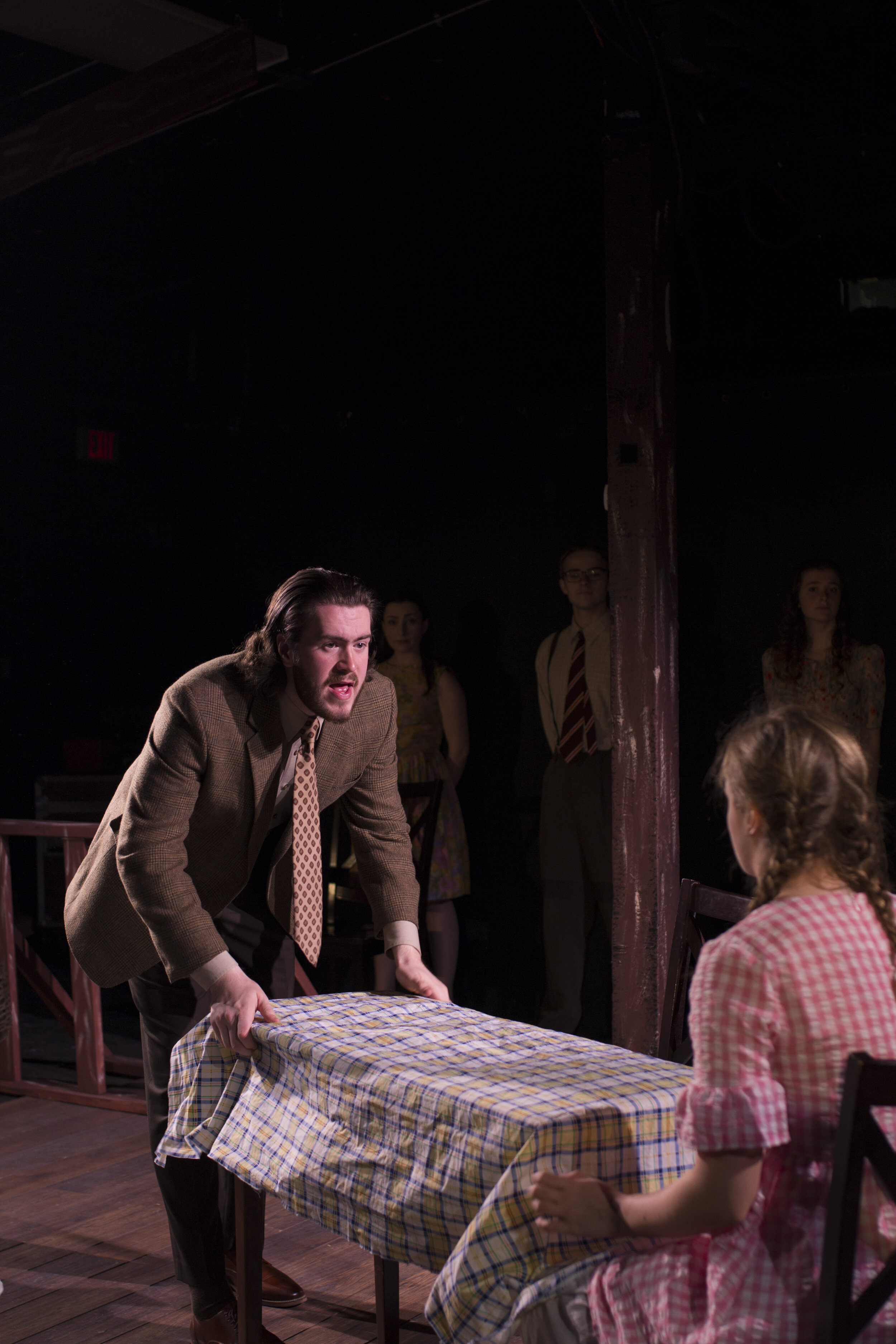
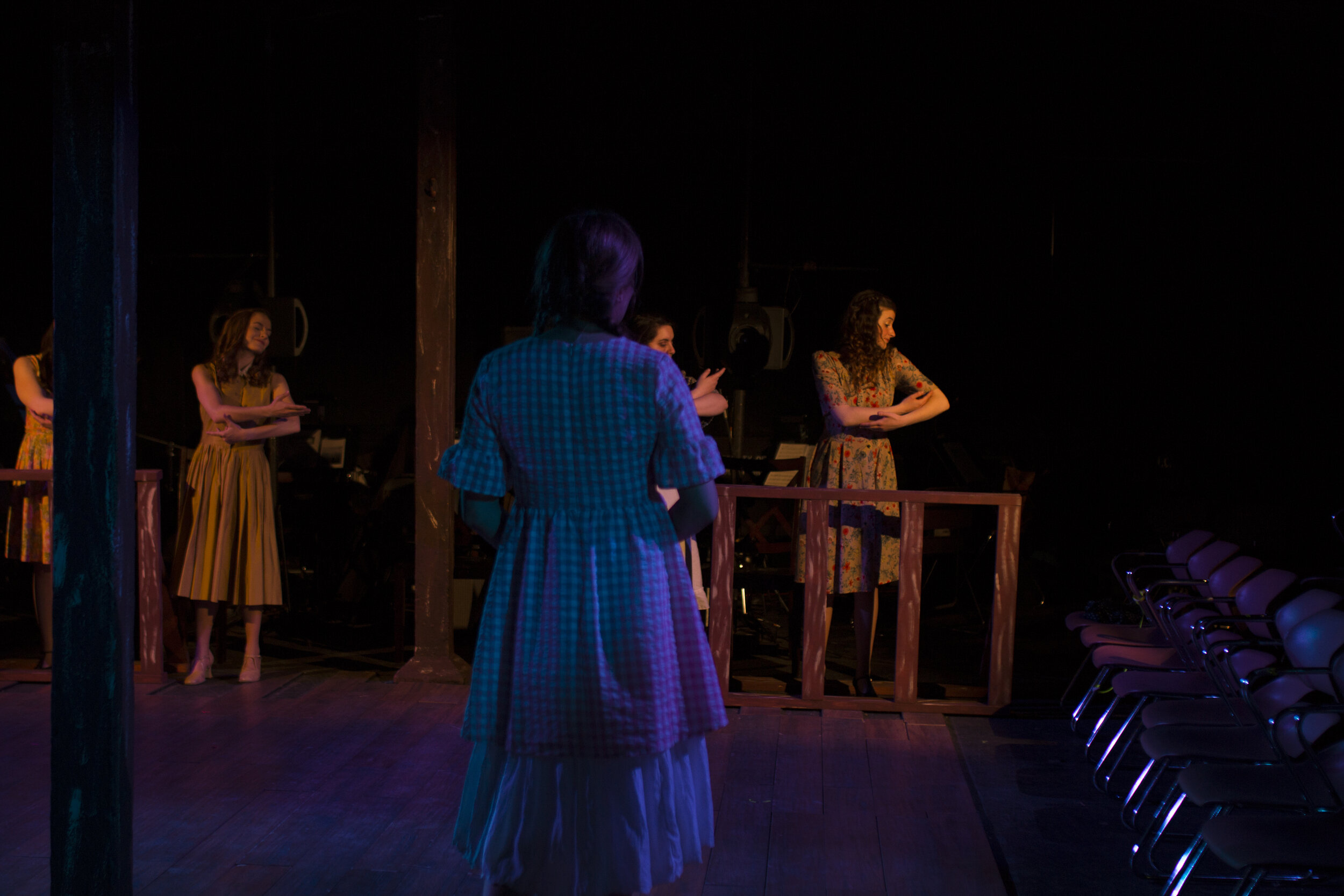
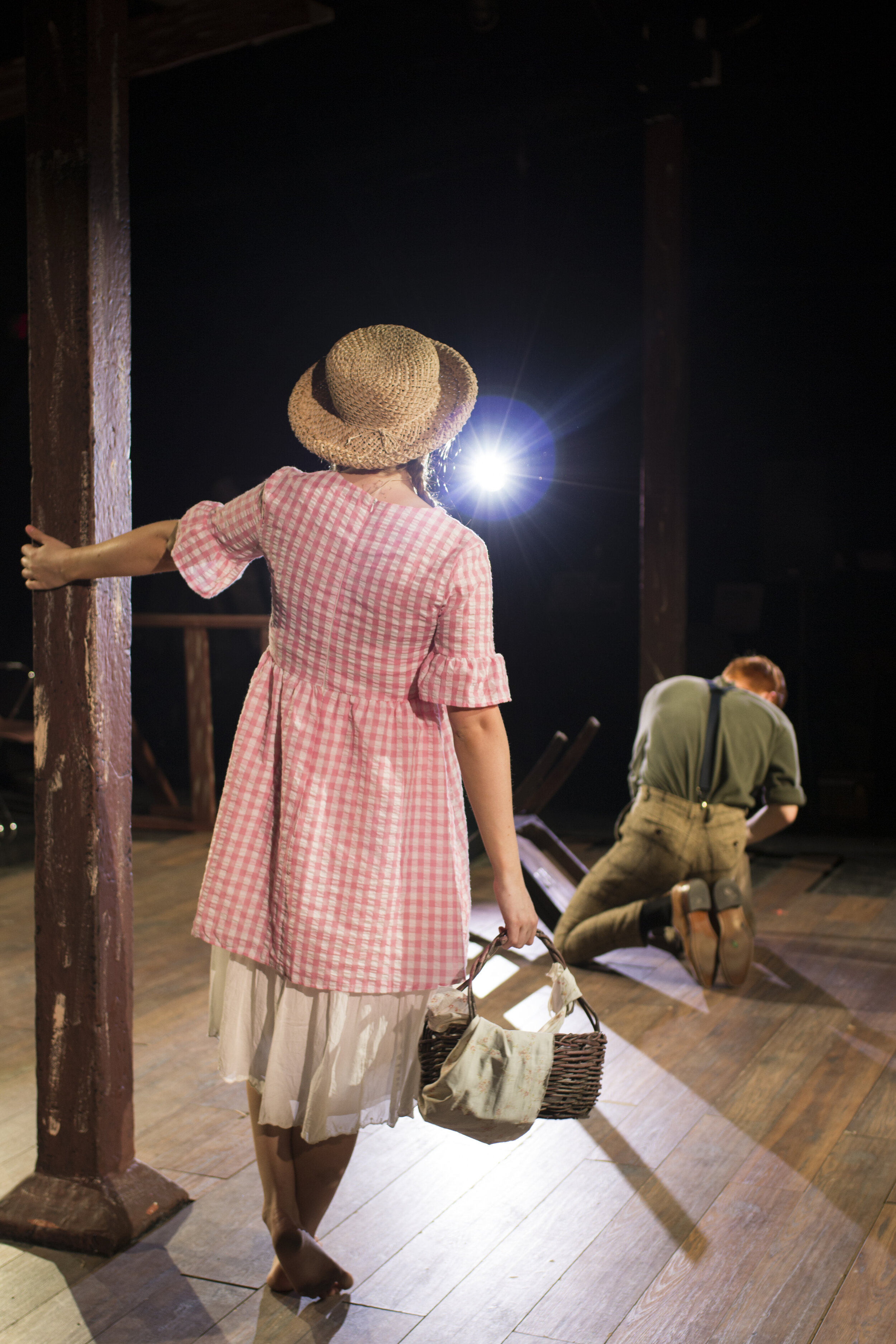
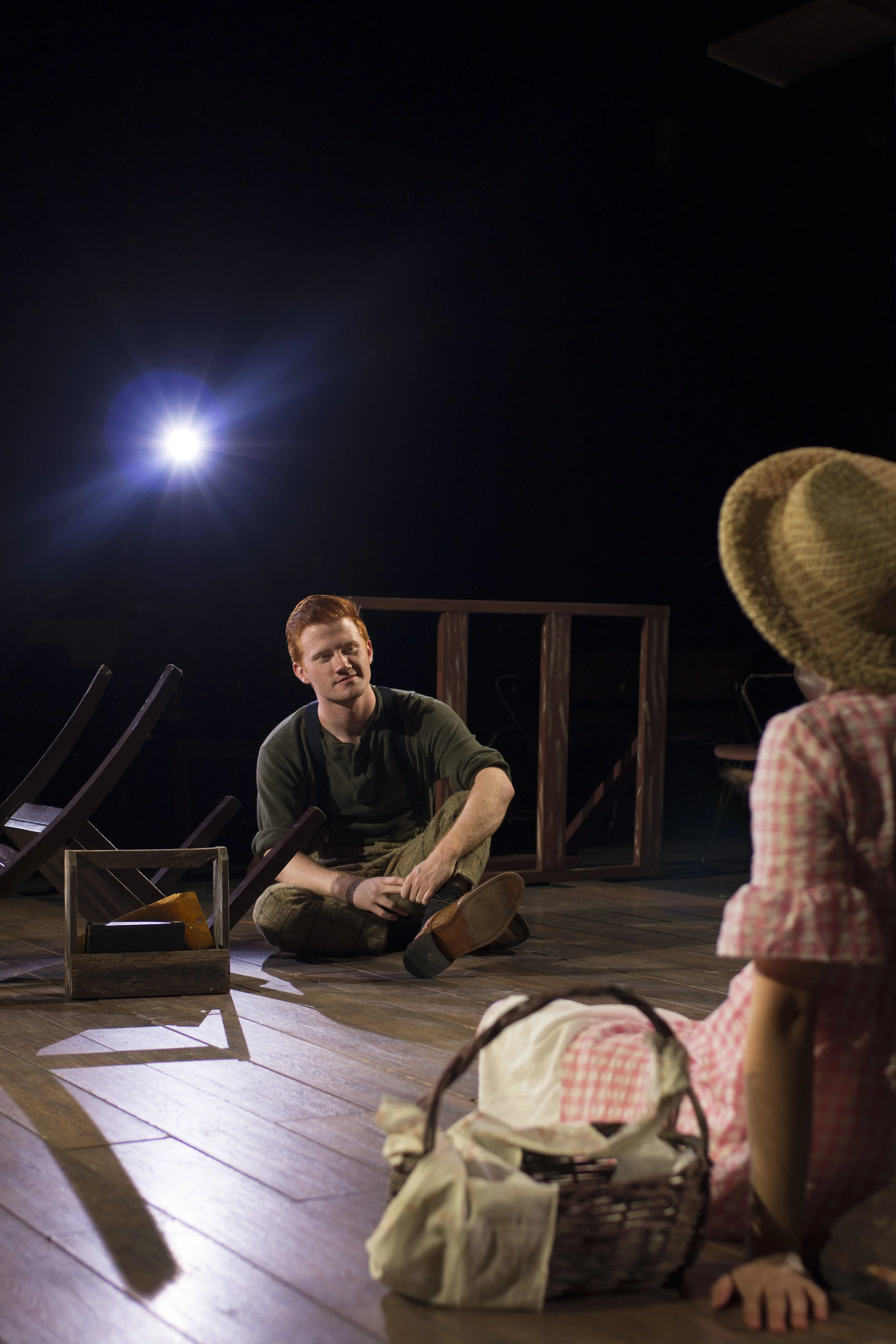
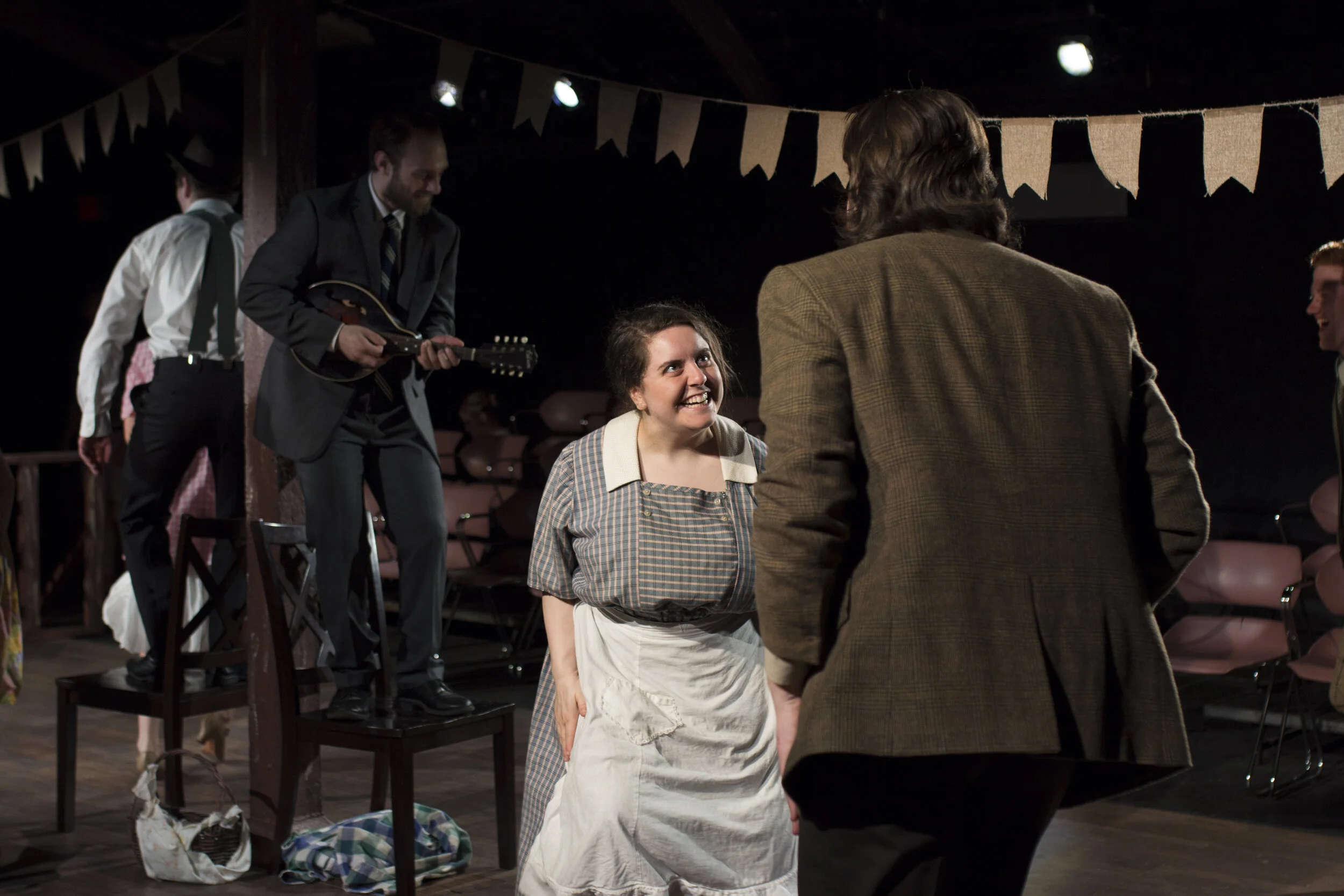
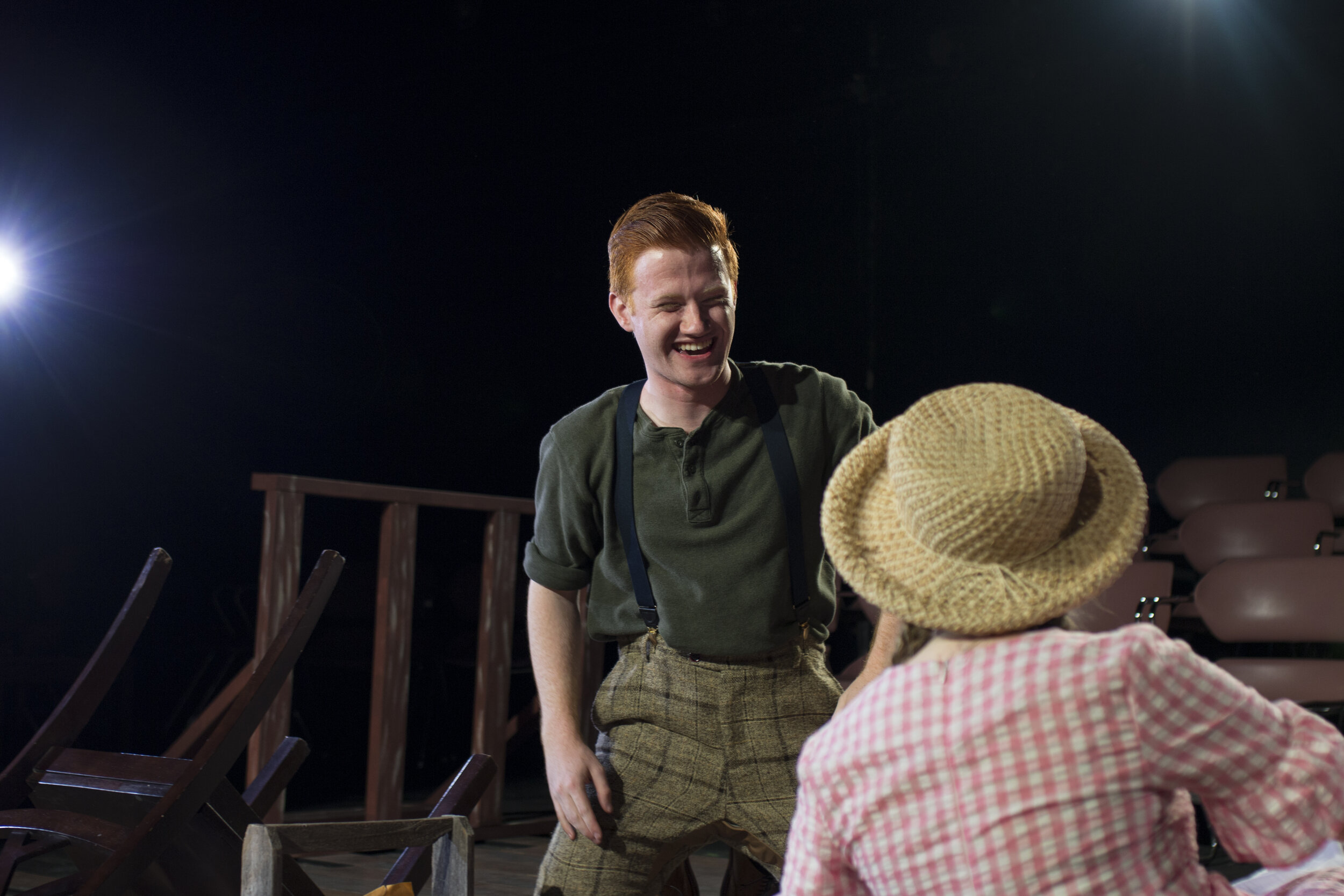
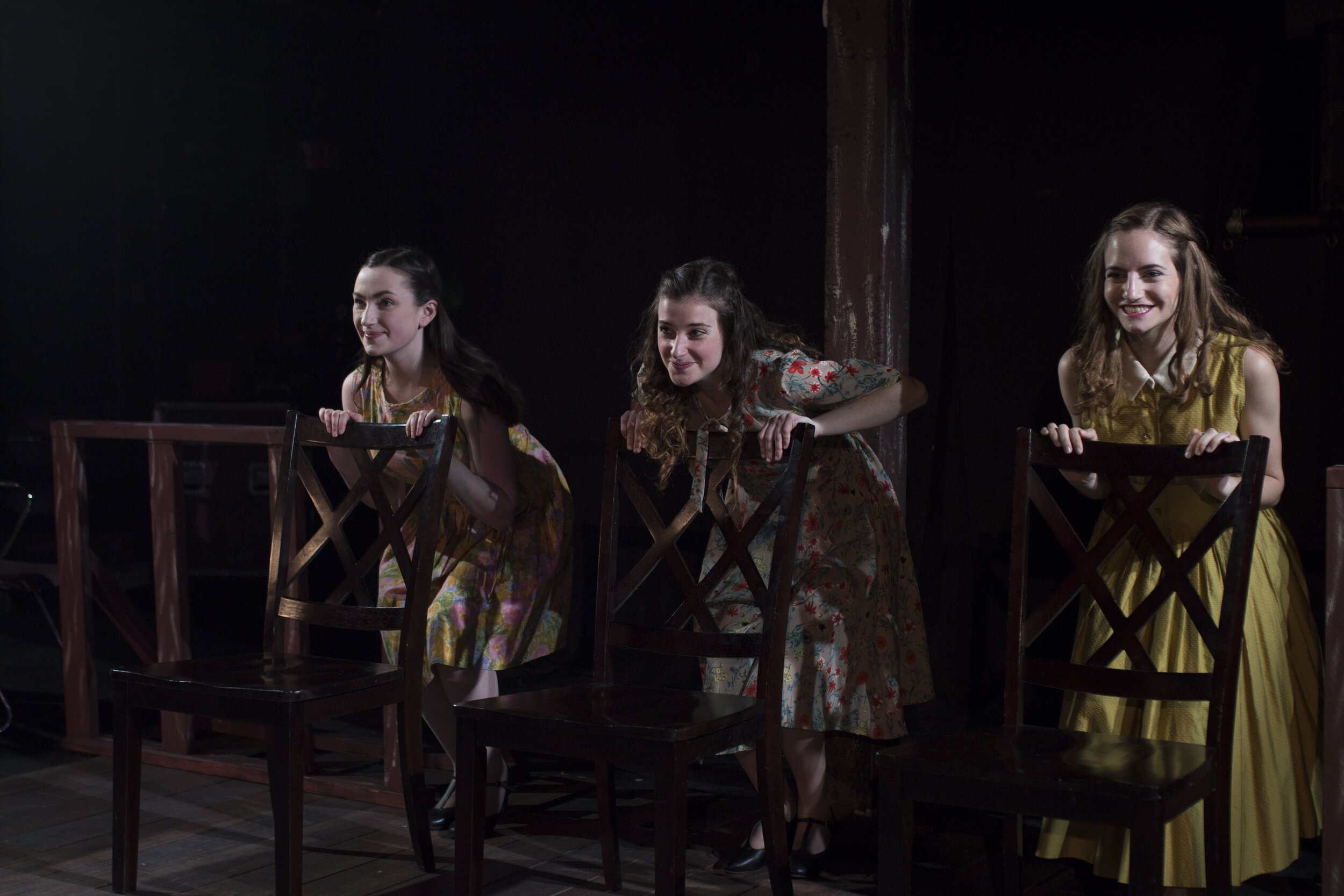
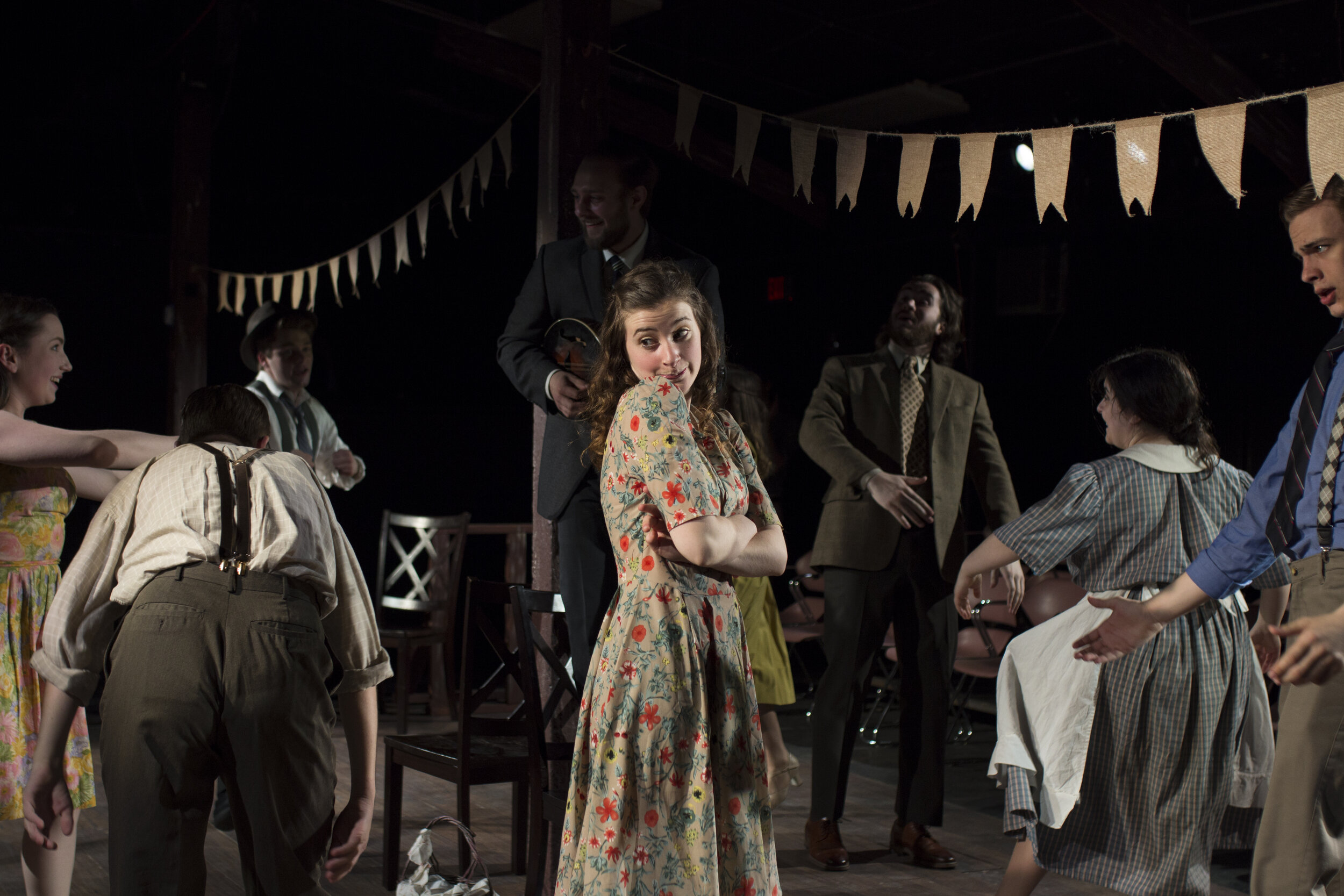
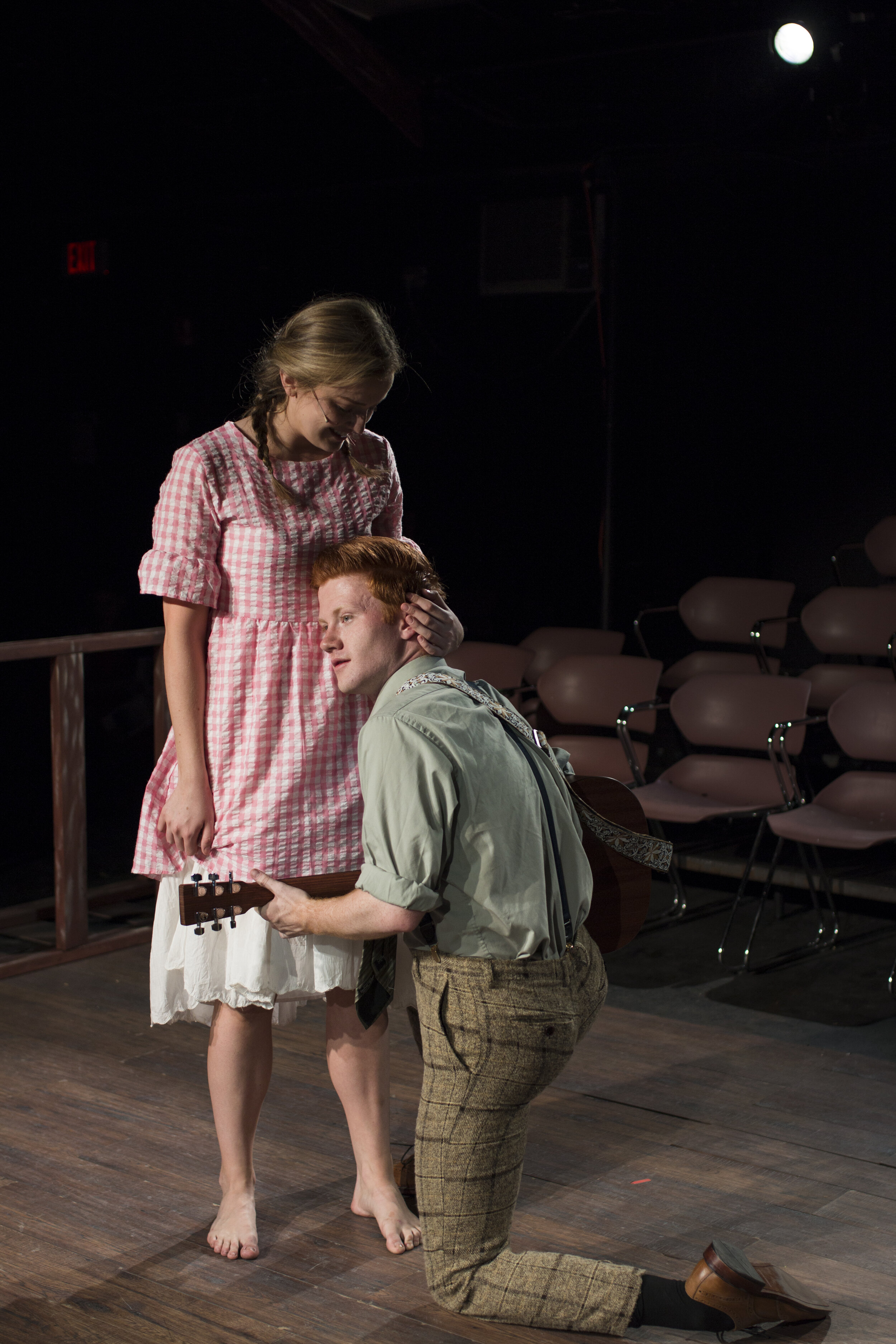
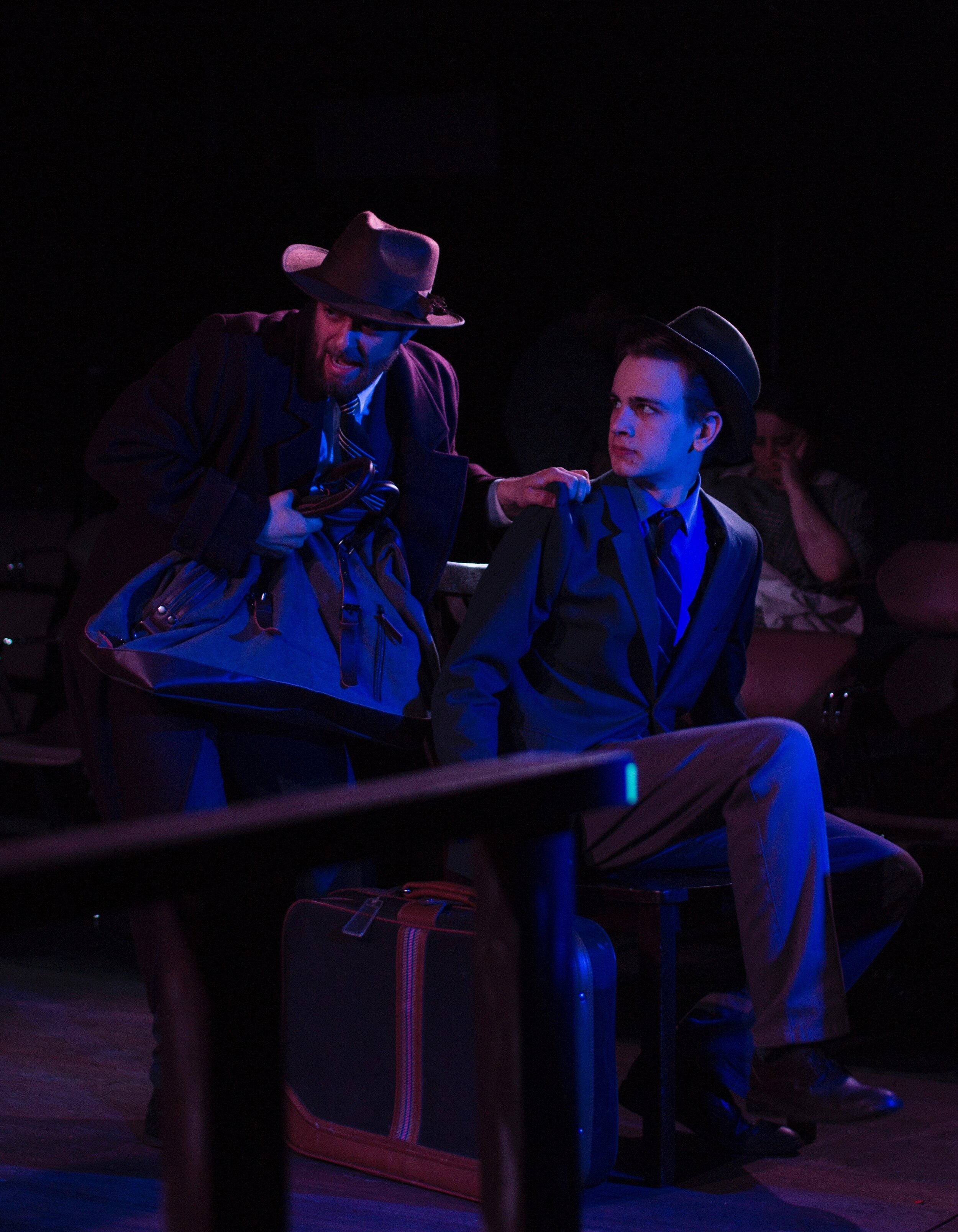
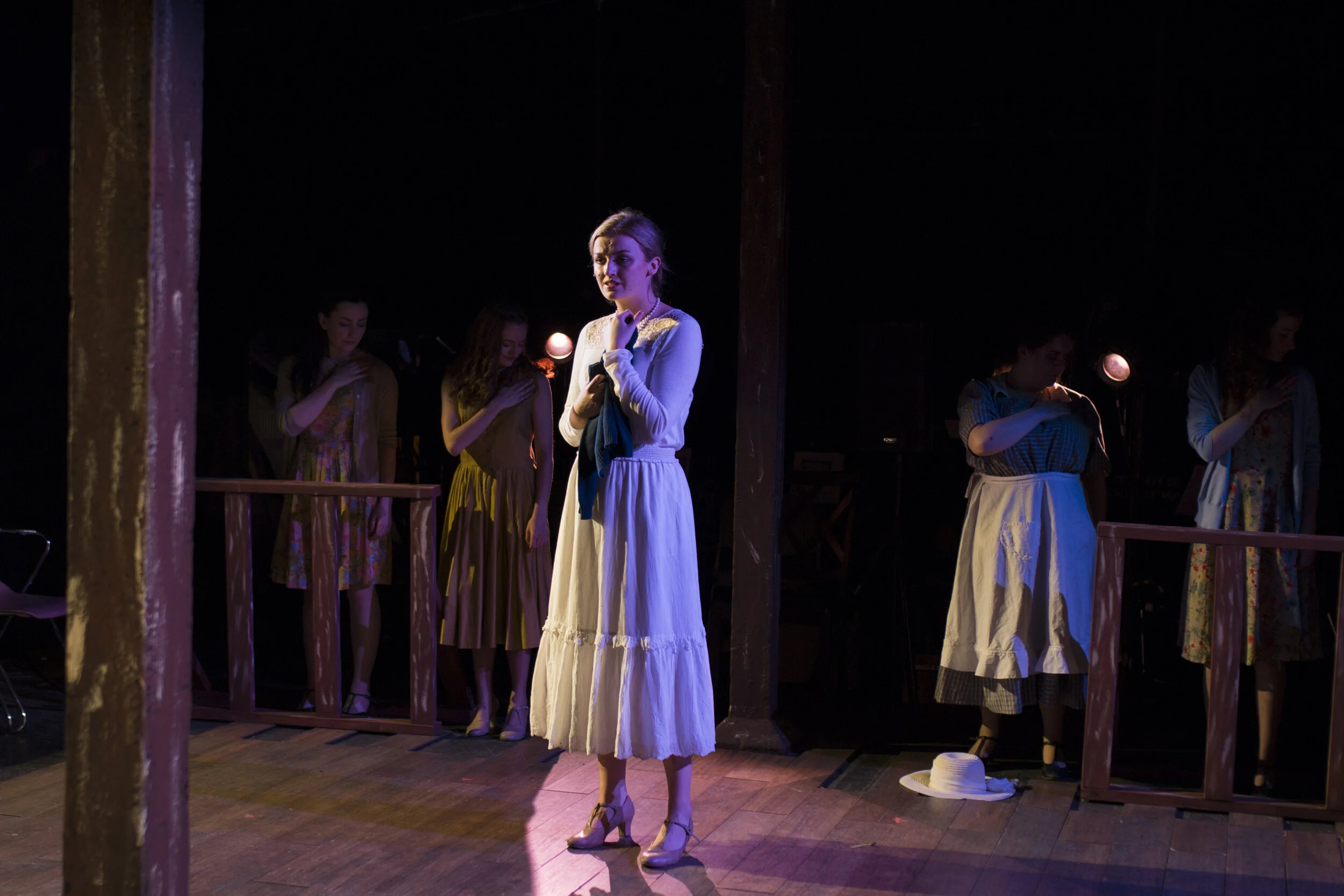
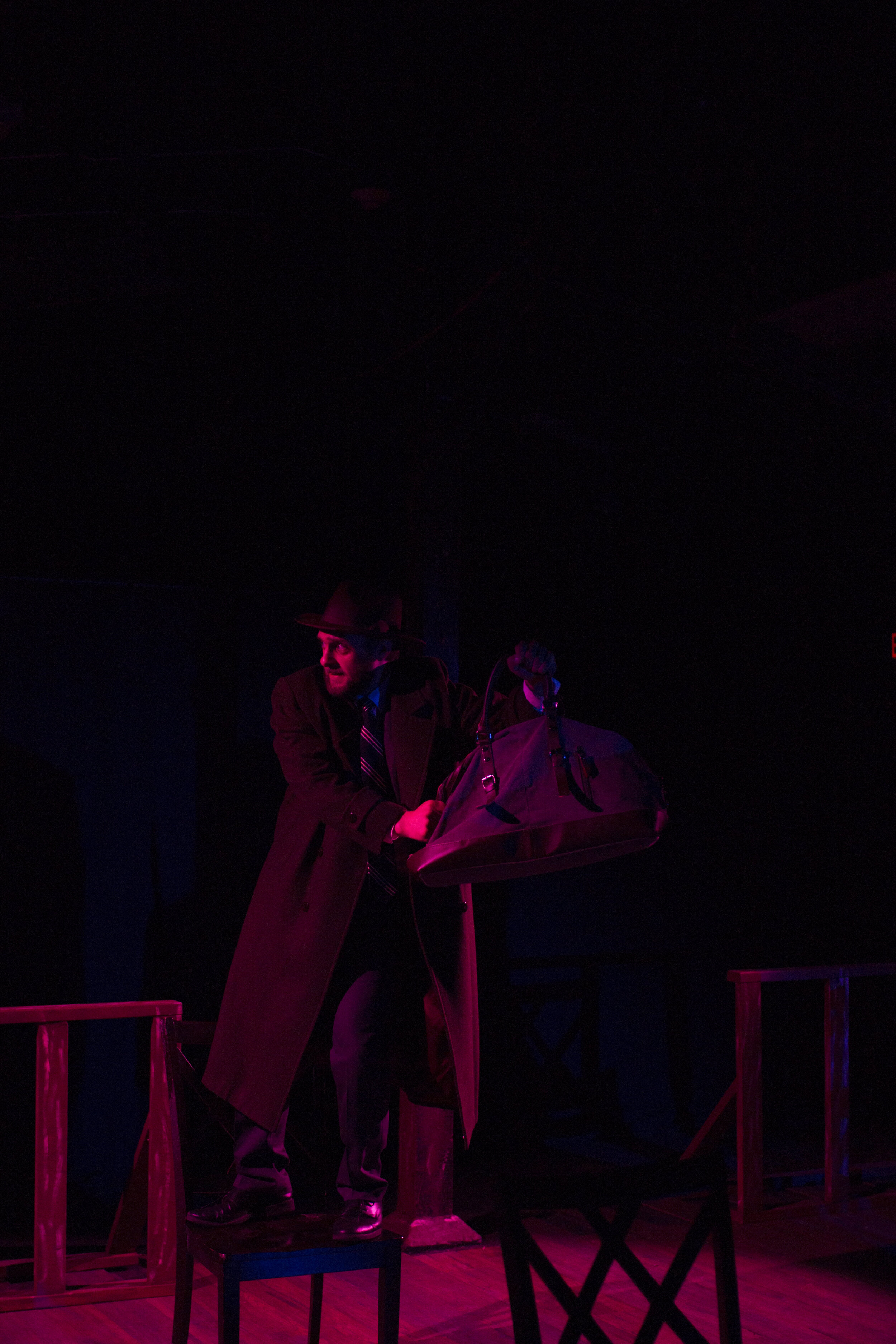
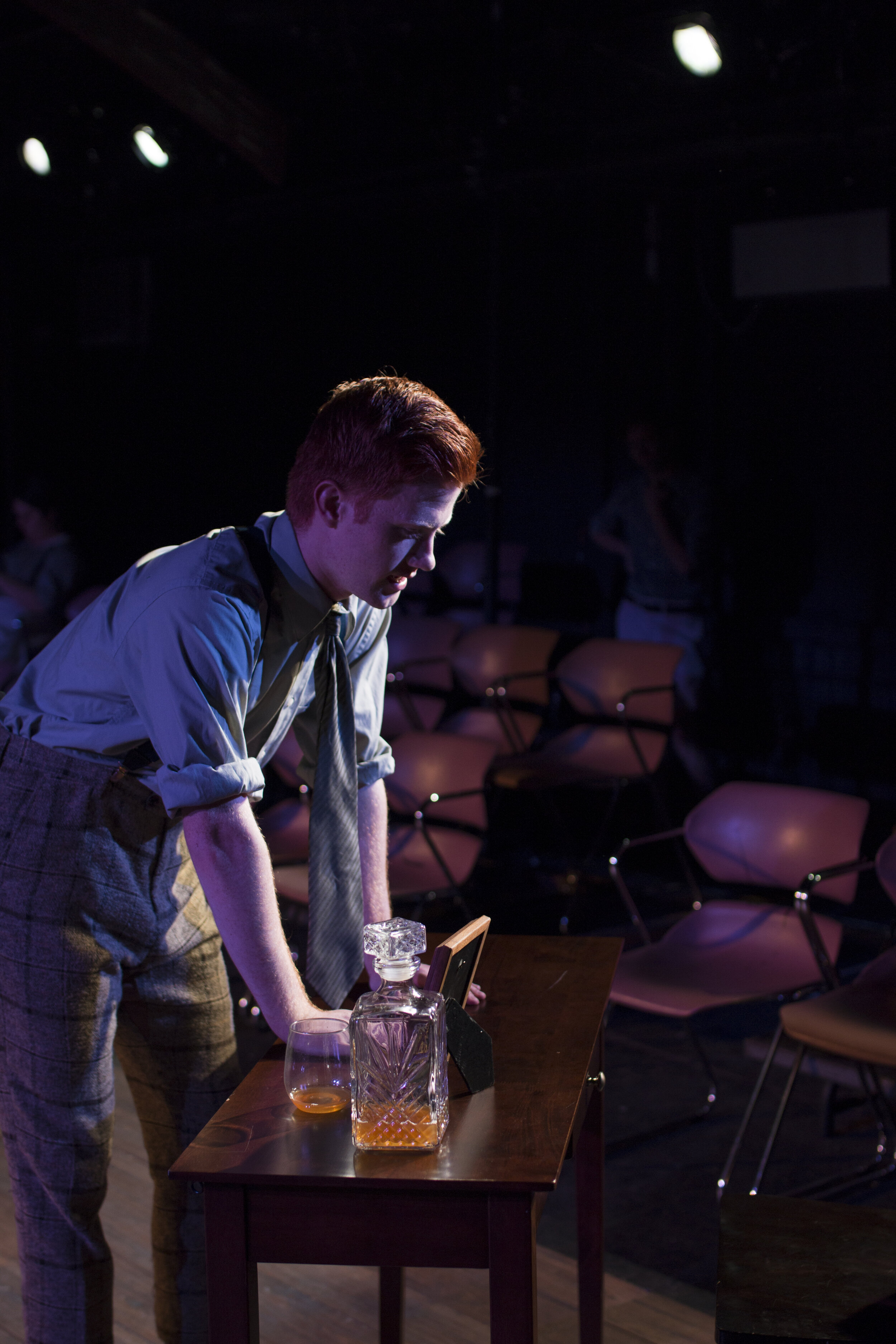
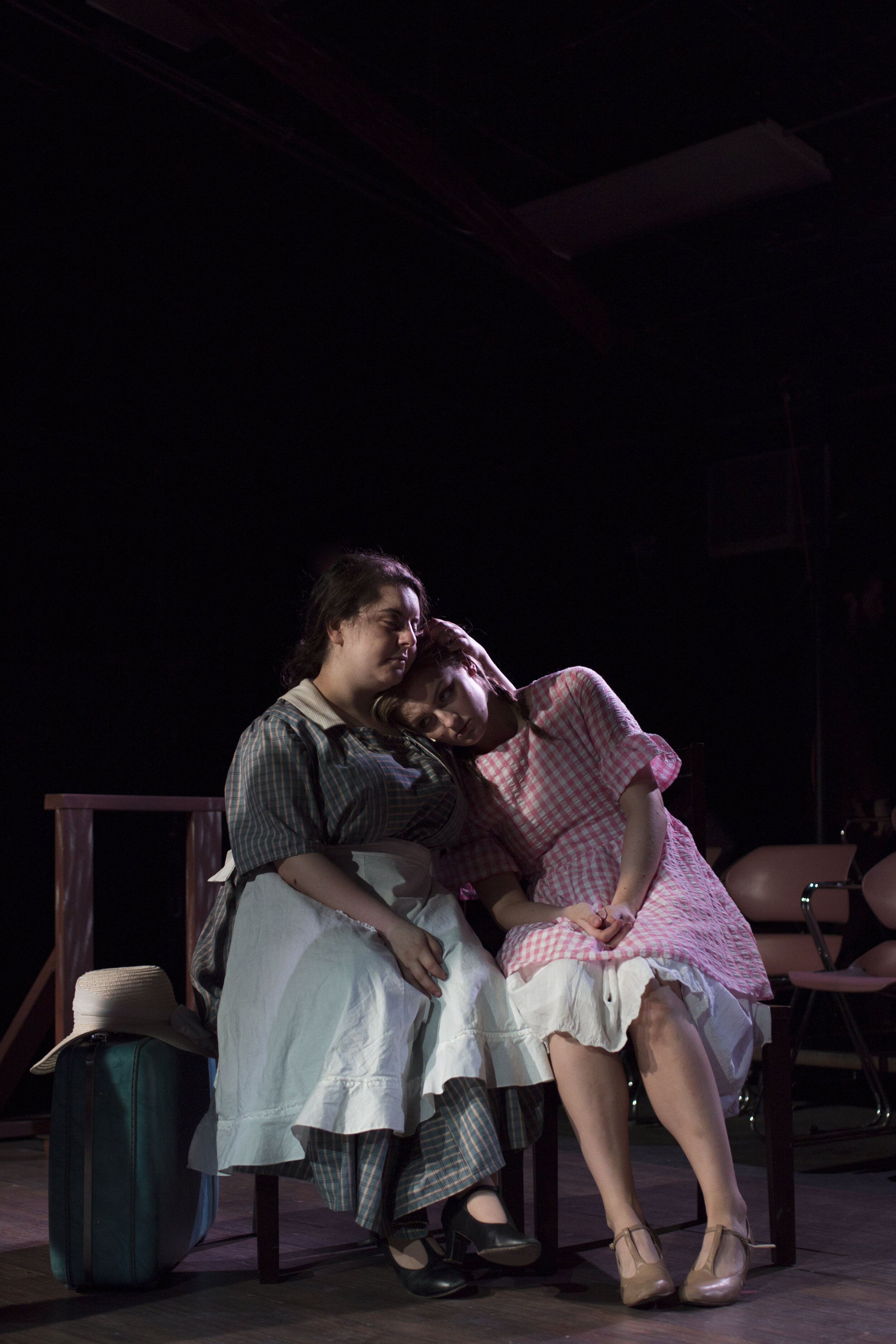
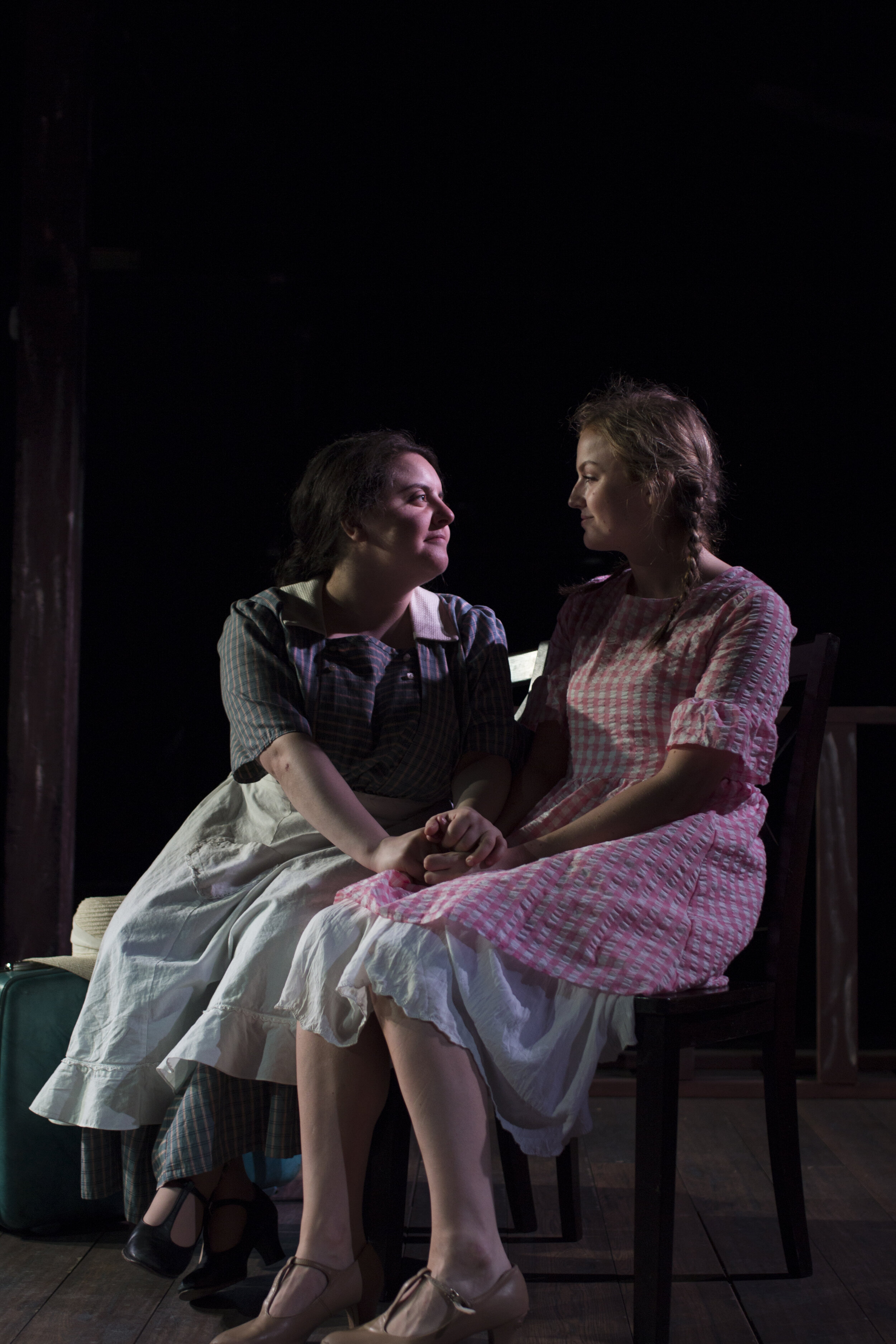
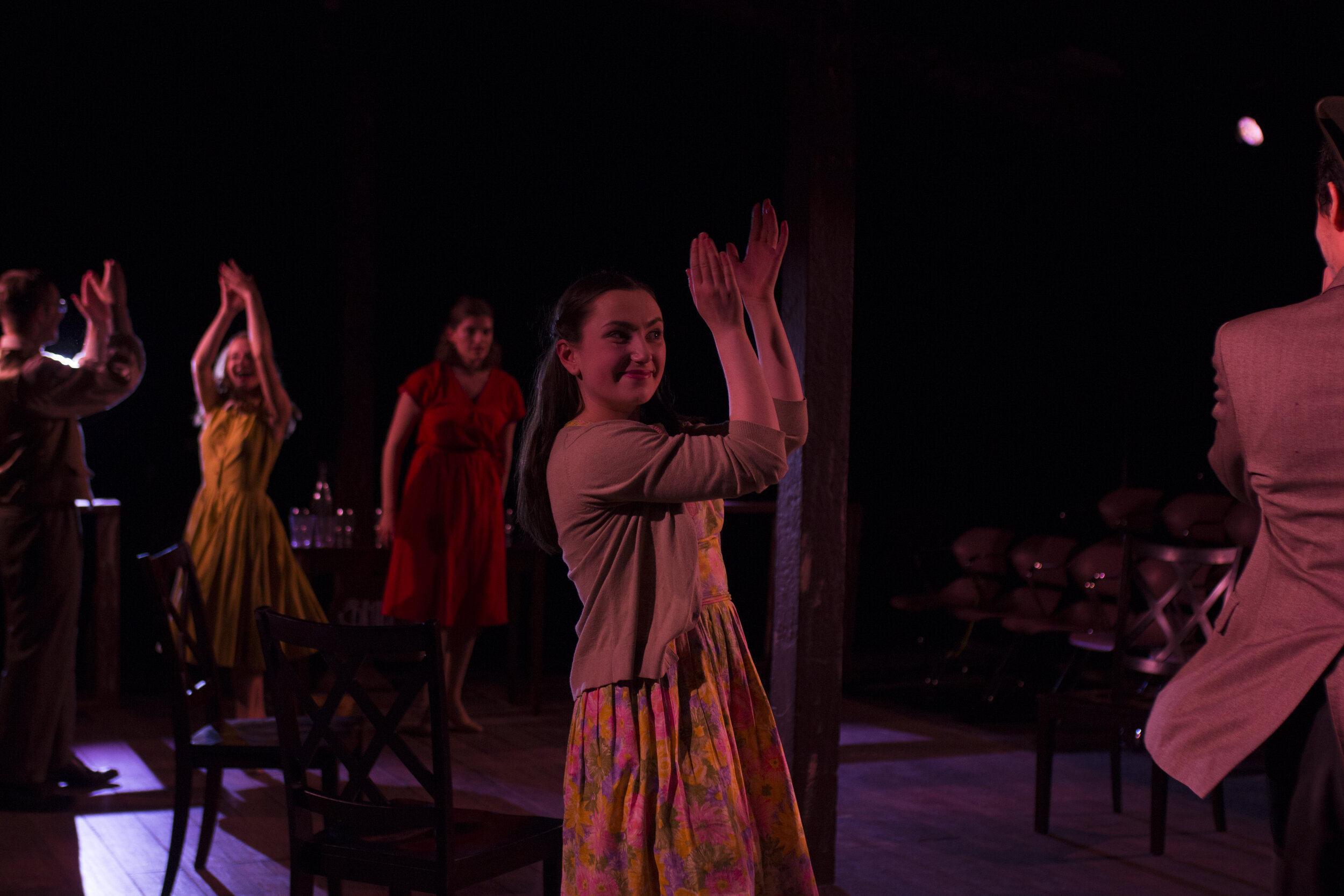
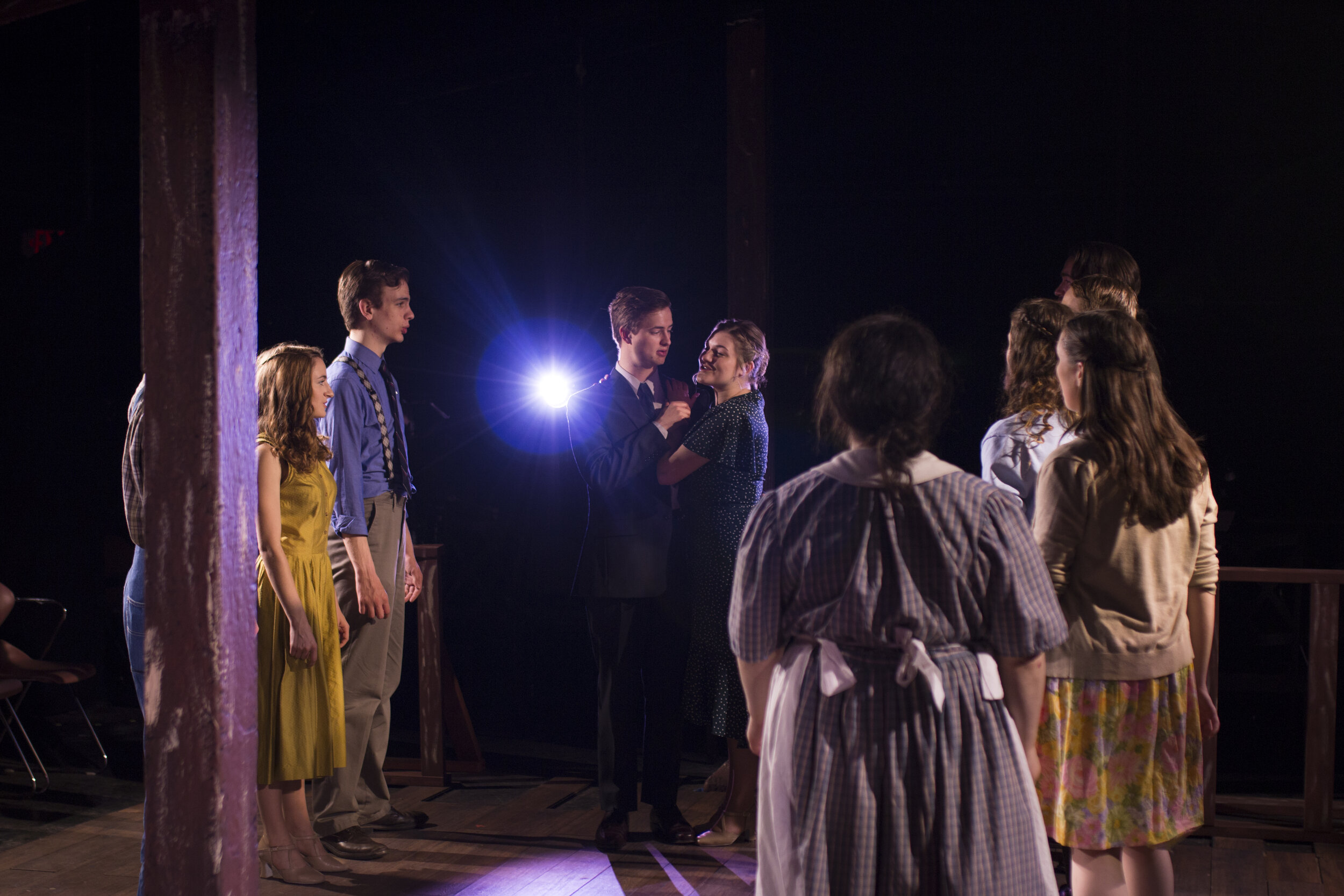
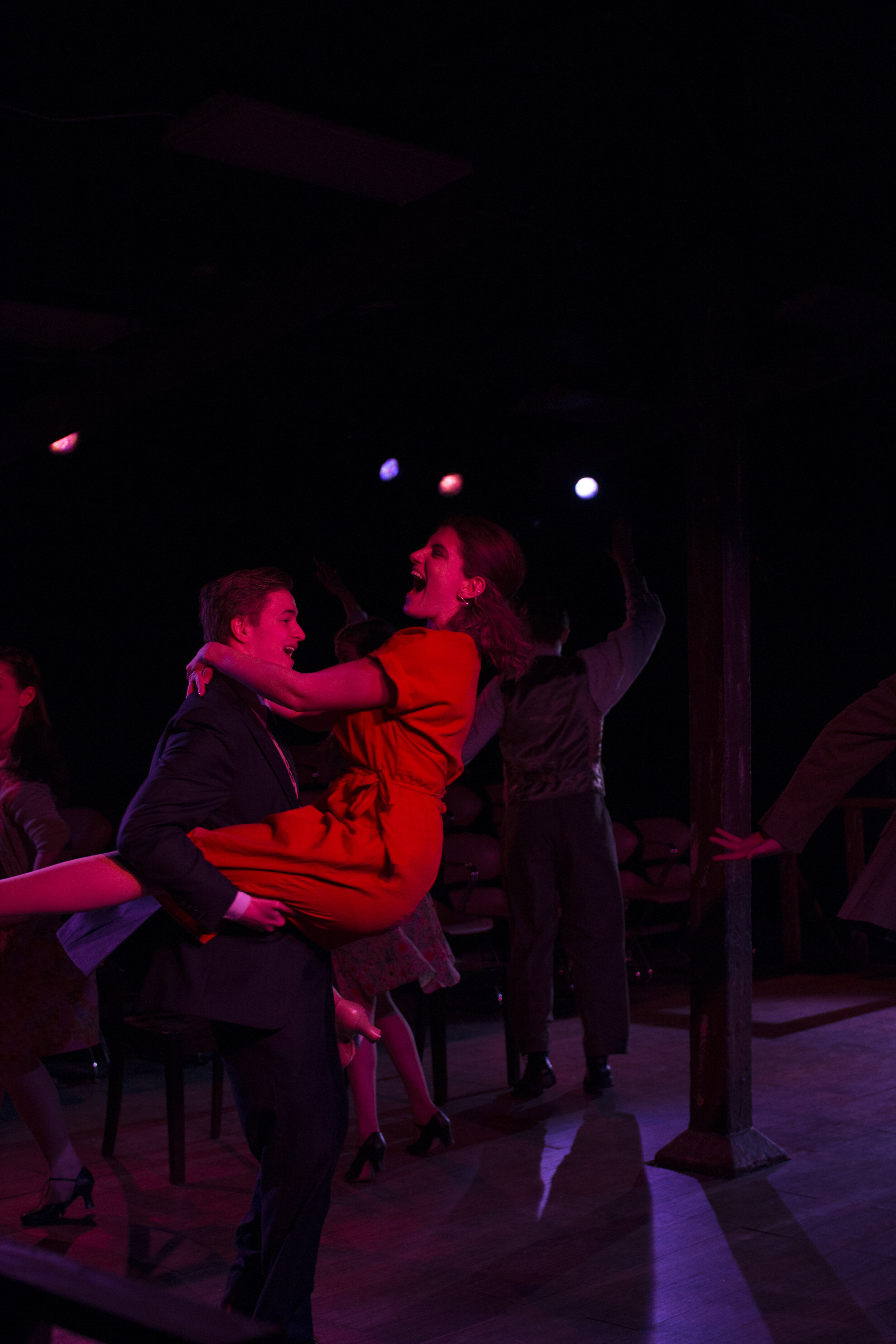
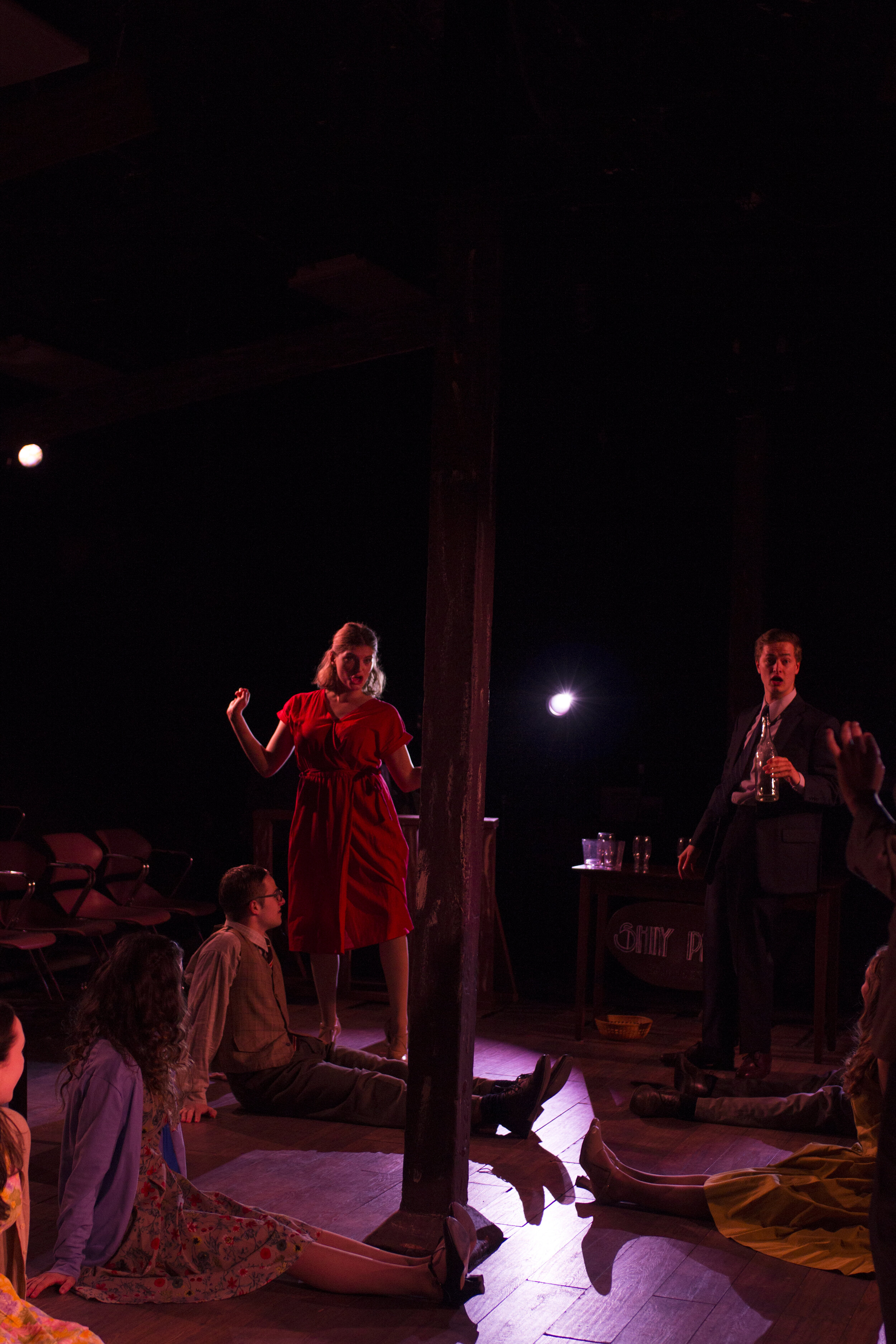
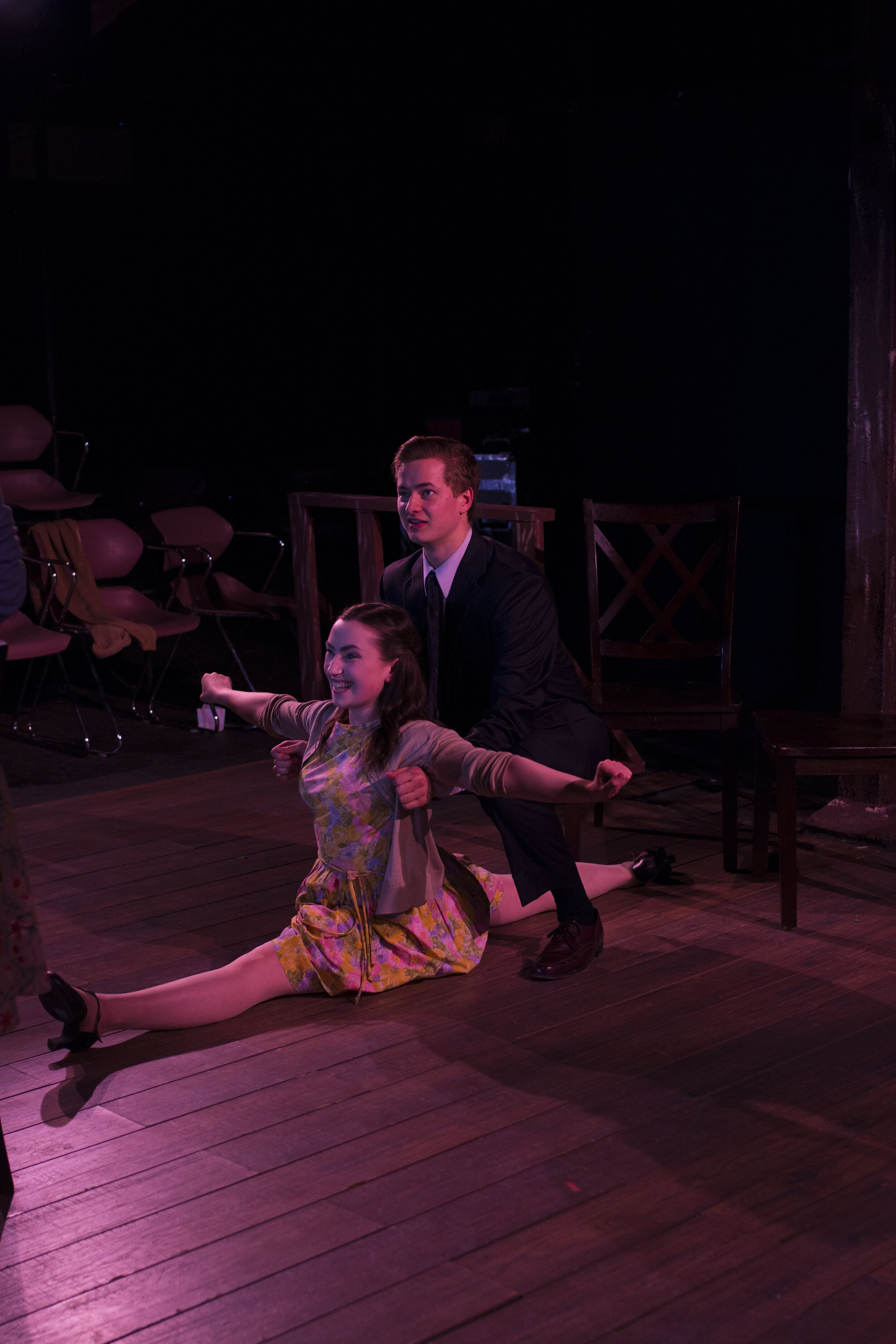
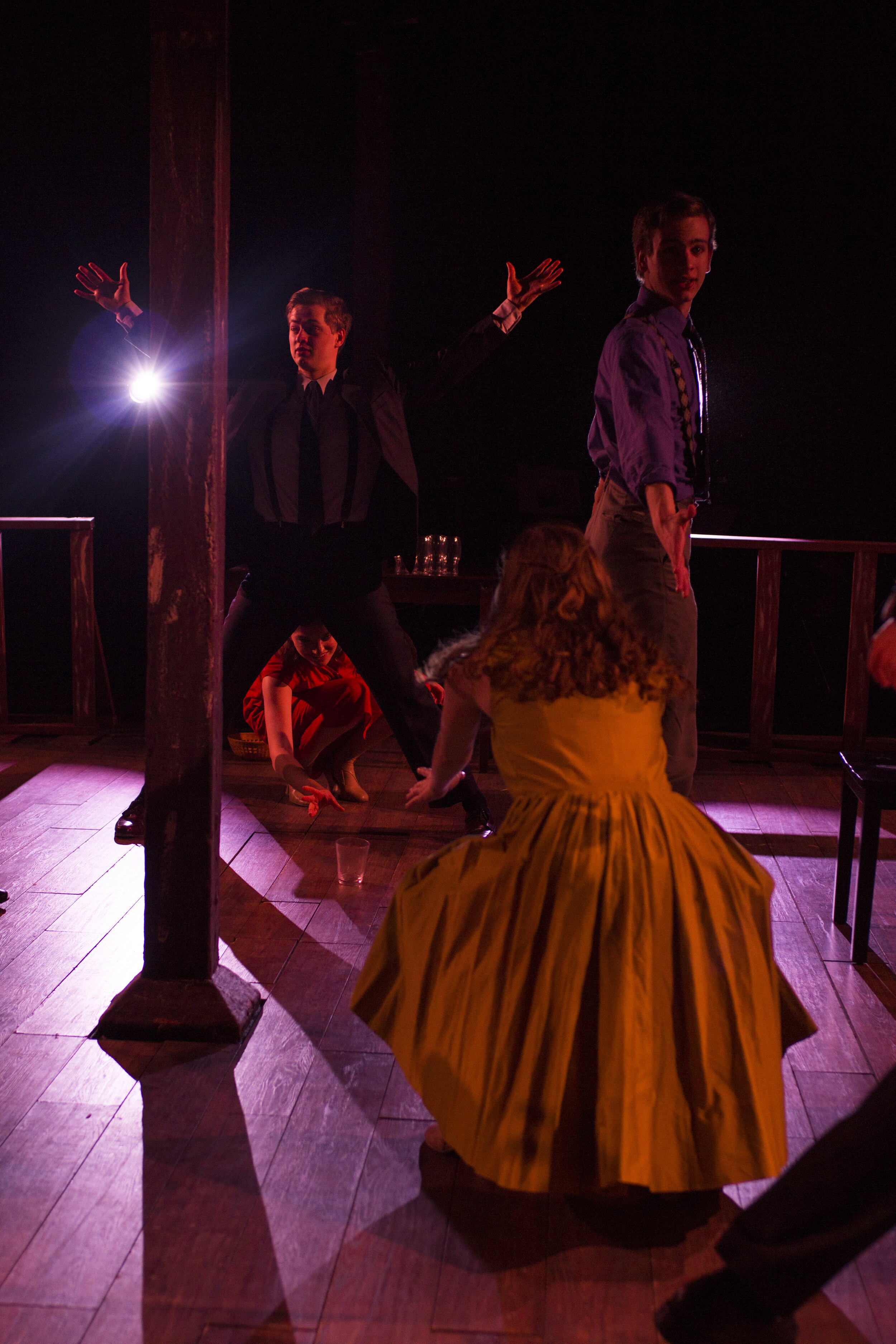
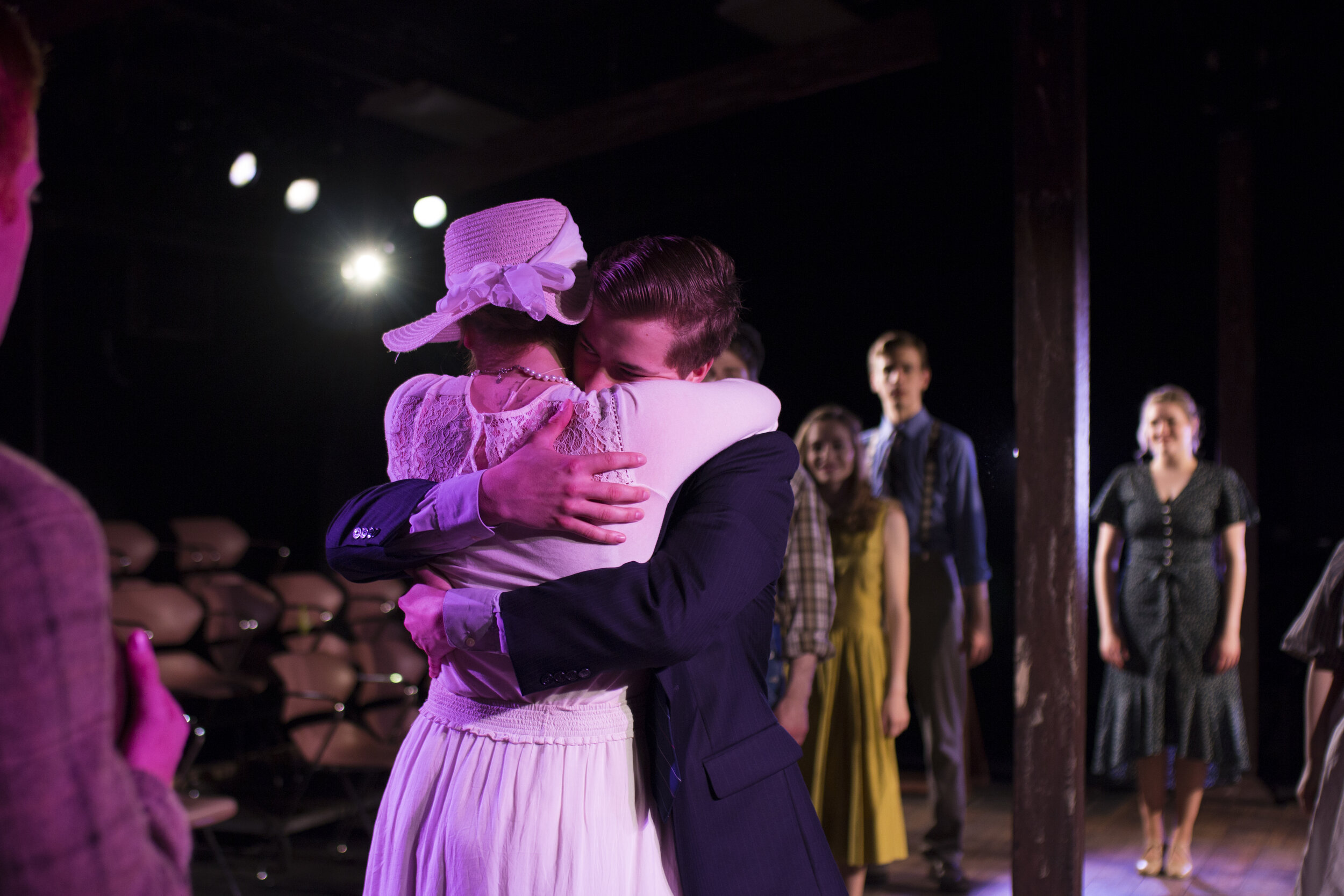
Directed and Choreographed by Tucker Tab DeGregory. Written by Steve Martin and Edie Brickell. Photos by Ellie Levine Photography.
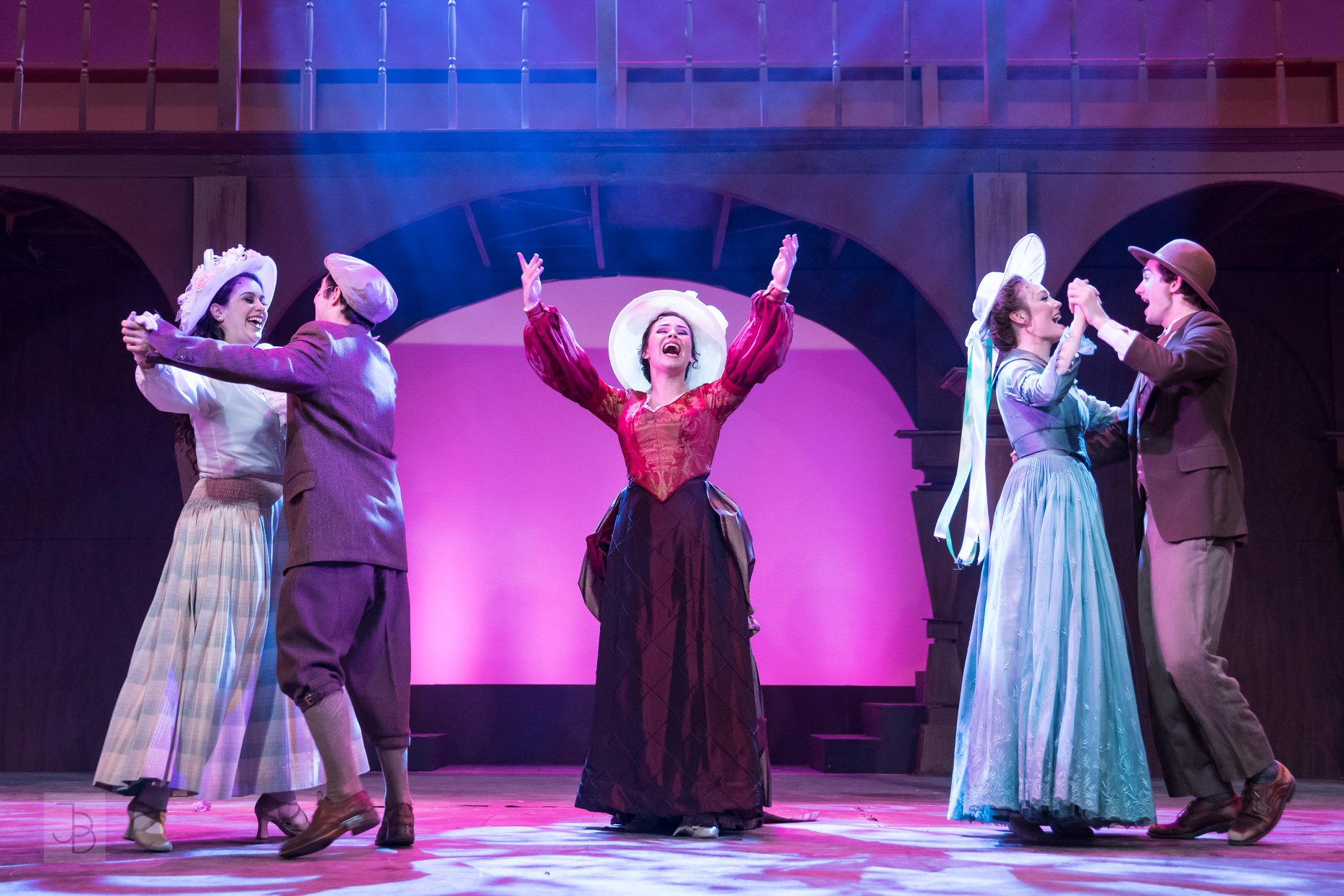
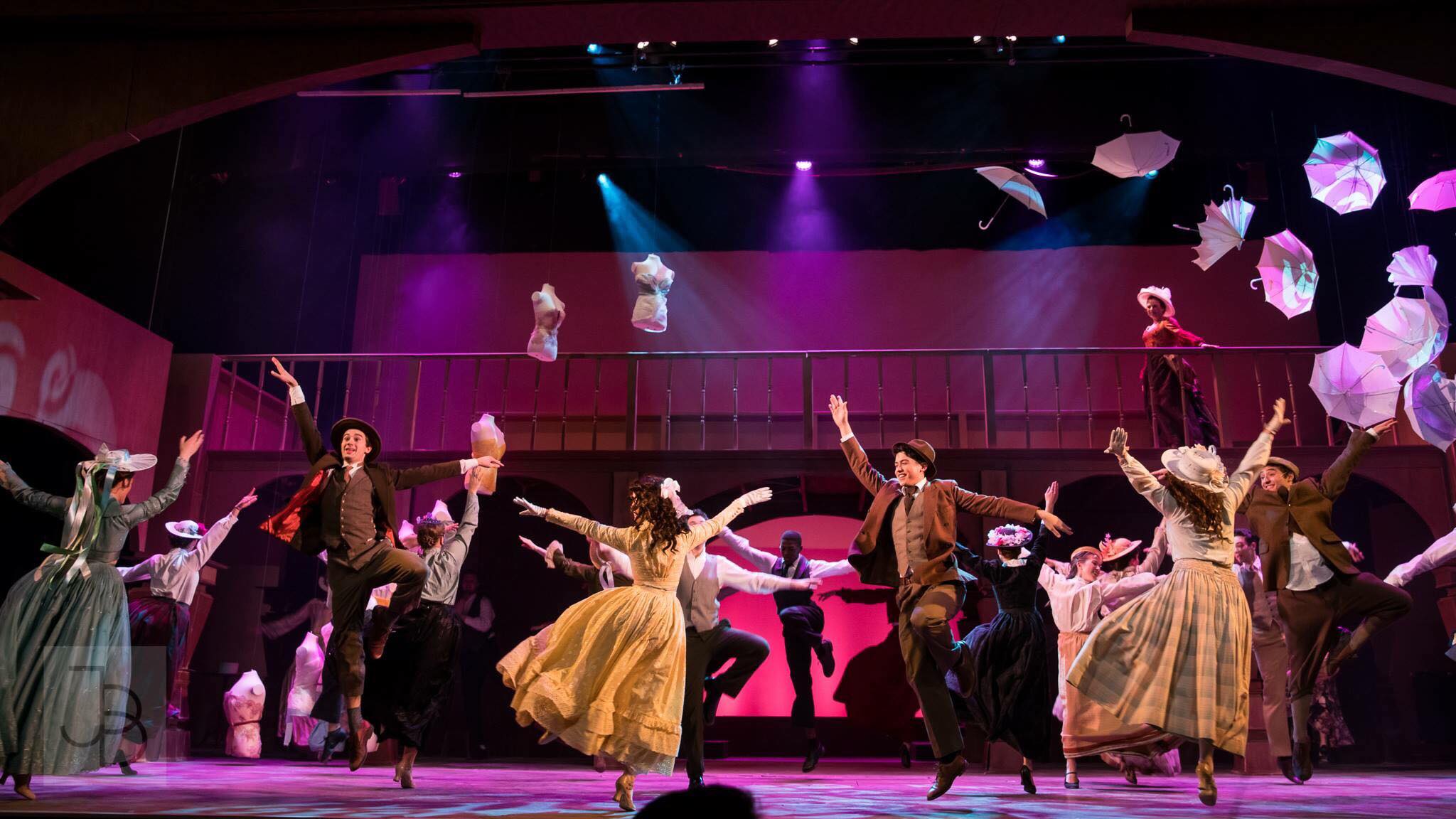
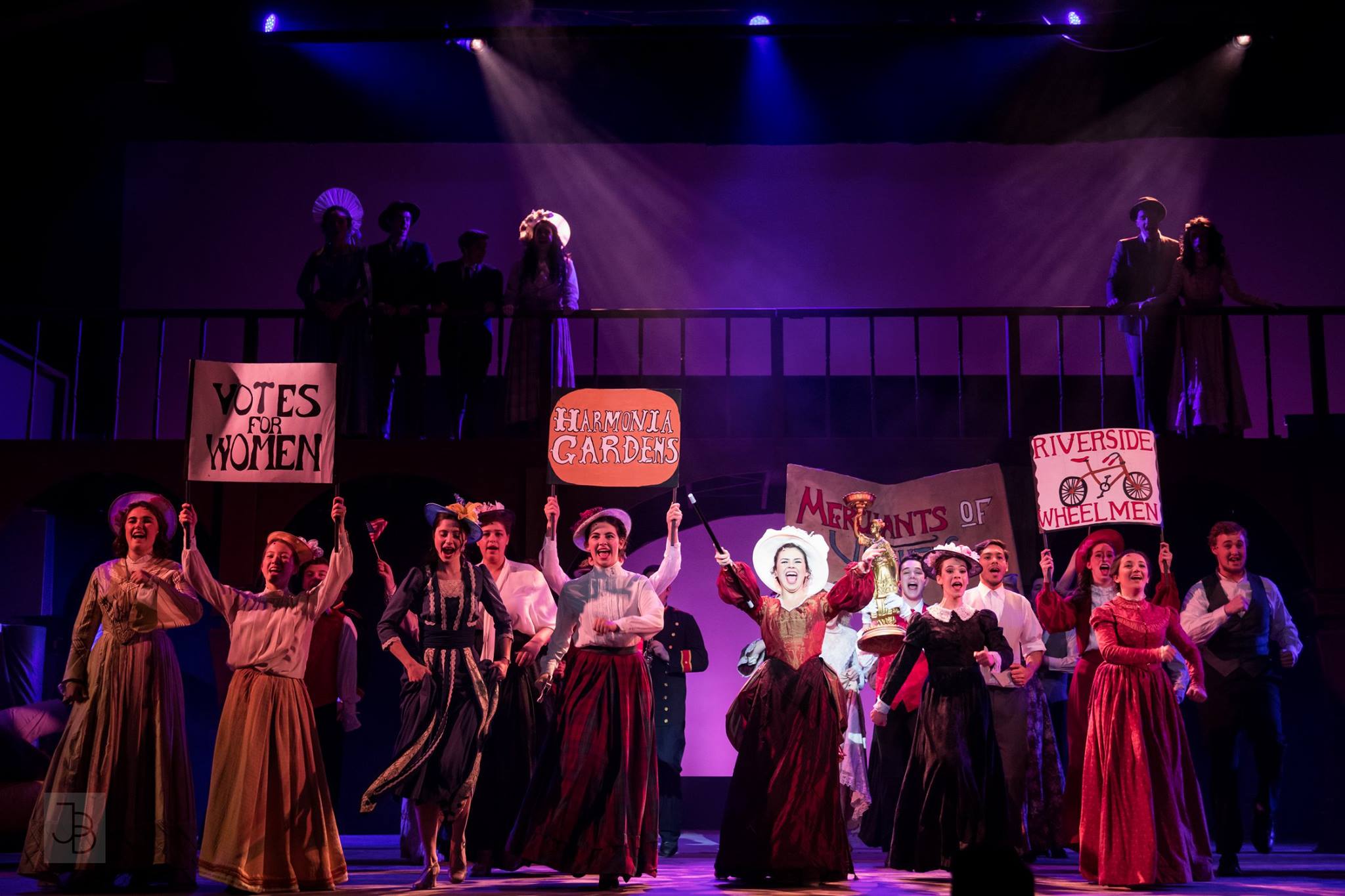
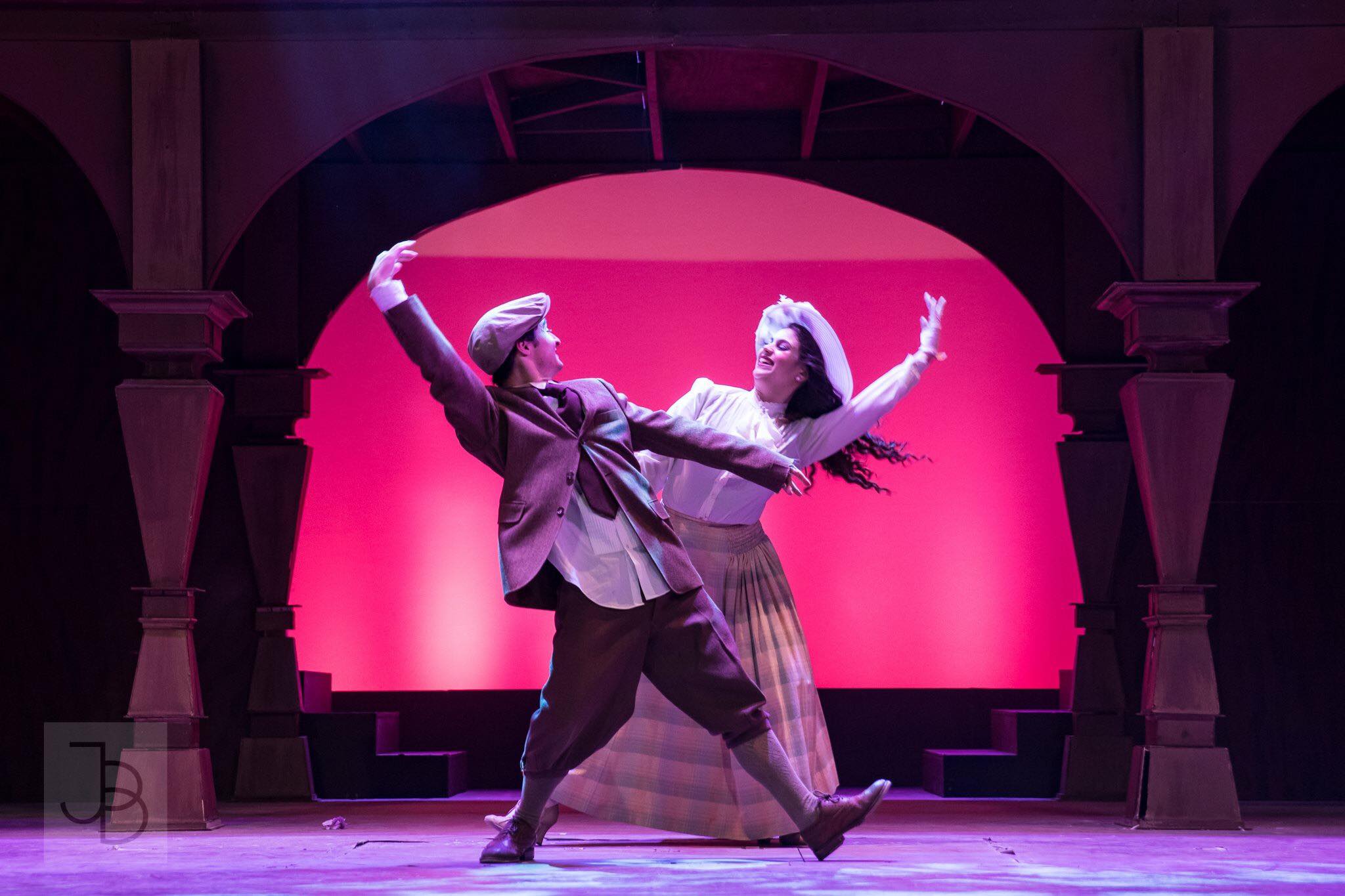
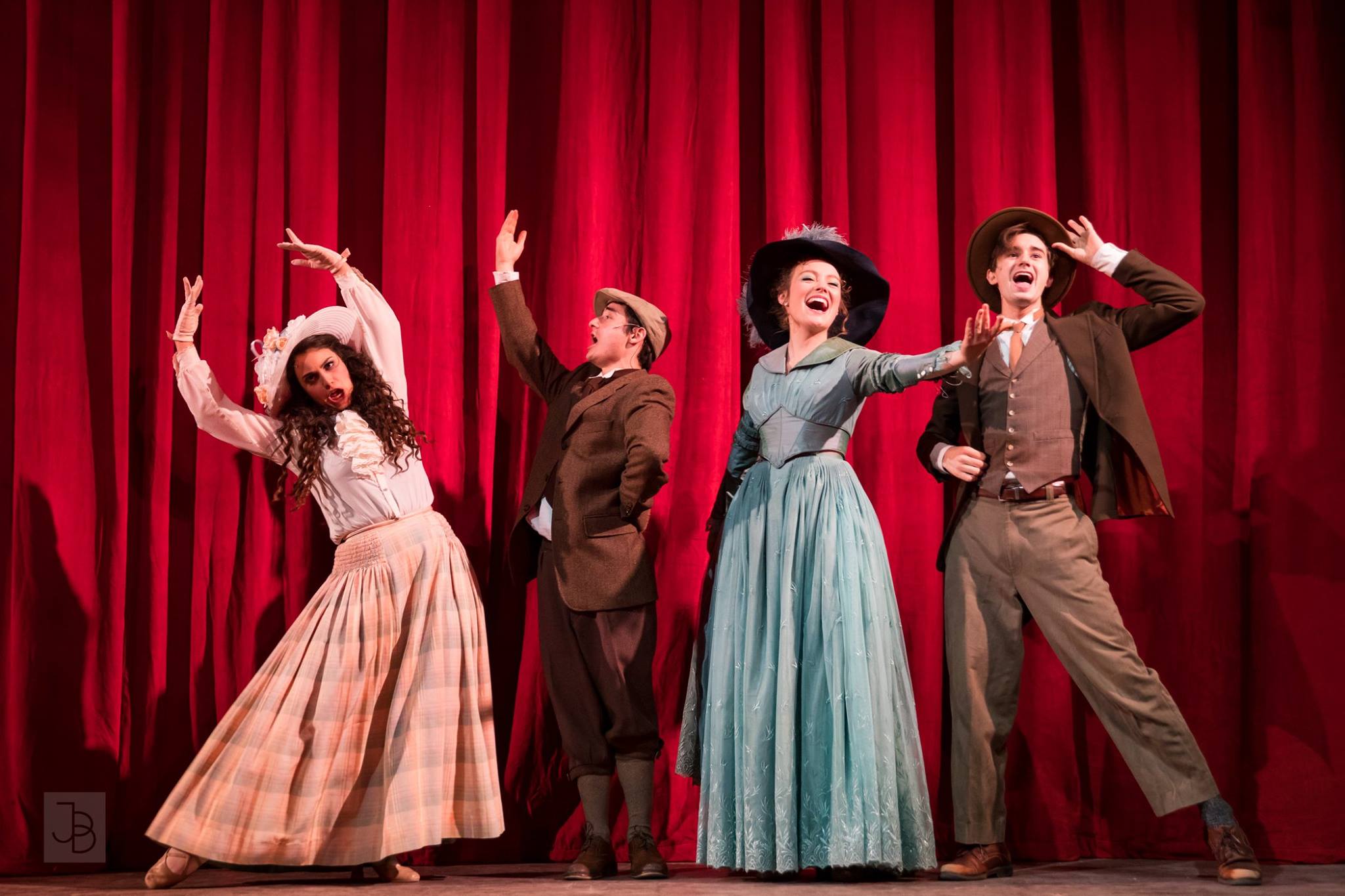
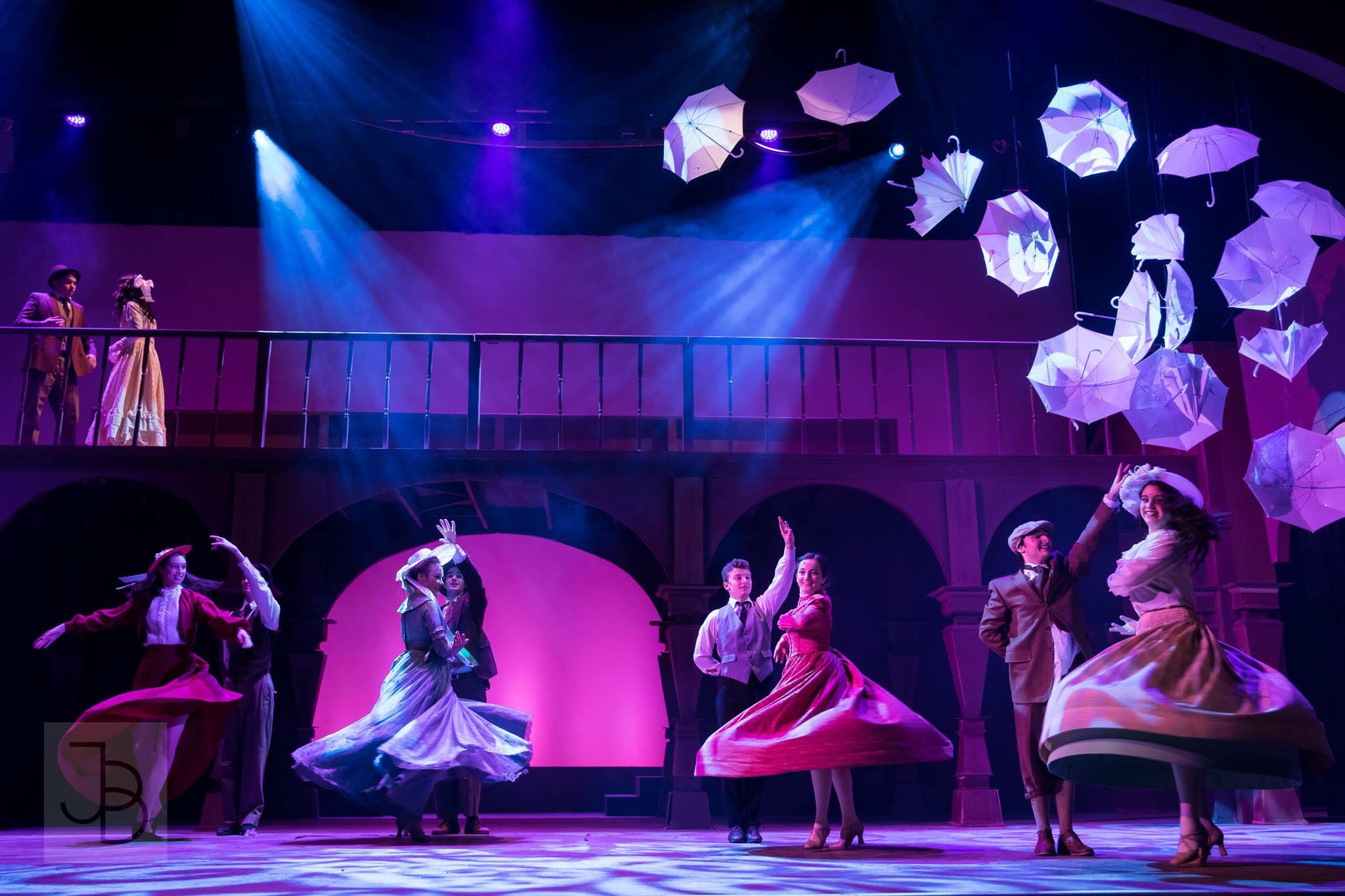
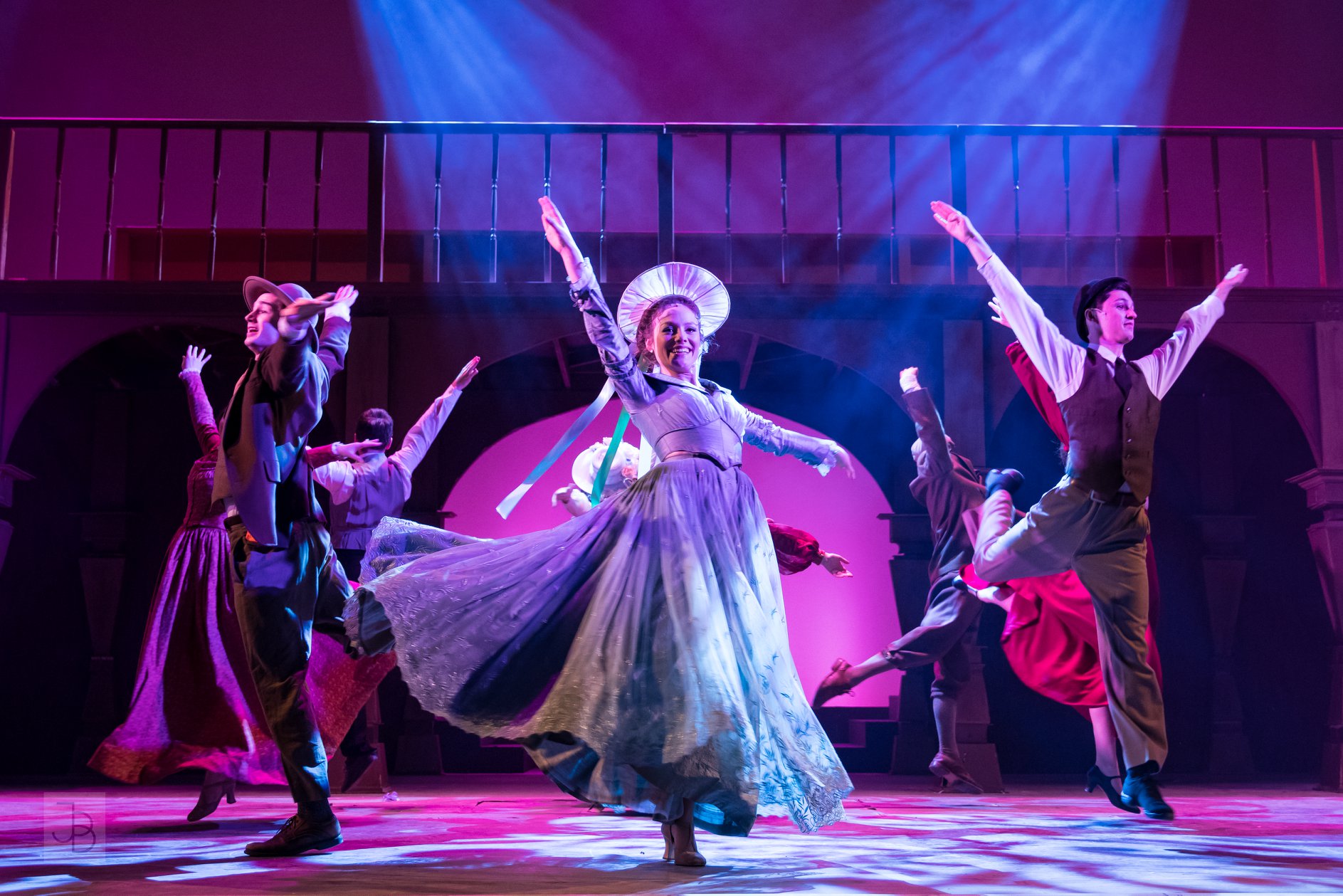
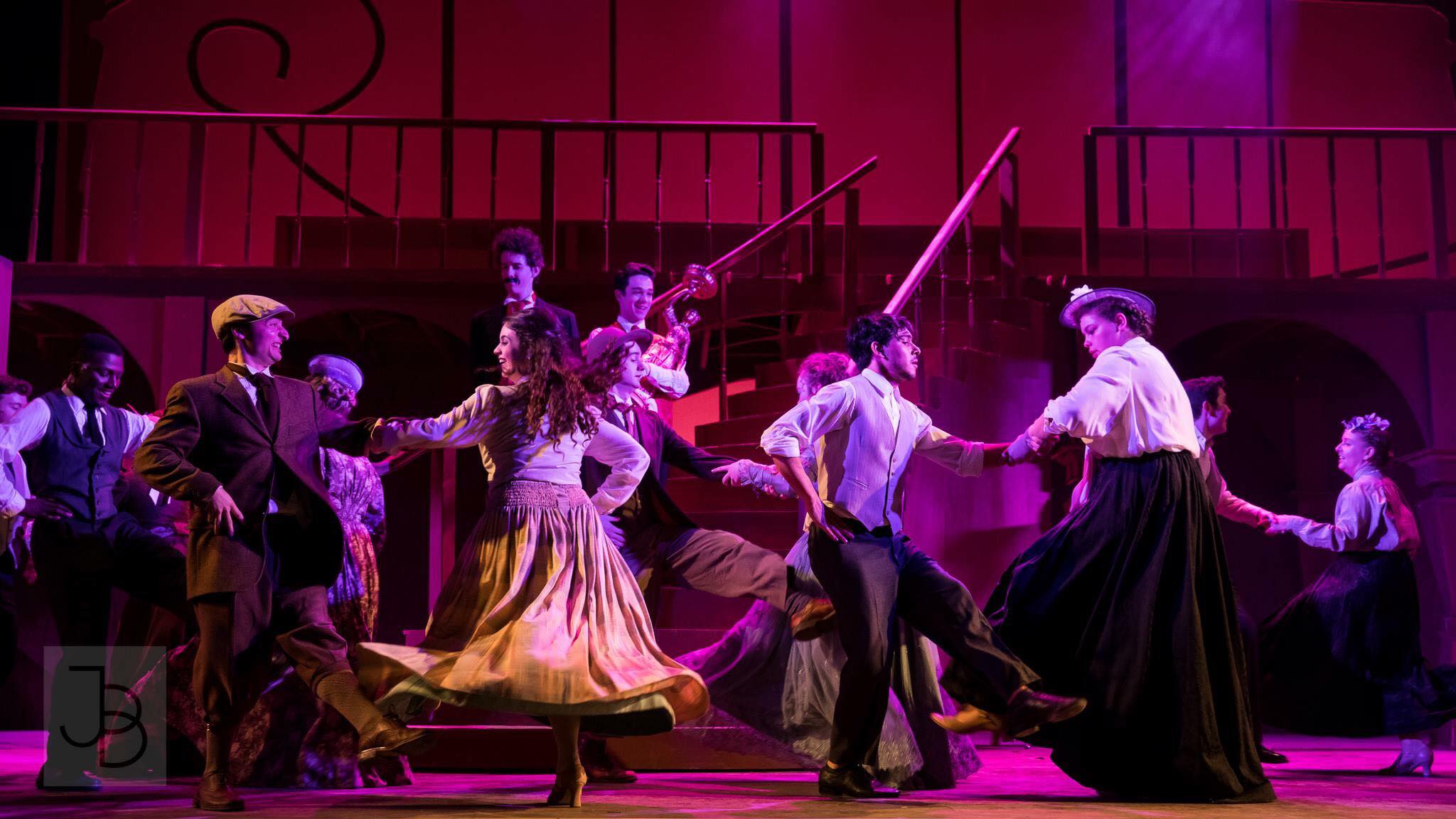
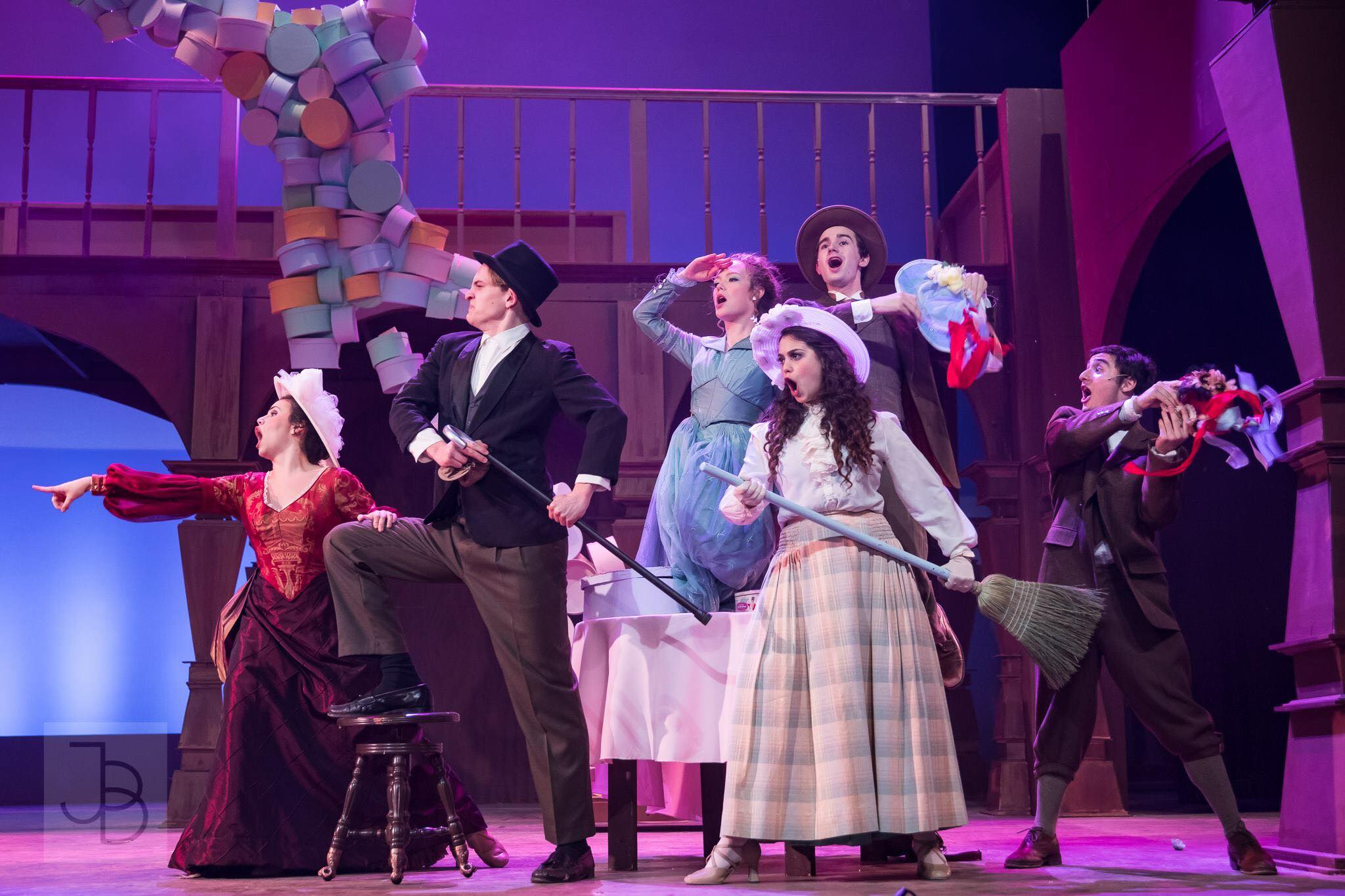
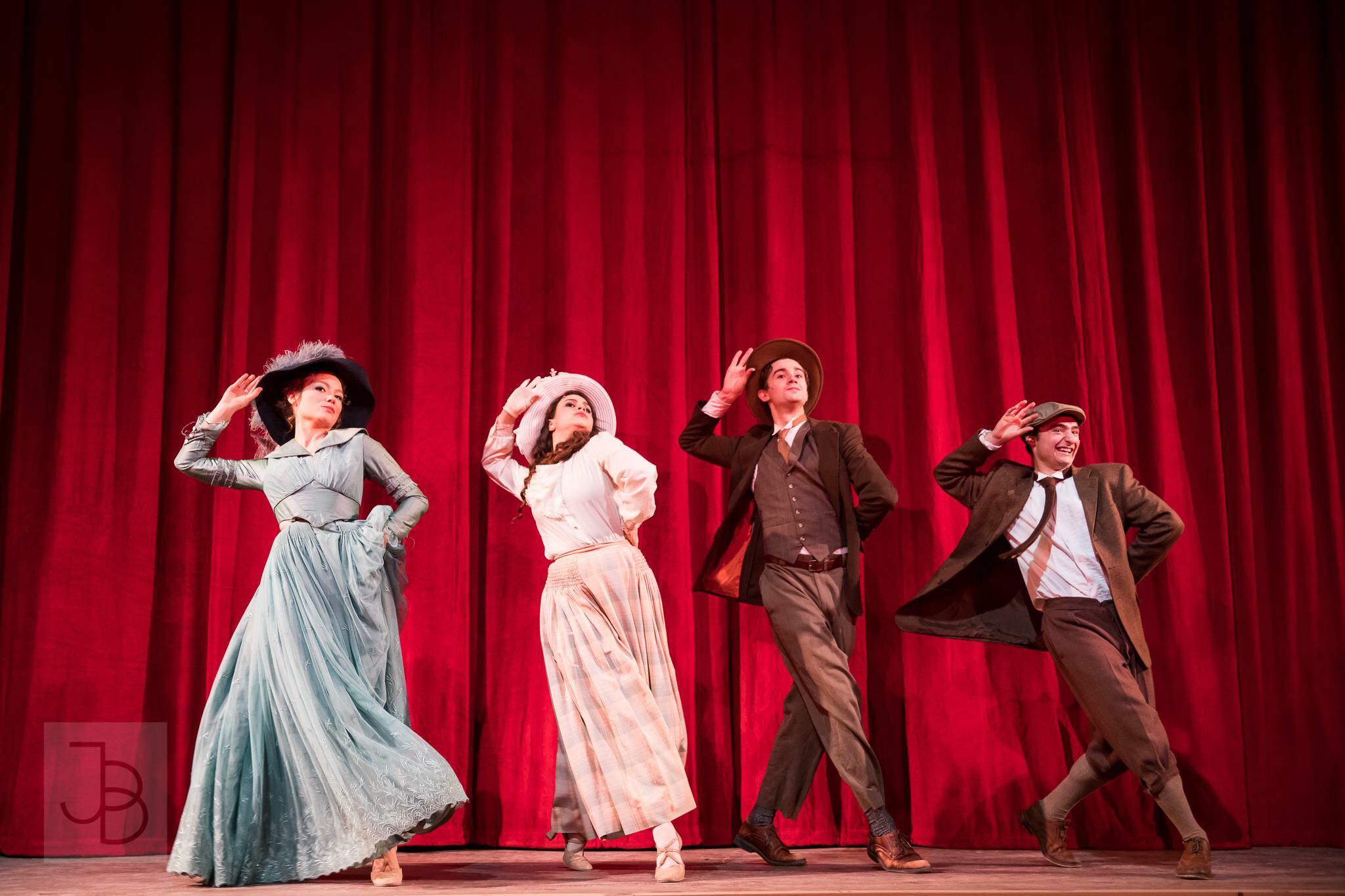
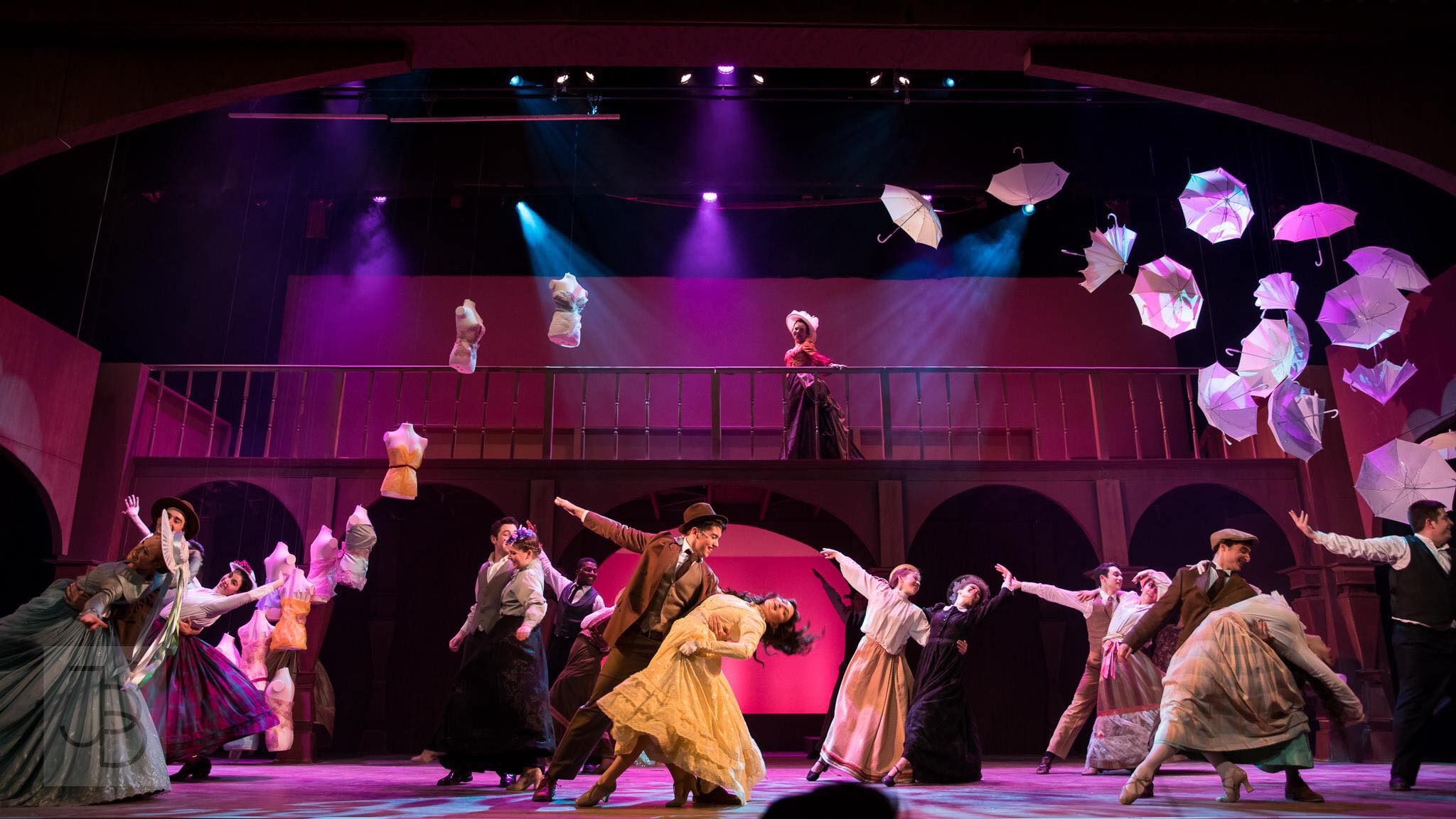
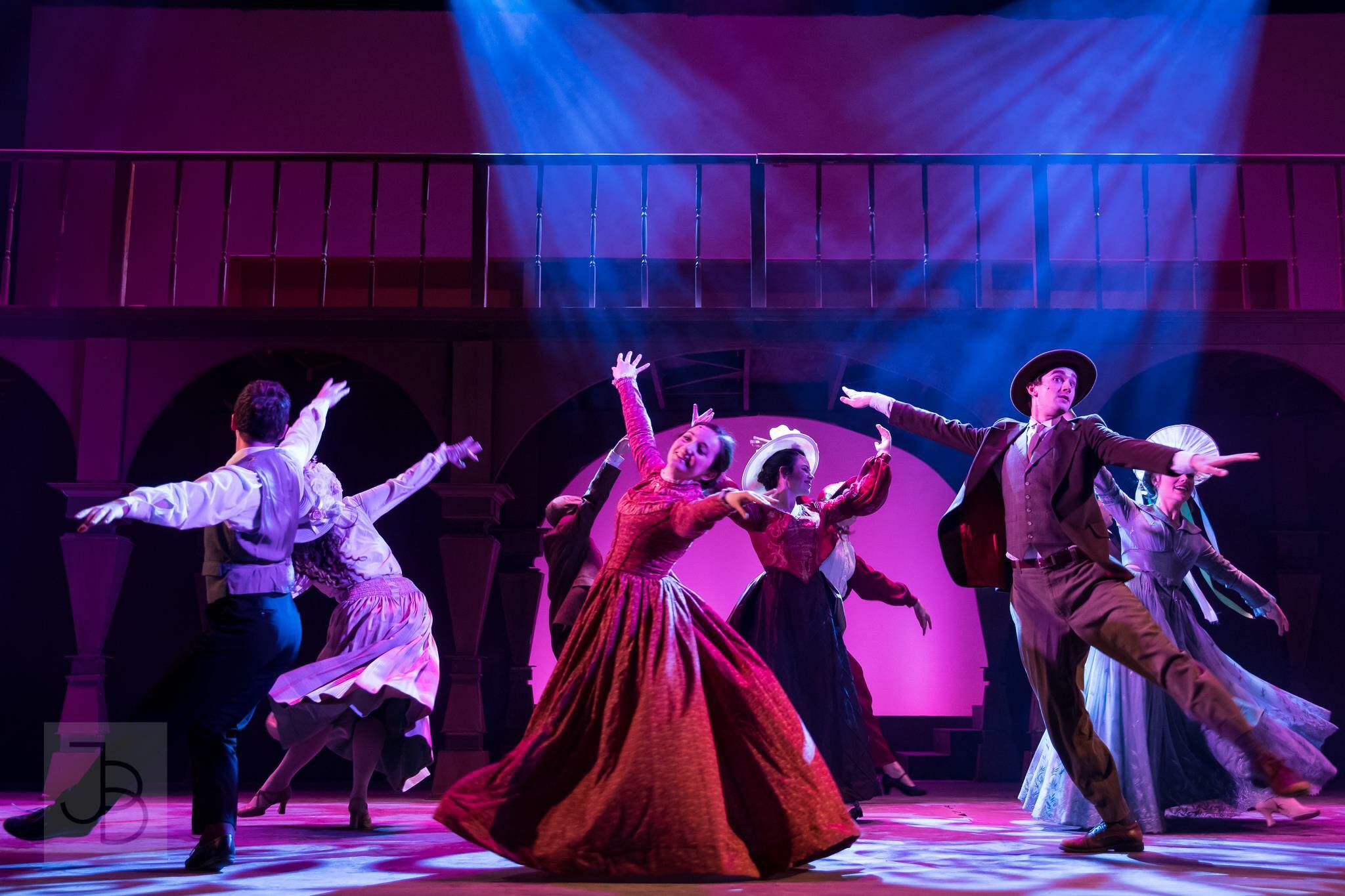
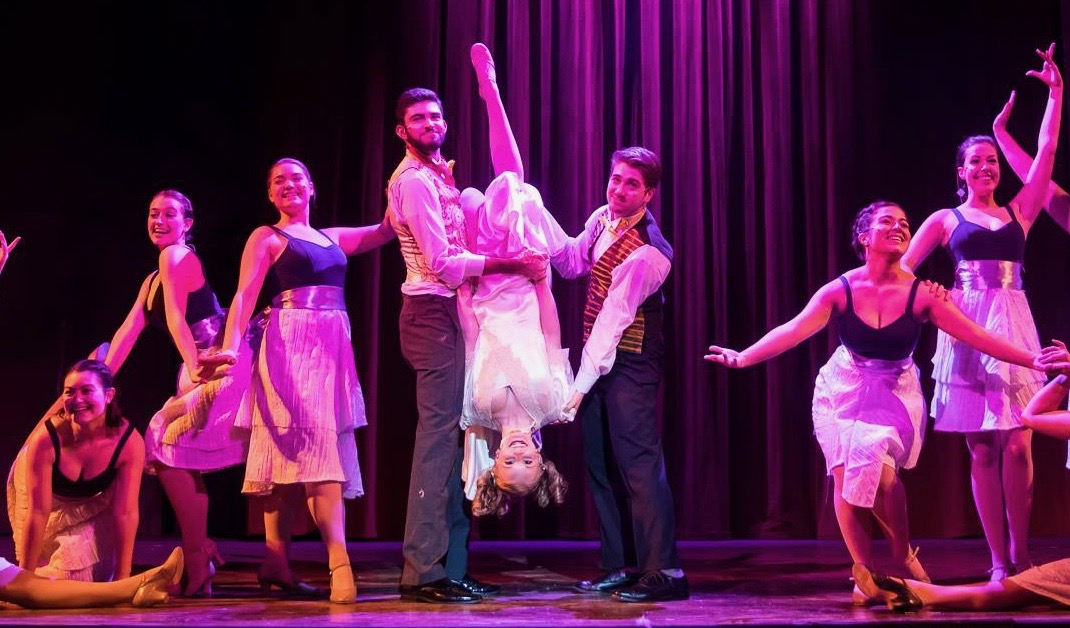
Directed by Isabel Perry. Choreographed by Tucker Tab DeGregory. Written by Jerry Herman and Michael Stewart. Scenic Design by Jessie Baldinger. Photos by Justin Barbin Photography.
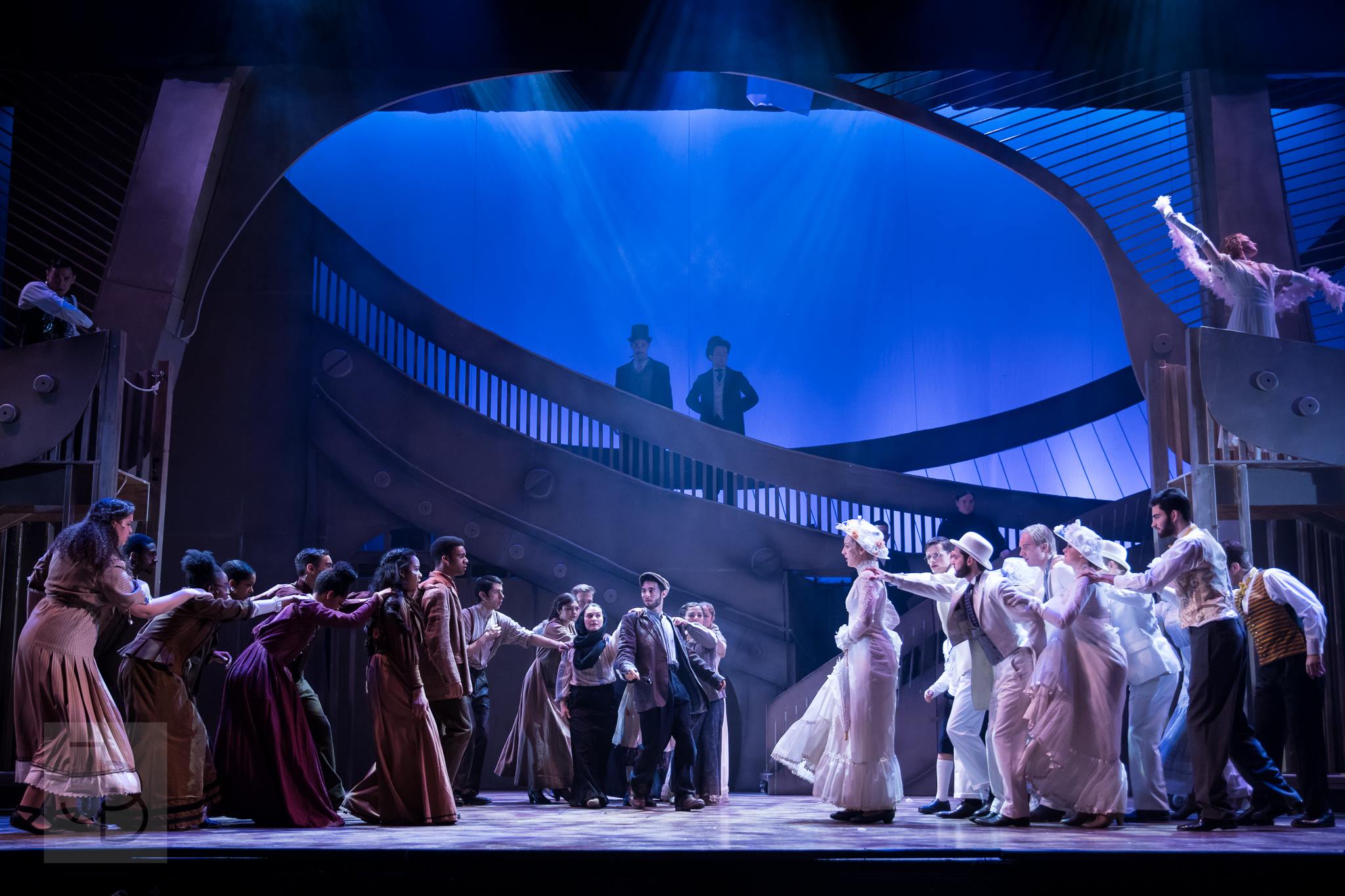
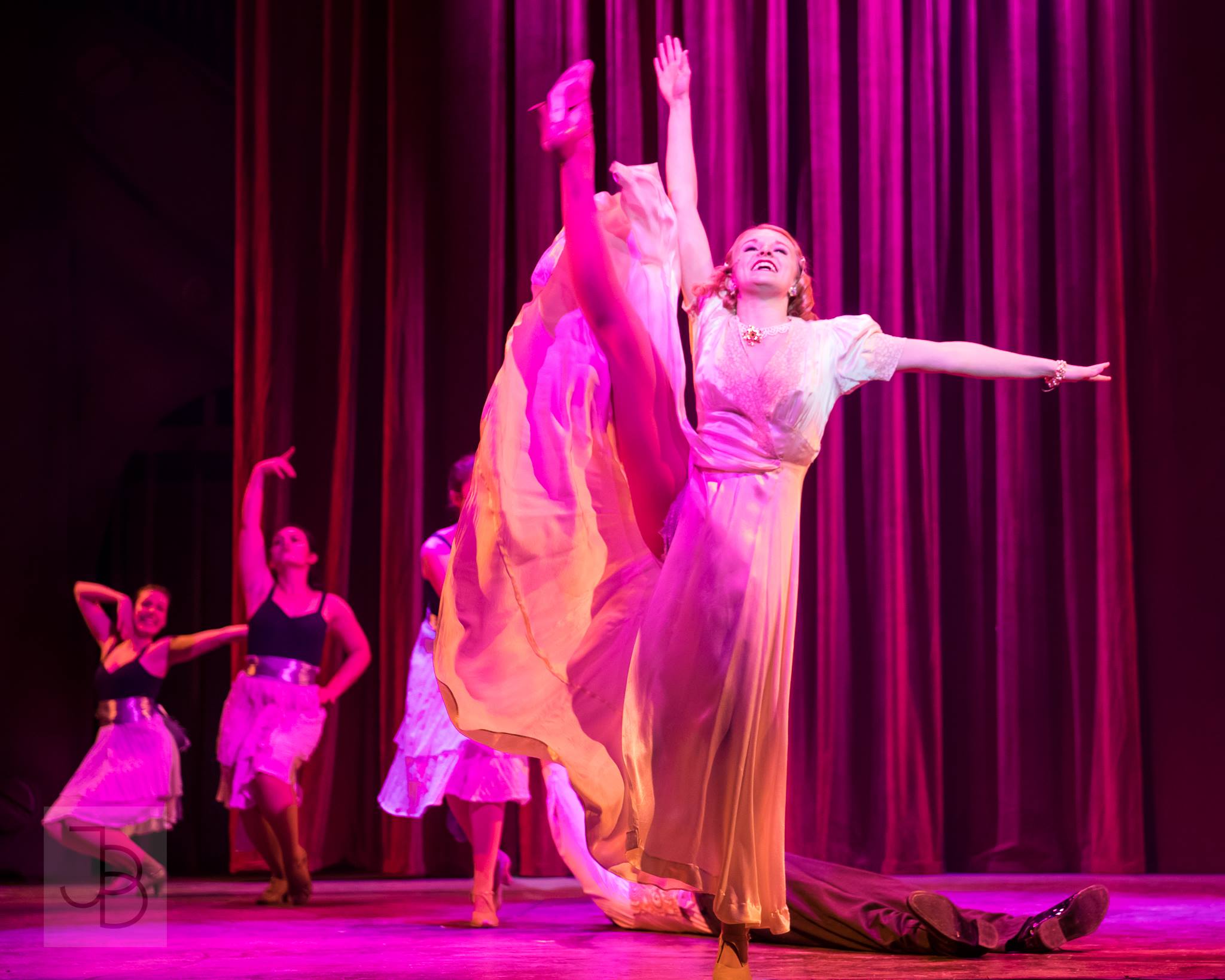
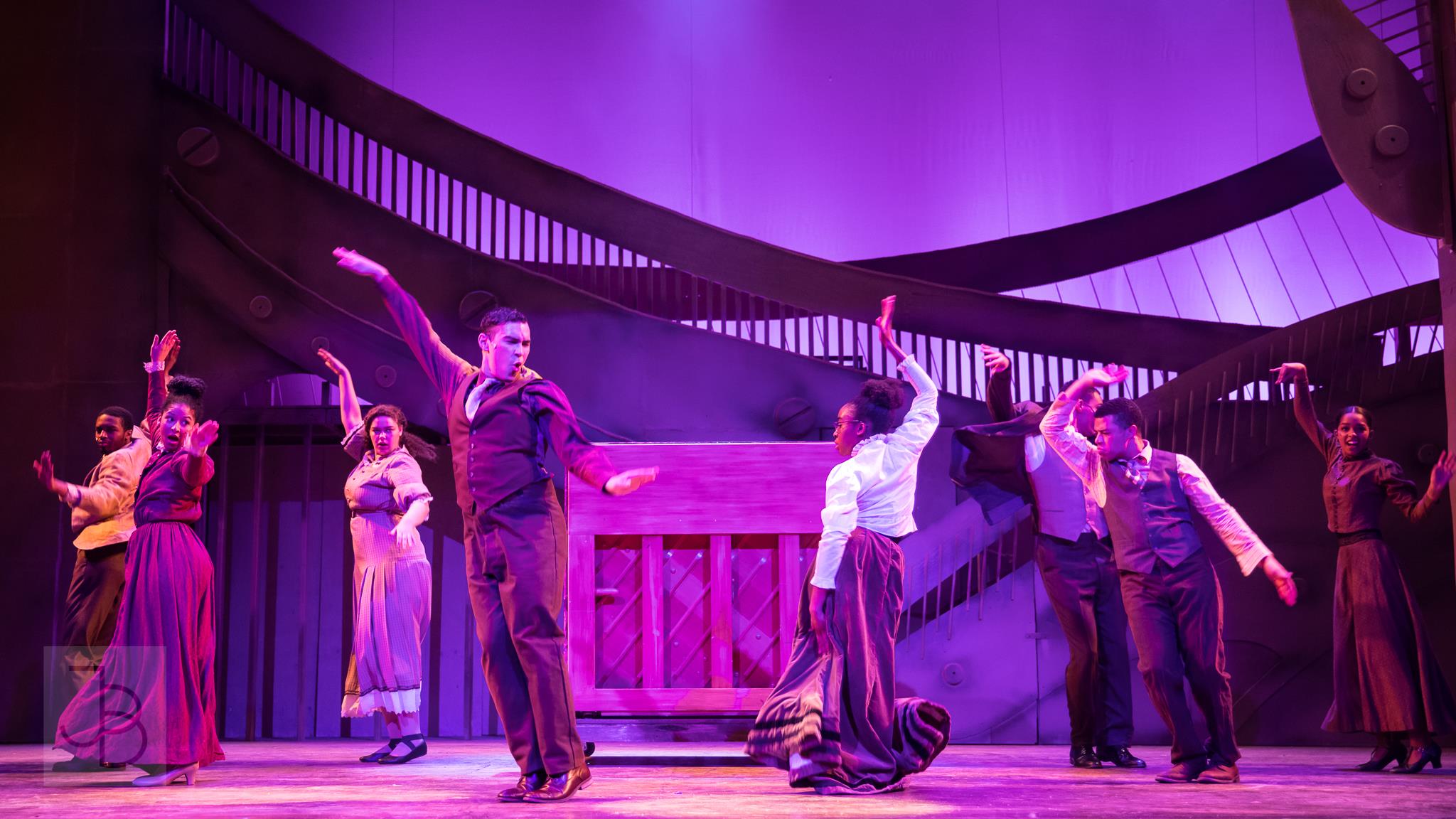
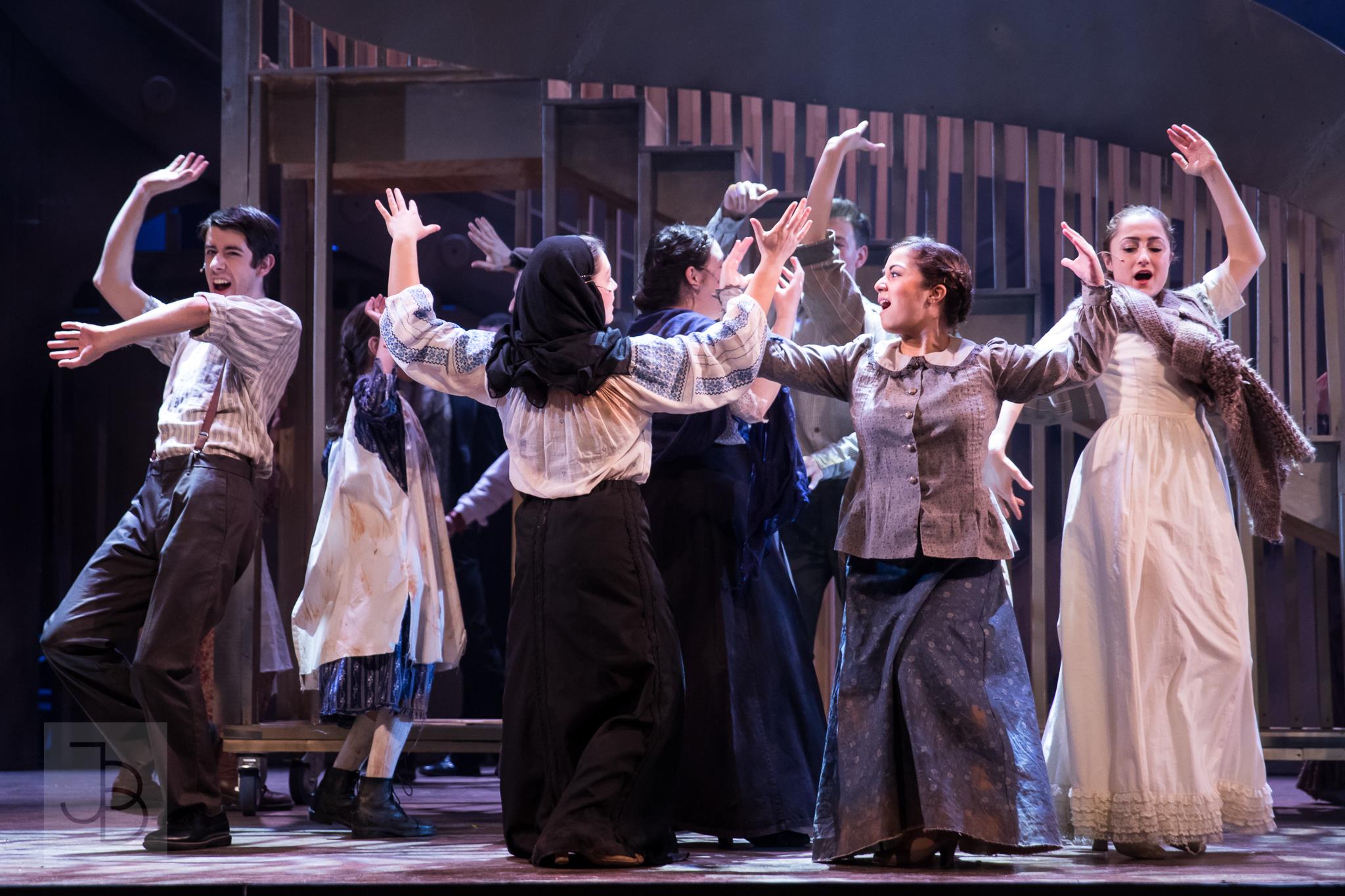
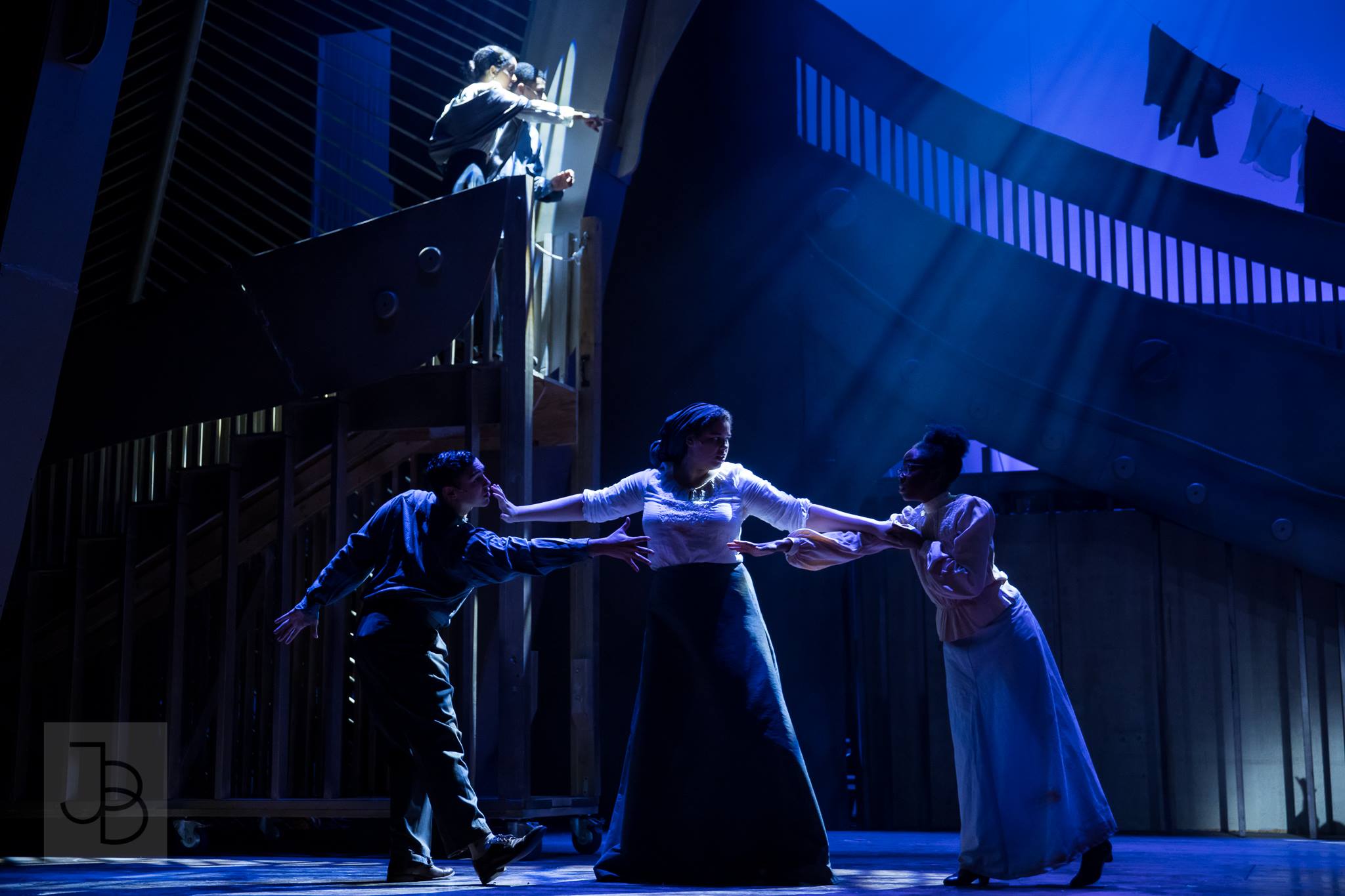
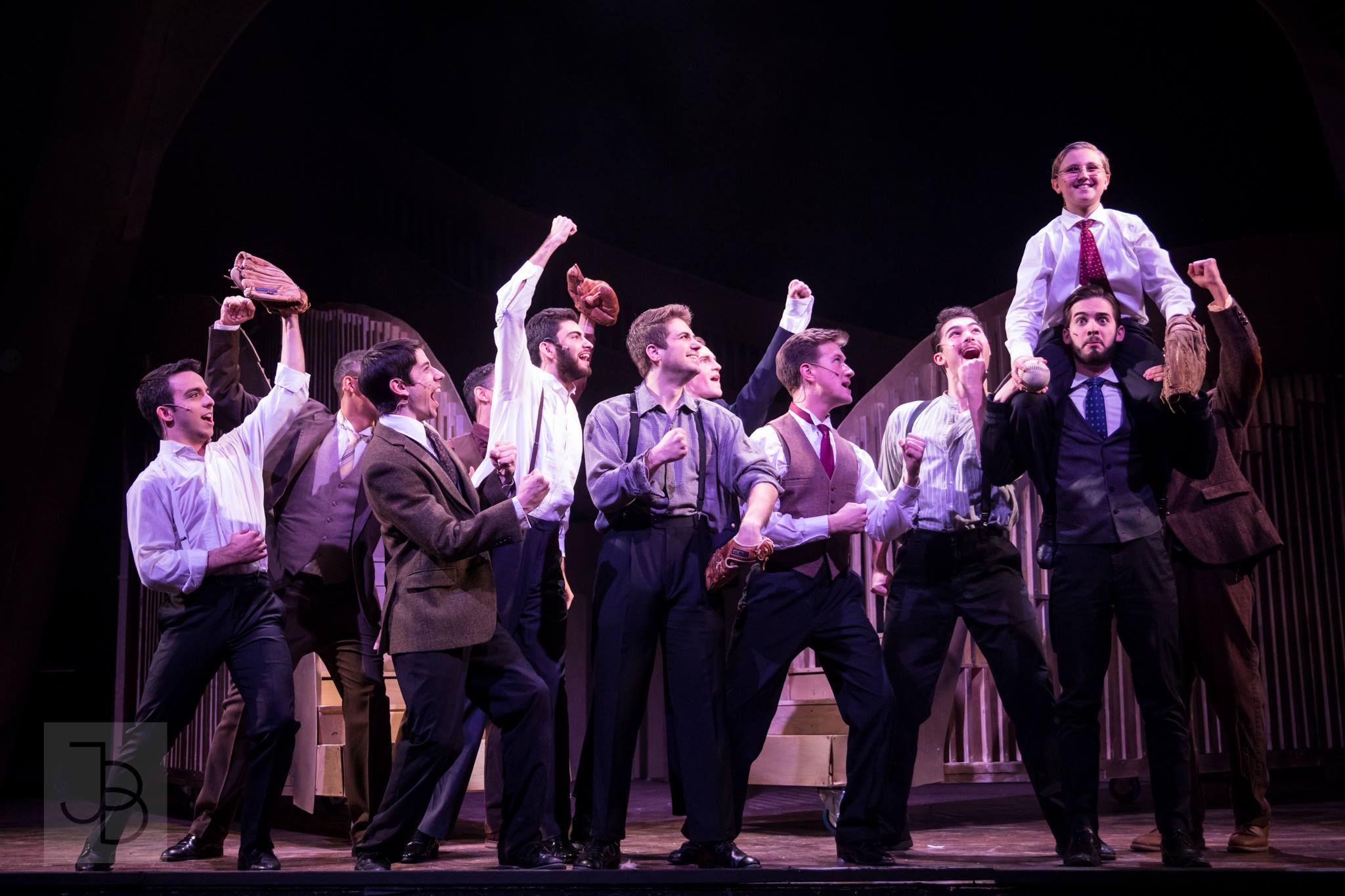
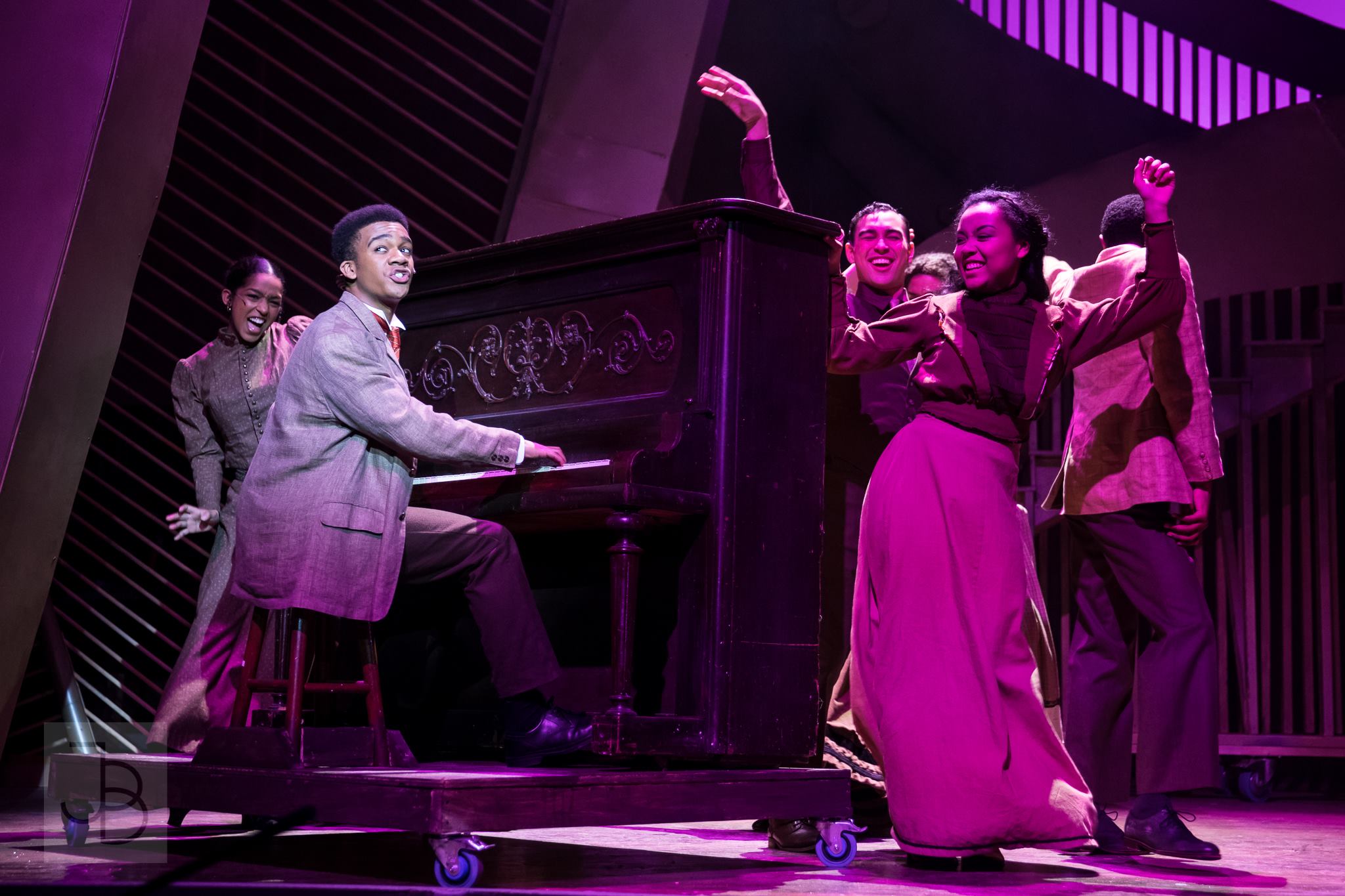
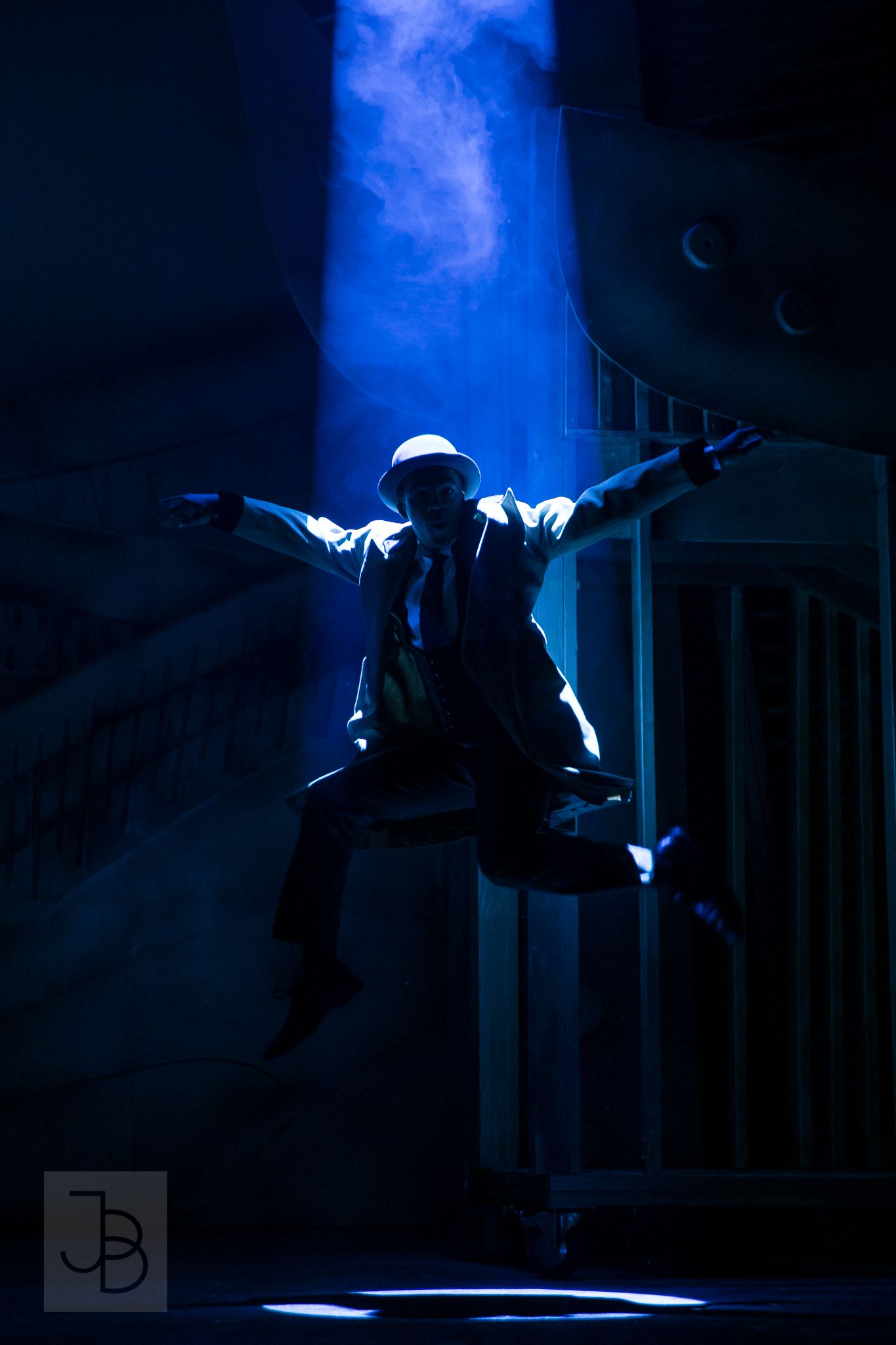
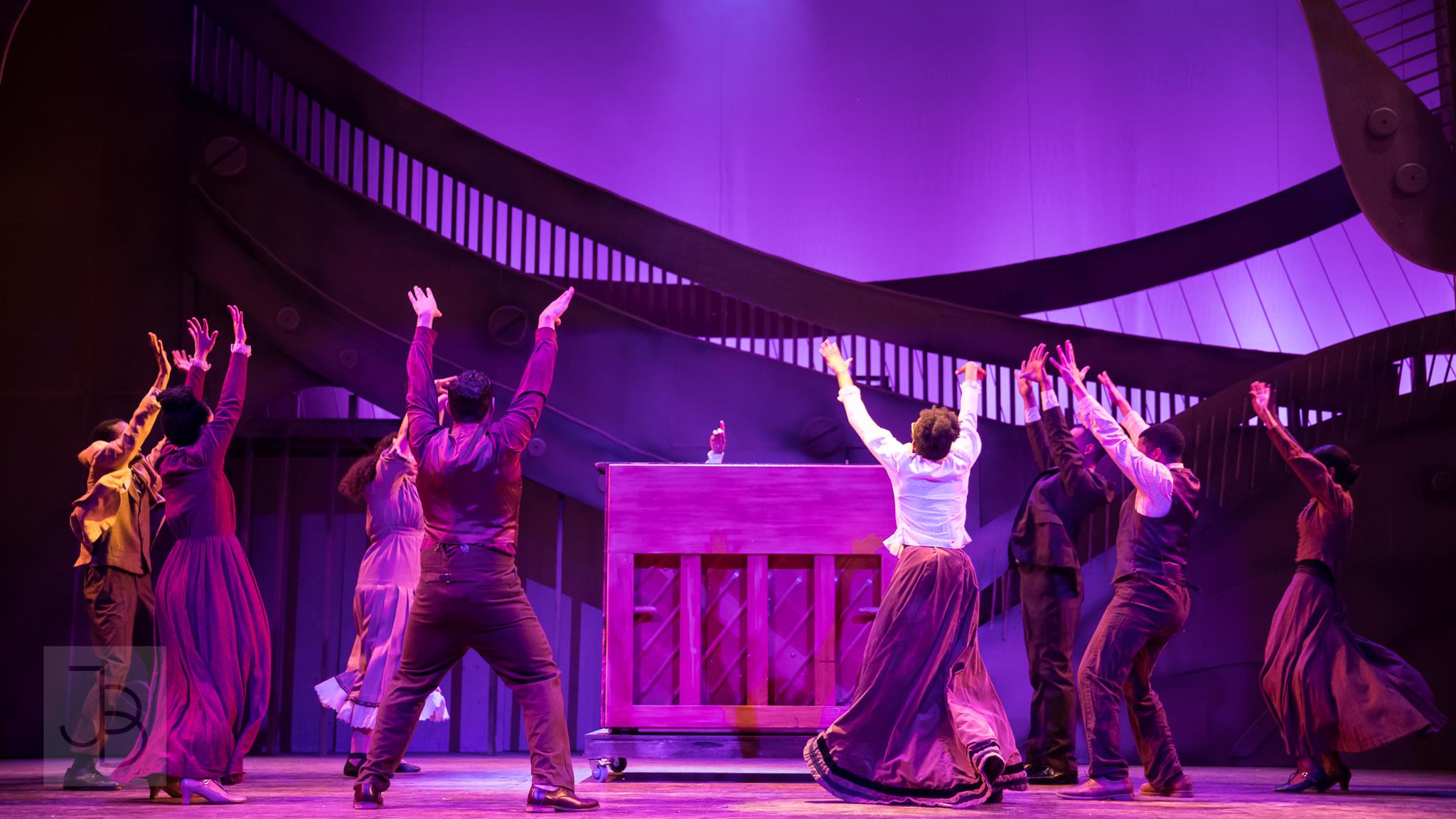
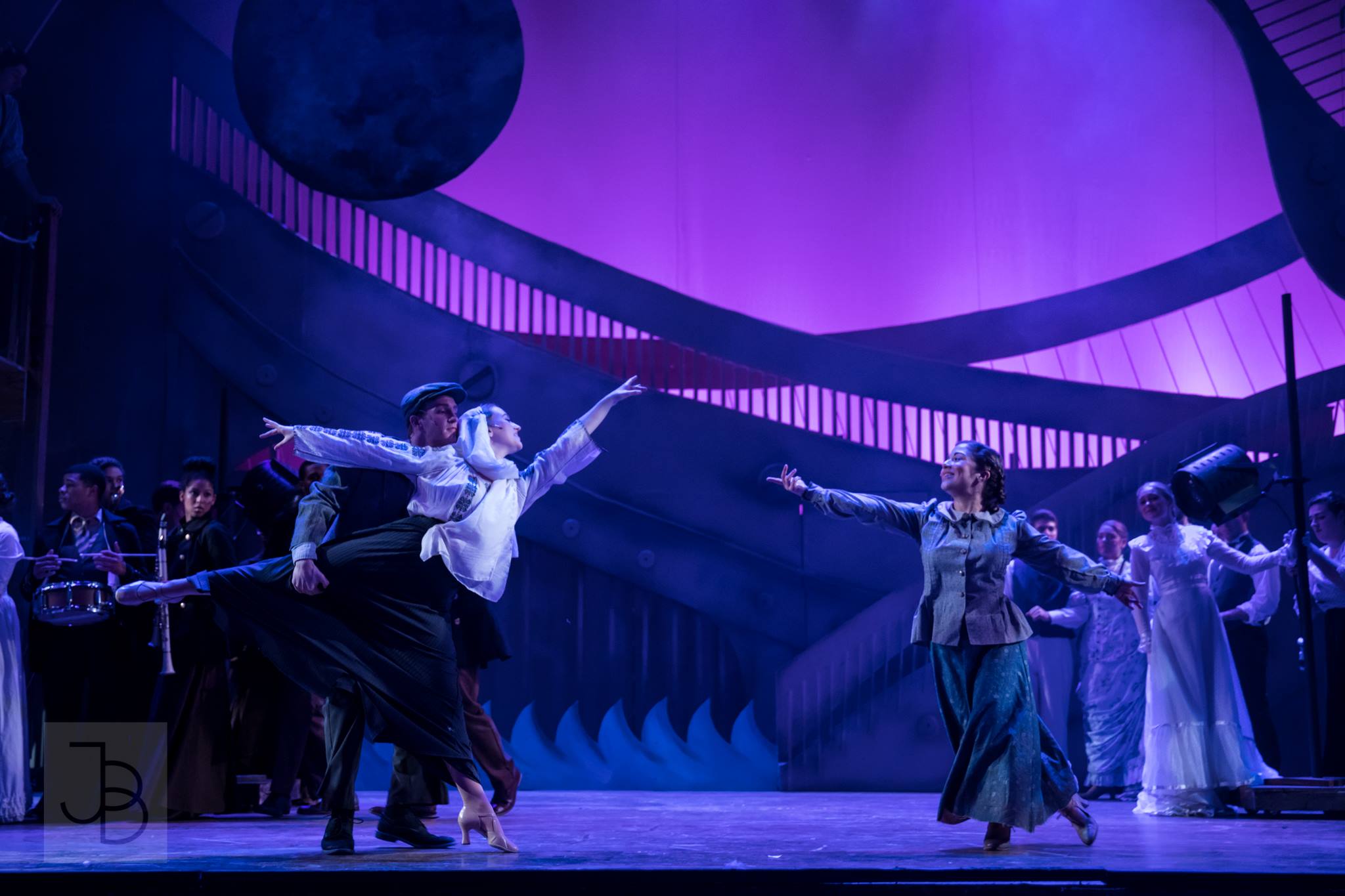
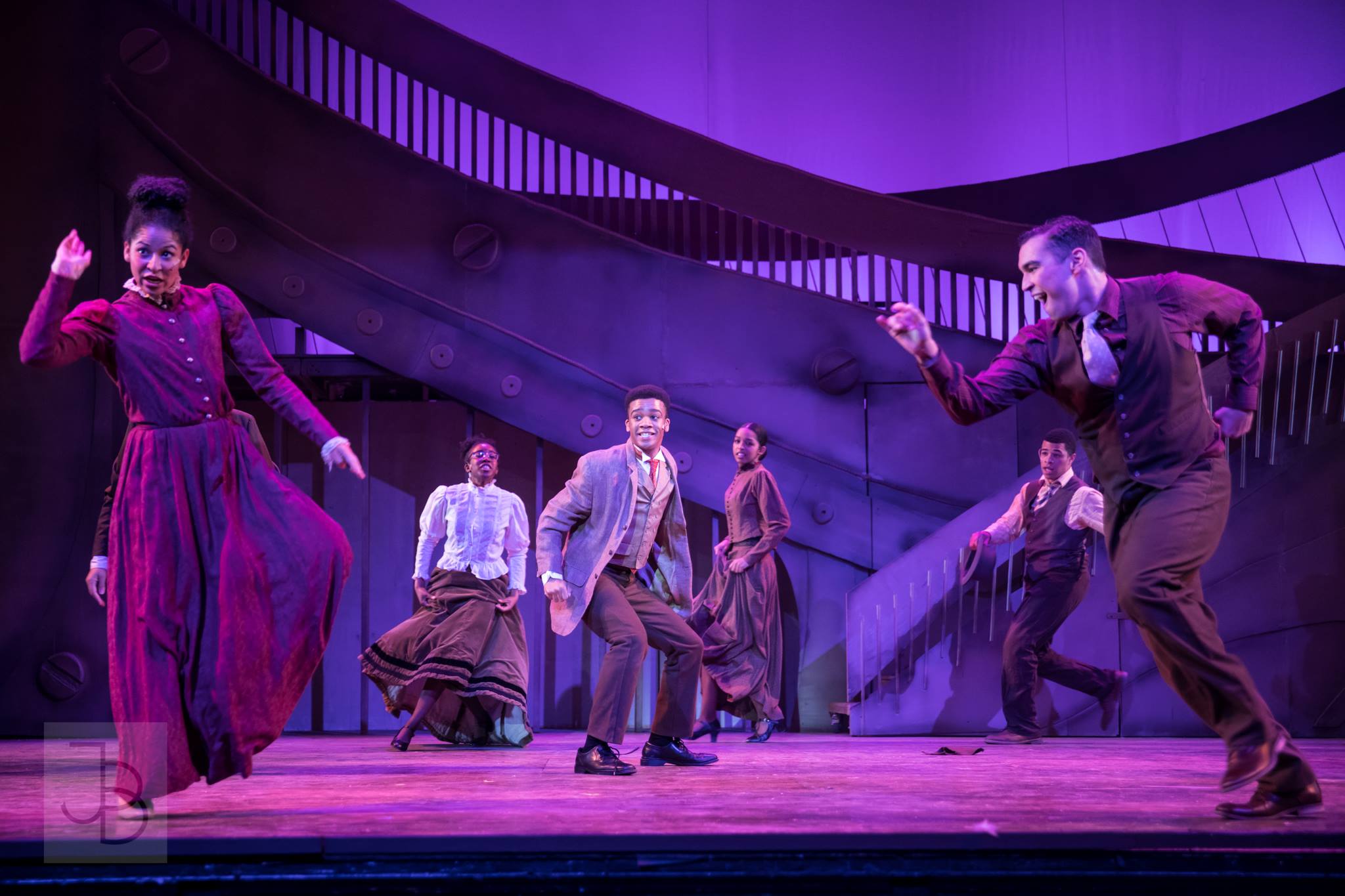
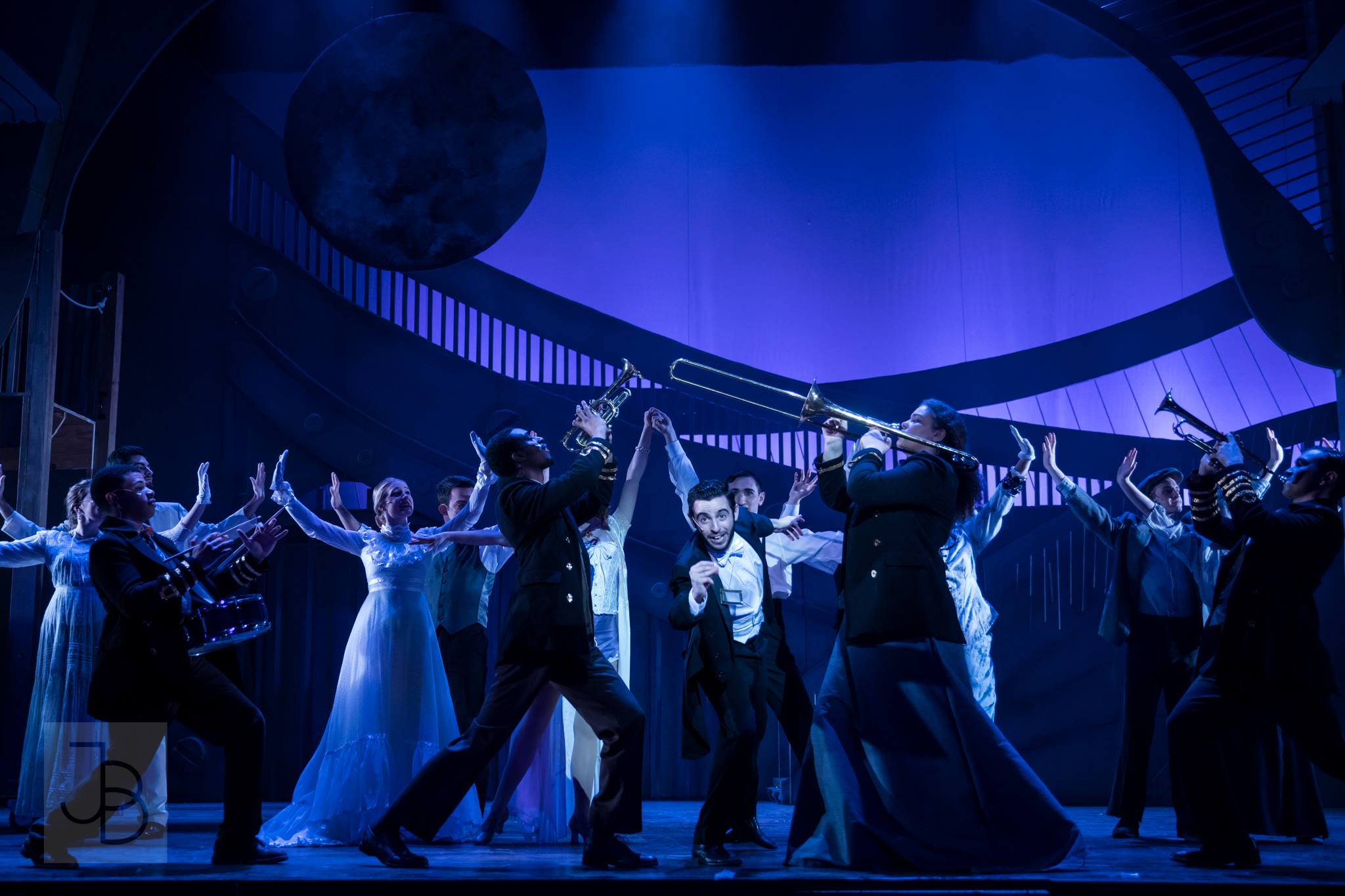
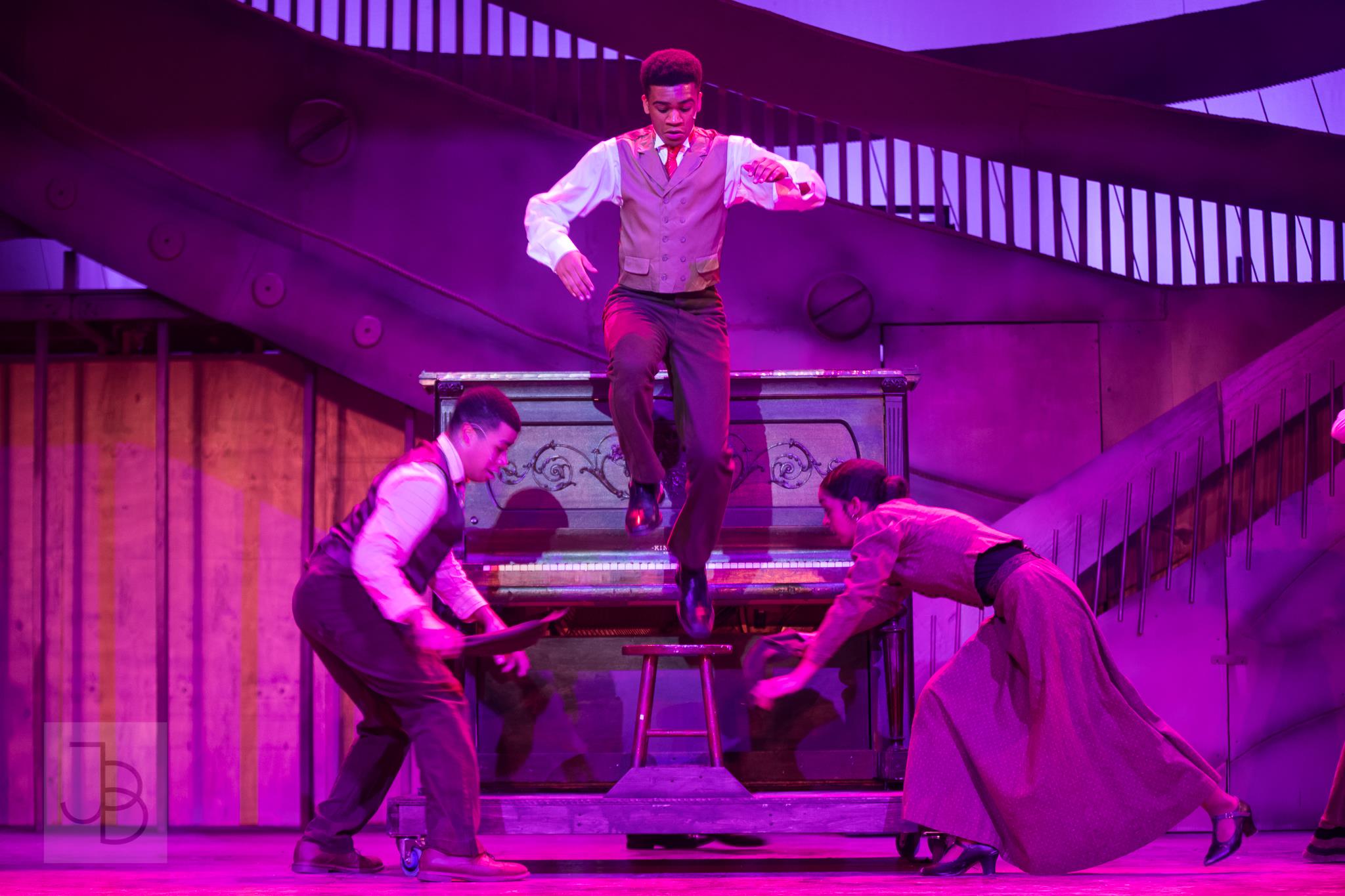
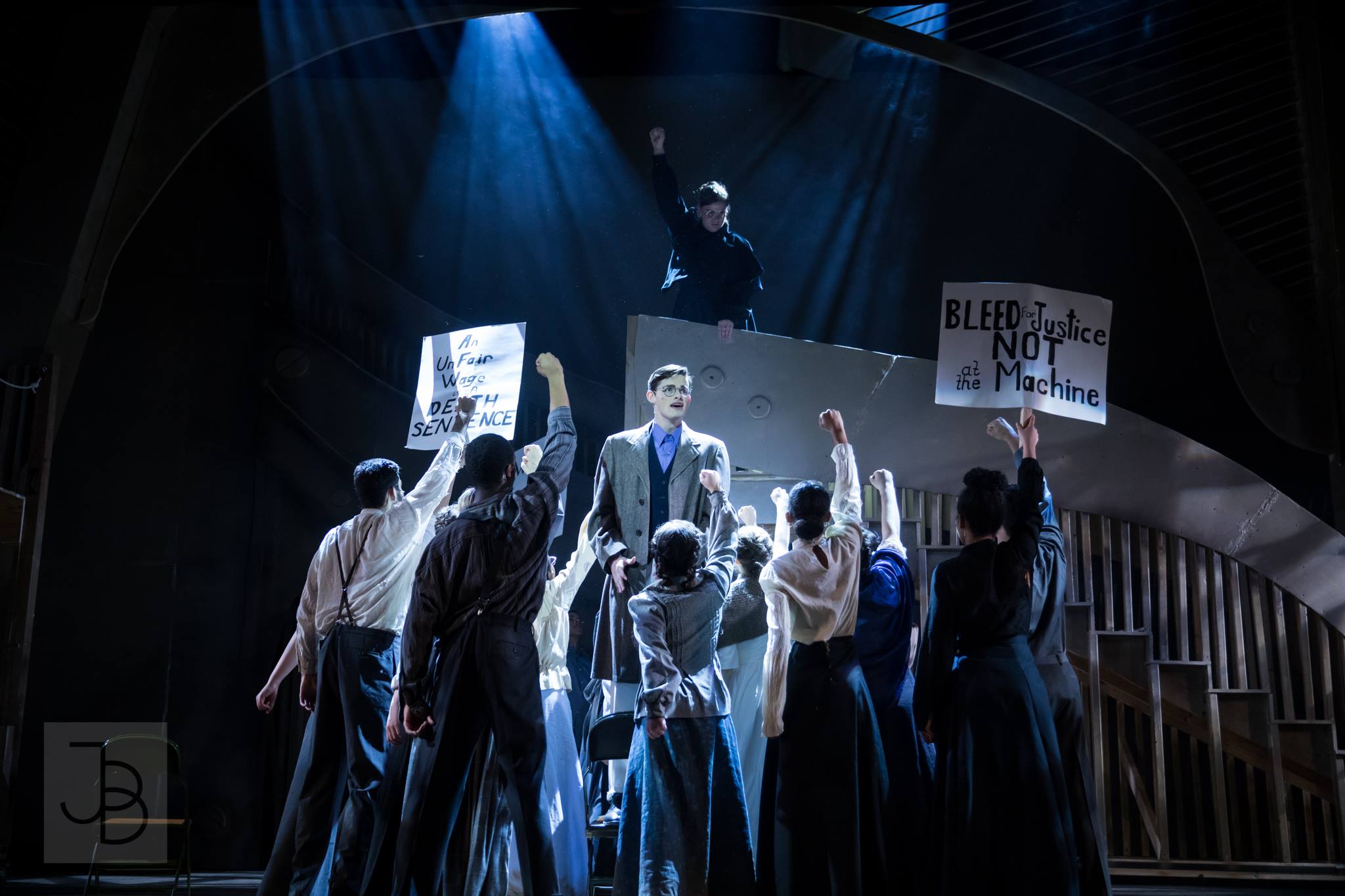
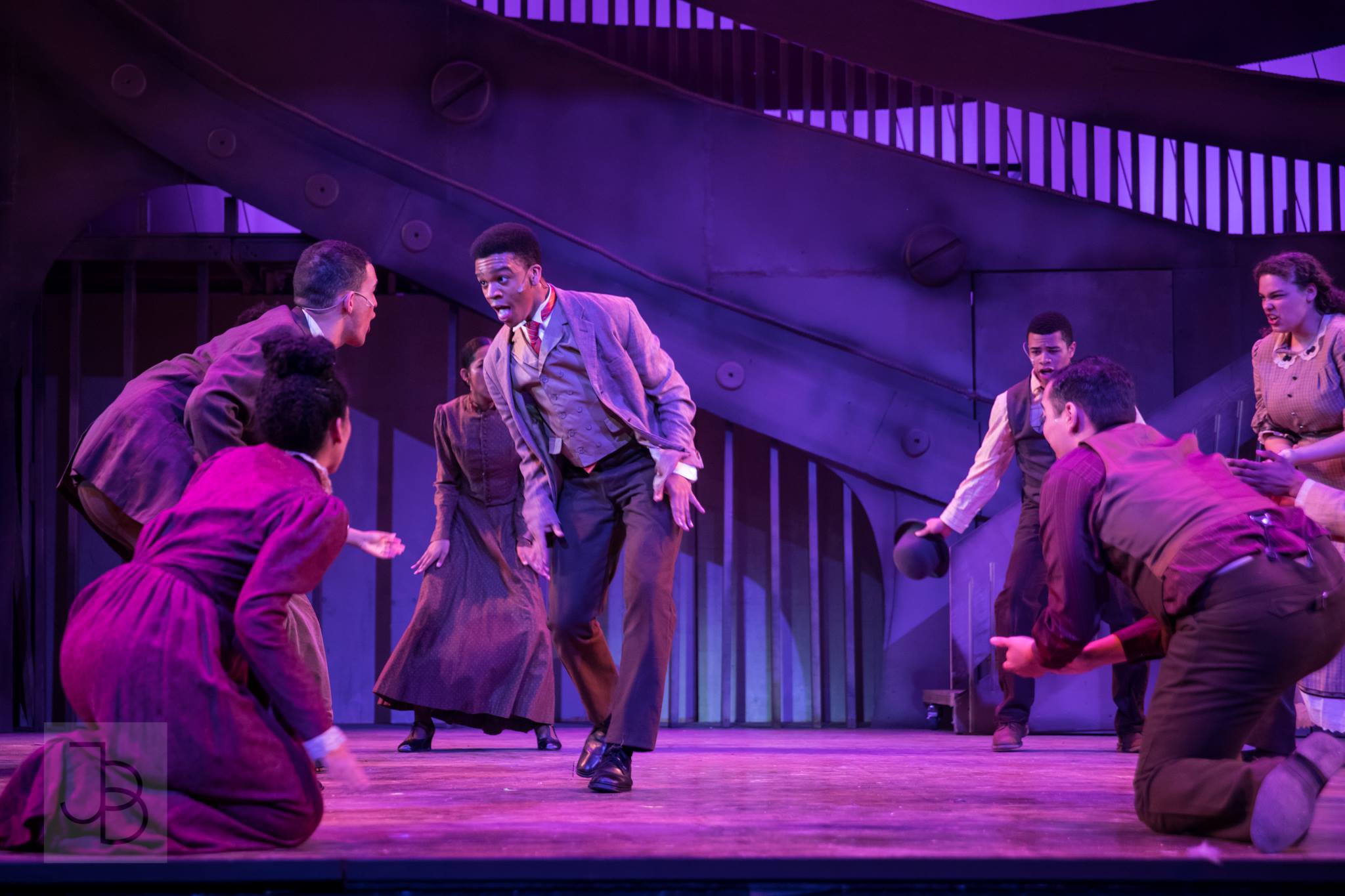
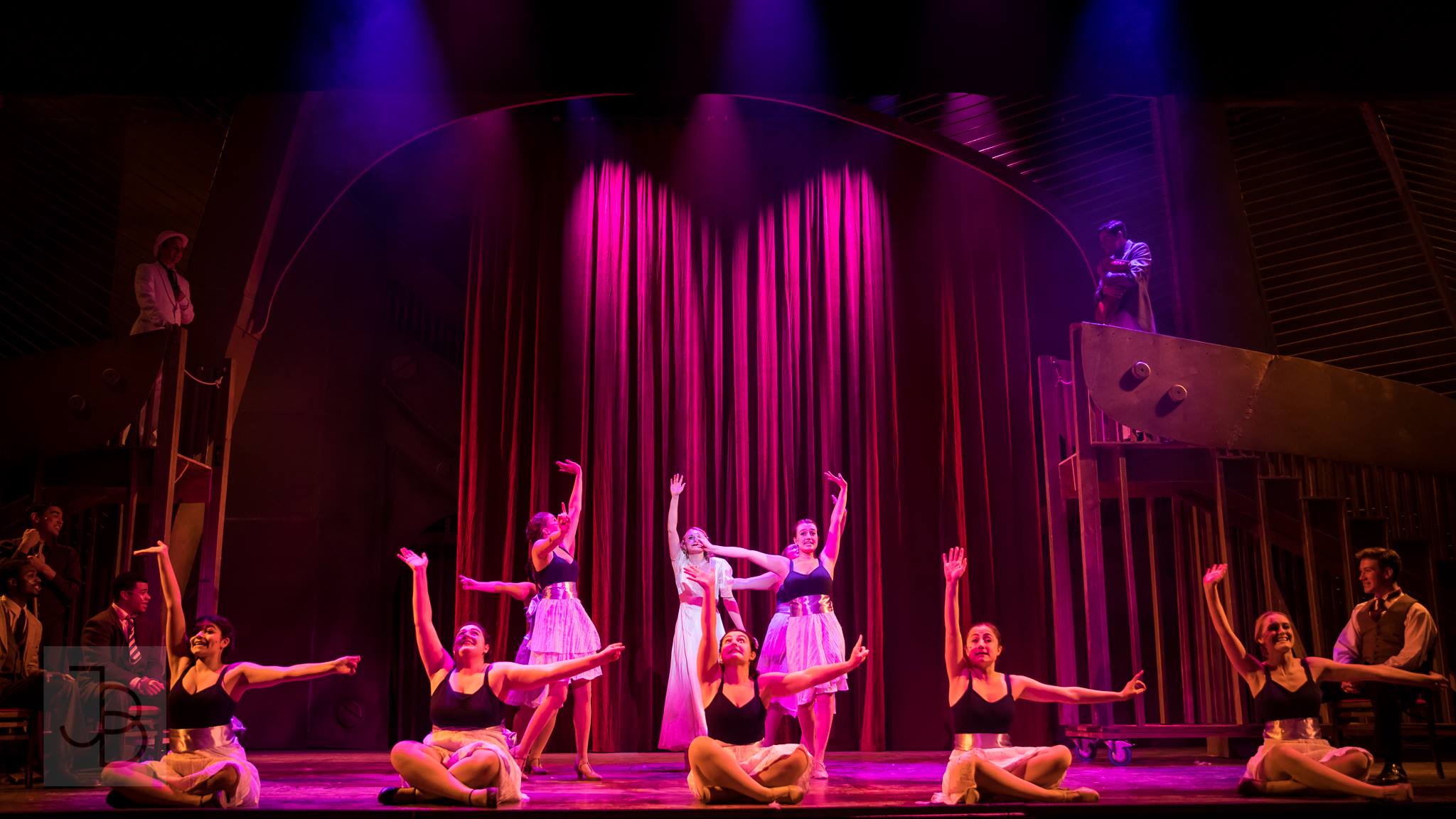
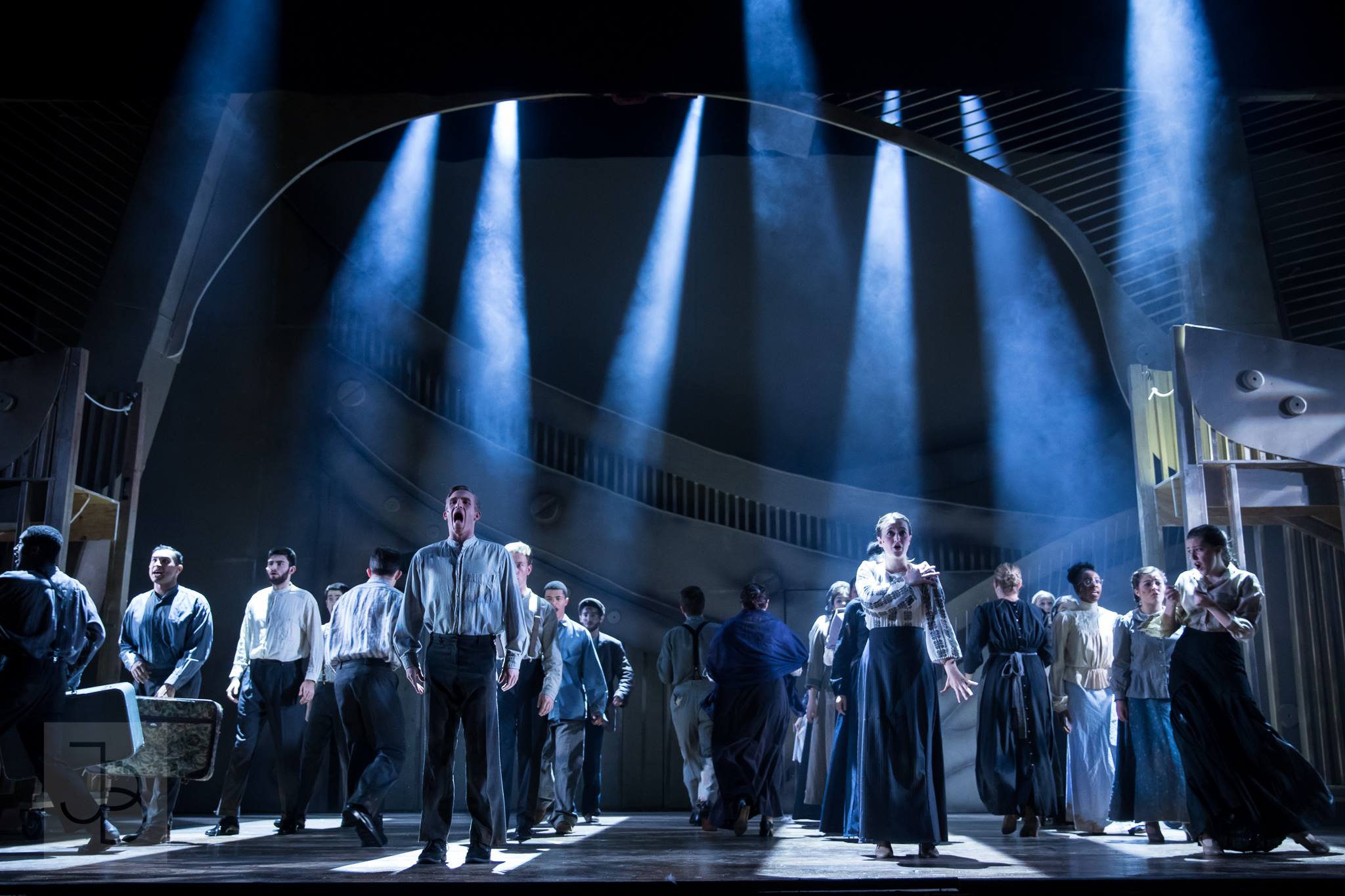
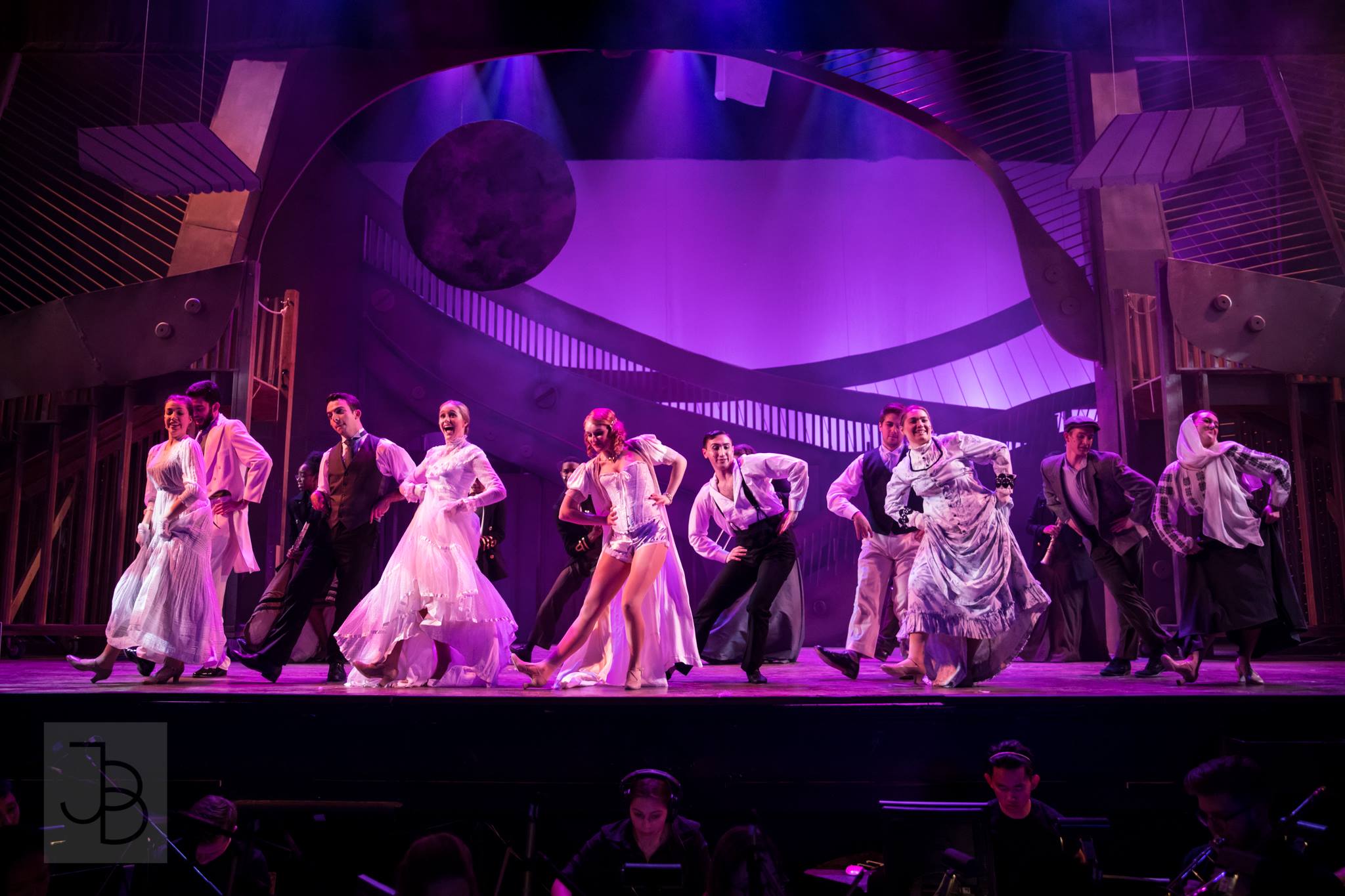
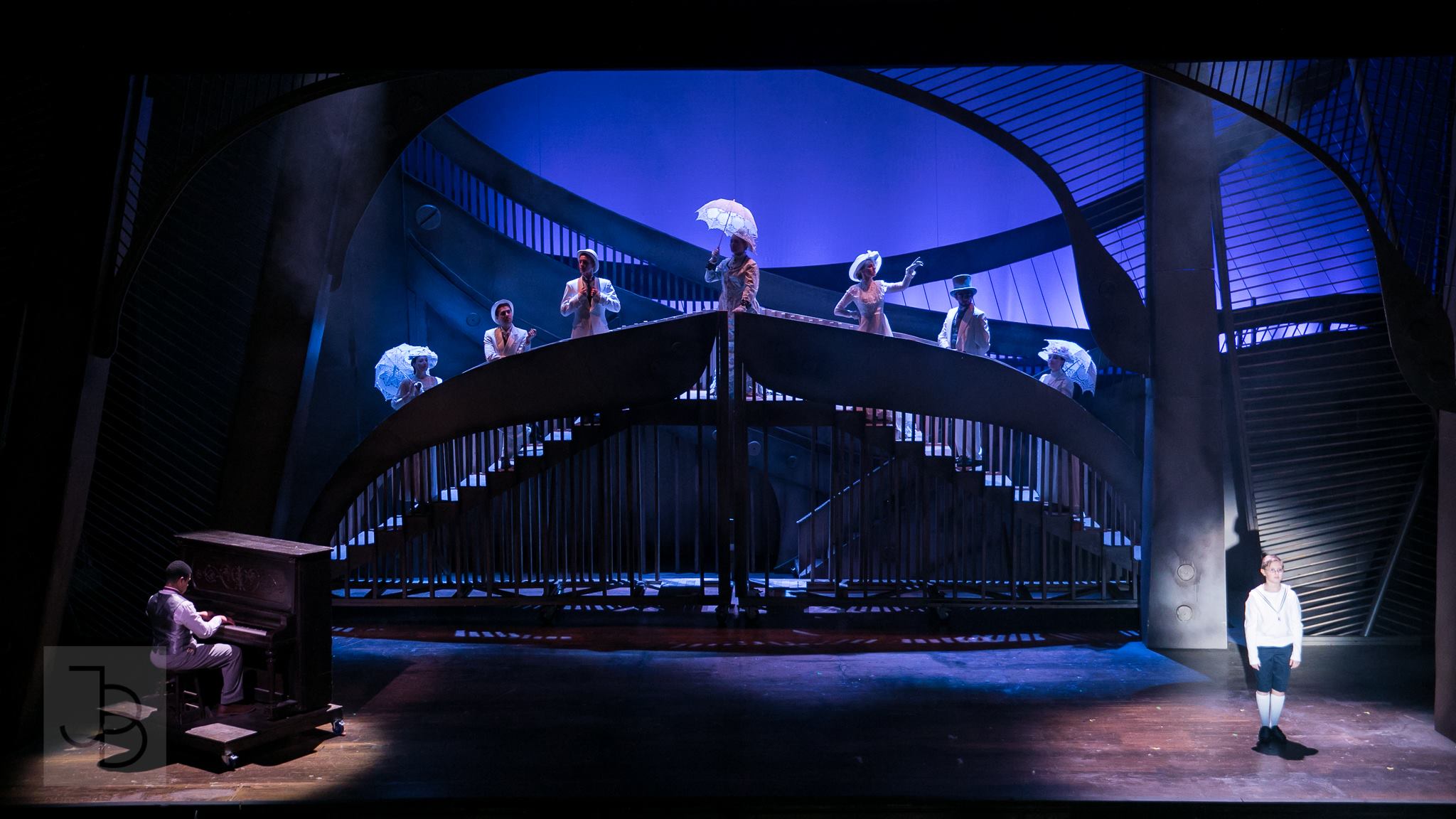
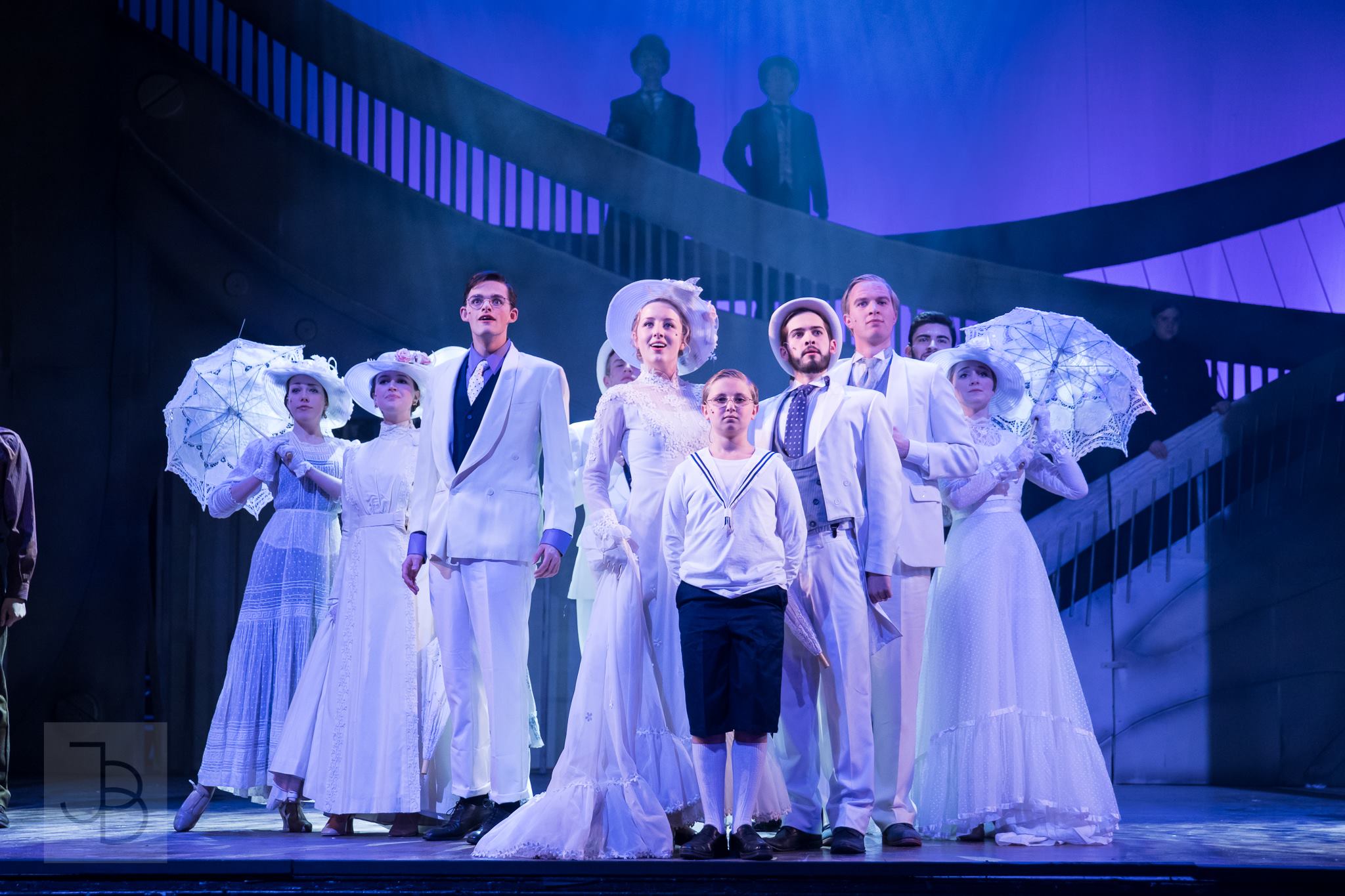
Directed by Michael Herwitz. Choreographed by Tucker Tab DeGregory. Scenic Design by Jessie Baldinger. Photos by Justin Barbin Photography.
“Just got back from the show and I had to write to congratulate you immediately ... In short, it was superb! I was at Northwestern for 33 years and I believe I saw 33 Dolphin Shows. This was unquestionably the best ... The staging was seamless and lyrical with really beautiful stage pictures. ... Tucker’s choreography had infinite variety and made wonderful use of period dance styles and it was executed with total commitment. I’m running out of adjectives. Just know that you made something really beautiful and meaningful. Thank you for a brilliant production of my favorite musical!”
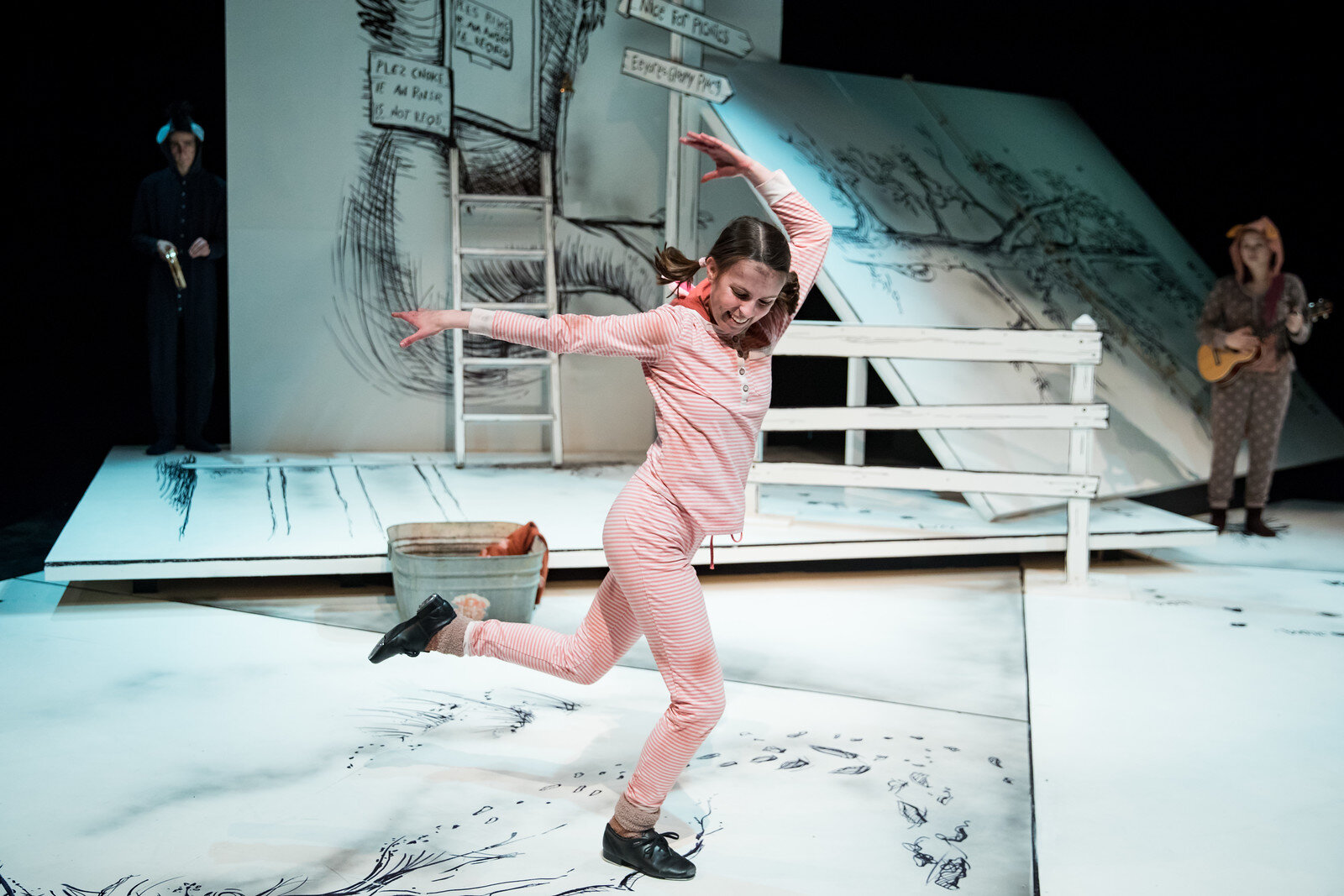
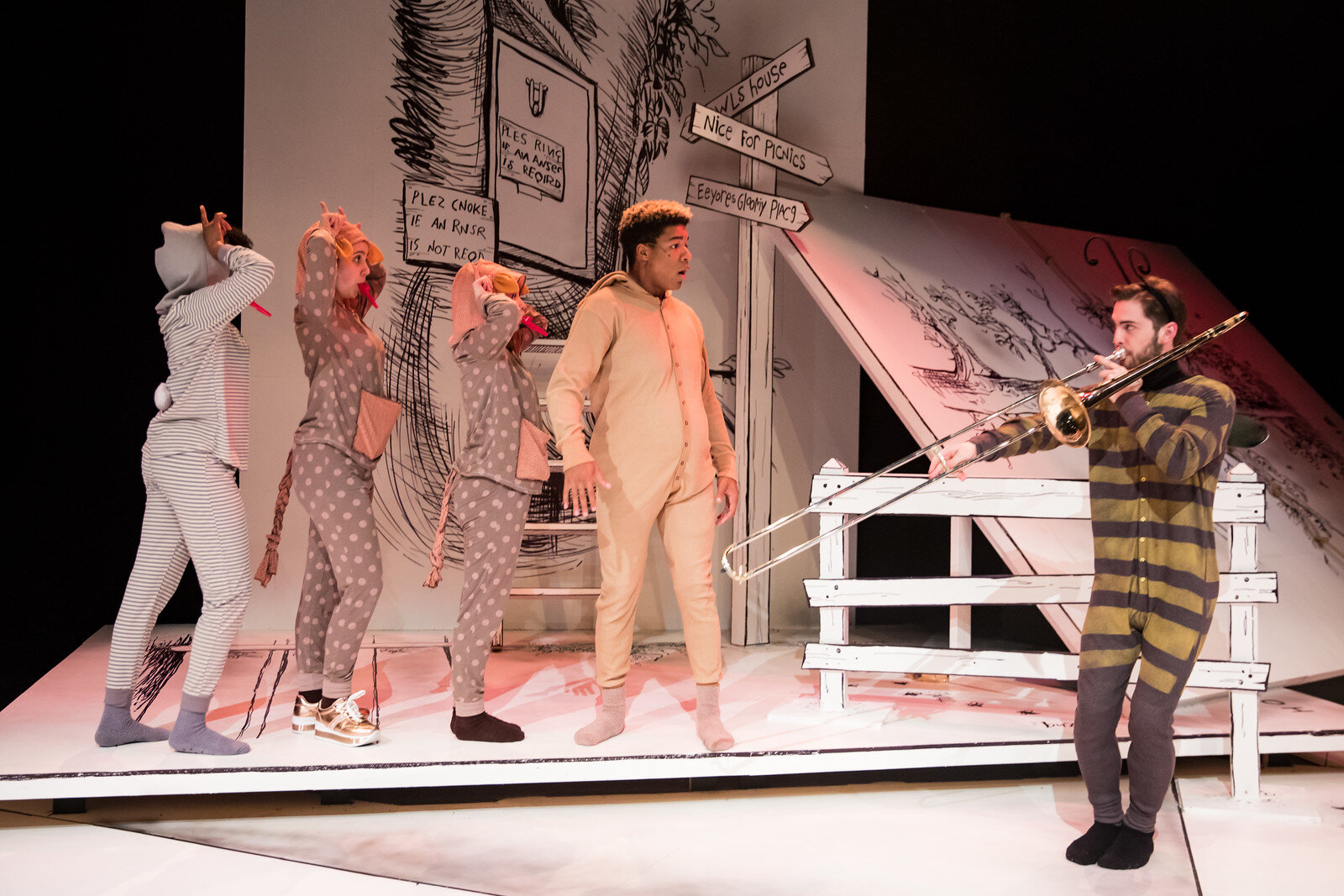
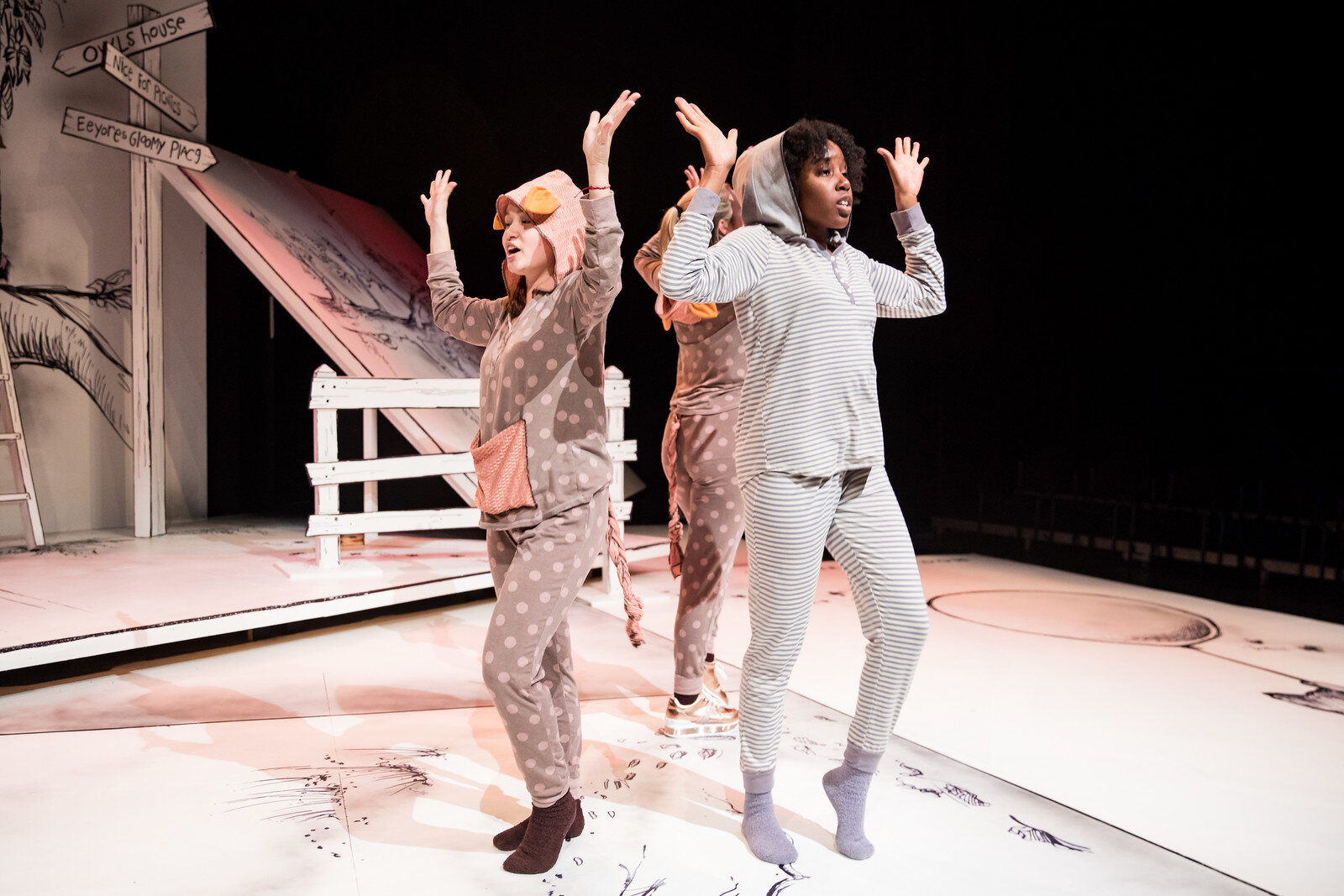
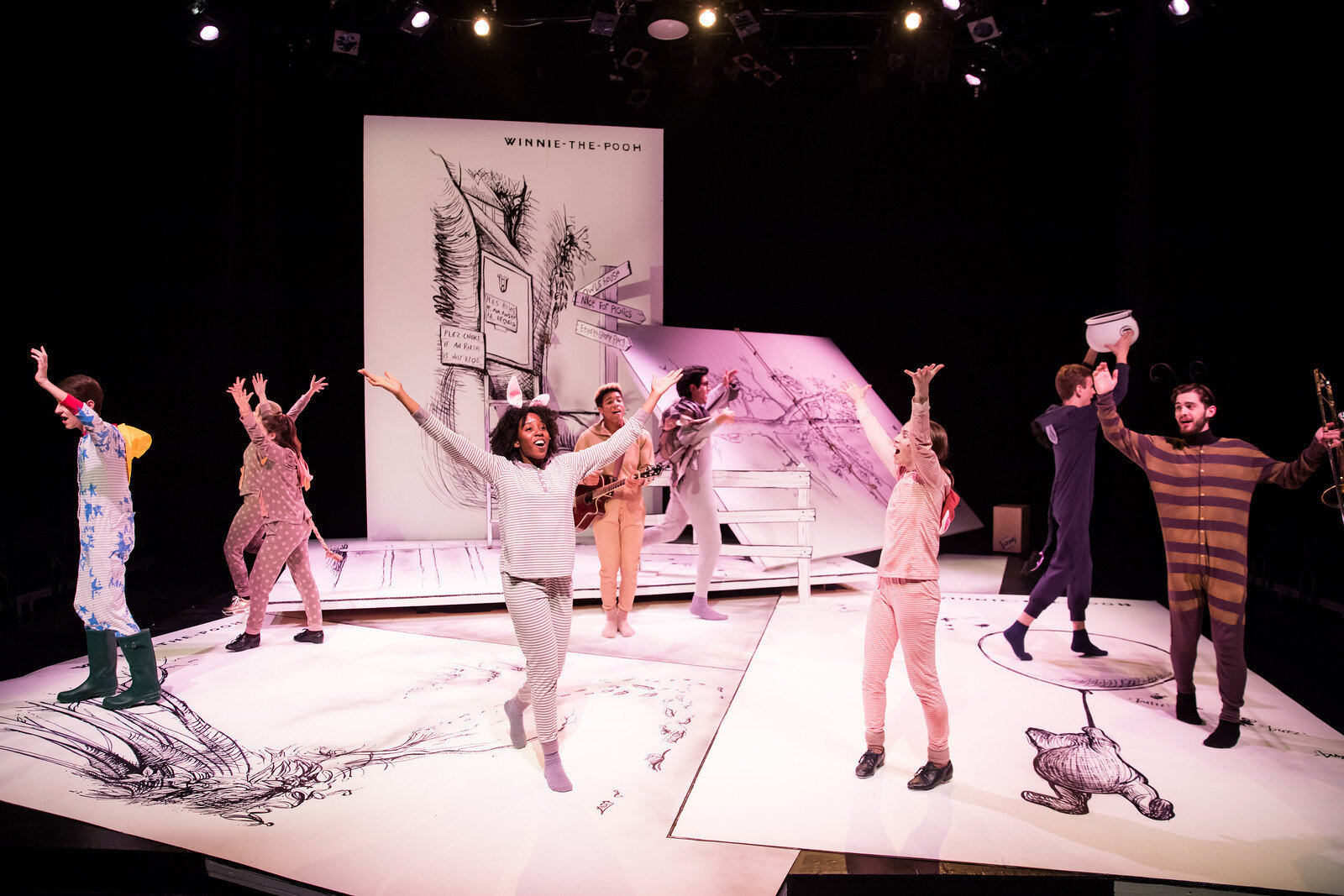
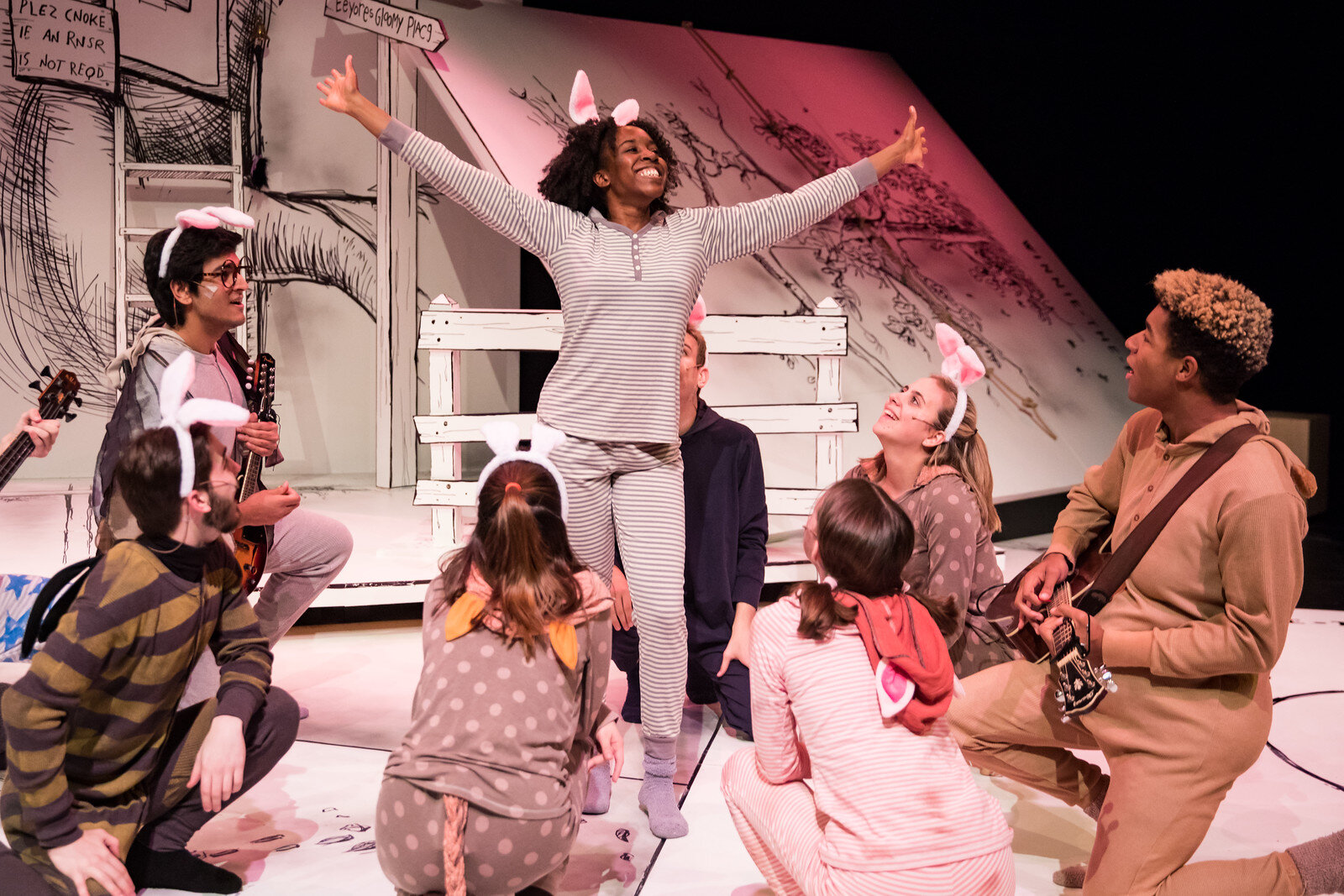
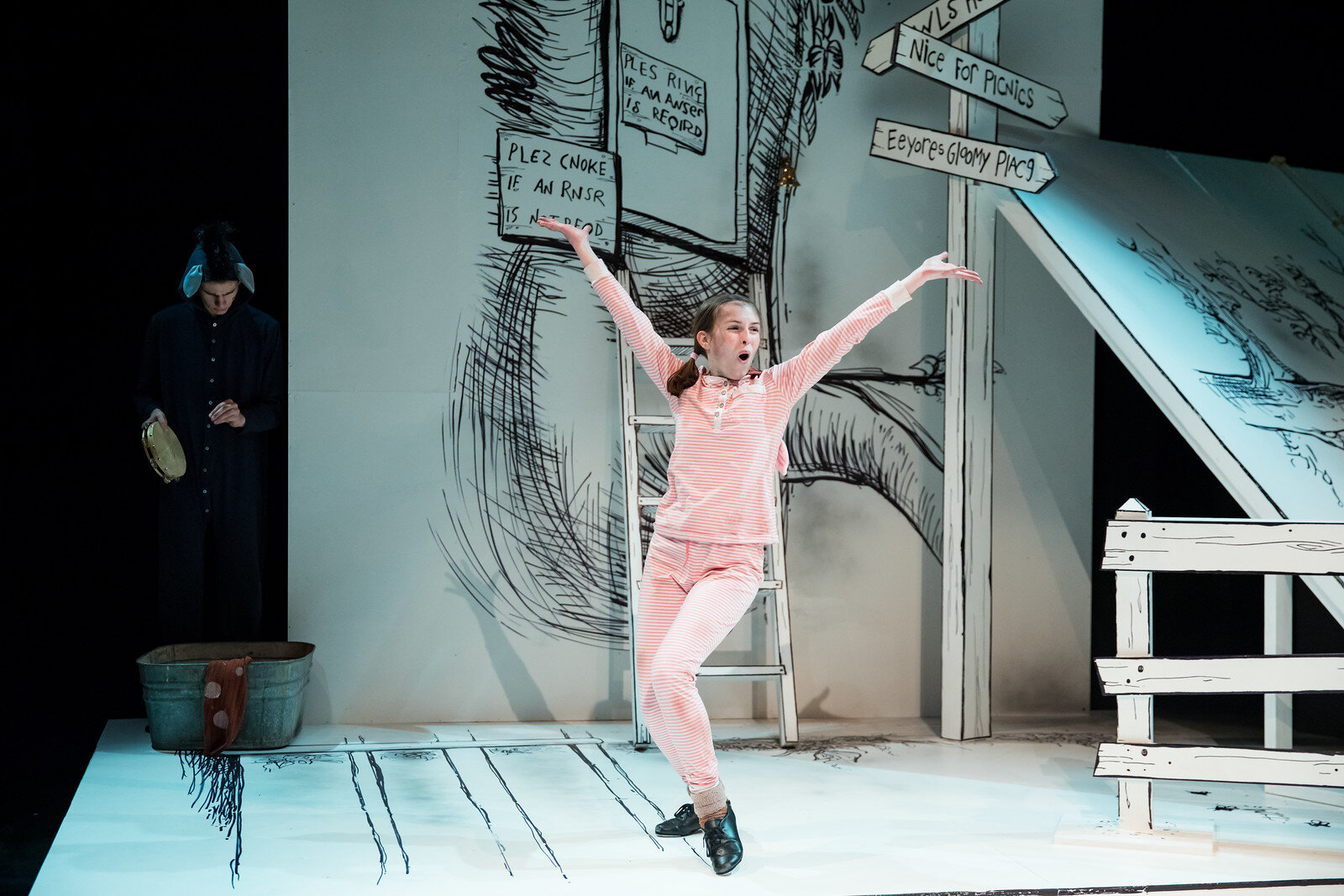
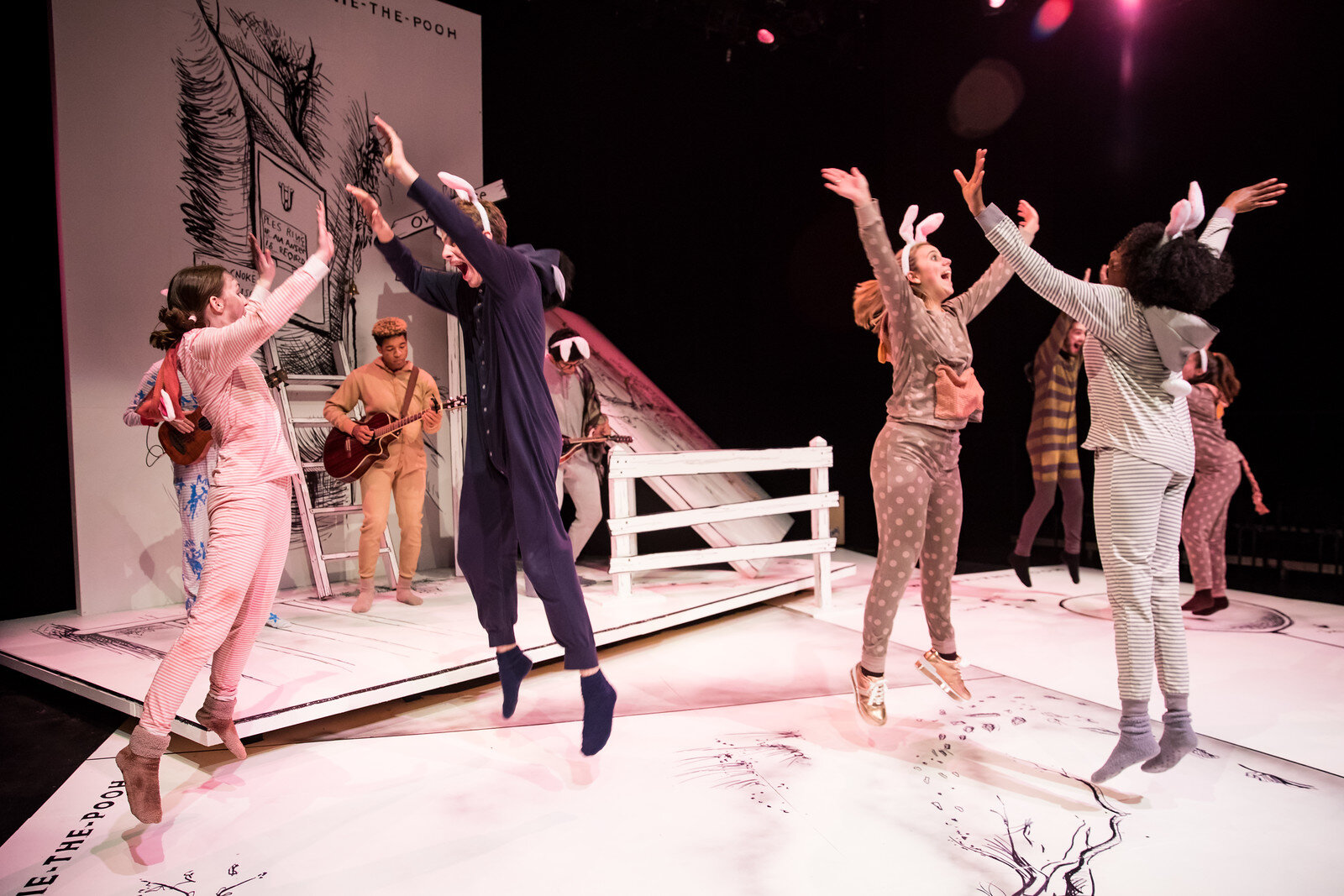
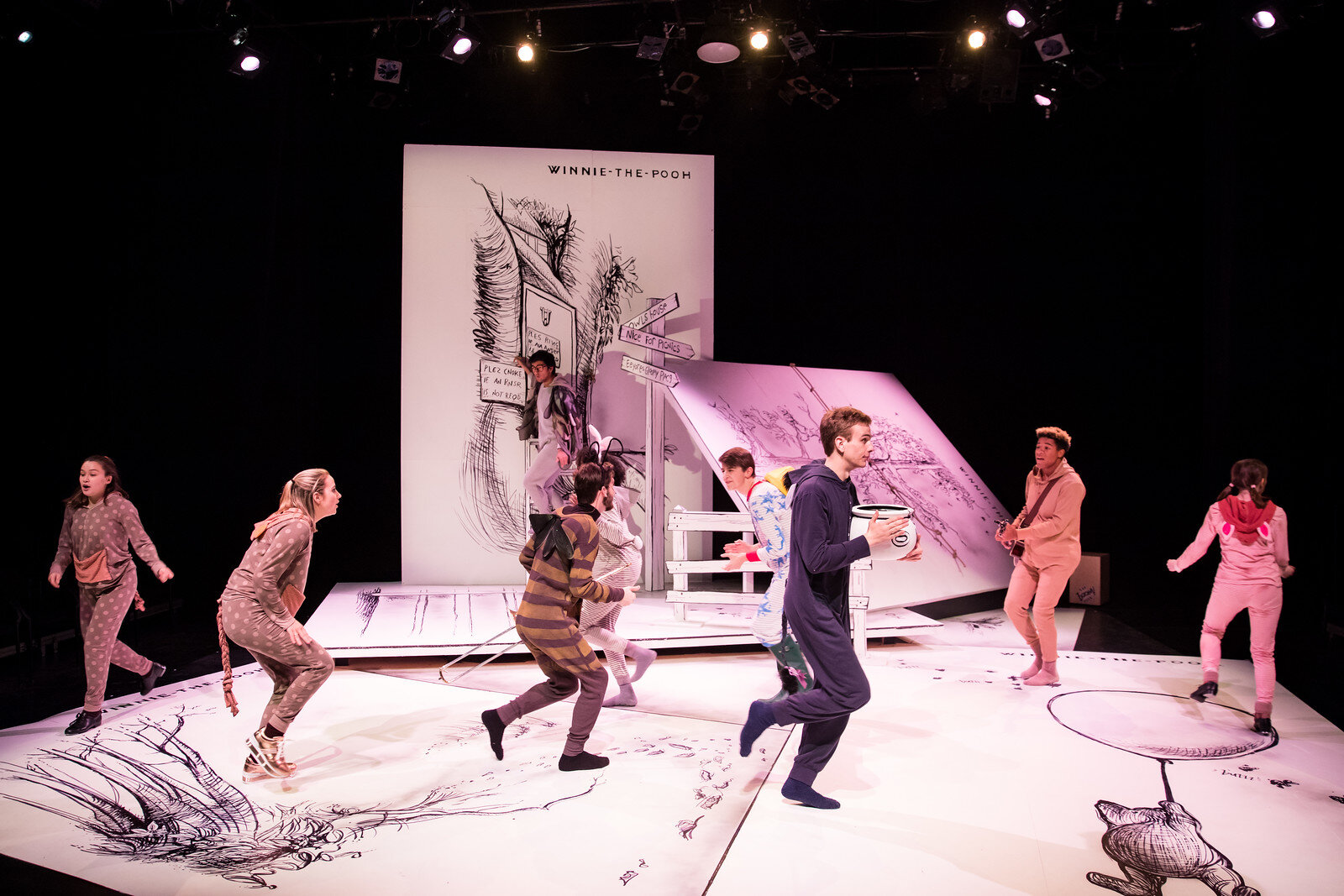
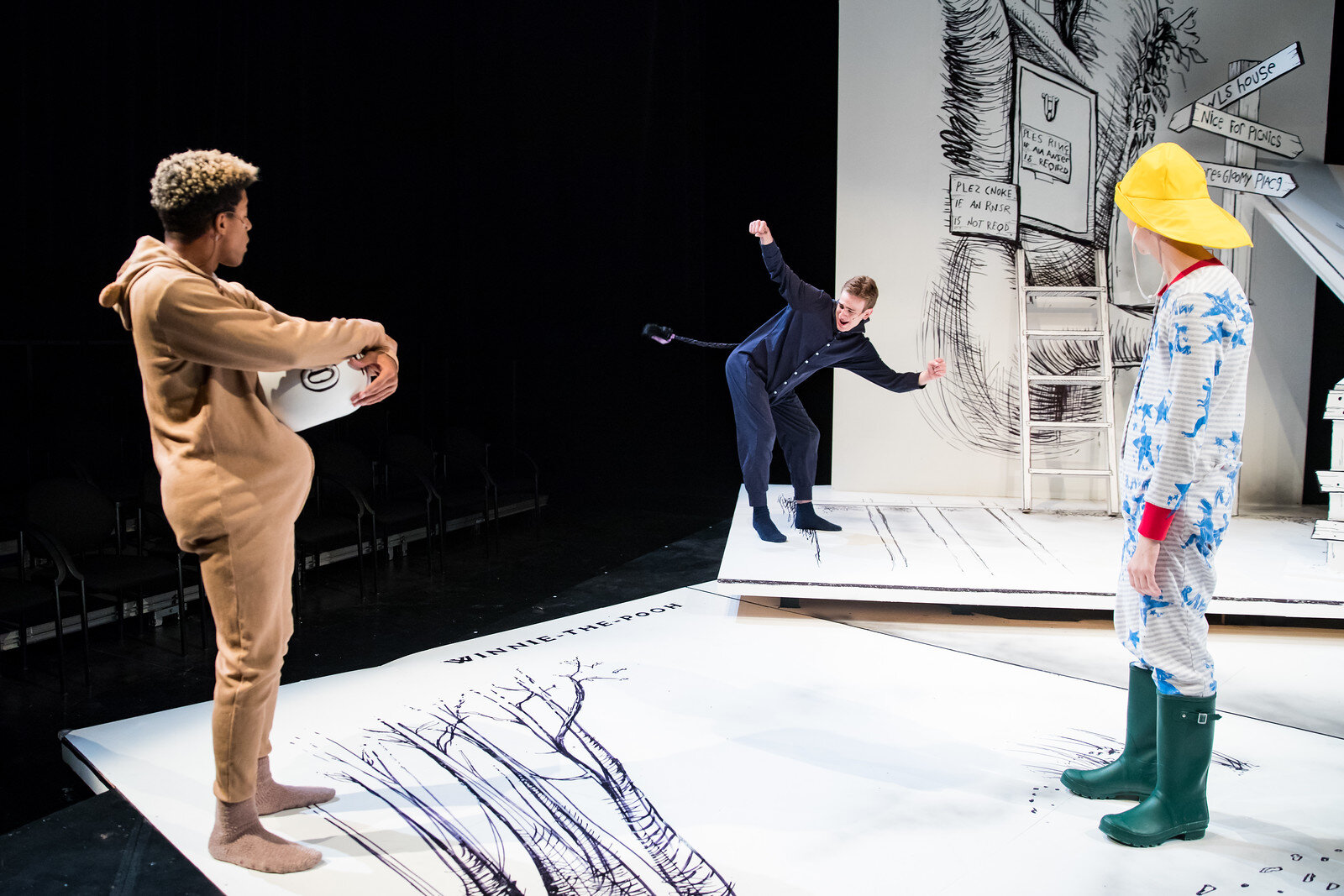
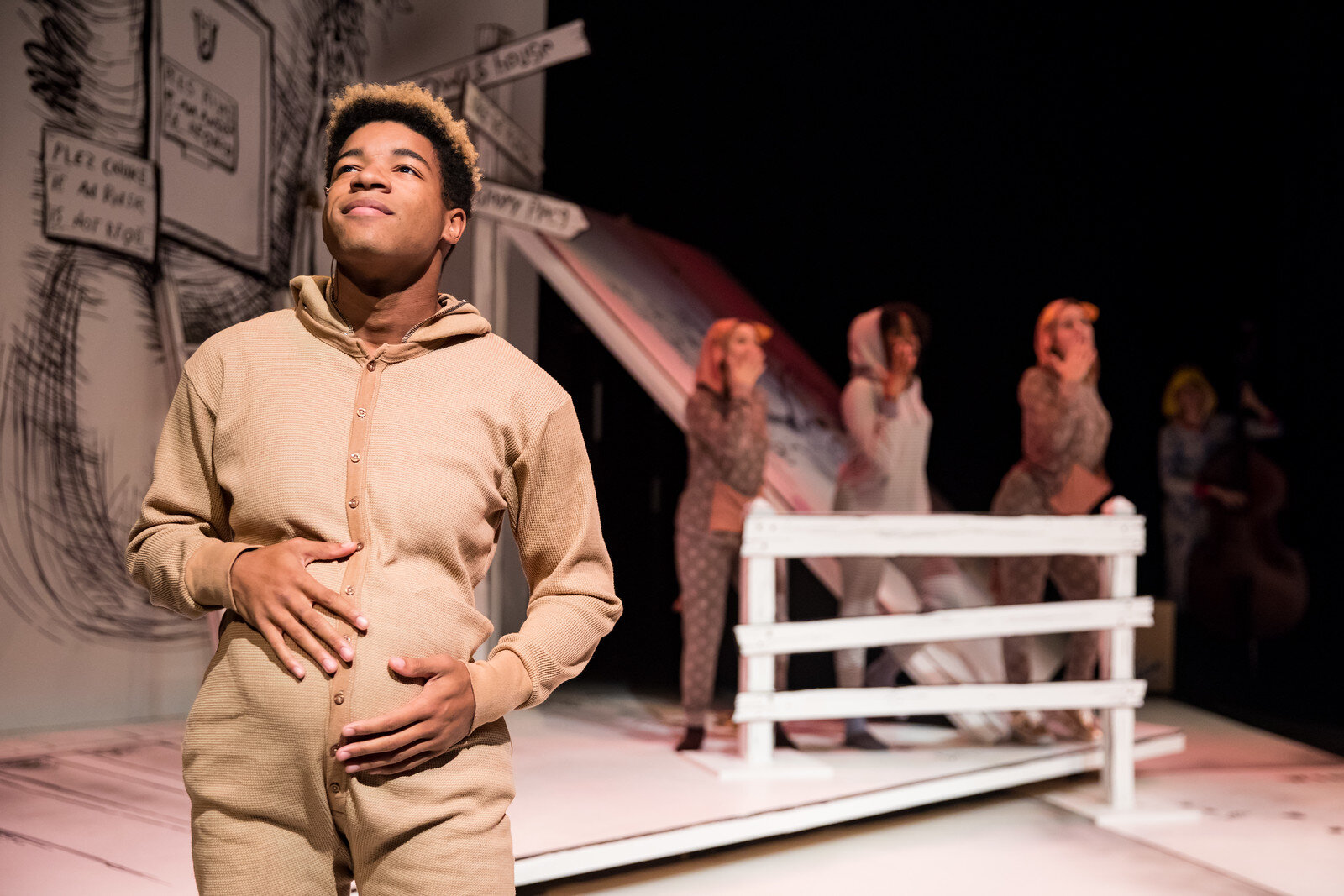
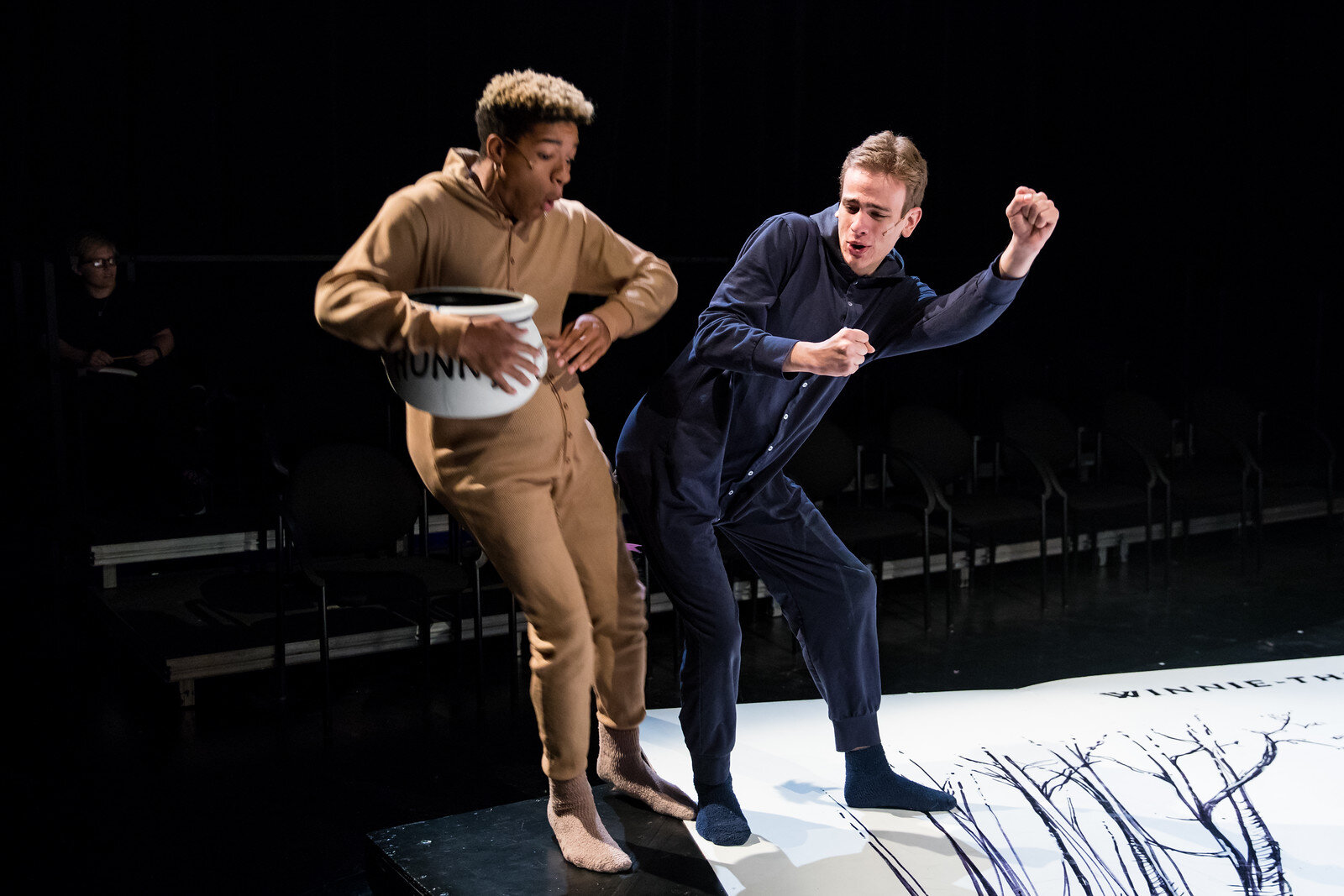
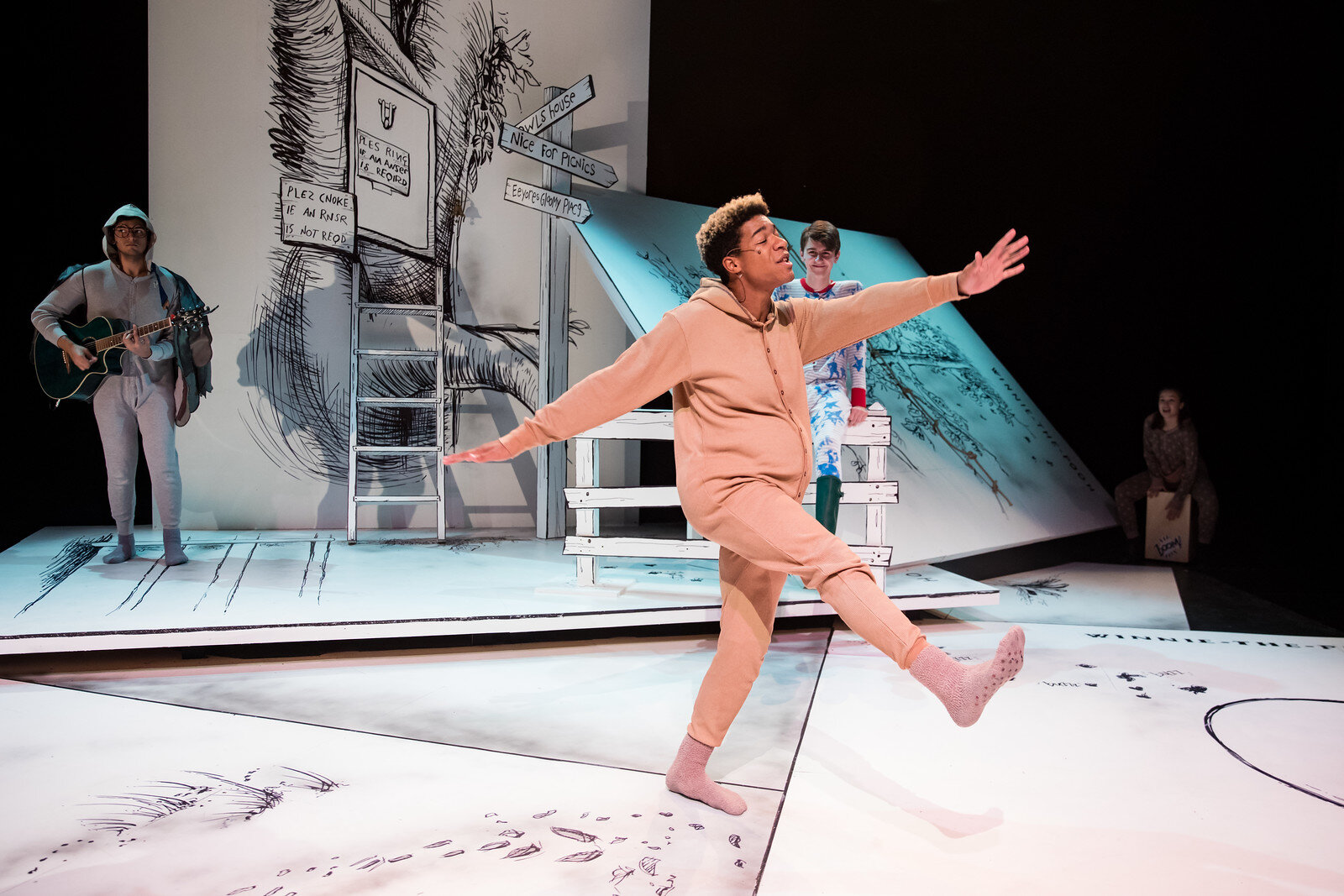
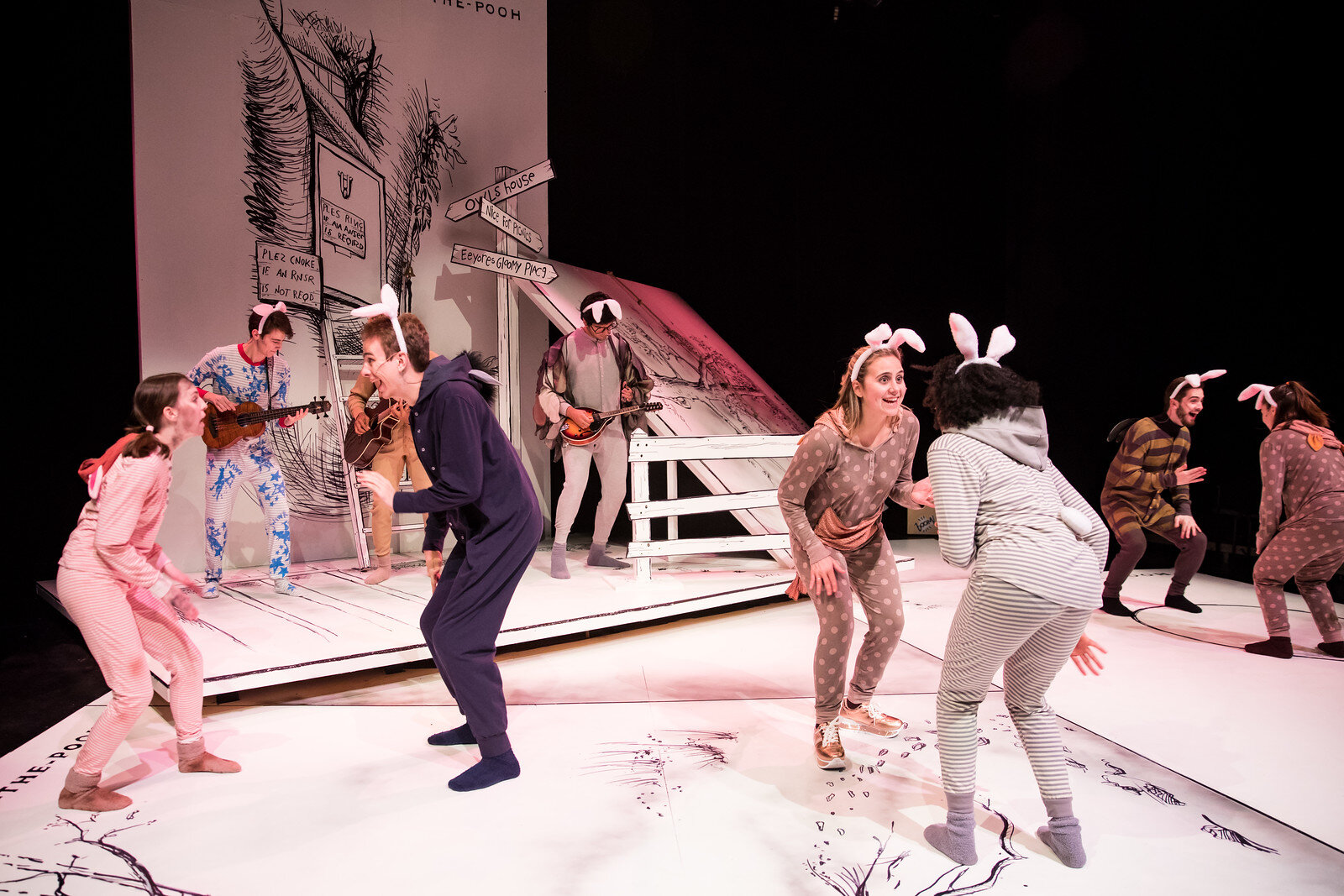
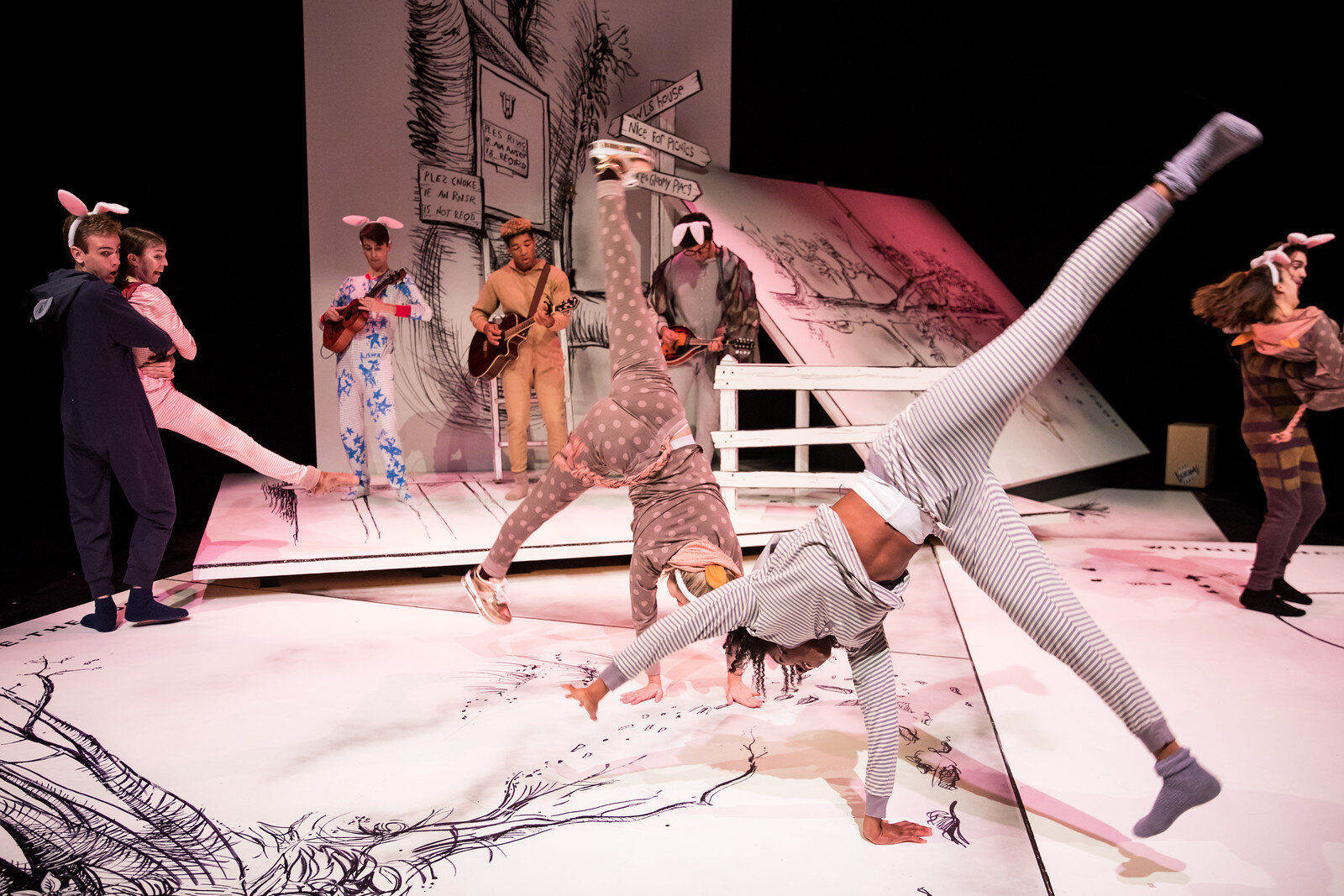
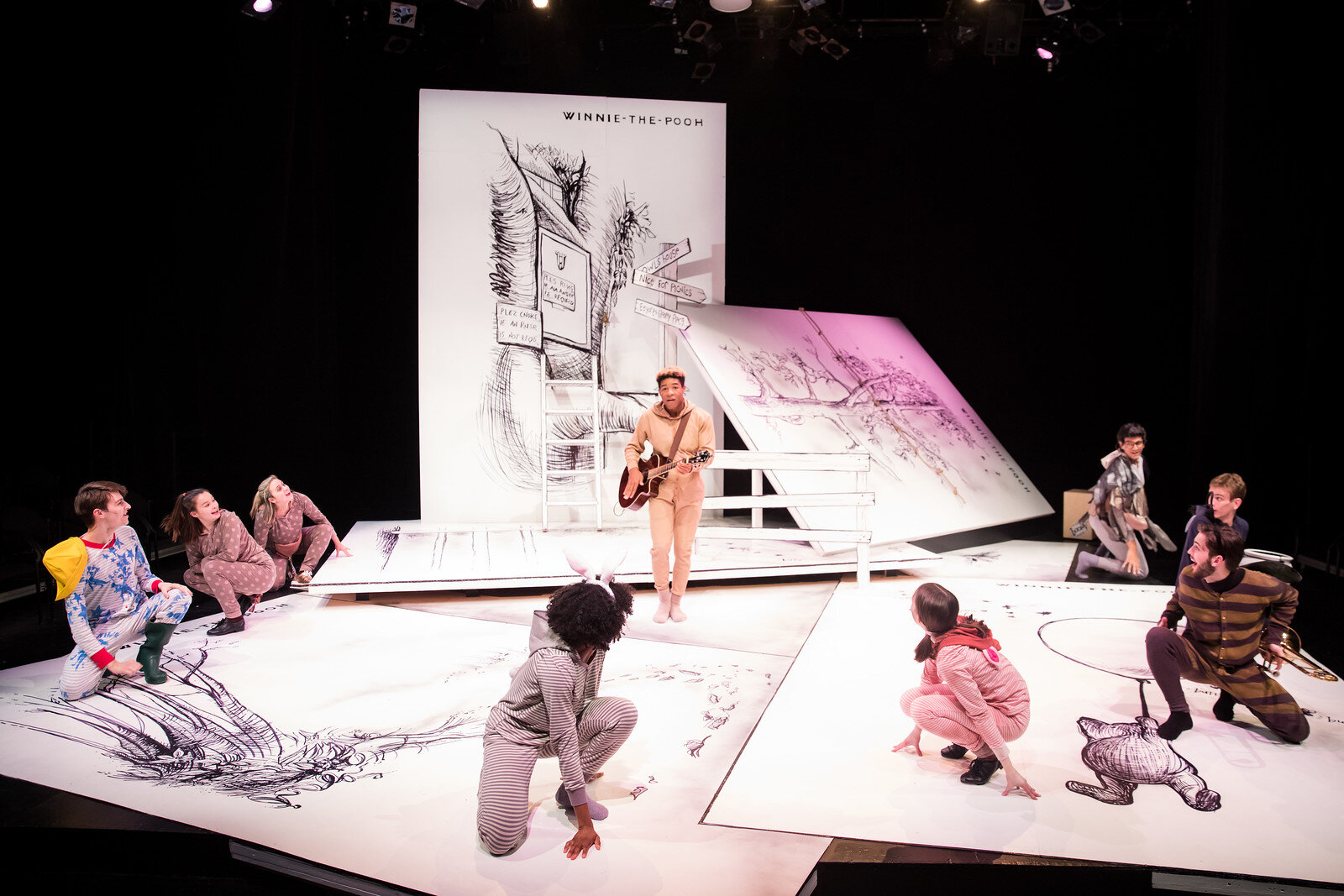
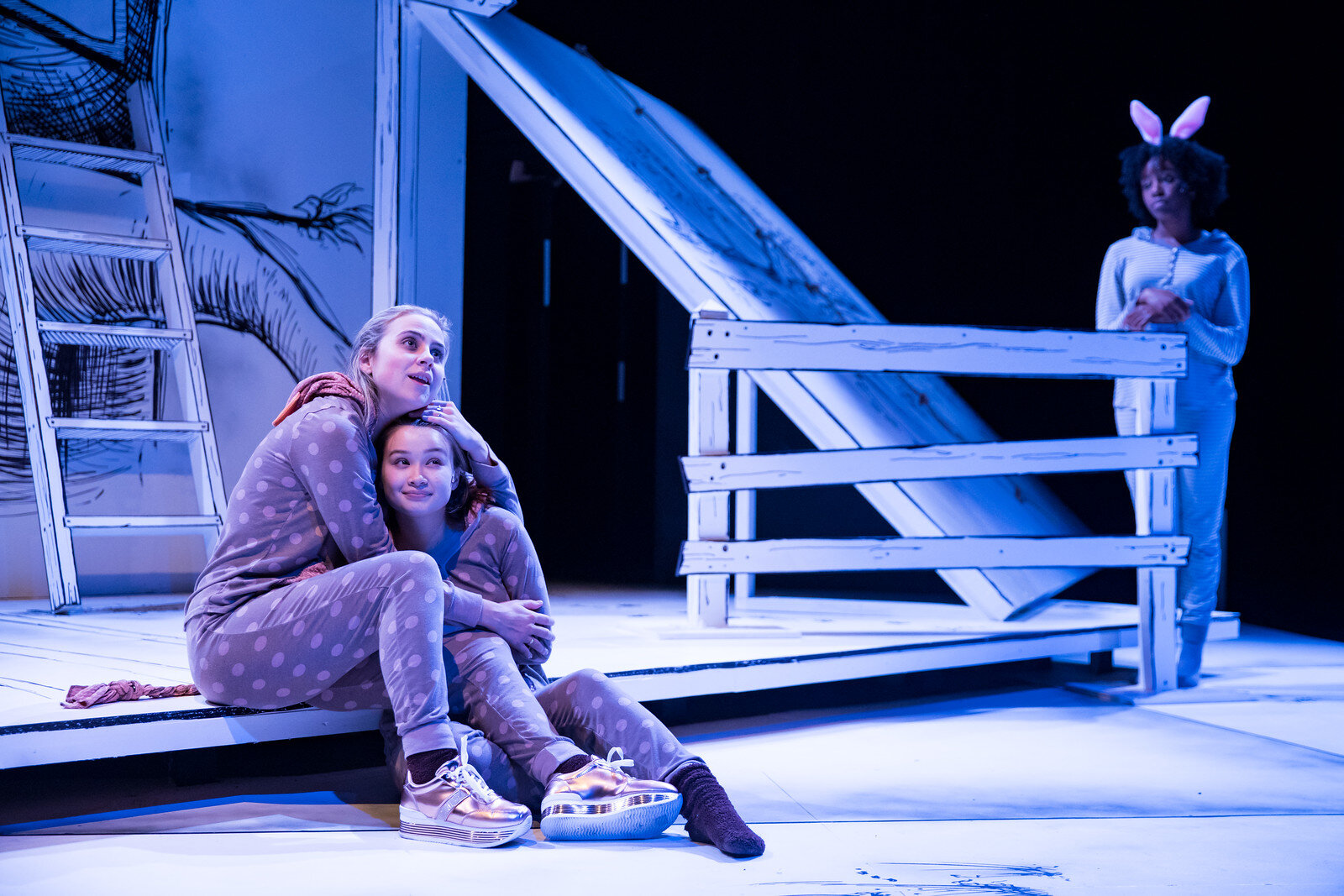
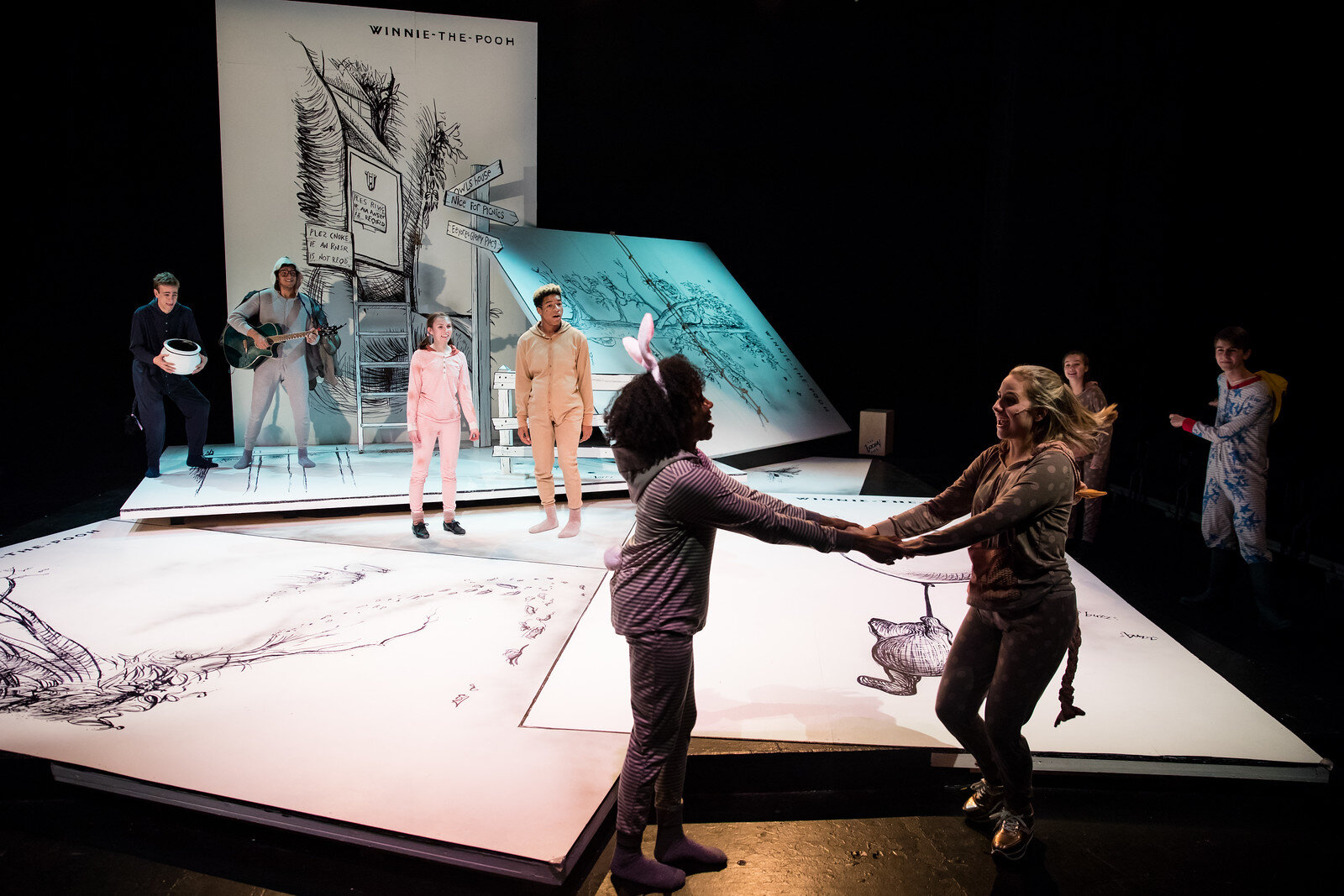
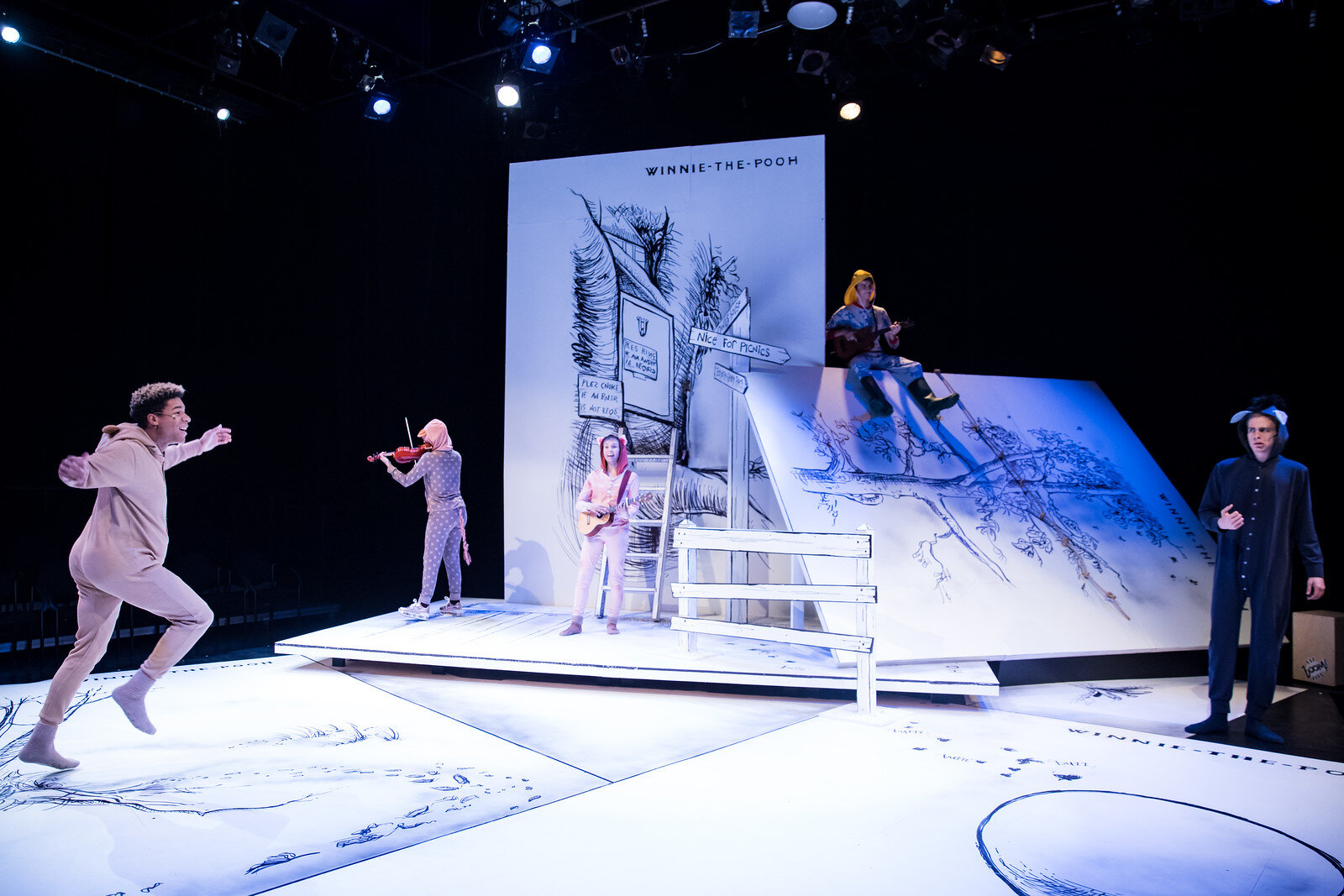
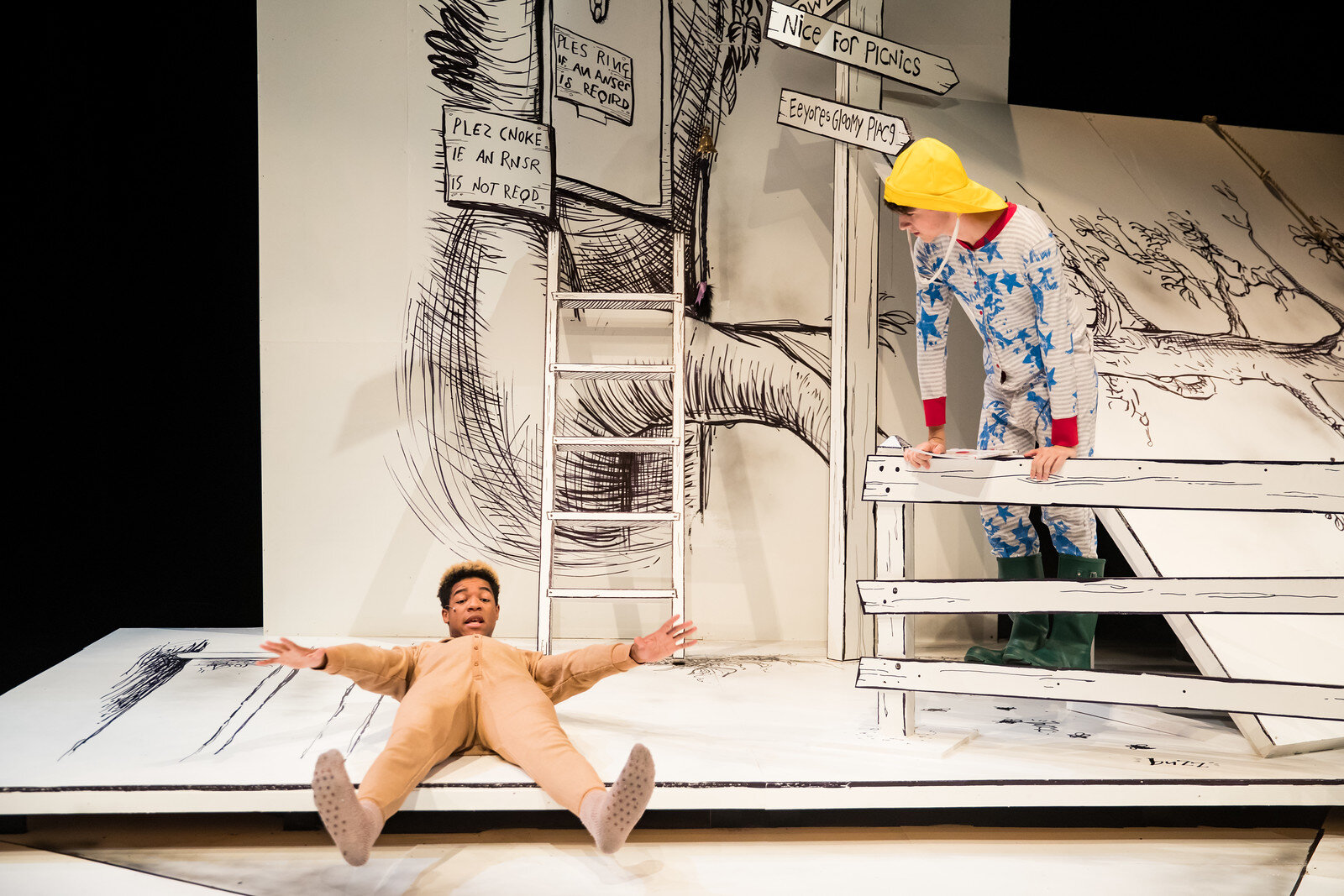
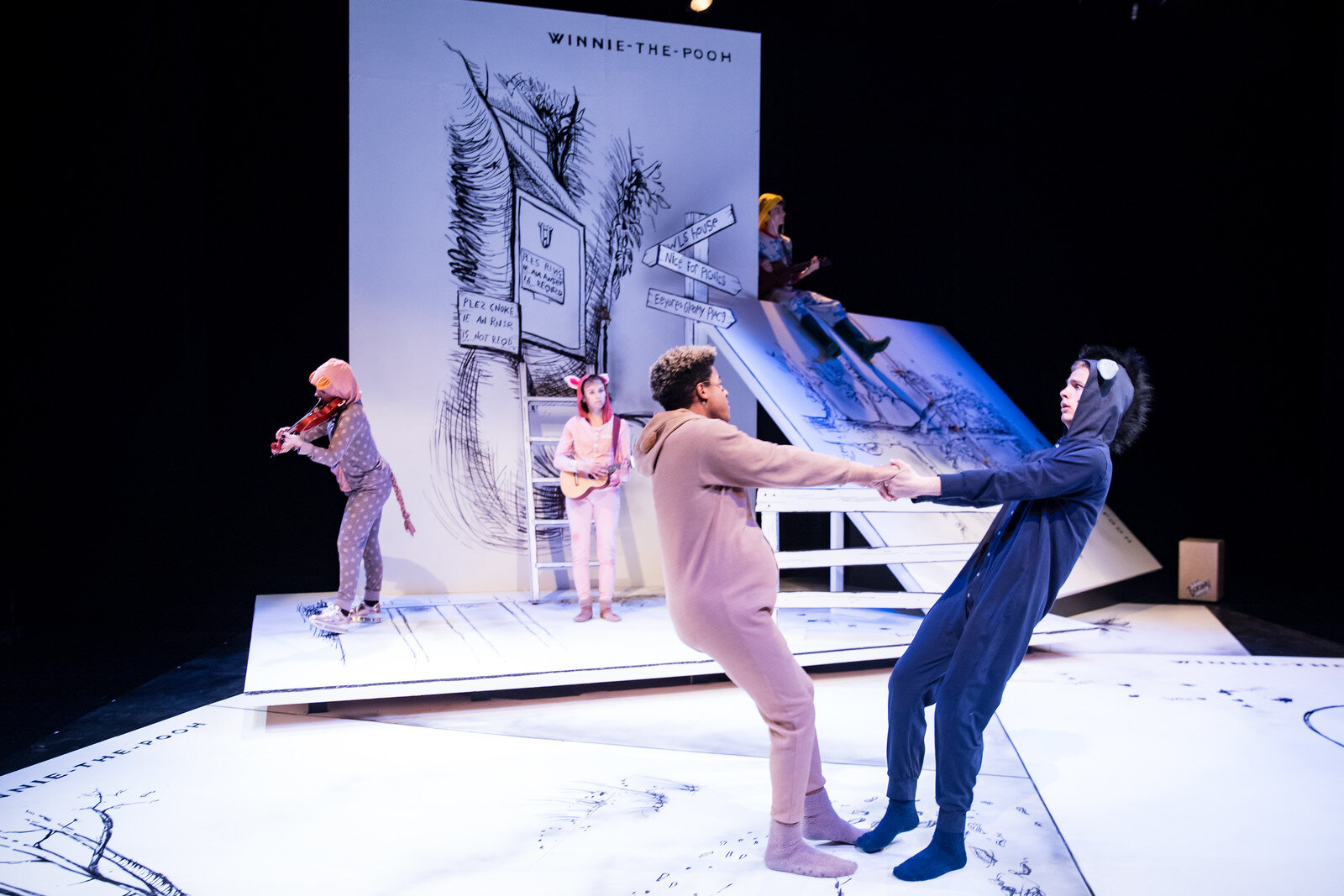
Directed by Nate Cohen. Choreographed by Tucker Tab DeGregory. Costume Design by Raquel Adorno. Lighting Design by Cas Lynn Pent. Scenic Design by Scott Penner. Photos by Justin Barbin Photography.
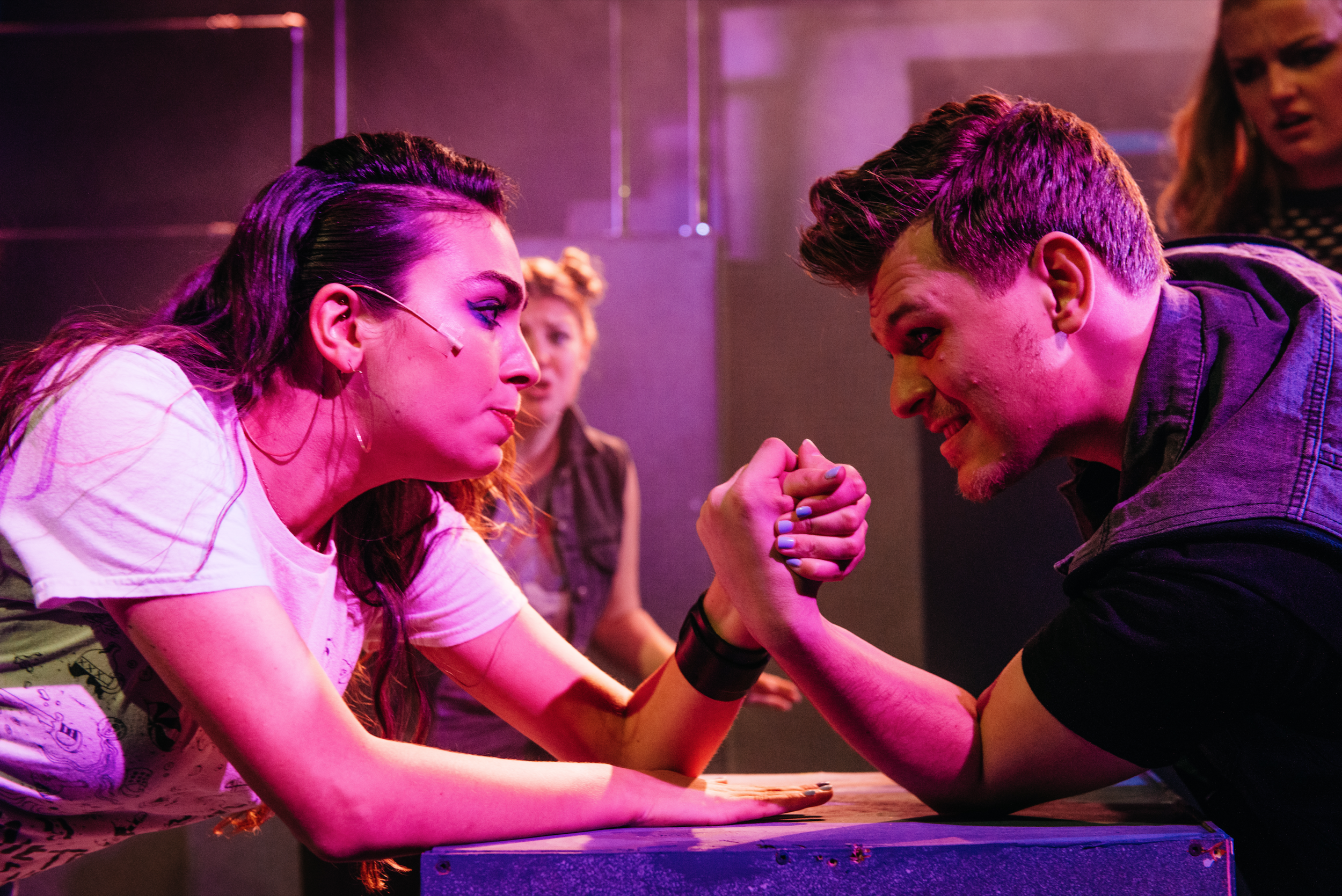
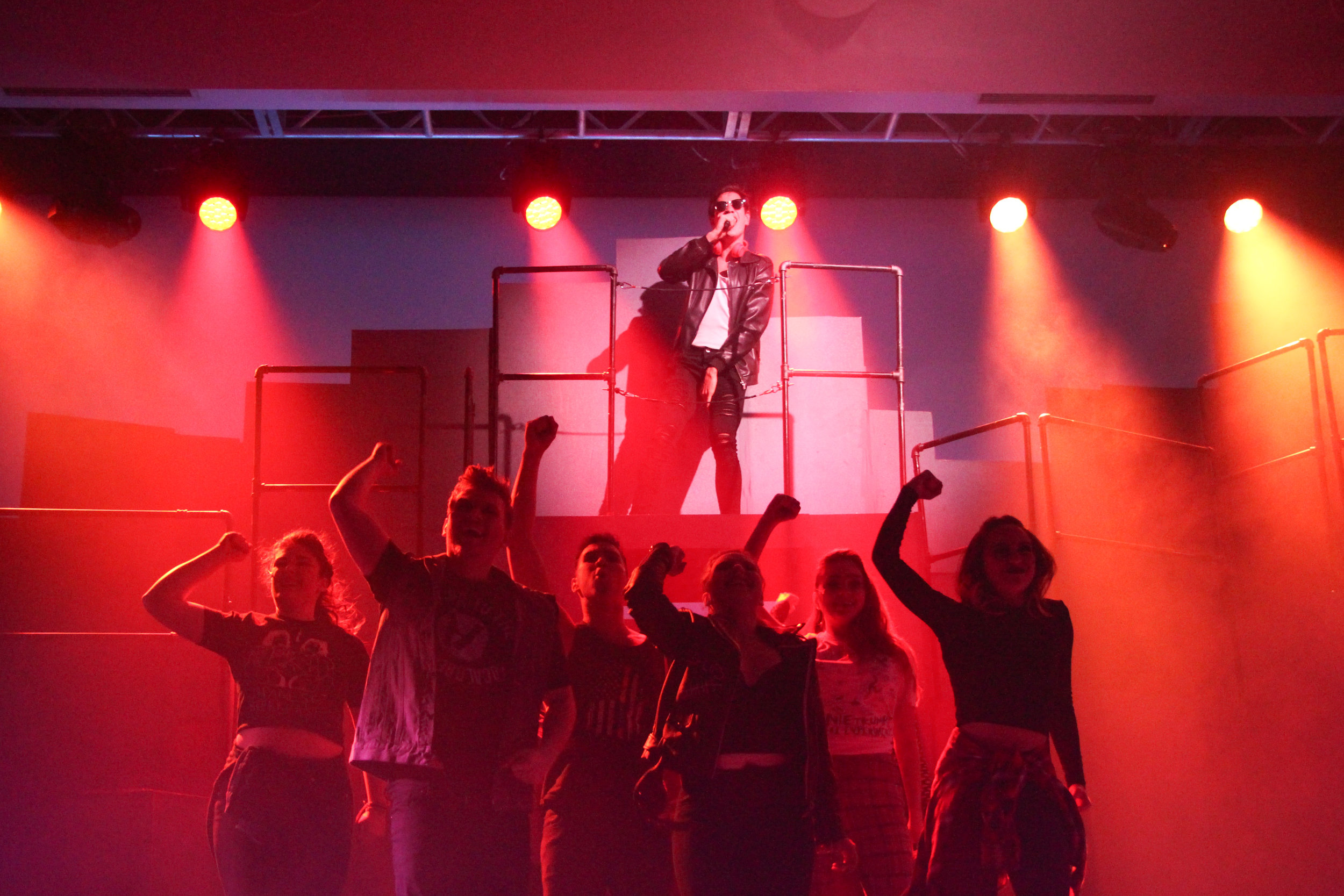
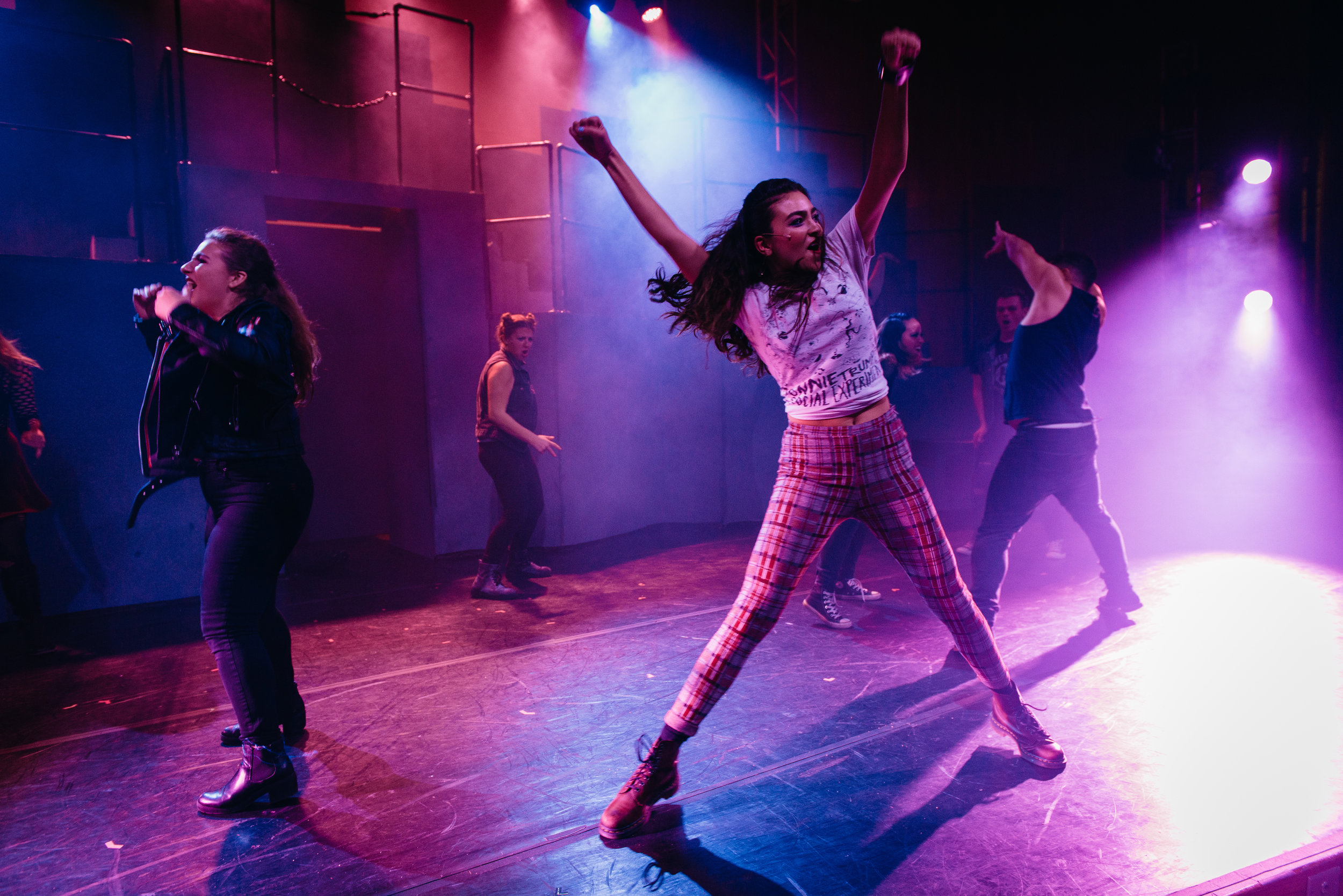
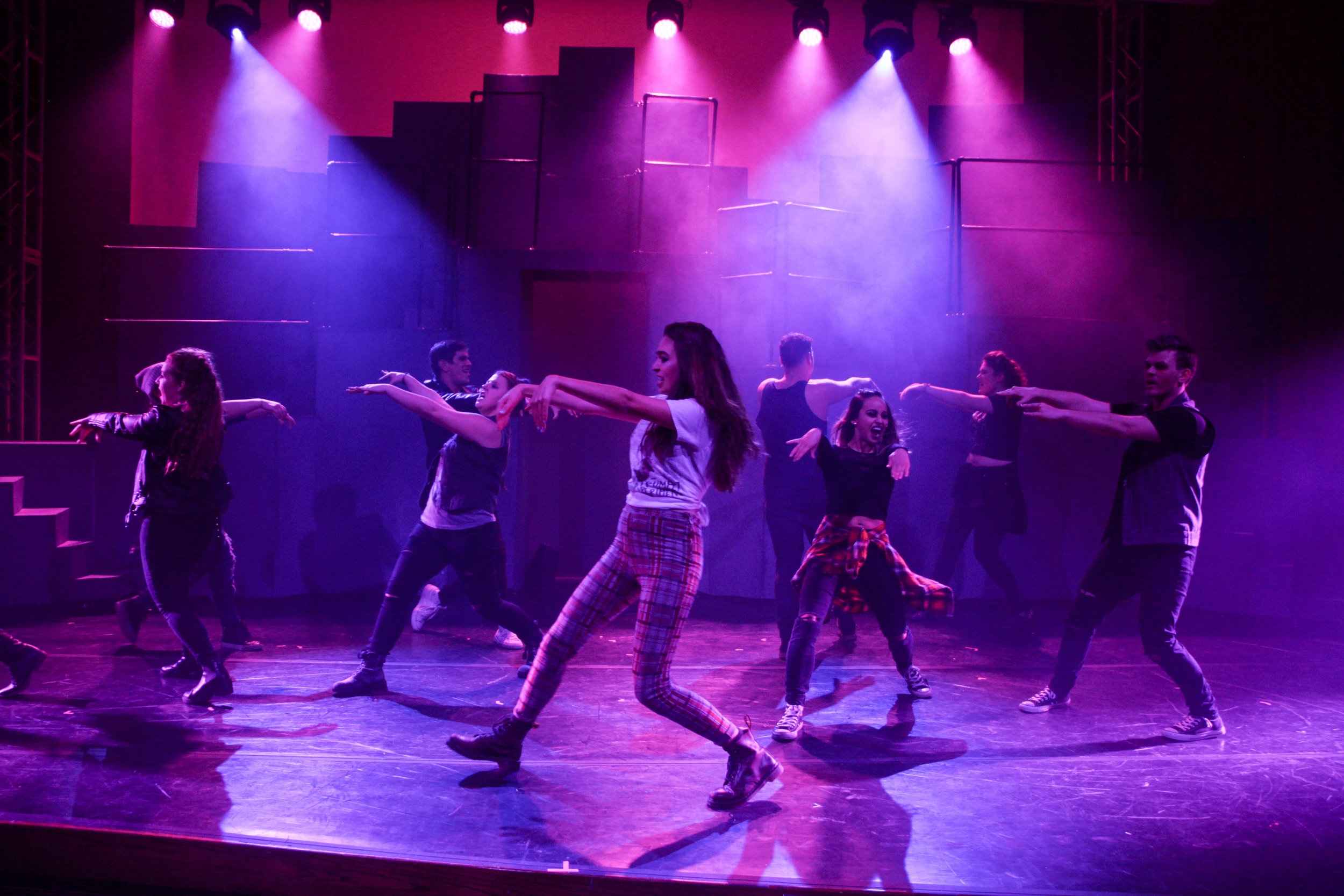
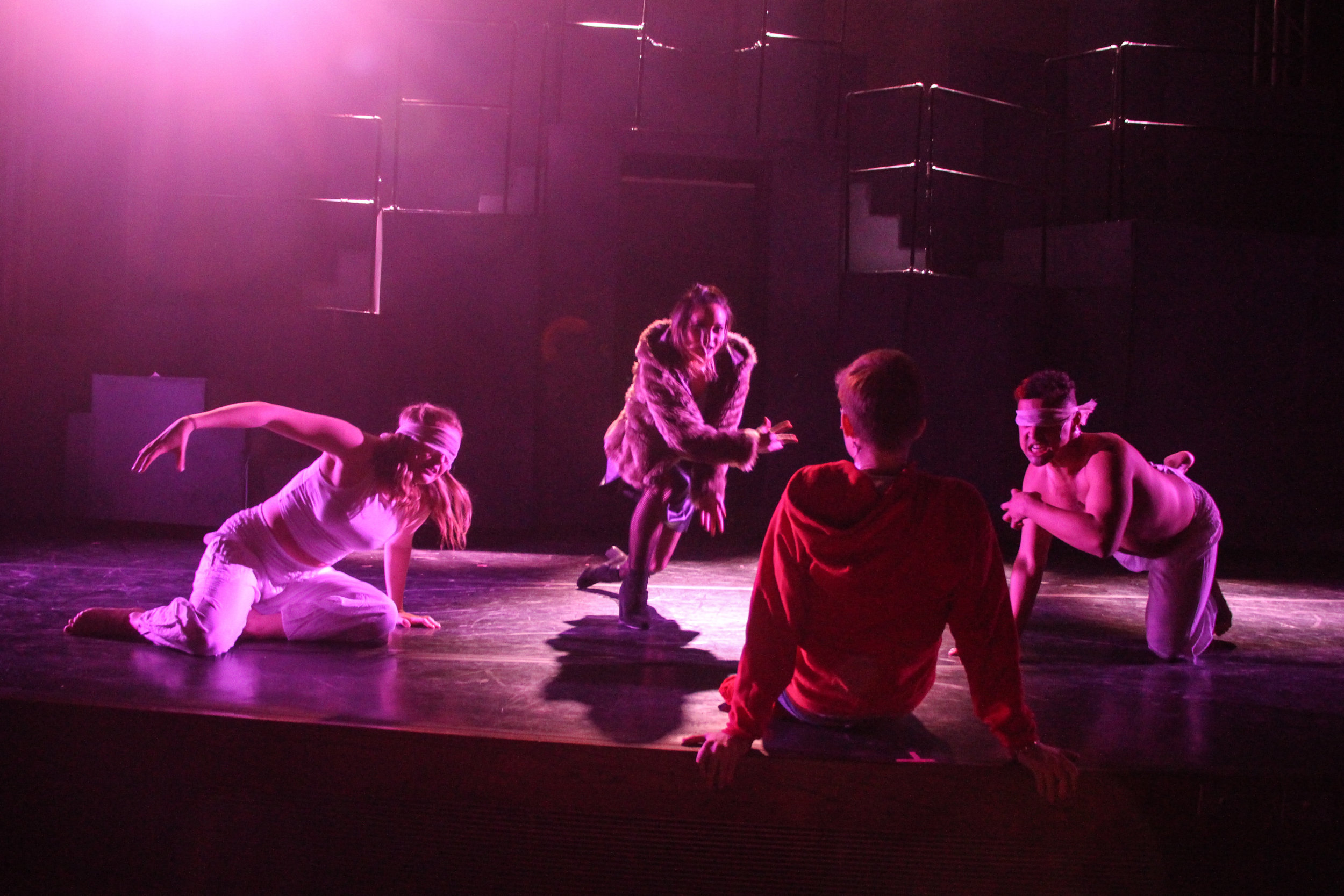
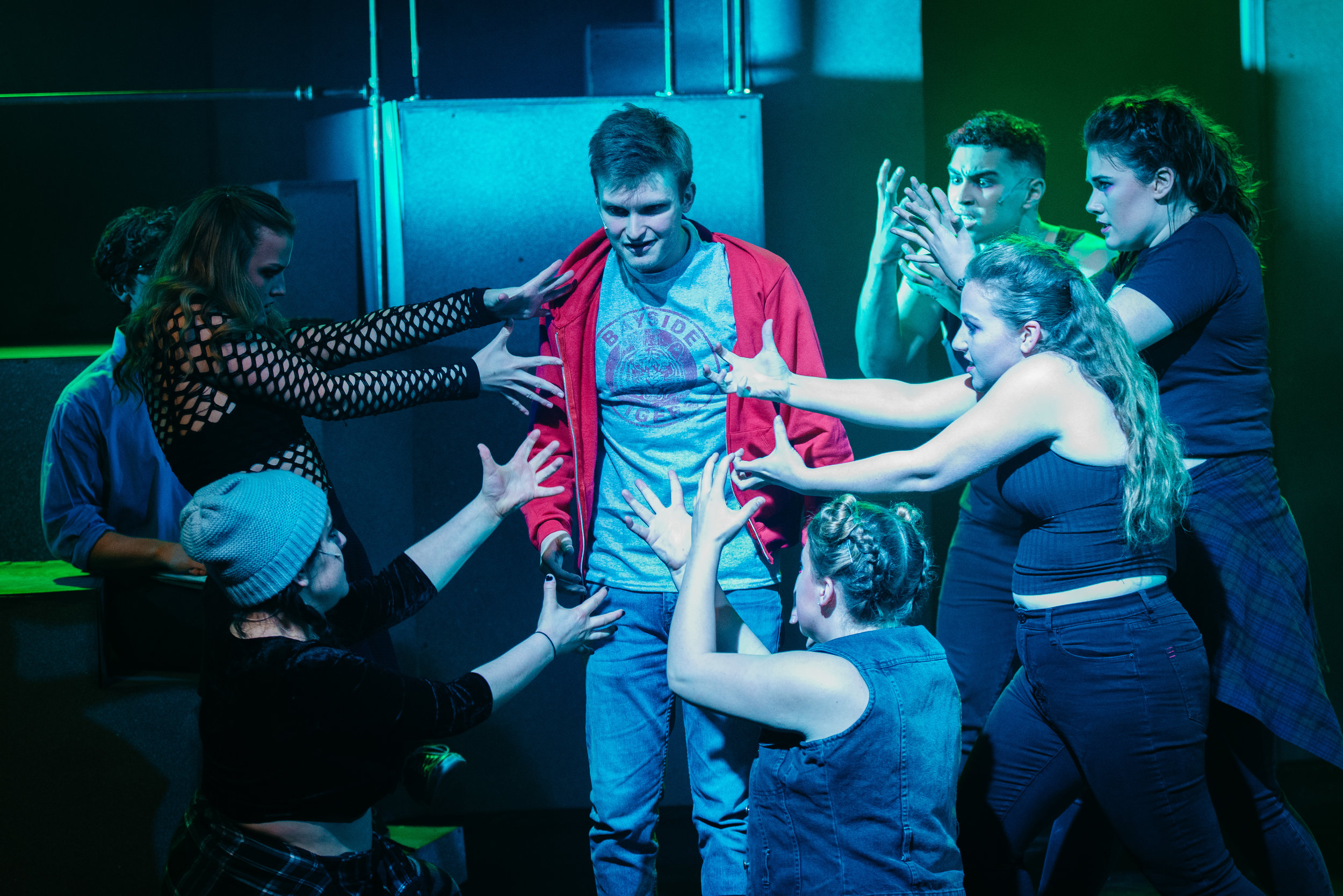
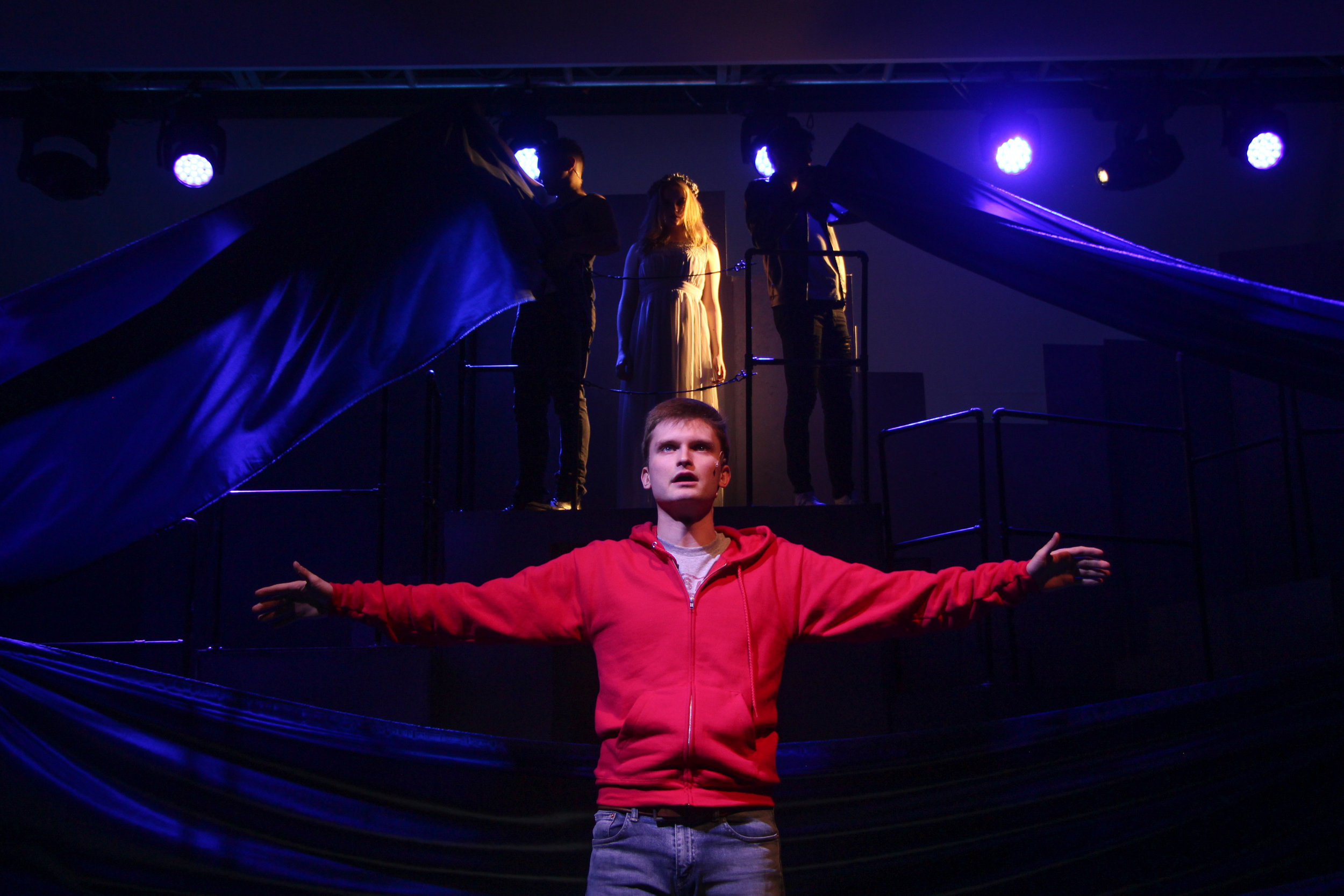
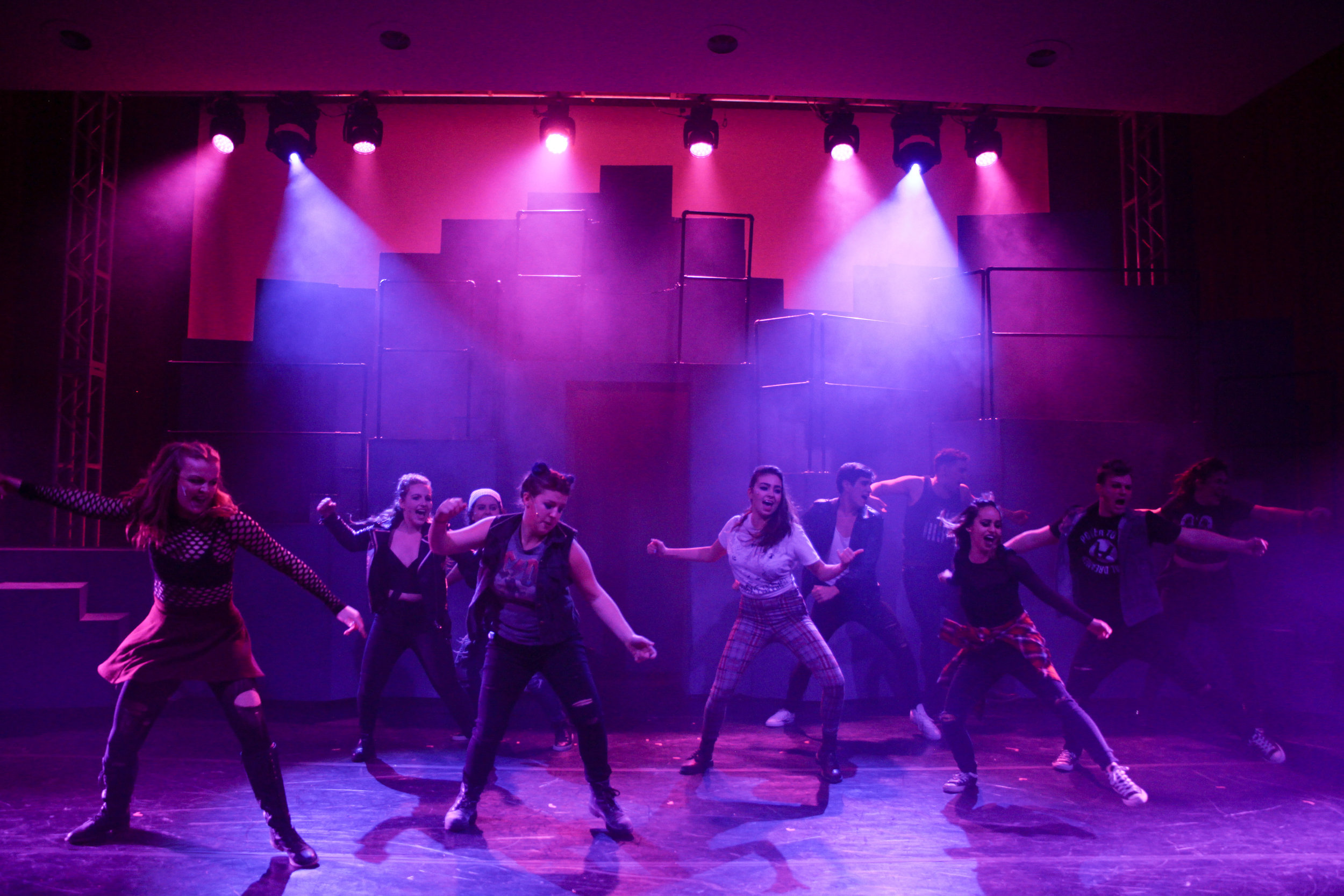
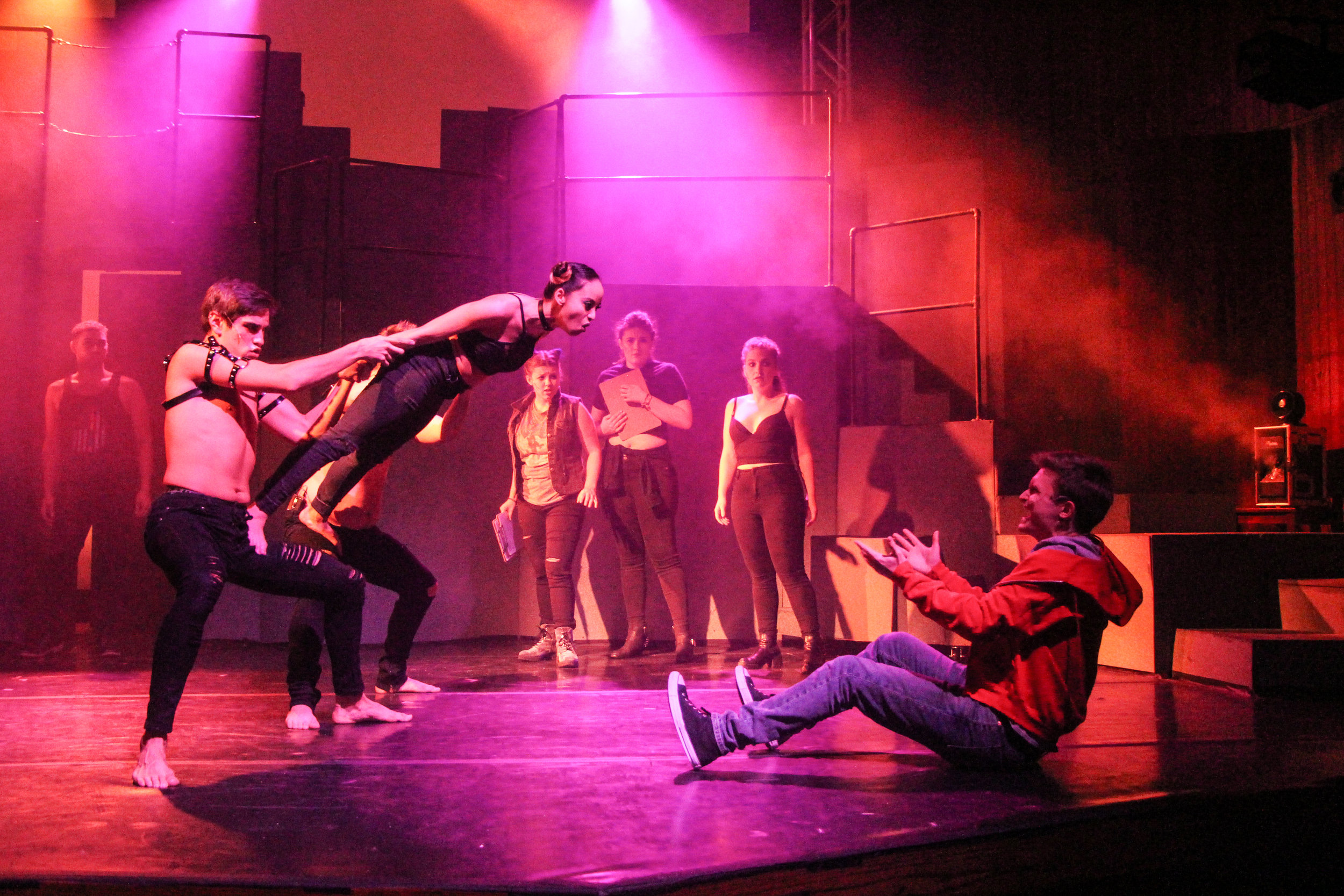
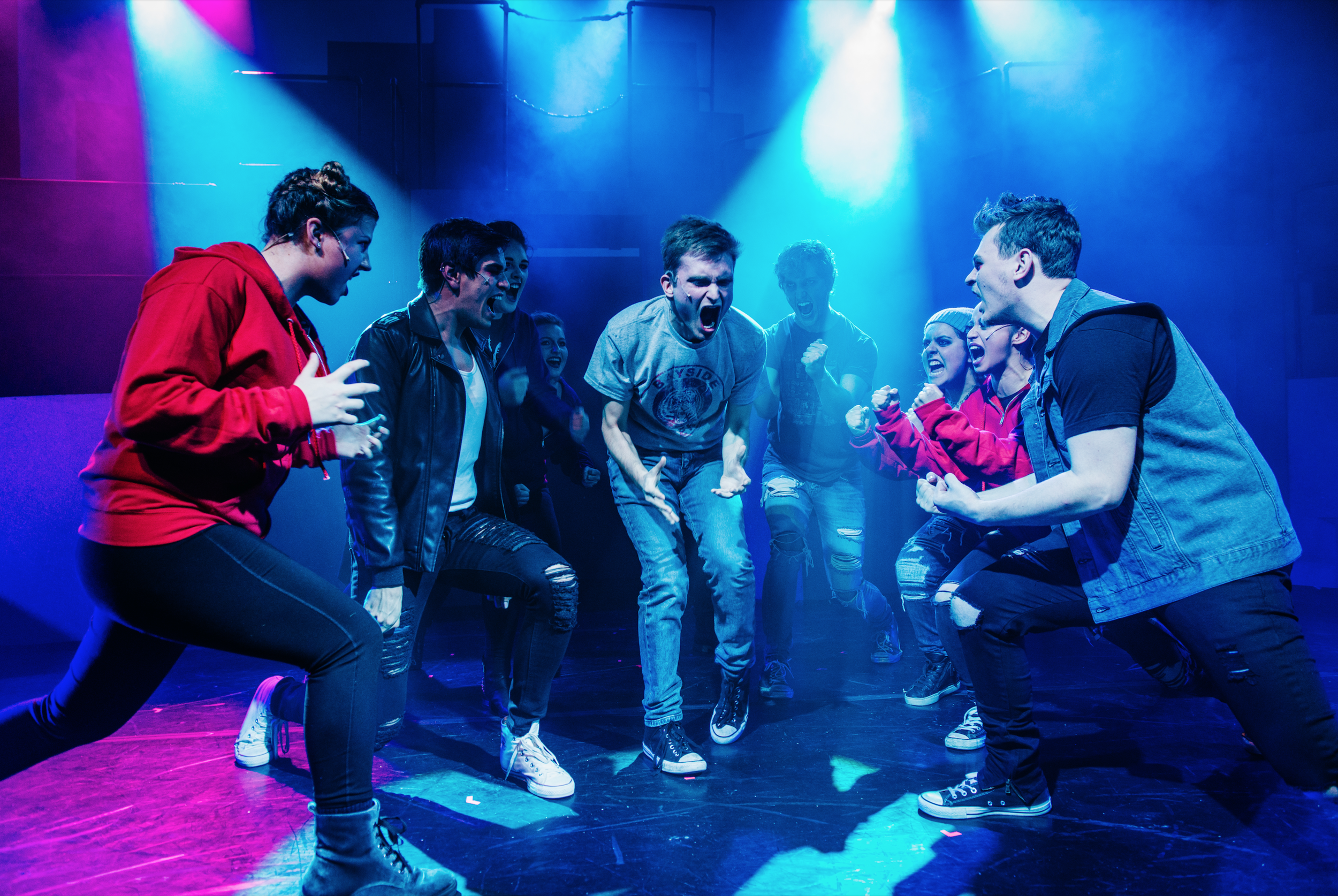
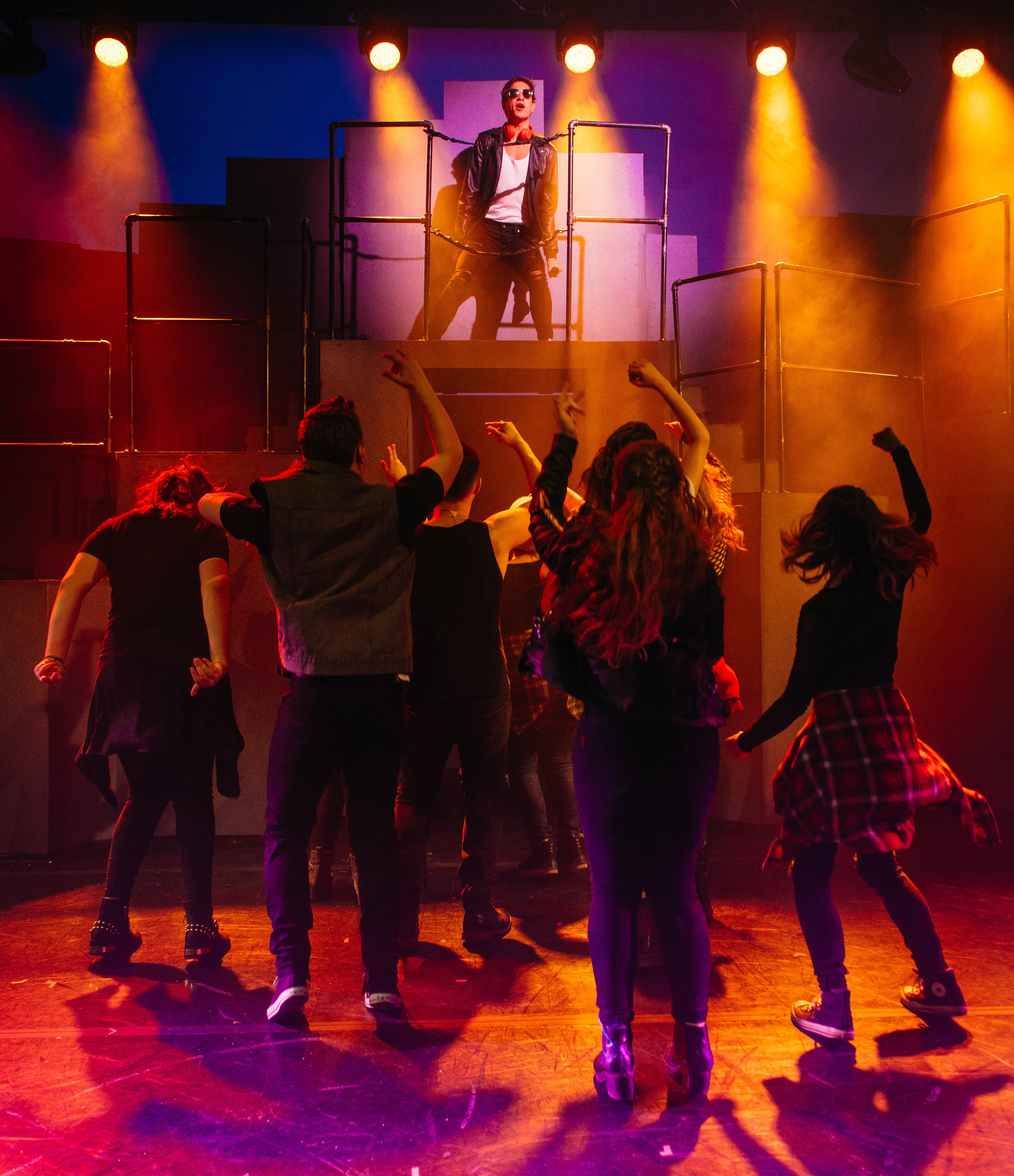
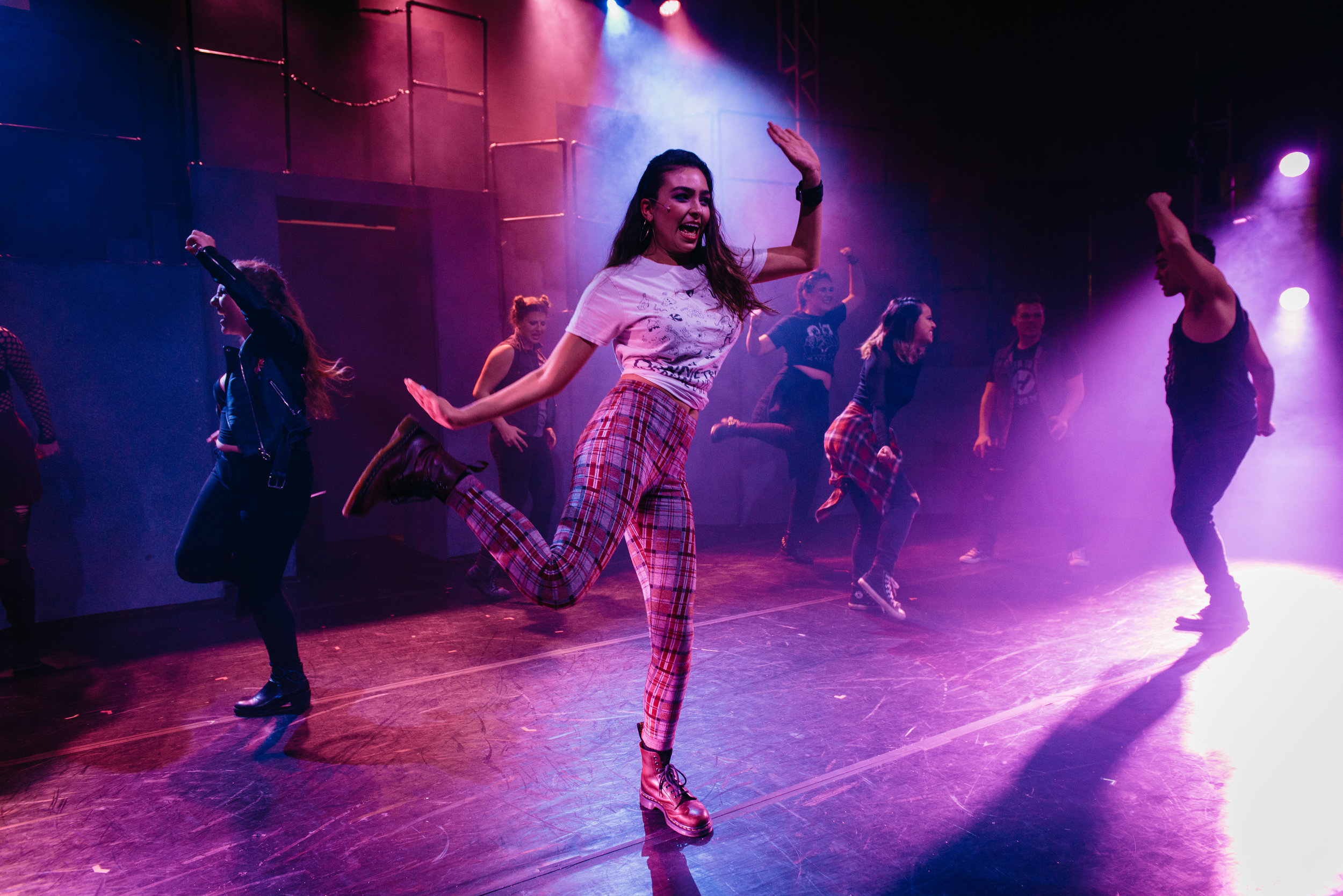
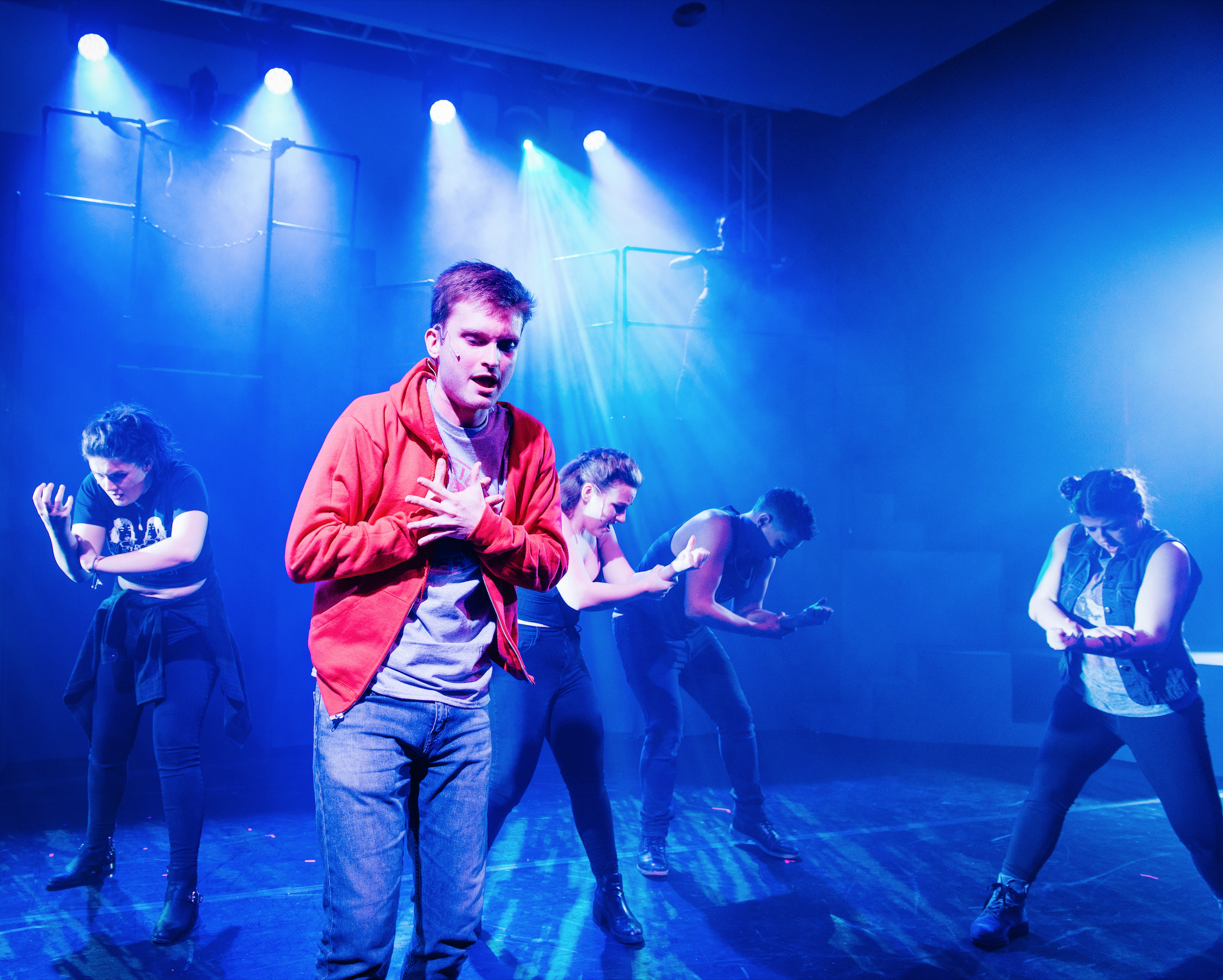
Directed by Noah Watkins. Choreographed by Tucker Tab DeGregory. Photos by Noah Frick-Alofs.
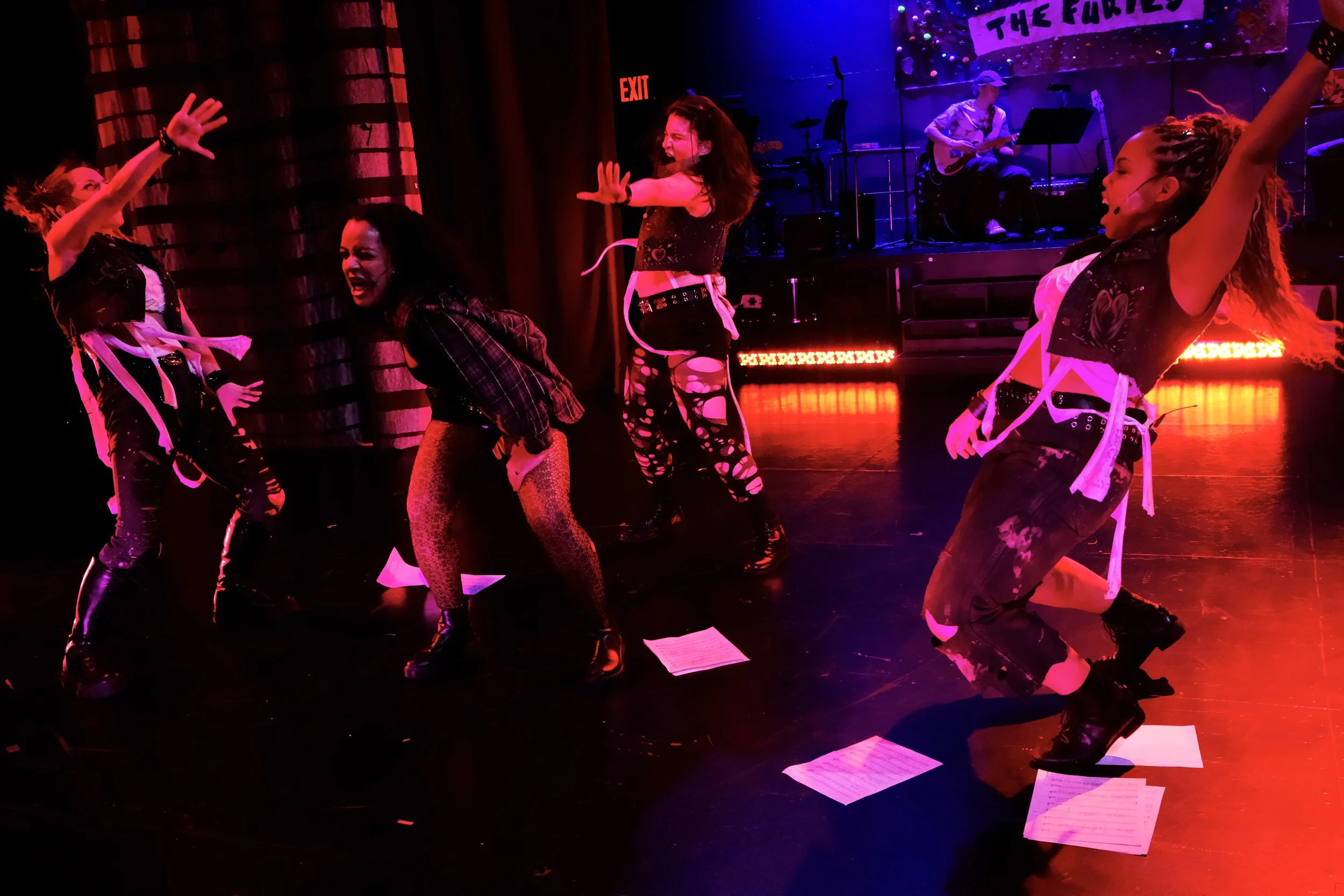
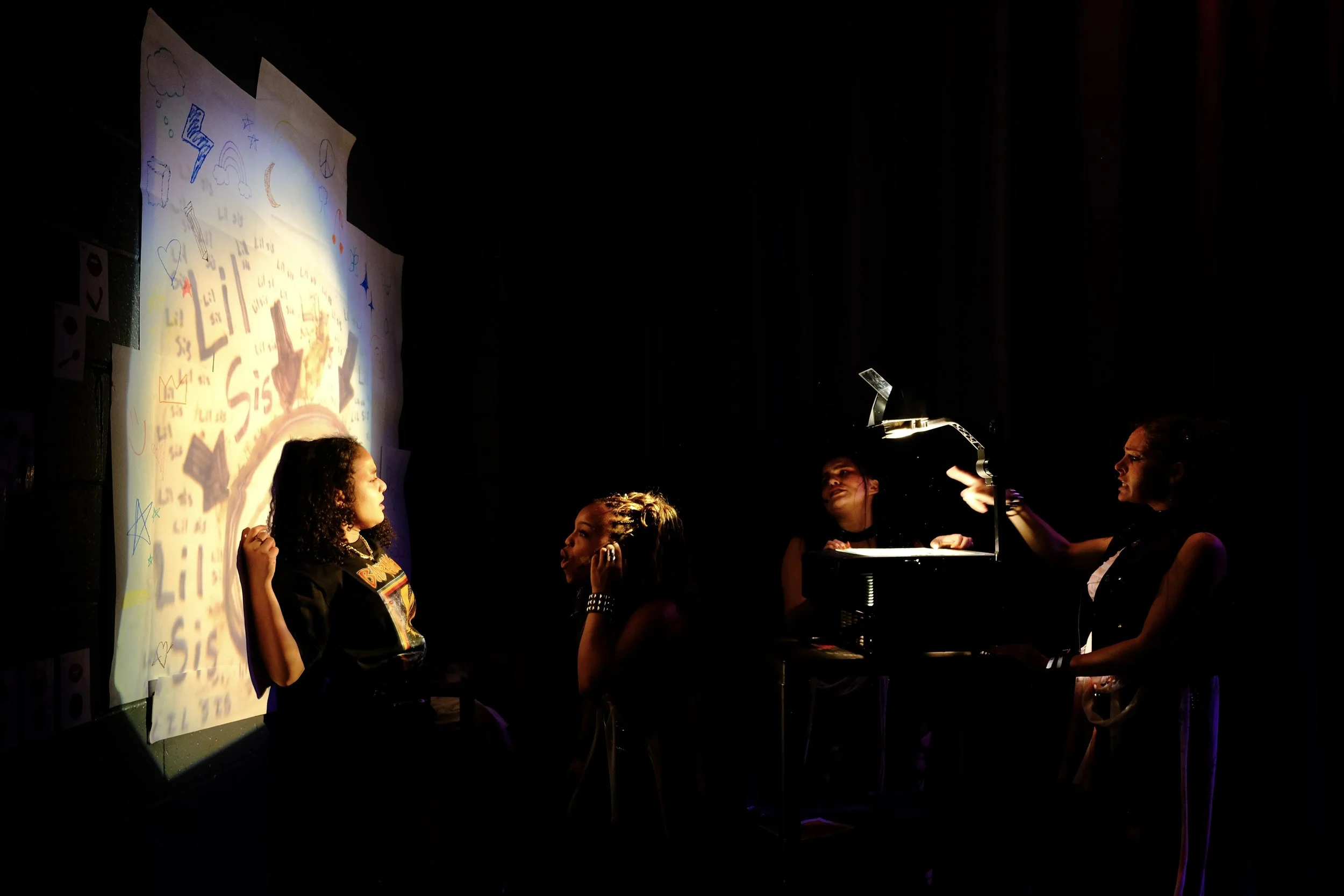
“The choreography also goes beyond traditional musical theatre norms. Communication sophomore Tucker DeGregory said the choreography is less about structure and form, and is driven more by character. He said he drew on his personal background in hip hop and street dance to bring hard-hitting punk rock movement to the stage.
’Something that’s important to me with this show is to have the audience feel kinesthetic empathy, to feel like they want to get out of their seats and jump up and jive with us like they’re at a concert, or at a club,’ DeGregory said.”
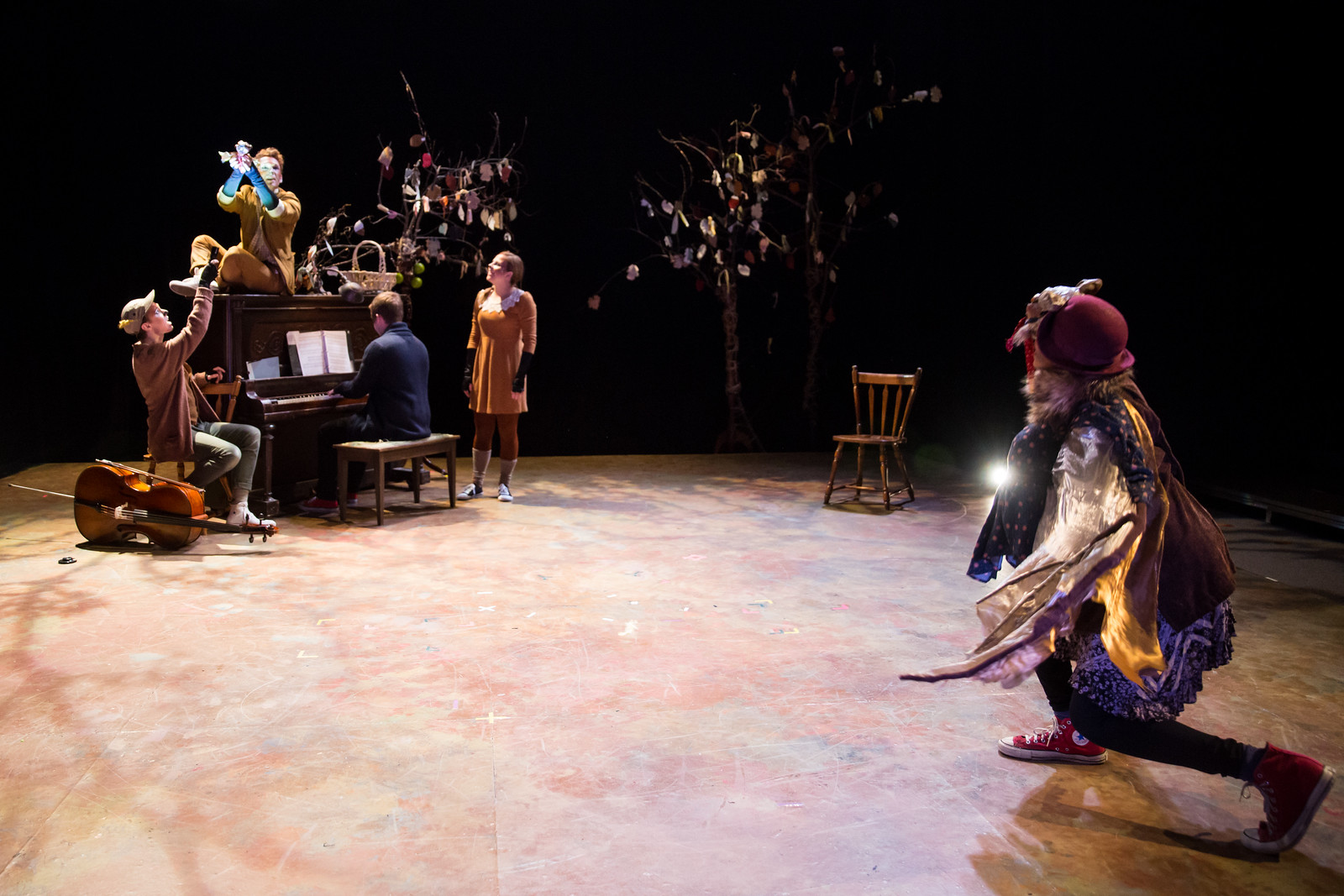
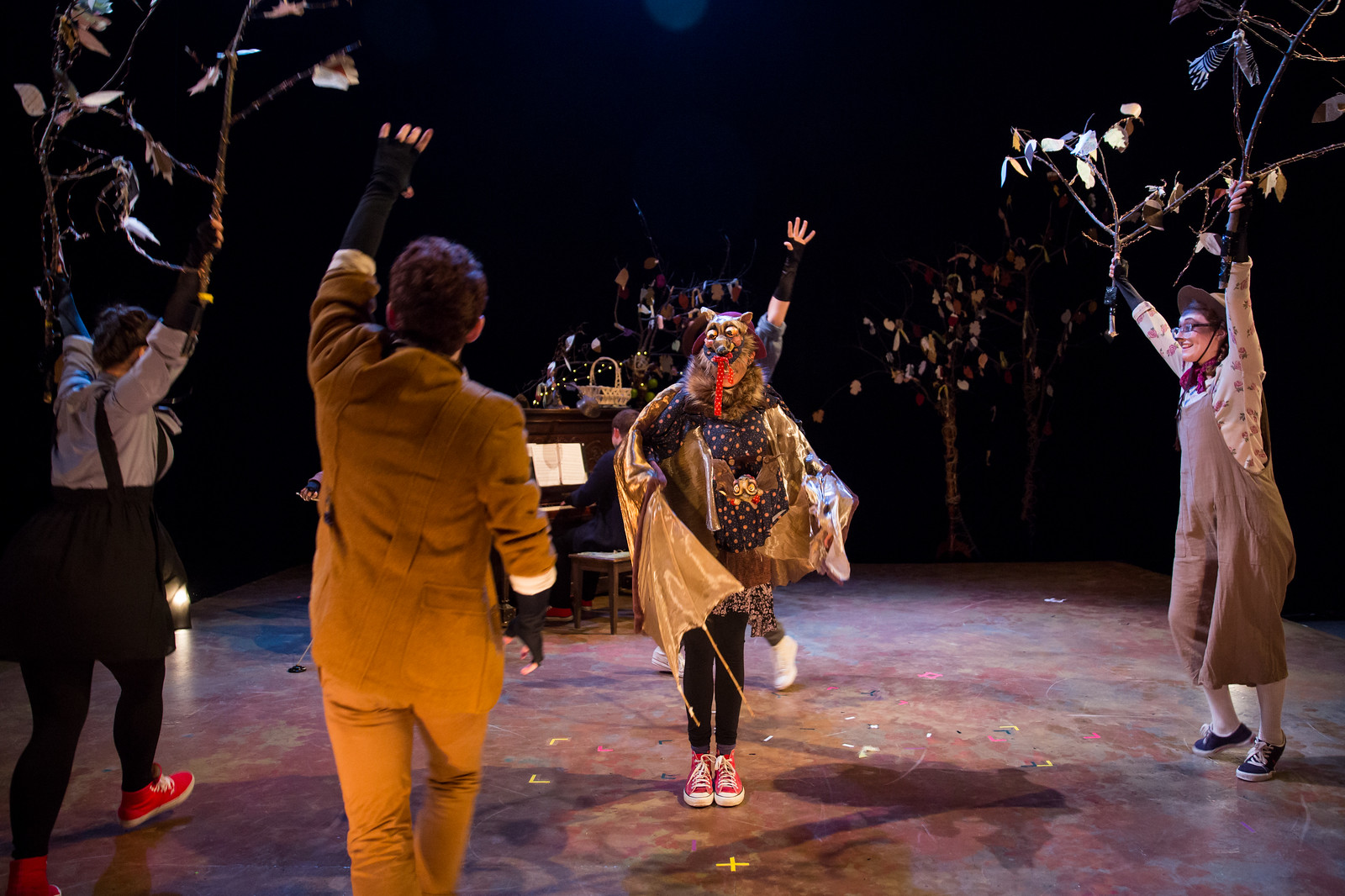
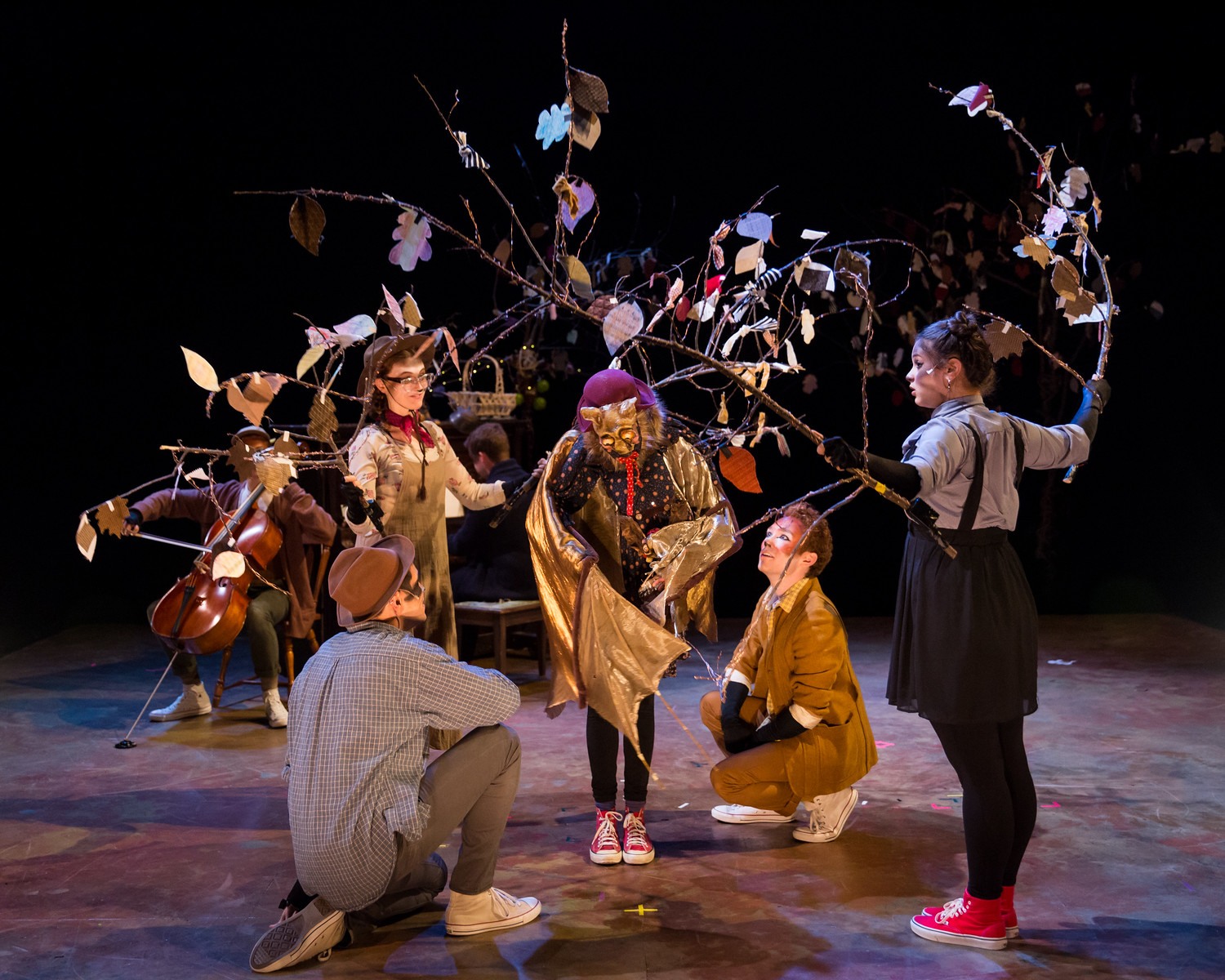
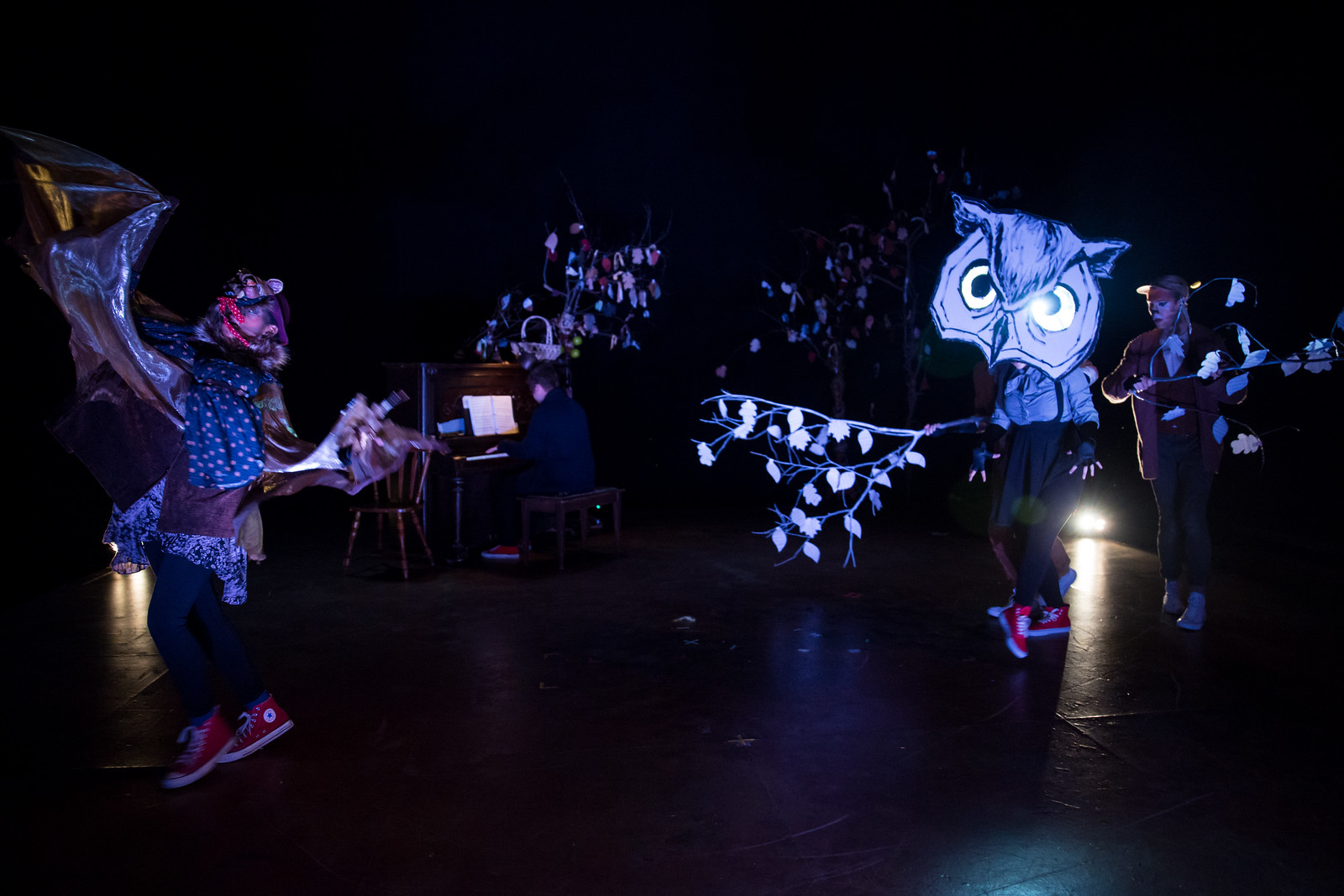
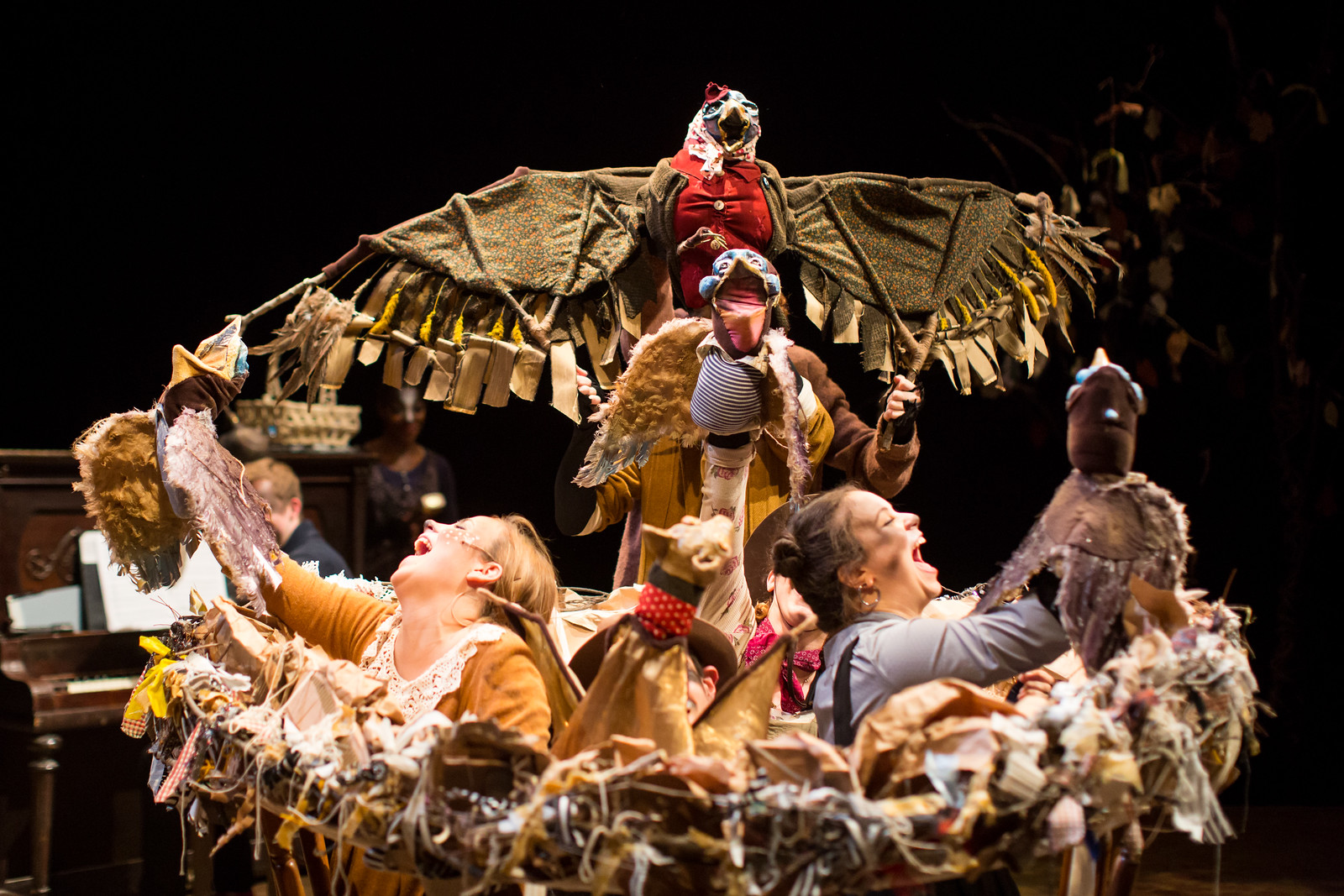
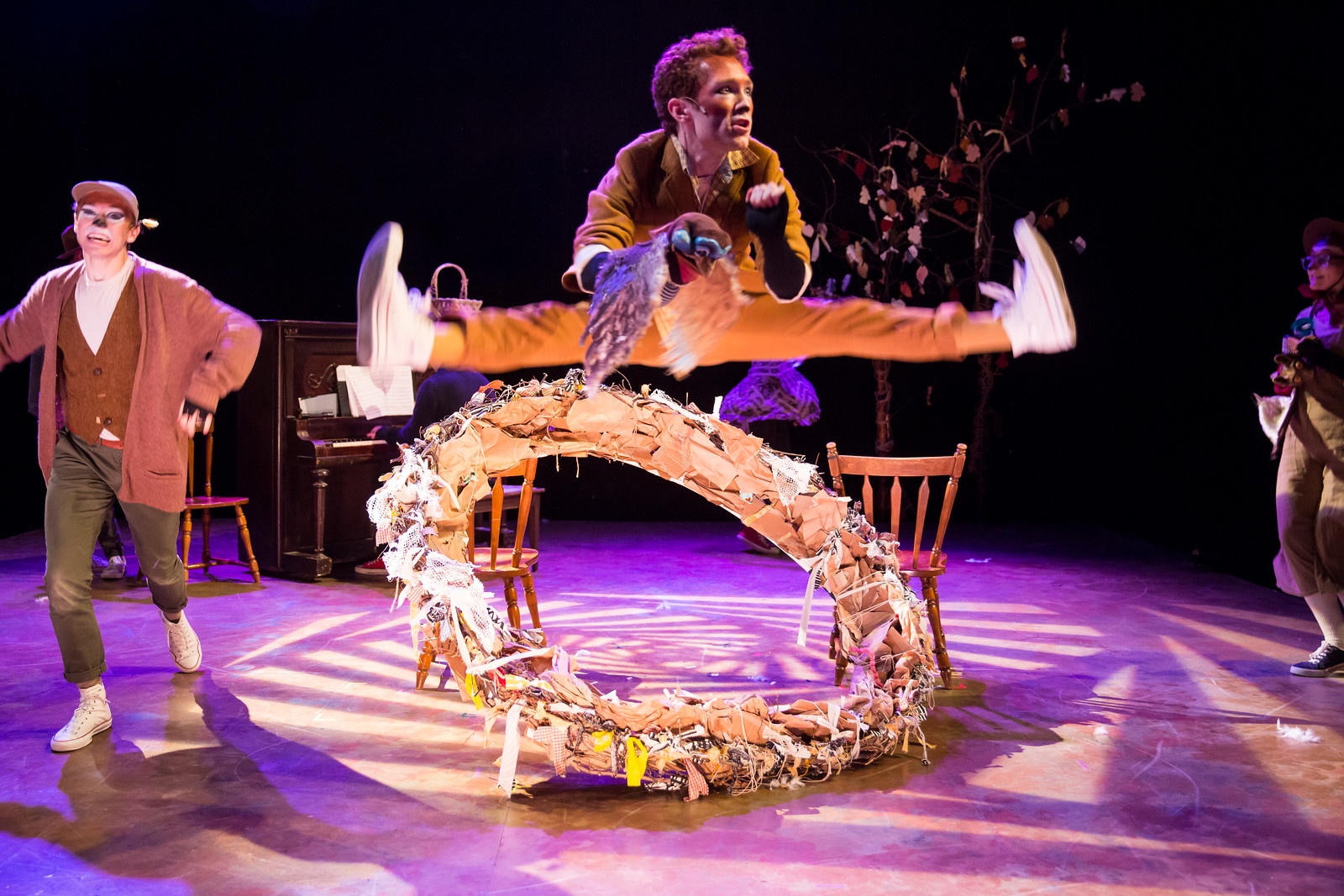
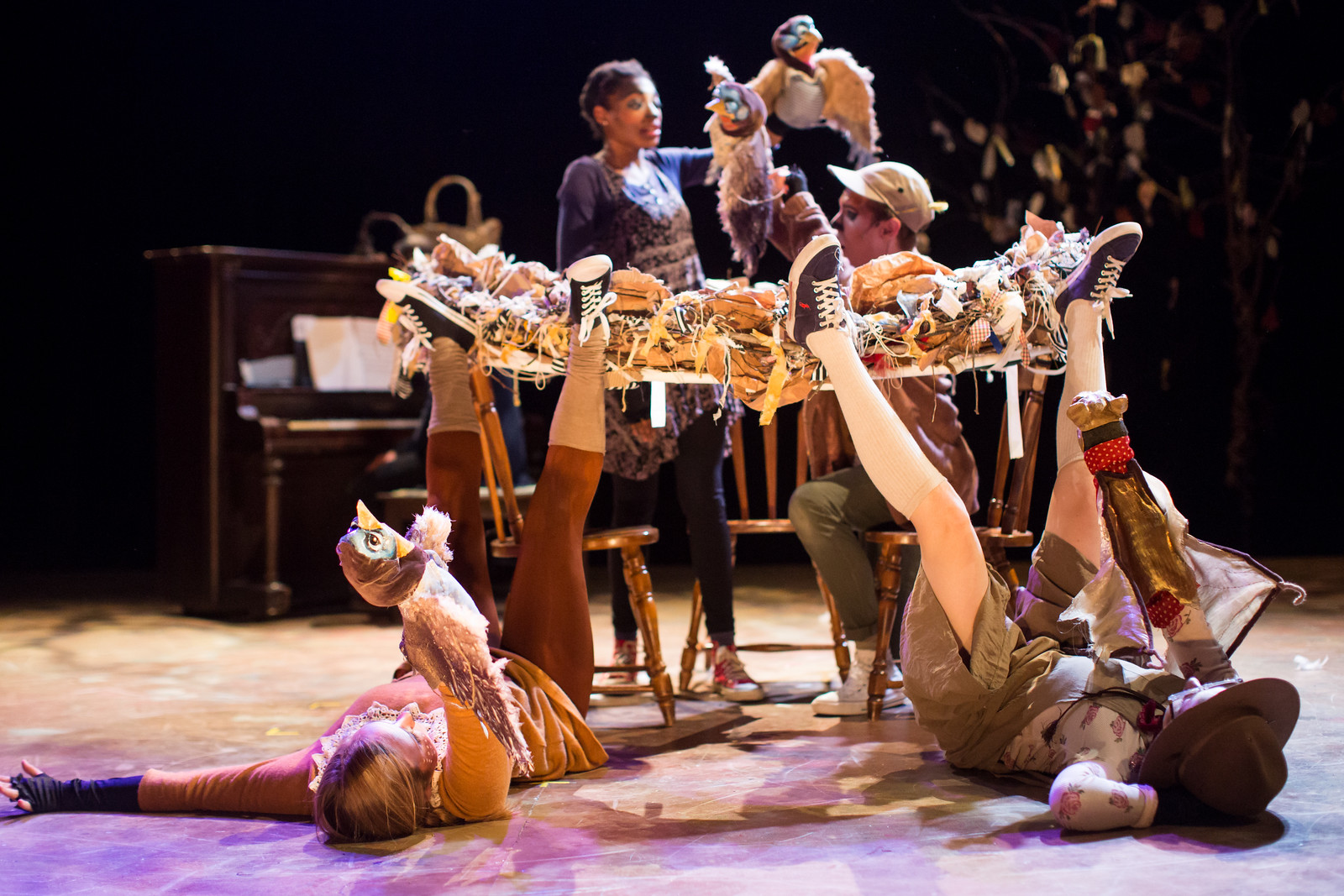
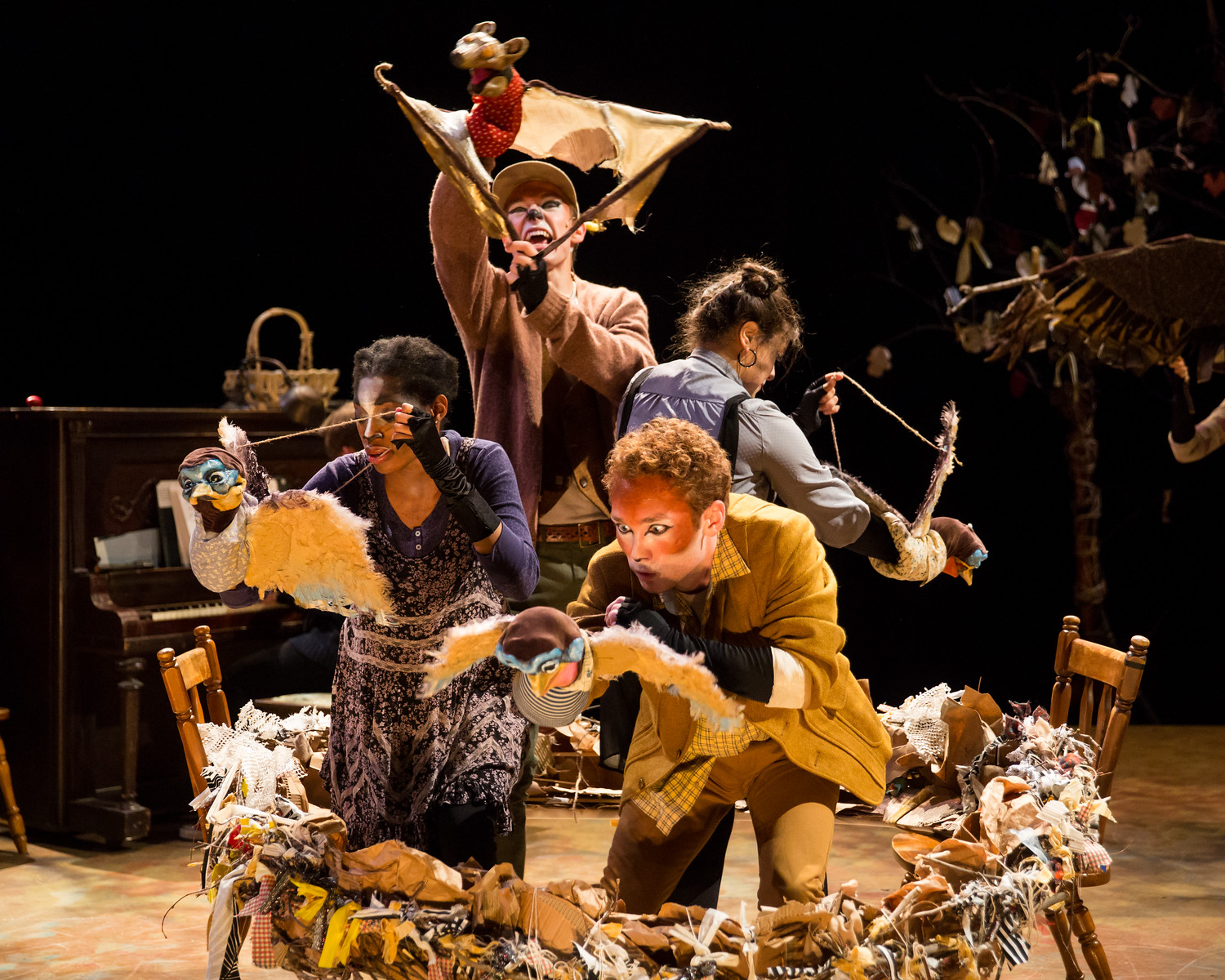
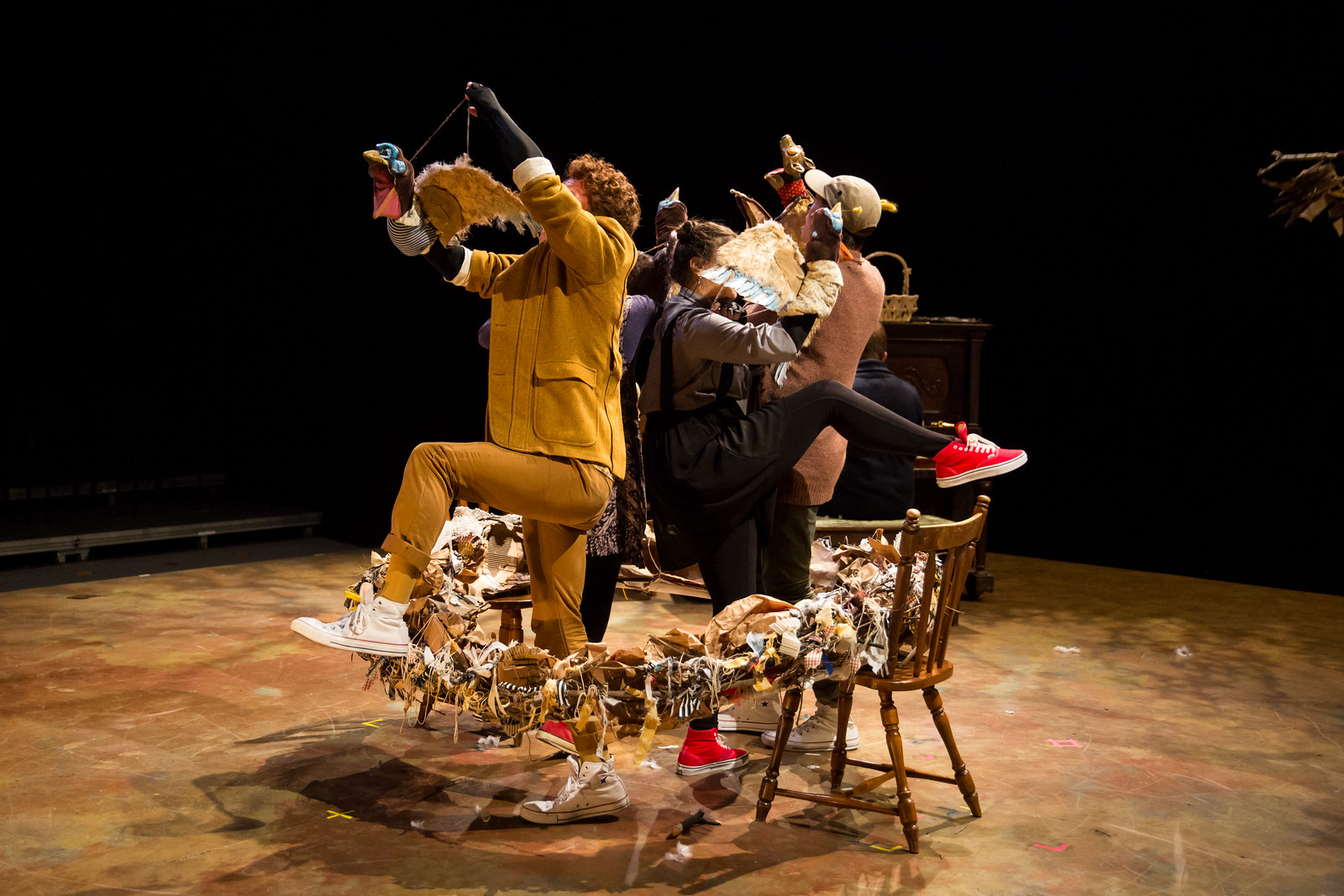
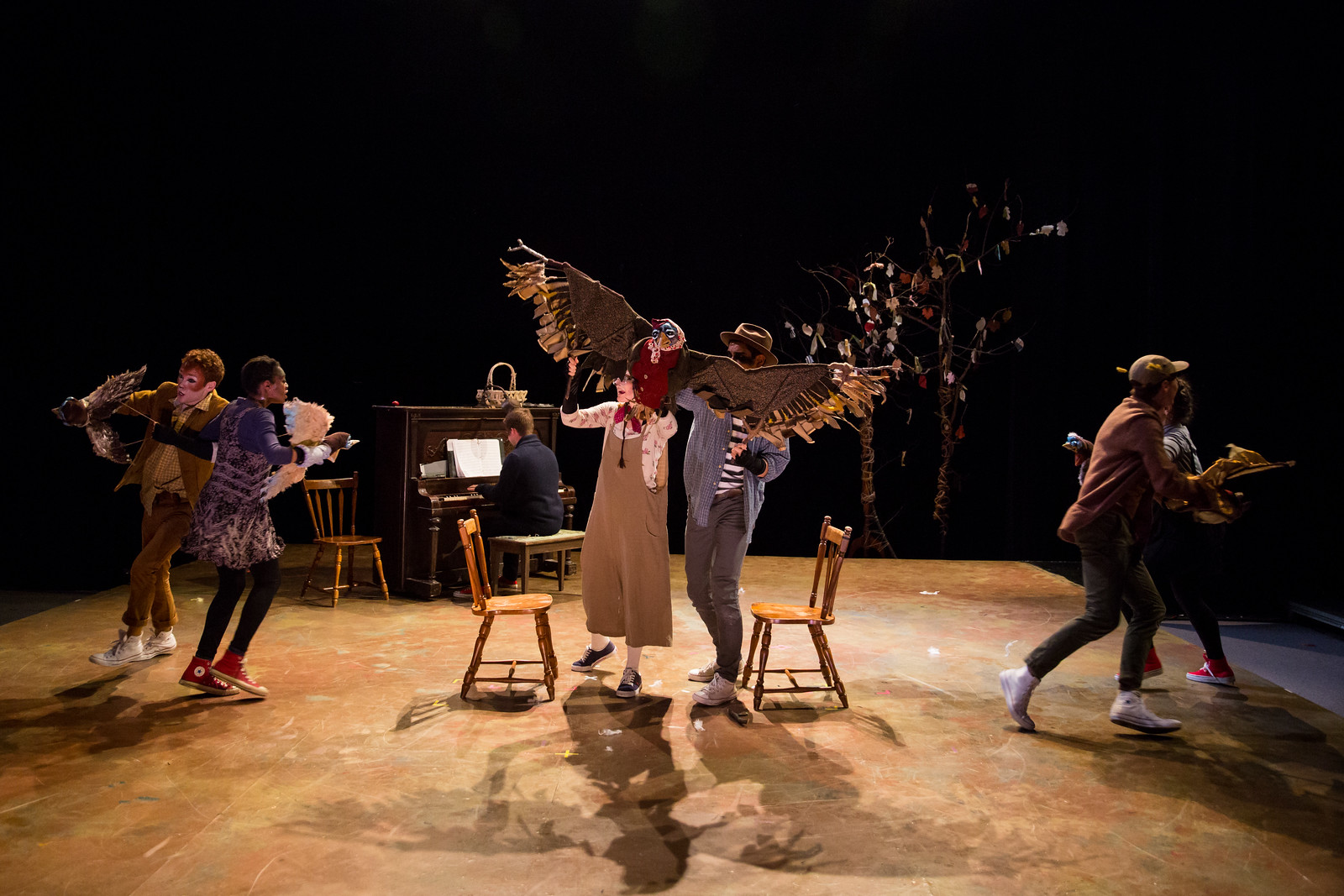
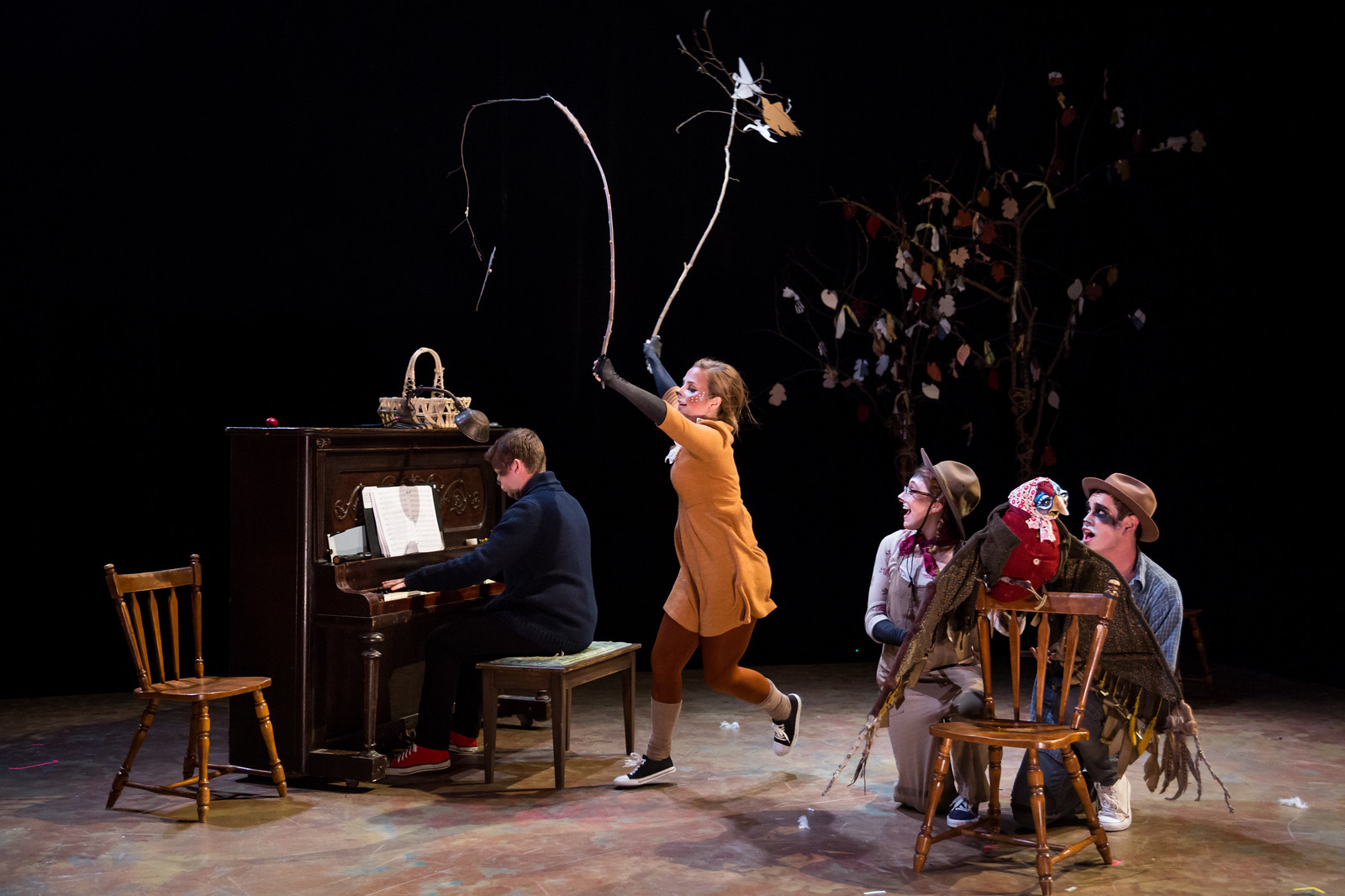
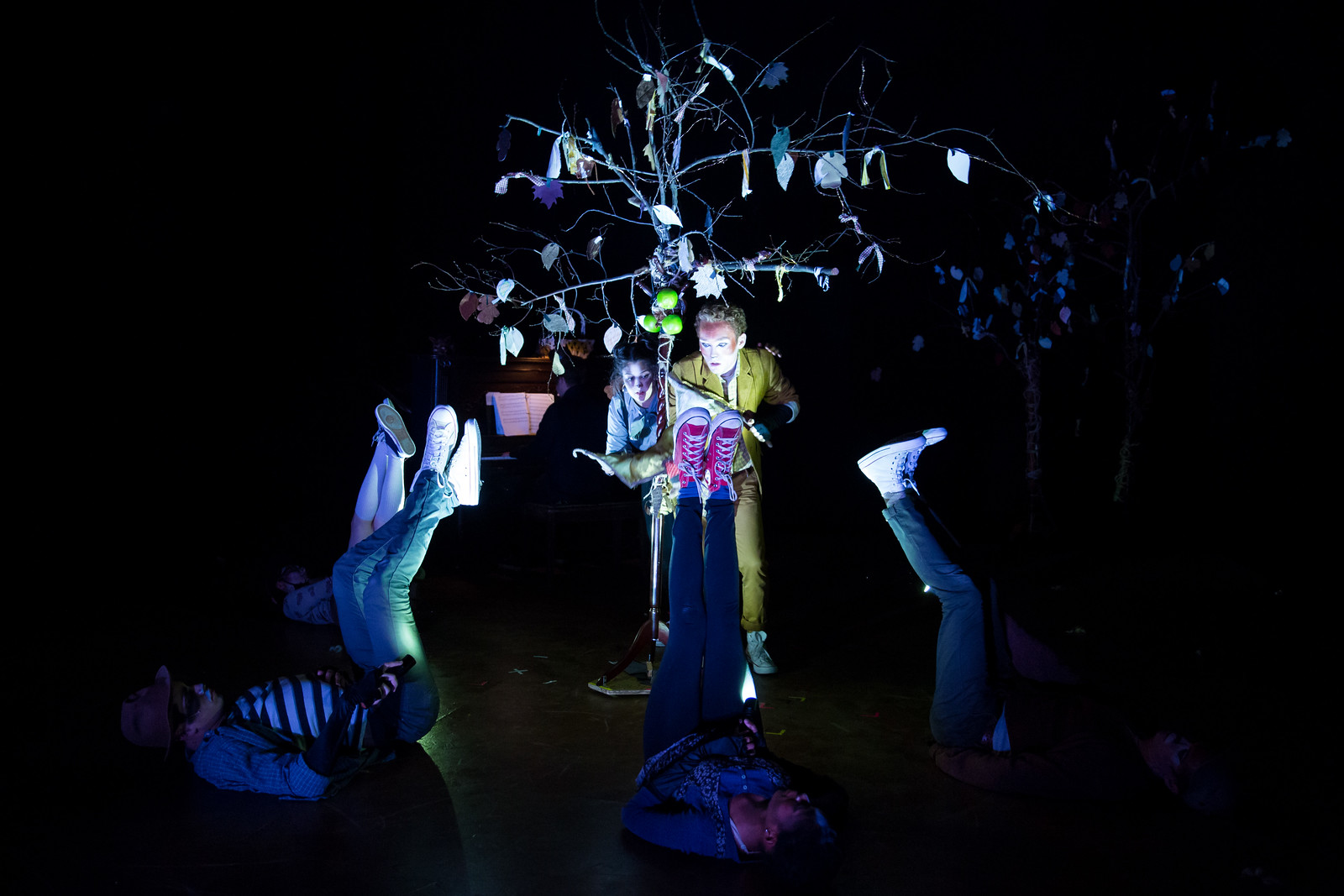
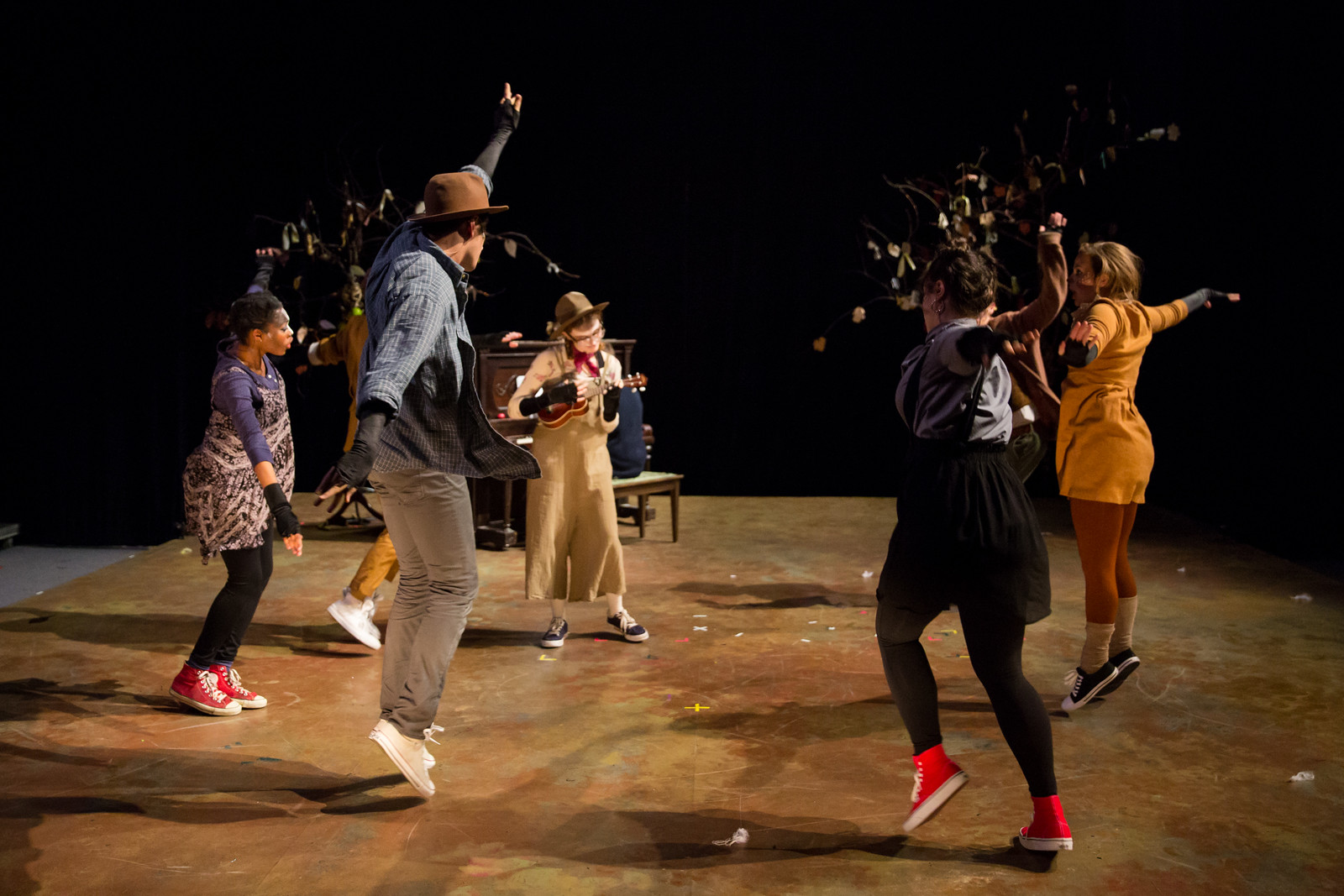
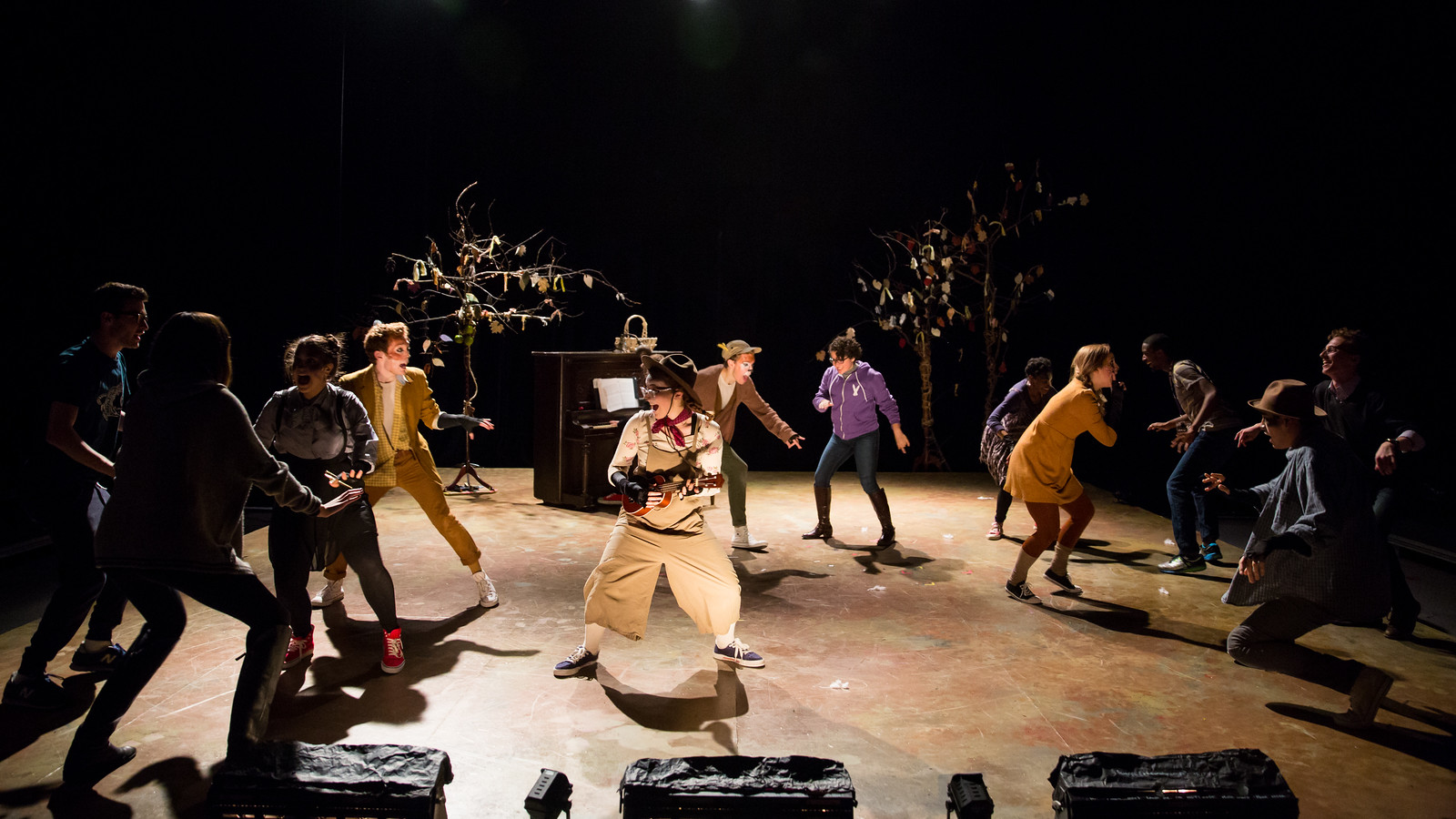
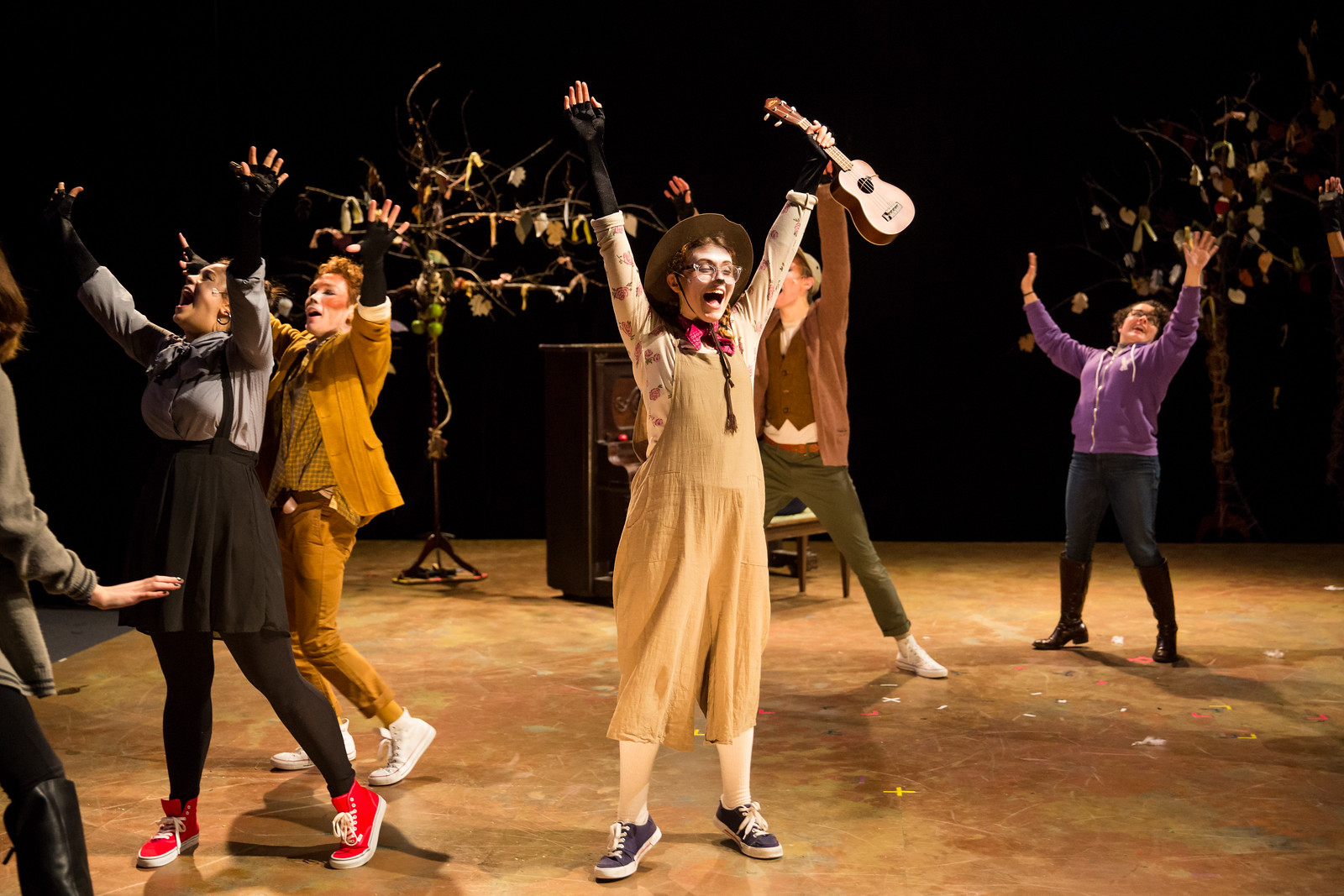
Directed by Caitlin Lowans. Choreographed by Tucker Tab DeGregory. Costume Design by Sully Ratke. Lighting Design by Sara Gosses. Scenic Design by Marley Smith. Photos by Justin Barbin Photography.
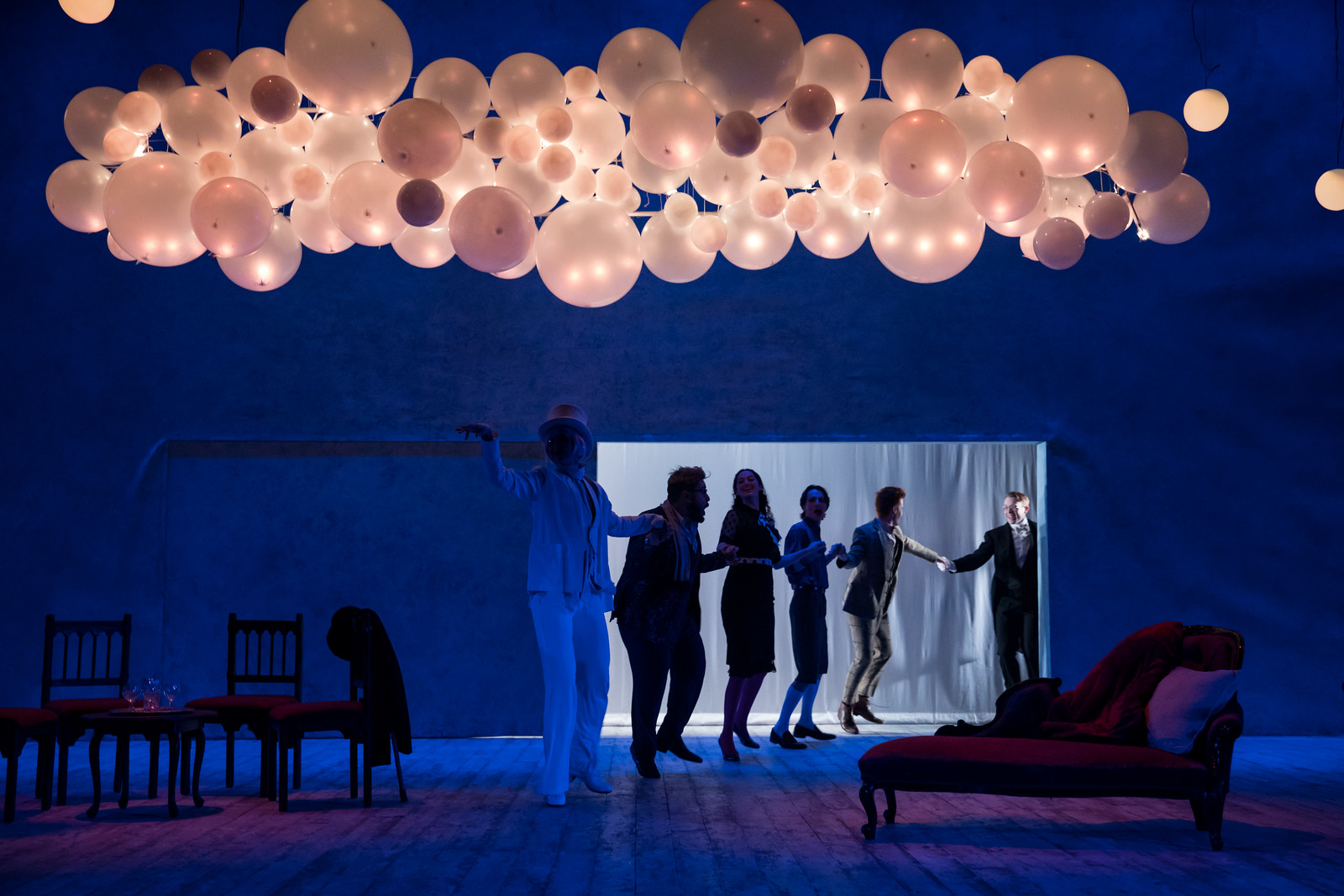
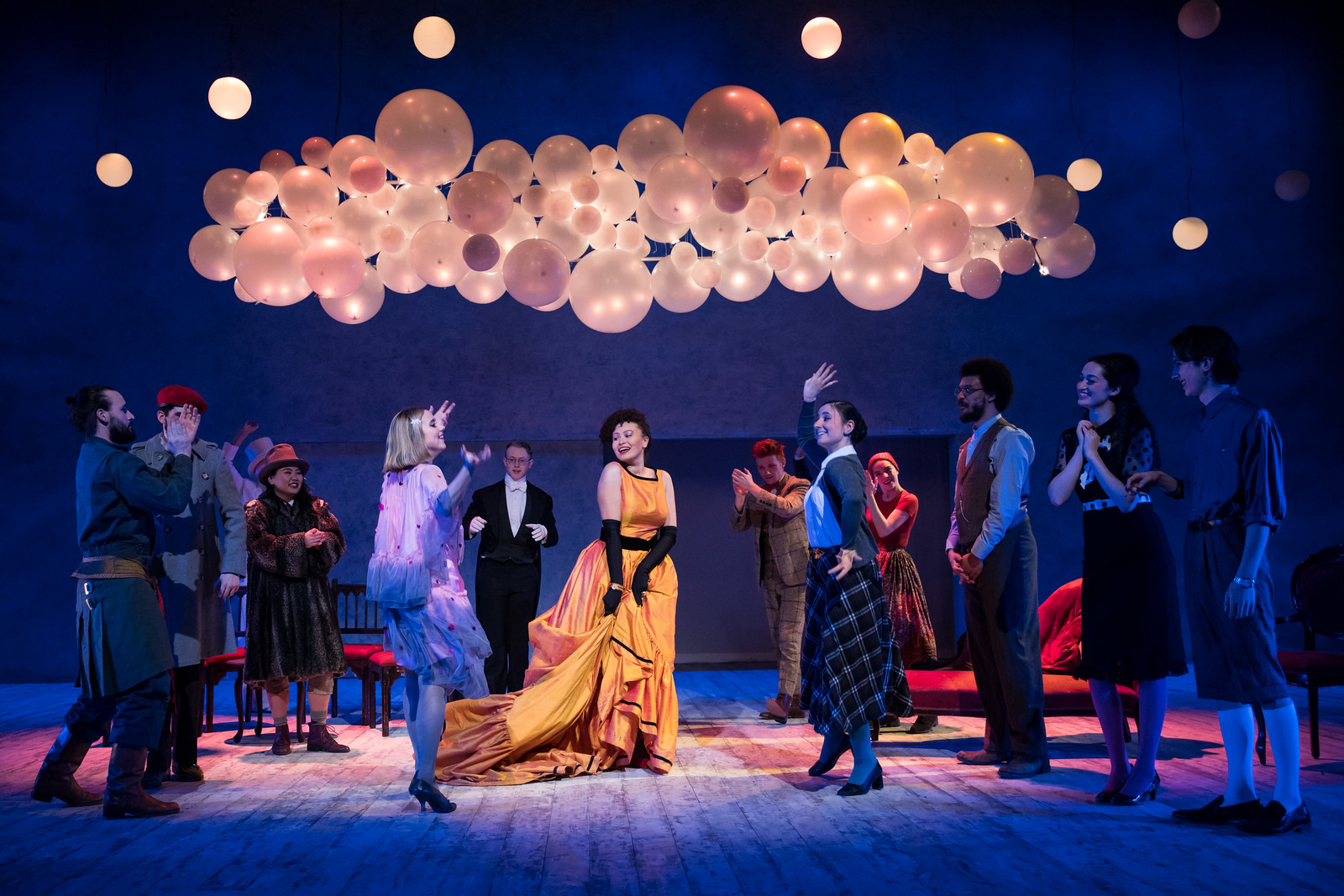
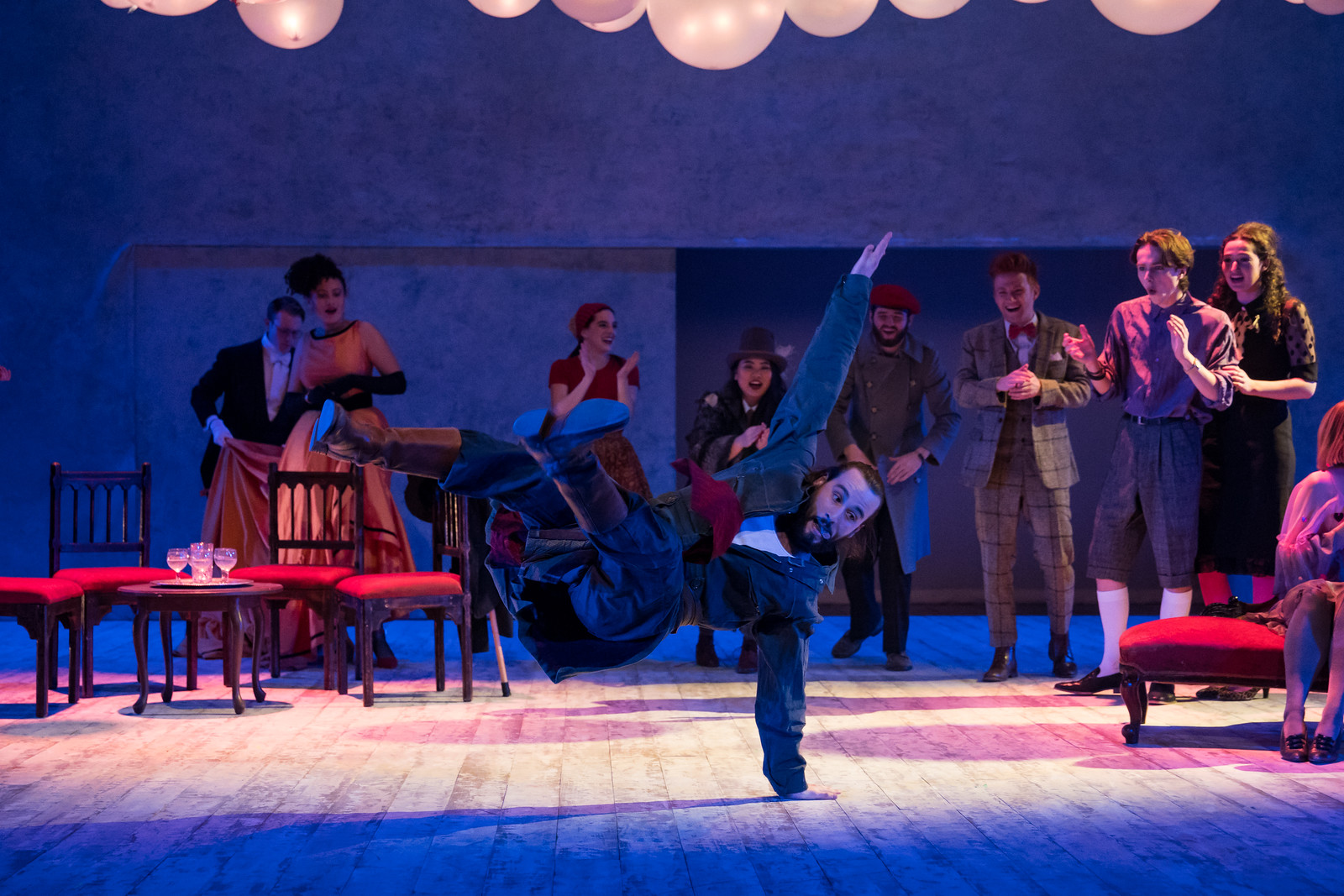
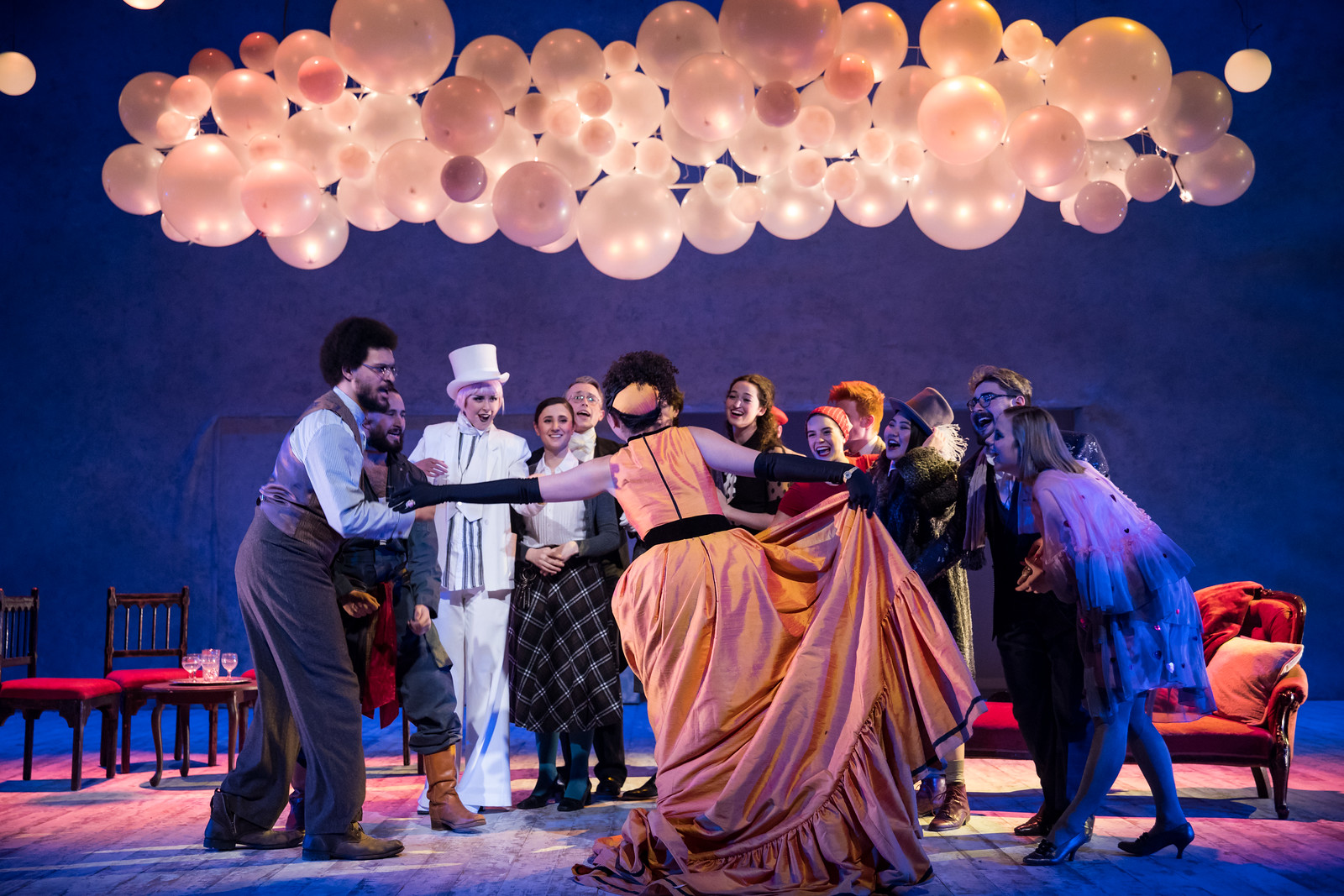
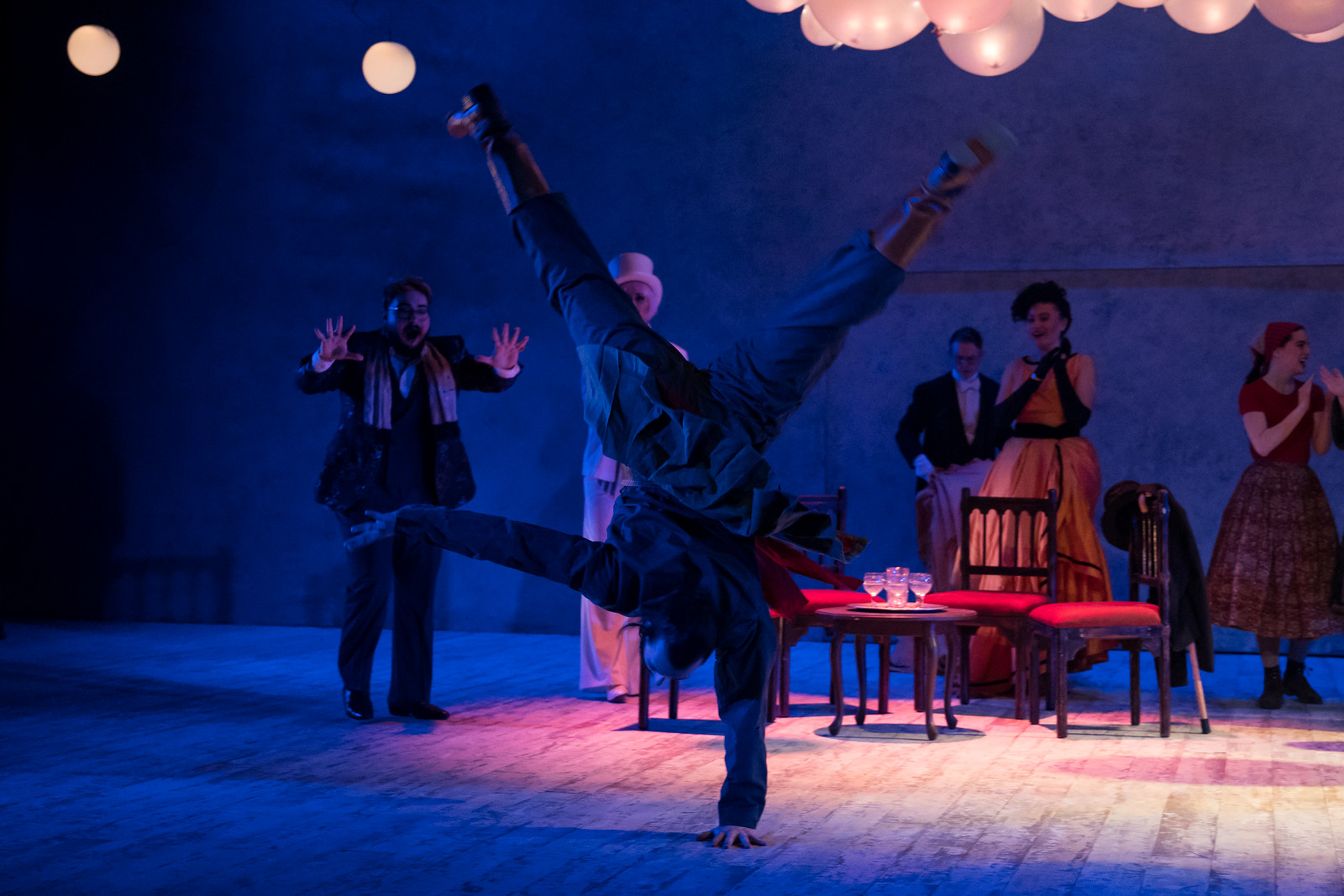
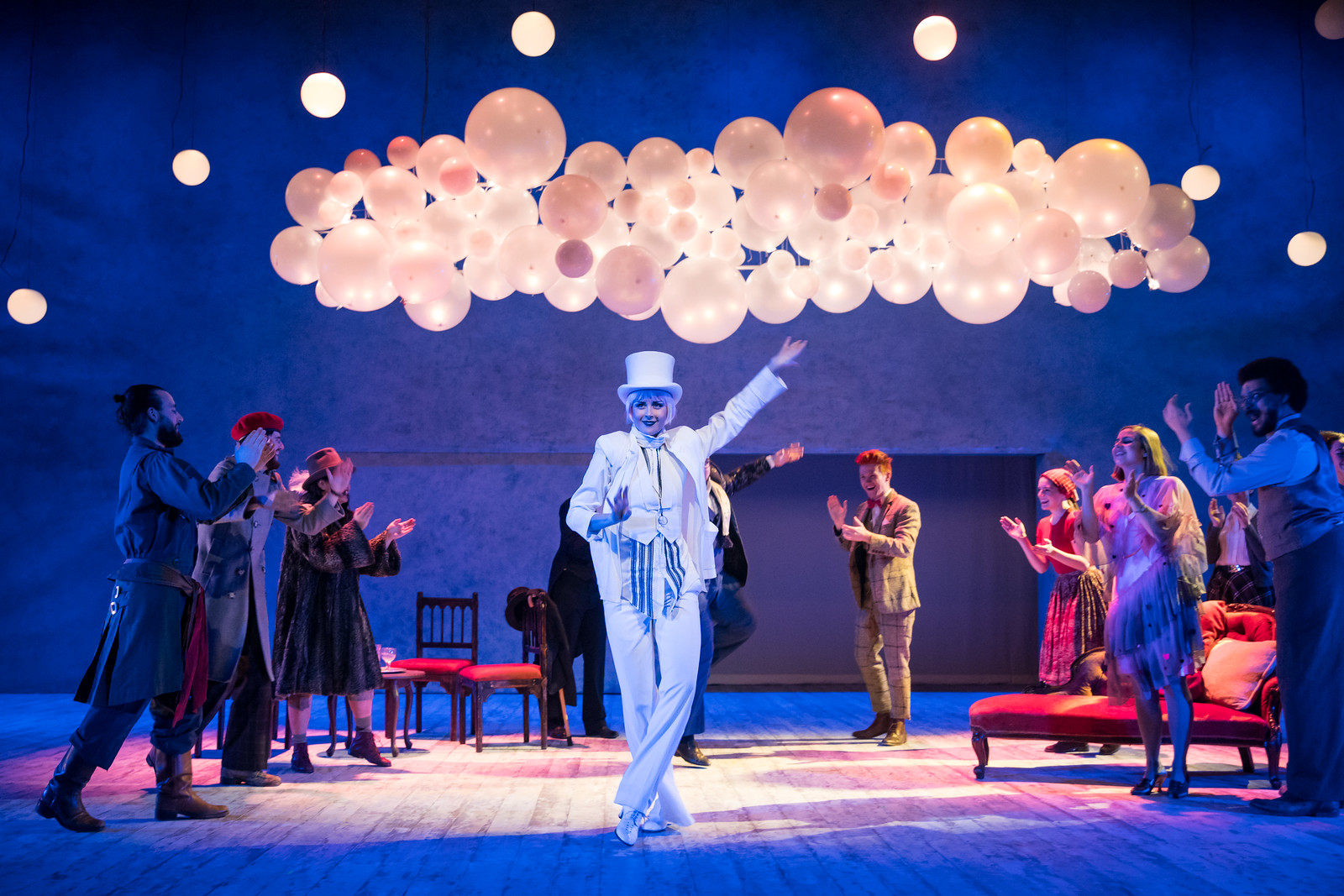
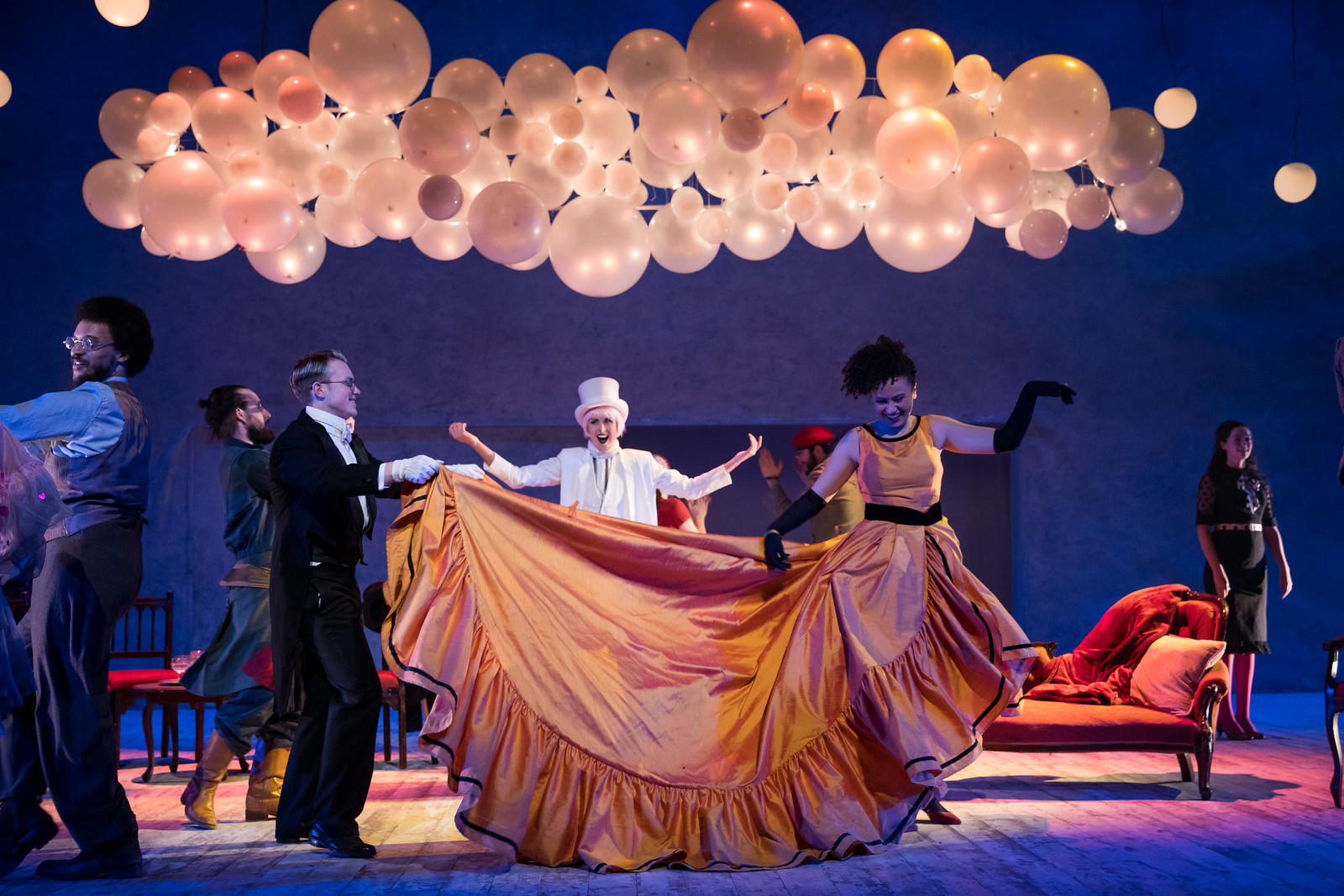
Directed by Hassan Al Rawas. Choreographed by Tucker Tab DeGregory. Costume Design by Raquel Adorno. Lighting Design by Jackie Fox. Scenic Design by Woongjin Oh. Photos by Justin Barbin Photography.
At the opening of Act 3, Lyubov Ranevskaya hosts a rousing party to honor the family estate and raise her loved ones’ spirits. Our party scene revolved around traditional Lezginka dance, which is known for its social circle improvisation, flips, battles, and swan and sword vocabulary.